


7 Examples of Sustainable Fabrics for Eco-Friendly Fashion
Choosing fabrics that are truly eco-friendly can feel confusing when you are trying to balance comfort, durability, and environmental responsibility. With so many options claiming to be sustainable, it is easy to feel unsure about which materials actually help protect natural resources and support ethical production. The reality is that not all fabrics are created equal when it comes to their impact on the planet.
You deserve clear and practical guidance for finding textiles that meet both your style needs and your values. This guide breaks down the real-world benefits of key sustainable fabrics, drawing directly from trusted research. You will discover specific ways each material reduces pollution, conserves water, cuts down on waste, and supports better farming and production practices.
Explore this list to find out how innovative textiles like organic cotton, recycled polyester, and TENCEL™ are changing the world of fashion. Each item reveals what sets these eco-friendly options apart and how they can make a difference in your closet and for the environment.
Table of Contents
- Organic Cotton: Soft and Naturally Sustainable
- Recycled Polyester: Turning Plastic Into Warm Apparel
- Tencel: Smooth Fabric From Renewable Wood
- Hemp: Durable Fiber With Low Environmental Impact
- Bamboo: Breathable Material Using Less Water
- Recycled Wool: Cozy Upcycled For Winter Wear
- Linen: Lightweight Comfort With Minimal Resources
Quick Summary
| Takeaway | Explanation |
|---|---|
| 1. Choose Organic Cotton for Sustainability | Organic cotton supports ecological balance and farmer wellbeing by avoiding synthetic pesticides and harmful chemicals. |
| 2. Support Recycled Polyester to Reduce Waste | Choosing recycled polyester keeps plastic waste out of landfills and helps conserve natural resources by upcycling discarded materials. |
| 3. Opt for Tencel for Eco-Friendly Comfort | Tencel is made from sustainably sourced wood and produced in a closed-loop system, minimizing environmental impact while providing softness. |
| 4. Select Hemp for Durability and Low Impact | Hemp requires little water and no pesticides, making it an eco-friendly choice that also supports soil regeneration. |
| 5. Invest in Bamboo for Moisture Management | Bamboo fabric is breathable and provides excellent moisture-wicking properties, while its cultivation benefits the environment. |
1. Organic Cotton: Soft and Naturally Sustainable
Organic cotton represents a revolutionary approach to sustainable textile production that goes far beyond traditional farming methods. This incredible fabric offers an environmentally conscious alternative to conventional cotton by prioritizing ecological practices and human health.
At its core, organic cotton is cultivated without synthetic pesticides or harmful chemicals. Sustainable agricultural methods ensure that every fiber is produced with minimal environmental impact. The cultivation process focuses on:
- Preserving soil biodiversity
- Reducing water consumption
- Eliminating toxic chemical inputs
- Supporting farmer health and community wellbeing
The environmental benefits are substantial. Compared to conventional cotton farming, organic cotton production dramatically reduces ecological damage. By banning most synthetic pesticides and adopting water-conserving techniques, organic cotton farmers contribute to global sustainability efforts.
Organic cotton represents more than just a fabric - it’s a commitment to environmental stewardship and responsible agricultural practices.
Consumers choosing organic cotton clothing make a direct impact. Each purchase supports farming systems that prioritize ecological balance and worker safety. The fabric itself offers remarkable qualities: soft texture, hypoallergenic properties, and a reduced carbon footprint.
Pro tip: When shopping for organic cotton, look for certifications like Global Organic Textile Standard (GOTS) to ensure authentic sustainable production practices.
2. Recycled Polyester: Turning Plastic into Warm Apparel
Recycled polyester represents an innovative solution to both environmental waste and textile production challenges. By transforming discarded plastic bottles into high-performance fabric, this material offers a groundbreaking approach to sustainable fashion.
Textile manufacturing strategies have evolved to create remarkable fabric from what was once considered waste. The process of converting plastic waste into polyester involves several critical steps:
- Collecting and sorting plastic waste
- Cleaning and preparing plastic materials
- Melting and processing plastics into fiber
- Spinning fibers into usable textile fabric
The environmental benefits are substantial. Recycled polyester significantly reduces carbon footprint by decreasing petroleum dependence and minimizing landfill waste. Each kilogram of recycled polyester can prevent approximately 60 plastic bottles from ending up in oceans or landfills.
Recycled polyester transforms environmental challenges into innovative textile solutions, proving that sustainable fashion can be both stylish and responsible.
Consumers choosing recycled polyester clothing contribute directly to circular economy initiatives. The fabric offers performance comparable to virgin polyester while dramatically reducing environmental impact.
Pro tip: When shopping for recycled polyester garments, check for certifications that validate the recycling process and ensure authentic sustainable production.
3. Tencel: Smooth Fabric from Renewable Wood
Tencel represents a revolutionary sustainable fabric that transforms wood into incredibly soft and eco-friendly textile fibers. This innovative material offers a breakthrough in environmentally conscious clothing production.
Sustainable textile manufacturing has found an exceptional solution in Tencel, which begins with responsibly sourced wood and follows an incredibly efficient production process. The manufacturing transforms wood pulp into fabric through a sophisticated closed-loop system that minimizes environmental impact.
The remarkable features of Tencel include:
- Exceptional breathability
- Smooth and soft texture
- Biodegradable composition
- Minimal water consumption
- Reduced carbon emissions
Tencel fibers represent a truly sustainable textile solution. Their production process recycles over 99% of solvents and water, creating an extremely resource-efficient fabric that supports environmental conservation.
Tencel transforms renewable wood into a textile that proves sustainability and comfort can coexist perfectly in modern fashion.
The fabric’s versatility makes it an excellent choice for consumers seeking both performance and environmental responsibility. Unlike traditional textiles, Tencel offers superior moisture management and temperature regulation while maintaining a minimal ecological footprint.
Pro tip: When purchasing Tencel clothing, look for certifications that verify the sustainable sourcing and production of the fabric to ensure you are making a truly eco-friendly choice.
4. Hemp: Durable Fiber with Low Environmental Impact
Hemp represents a groundbreaking sustainable textile solution with remarkable environmental credentials. This ancient crop is transforming modern fashion through its incredibly low ecological footprint and versatile performance.
Industrial sustainability research reveals hemp as a superior eco-friendly fiber that outperforms many traditional textile materials. The plant requires minimal water and grows rapidly without extensive pesticide use, making it an exceptional renewable resource.
Hemp fabric offers numerous extraordinary benefits:
- Exceptional durability
- Natural resistance to bacterial growth
- Rapid carbon sequestration
- Minimal water consumption
- Soil regeneration capabilities
Hemp fibers provide unparalleled environmental advantages. Unlike conventional cotton, hemp cultivation actively improves soil health and requires dramatically less water and chemical inputs.
Hemp is not just a fabric choice - it is a statement of environmental responsibility and sustainable innovation.
Consumers choosing hemp clothing directly support agricultural practices that combat climate change and promote ecosystem health. The fabric delivers remarkable performance with a fraction of the environmental impact of traditional textiles.
Pro tip: When shopping for hemp clothing, look for certifications that verify organic cultivation and sustainable processing to maximize your environmental impact.
5. Bamboo: Breathable Material Using Less Water
Bamboo fabric represents a revolutionary sustainable textile that transforms how we think about eco-friendly clothing. This remarkable material offers an extraordinary blend of performance and environmental responsibility.
Ecological preservation strategies reveal bamboo as a powerhouse of sustainability. The plant grows rapidly without extensive irrigation and provides remarkable ecological benefits beyond textile production.
Bamboo fabric delivers impressive characteristics:
- Exceptional moisture-wicking properties
- Natural temperature regulation
- Antibacterial and hypoallergenic qualities
- Minimal water consumption during cultivation
- Rapid renewable growth cycle
Bamboo textiles represent an eco-conscious clothing revolution. Unlike traditional fabric production, bamboo cultivation actively contributes to soil stabilization and ecosystem health.
Bamboo is not just a fabric - it is a testament to nature’s innovative potential for sustainable design.
Consumers choosing bamboo clothing support agricultural practices that minimize environmental impact while enjoying superior comfort and performance. The fabric provides a tangible way to make environmentally responsible fashion choices.
Pro tip: When purchasing bamboo clothing, verify the manufacturing process to ensure sustainable production methods that truly maximize the fabric’s ecological advantages.
6. Recycled Wool: Cozy Upcycled for Winter Wear
Recycled wool represents a brilliant solution to textile waste while delivering exceptional warmth and comfort for winter clothing. This innovative fabric transforms discarded wool garments into high-quality, sustainable textiles that reduce environmental impact.
Sustainable textile recycling techniques enable the transformation of post-consumer wool waste into new, high-performance fabrics. The mechanical recycling process carefully deconstructs and repurposes wool fibers without compromising their inherent quality.
Recycled wool offers remarkable benefits:
- Reduced textile waste
- Lower carbon footprint
- Exceptional thermal insulation
- Soft and comfortable texture
- Preservation of natural resources
Wool recycling supports circular fashion economies. By extending the lifecycle of wool fibers, this approach dramatically reduces the demand for virgin wool production and minimizes environmental strain.
Recycled wool proves that sustainability and comfort can coexist perfectly in modern winter wear.
Consumers choosing recycled wool actively participate in a more responsible fashion ecosystem. Each garment represents a direct contribution to reducing textile waste and conserving natural resources.
Pro tip: When purchasing recycled wool items, check for certifications that validate the recycling process and ensure authentic sustainable production practices.
7. Linen: Lightweight Comfort with Minimal Resources
Linen represents a remarkable sustainable fabric that transforms eco-friendly fashion through its extraordinary environmental credentials. Derived from the resilient flax plant, this textile offers exceptional performance with minimal ecological impact.
Sustainable textile production strategies demonstrate linen’s remarkable environmental advantages. The fabric emerges from a production process that requires minimal water, pesticides, and energy resources.
Linen provides incredible benefits for conscious consumers:
- Extremely low water consumption
- Natural biodegradability
- Breathable and lightweight texture
- Durable and long-lasting performance
- Minimal chemical processing
Linen fibers support ecological preservation. The flax plant grows with minimal irrigation and naturally enhances soil health, making it a regenerative agricultural resource.
Linen is more than a fabric - it is a statement of environmental responsibility and thoughtful design.
Consumers choosing linen clothing actively contribute to reducing fashion industry environmental impacts. Its natural properties ensure comfort while supporting sustainable agricultural practices.
Pro tip: When selecting linen garments, prioritize pieces with transparent sourcing that highlight sustainable flax cultivation and minimal processing techniques.
Below is a comprehensive table summarizing the sustainable textile materials discussed in the article and their respective characteristics, benefits, and considerations.
| Material | Characteristics | Environmental Benefits |
|---|---|---|
| Organic Cotton | Soft texture, hypoallergenic, free from harmful chemicals. | Reduced water usage, elimination of synthetic pesticides. |
| Recycled Polyester | Derived from plastic waste, high performance, durable. | Reduced landfill waste, lower carbon footprint. |
| Tencel | Smooth texture, breathable, efficient production process. | Biodegradable, minimal water usage, reduced emissions. |
| Hemp | Durable, antibacterial, eco-friendly. | Rapid growth, low water consumption, soil rejuvenation. |
| Bamboo | Moisture-wicking, temperature-regulating, hypoallergenic. | Sustainable growth cycle, minimal ecological impact. |
| Recycled Wool | Thermal insulation, resource-efficient, soft texture. | Waste reduction, conservation of resources. |
| Linen | Lightweight, breathable, durable. | Minimal water use, natural biodegradability. |
Discover Sustainable Comfort with Eco-Friendly Fabrics at Smoked Times
Choosing truly sustainable fabrics means embracing comfort without compromising the planet. Whether you value the softness of organic cotton or the durability of recycled materials, finding apparel that aligns with your eco-conscious lifestyle can be challenging. Smoked Times understands this goal and offers a curated selection of clothing designed with sustainability in mind. Our Cotton T-Shirts collection features breathable, responsibly made options perfect for everyday wear.
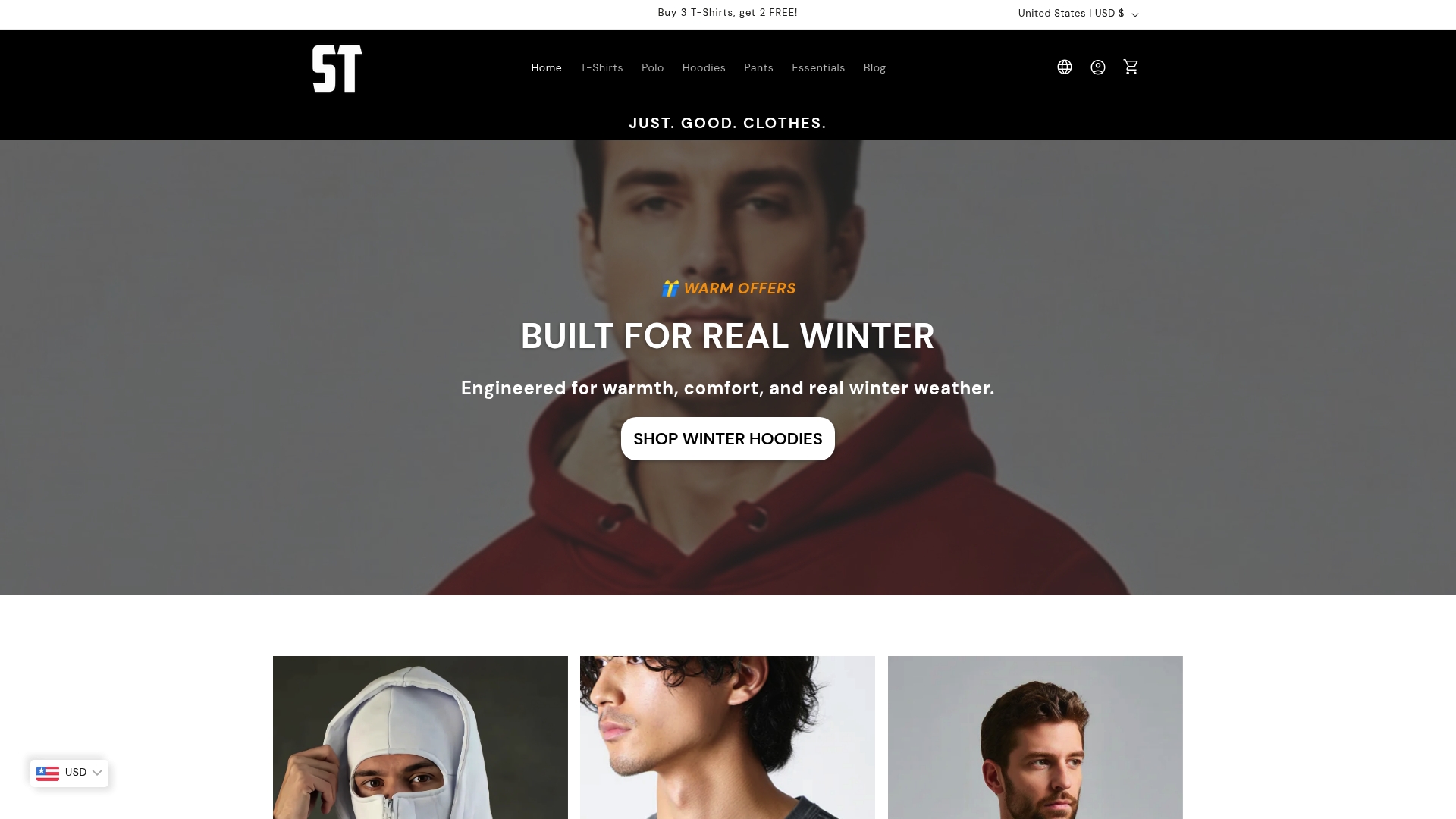
Take a step toward reducing your environmental footprint today by exploring our elegant basics and cozy seasonal pieces. Act now to enjoy high-quality, eco-friendly comfort and elevate your wardrobe with sustainable fashion that supports both you and the planet. Visit Smoked Times to shop men’s essentials like Men’s Cotton T-Shirts – Clean Basics, No Prints and discover the difference that mindful fabric choices can make.
Frequently Asked Questions
What are the environmental benefits of organic cotton?
Organic cotton is cultivated without synthetic pesticides or harmful chemicals, which significantly reduces ecological damage. By choosing organic cotton, you help preserve soil biodiversity and reduce water consumption by approximately 20% compared to conventional cotton.
How can recycled polyester contribute to sustainability in fashion?
Recycled polyester transforms discarded plastic waste into new fabrics, significantly reducing landfill waste and carbon footprints. Opt for garments made from recycled polyester to help prevent around 60 plastic bottles from ending up in landfills for every kilogram of recycled material used.
Why is Tencel considered a sustainable fabric?
Tencel is made from sustainably sourced wood and produced through a closed-loop process that recycles over 99% of solvents and water. When shopping for clothing, look for items labeled as Tencel to ensure you are supporting environmentally friendly textile production.
What makes hemp a suitable choice for eco-friendly fashion?
Hemp requires minimal water and grows rapidly without extensive pesticide use, making it an exceptionally sustainable fiber. By selecting hemp clothing, you support agricultural practices that regenerate soil health and significantly reduce environmental impact.
How do bamboo fabrics support sustainable fashion?
Bamboo fabrics are derived from a rapidly renewable plant that requires less water and minimal chemical processing during cultivation. To make a sustainable choice, consider purchasing bamboo clothing, which provides excellent moisture-wicking and antibacterial properties while promoting soil stabilization.
What are the advantages of recycled wool?
Recycled wool is created from post-consumer wool waste, which decreases textile waste and uses fewer natural resources. By wearing recycled wool clothing, you contribute to a circular fashion economy, extending the lifecycle of wool fibers and minimizing the environmental strain associated with new wool production.