


Building a Seasonal Wardrobe for Every Climate
Most american young adults admit their closets are full but still struggle to put together fresh winter outfits that feel both trendy and practical. It can be tough finding the right balance between style, comfort, and affordability, especially when every season brings new trends and sales. This guide breaks down actionable steps for curating a versatile wardrobe, showing how strategic planning and smart shopping can help you stay fashion-forward while making the most of every seasonal promotion.
Table of Contents
- Step 1: Assess Your Current Wardrobe Essentials
- Step 2: Identify Seasonal Needs By Climate And Trends
- Step 3: Select Key Pieces For Mix-And-Match Versatility
- Step 4: Shop Seasonal Bundle Offers And Promotions
- Step 5: Review And Refine Your Wardrobe For Balance
Quick Summary
| Main Insight | Explanation |
|---|---|
| 1. Evaluate Your Current Wardrobe | Assess your clothing collection by categorizing items and deciding what to keep, donate, or repair based on personal style and emotional connection. |
| 2. Understand Climate and Fashion Trends | Analyze local climate and current trends to select clothing that is both functional and stylish for the changing seasons. |
| 3. Choose Versatile Key Pieces | Select classic, adaptable clothing items in neutral colors to maximize outfit combinations and maintain a streamlined wardrobe. |
| 4. Shop During Seasonal Promotions | Take advantage of discounts during sales events to purchase bundle offers and enhance your wardrobe without overspending. |
| 5. Regularly Review Your Wardrobe | Conduct biannual assessments to identify gaps and remove items that no longer fit your lifestyle, keeping your collection functional and appealing. |
Step 1: Assess your current wardrobe essentials
Building a smart seasonal wardrobe starts with understanding what you already own. Evaluating your existing clothing collection helps you make strategic additions while preventing unnecessary purchases.
Begin by pulling out every clothing item from your closet and dresser. Spread everything on your bed or a large clear surface. Sort items into clear categories such as tops, bottoms, outerwear, and accessories. As you organize, fashion psychology research suggests examining each piece through the lens of personal identity and emotional connection. Ask yourself critical questions about each garment: Does this still fit my current style? Have I worn this in the past year? Does this piece make me feel confident?
While sorting, create three distinct piles: keep, donate, and repair. For the keep pile, focus on versatile pieces that can be mixed and matched across multiple outfits. AI wardrobe planning tools can help you analyze outfit potential. Pay special attention to neutral colors and classic cuts that provide maximum flexibility. Donate items that no longer serve your aesthetic or fit comfortably. Repair pieces with minor damage that are still worth keeping.
Pro tip: Take photos of your kept items to create a digital inventory that helps you visualize potential outfit combinations and identify true wardrobe gaps.
Step 2: Identify seasonal needs by climate and trends
Understanding your local climate and current fashion trends is essential for building a strategic seasonal wardrobe. This step helps you invest in clothing that not only keeps you comfortable but also stylish across changing weather conditions.
Climate change research highlights the importance of adapting your wardrobe to shifting environmental patterns. Start by analyzing your region’s typical seasonal temperatures, precipitation levels, and weather variability. Check historical climate data for your specific location to understand temperature ranges and potential extreme weather events. This knowledge will help you select pieces that provide appropriate protection and comfort.
Next, research current fashion trends while keeping practicality in mind. Seasonal climate variations impact clothing choices differently across geographic zones. For urban areas with milder winters, lighter layering pieces might suffice. In contrast, regions with harsh winters require robust, insulating garments. Look at fashion magazines, social media influencers, and runway collections to identify color palettes, fabric trends, and silhouettes that resonate with your personal style while meeting your climate’s functional requirements.
Pro tip: Create a digital mood board combining local weather data and fashion inspiration to visualize how trends can be practically adapted to your specific climate.
Here’s how common climate zones affect seasonal wardrobe planning:
| Climate Zone | Key Wardrobe Needs | Risk of Under/Overdressing |
|---|---|---|
| Temperate | Light layers, versatile jackets | Moderate, seasons change gradually |
| Tropical | Breathable fabrics, sun protection | High, sudden rain/showers |
| Continental | Heavy outerwear, insulated fabrics | High, sudden temperature drops |
| Arid/Desert | Sun hats, light long sleeves | Moderate, hot days/cool nights |

Step 3: Select key pieces for mix-and-match versatility
Building a versatile wardrobe means choosing strategic pieces that work together seamlessly across multiple outfits and occasions. Your goal is to create a flexible clothing collection that maximizes style potential while minimizing unnecessary purchases.

Wardrobe versatility research suggests focusing on neutral colors and classic silhouettes that can be easily layered and combined. Start by selecting foundational pieces in solid colors like black, white, navy, and gray. These neutral tones form the backbone of a mix-and-match wardrobe. Look for high-quality basics with clean lines that can be dressed up or down. Think tailored blazers, well-fitted jeans, crisp white shirts, and versatile knit sweaters that transition smoothly between different settings.
Cognitive versatility studies highlight the importance of selecting adaptable clothing that supports personal expression and functionality. When choosing key pieces, prioritize items that can be styled multiple ways. A classic black blazer might pair with jeans for a casual look or dress slacks for a professional setting. Select fabrics that resist wrinkling and maintain shape, ensuring your versatile pieces always look polished. Consider your lifestyle and choose items that can move with you from work to weekend activities without requiring a complete wardrobe change.
Pro tip: Use the 3-color rule when selecting mix-and-match pieces create outfits by combining items using no more than three colors for a consistently stylish look.
Step 4: Shop seasonal bundle offers and promotions
Maximizing your wardrobe while minimizing expenses requires strategic shopping during seasonal promotions. By understanding when and how to leverage bundle offers, you can build a comprehensive clothing collection without breaking the bank.
Seasonal promotion strategies reveal critical timing for finding the best clothing deals. Pay attention to key shopping periods like end-of-season sales, holiday promotions, and transition periods between fashion cycles. Retailers typically offer significant discounts during these windows to clear out existing inventory. Look for bundle packages that combine multiple items at a reduced price, such as winter coat and sweater sets or layering piece collections that provide complete outfit solutions.
Consumer seasonal purchasing patterns demonstrate that smart shoppers align their buying strategy with regional climate trends. Sign up for email newsletters from your favorite retailers to receive early notifications about upcoming sales. Compare prices across multiple platforms and consider online marketplaces that aggregate promotional offers. Check for additional savings through cashback websites, credit card rewards programs, and loyalty point systems that can further reduce your overall spending on seasonal wardrobe additions.
Pro tip: Set price tracking alerts on specific clothing items to catch the lowest prices and maximize your seasonal shopping budget.
Step 5: Review and refine your wardrobe for balance
Creating a well-balanced wardrobe is an ongoing process that requires periodic assessment and strategic adjustments. Think of your clothing collection as a dynamic ecosystem that needs regular maintenance to stay functional and aligned with your personal style and lifestyle needs.
Wardrobe planning techniques recommend conducting a comprehensive review every six months. Start by categorizing your clothing into clear groups like professional wear, casual attire, workout gear, and seasonal pieces. Assess each category for balance and functionality. Look for gaps where you might need additional items and identify pieces that no longer serve your current lifestyle or aesthetic. Pay attention to items that get frequent wear versus those collecting dust in the back of your closet.
Resource management principles suggest treating your wardrobe like a strategic portfolio. Remove items that are worn out, no longer fit, or haven’t been worn in the past year. Consider donating or selling these pieces to make room for more versatile options. Focus on maintaining a lean collection of high-quality, multipurpose items that can be mixed and matched across different settings. This approach not only streamlines your wardrobe but also makes daily dressing more intuitive and enjoyable.
Pro tip: Create a digital inventory of your clothing using a smartphone app to track wear frequency and identify potential wardrobe imbalances more effectively.
To optimize wardrobe balance, review these common category benchmarks:
| Category | Typical Percentage | Signs of Imbalance |
|---|---|---|
| Work/Professional | 30-40% | Frequent outfit repeats |
| Casual/Everyday | 30-40% | Excess unused items |
| Athletic/Active | 10-20% | Running out of clean options |
| Formal/Seasonal | 10-20% | Rarely worn, poor fit |
Build Your Perfect Seasonal Wardrobe with Smoked Times
Navigating the challenge of creating a functional and stylish wardrobe for every climate can feel overwhelming. This article highlights key pain points like selecting versatile pieces, adapting to varying weather conditions, and shopping smart during seasonal promotions. You want a wardrobe that balances comfort, style, and practicality while minimizing waste and unnecessary purchases.
At Smoked Times, we understand the importance of a wardrobe that works for your lifestyle. Explore our Essentials collection for timeless basics perfect for layering across seasons. Need comforting warmth for cooler days without sacrificing style Browse our Hoodies Collection featuring premium oversized and fleece hoodies designed to keep you cozy and fashionable no matter your climate.
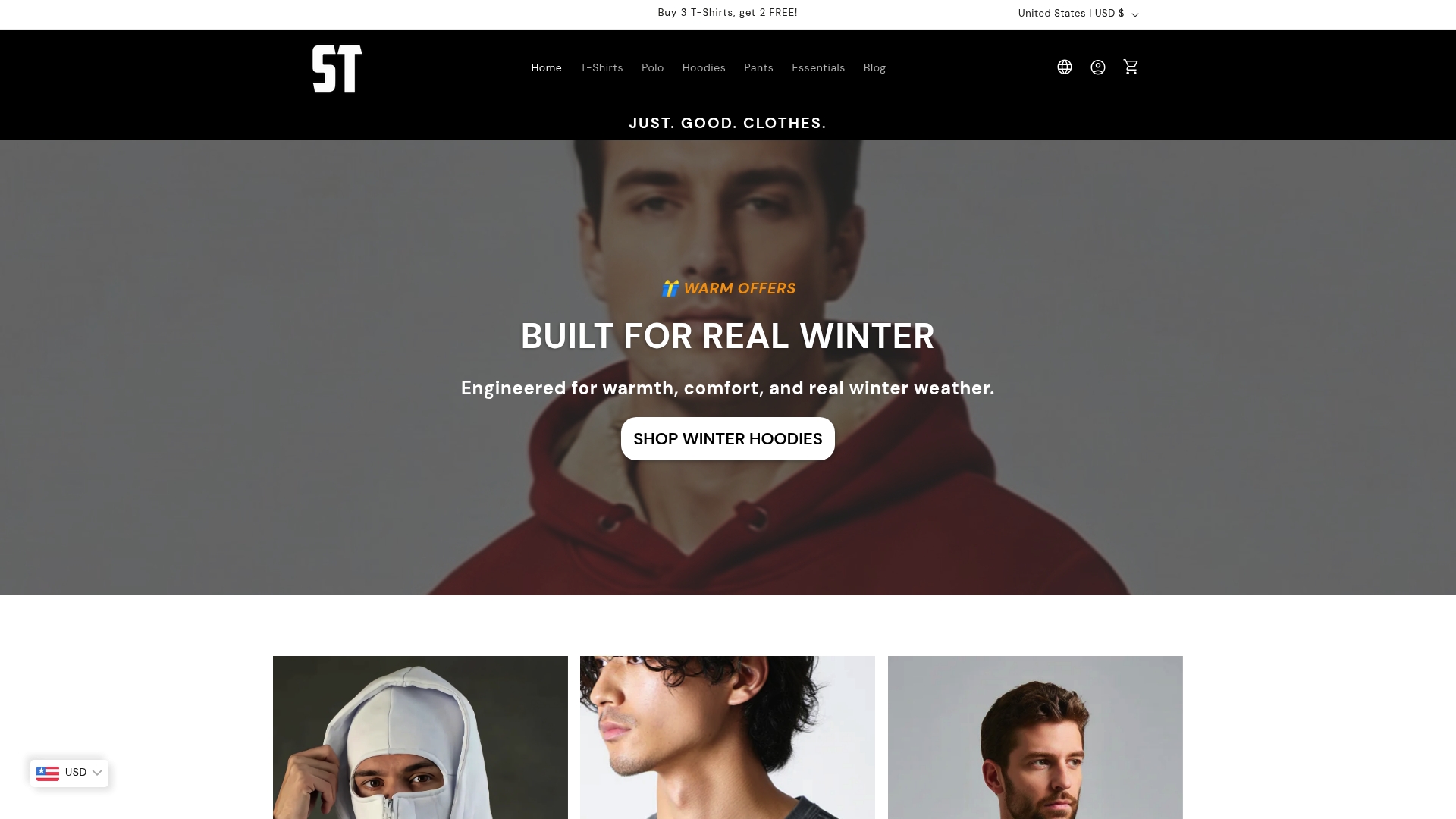
Start building a smart wardrobe today and take advantage of our seasonal bundle offers and exclusive promotions to get more while spending less. Visit Smoked Times now and transform your seasonal dressing into a simple, confident experience.
Frequently Asked Questions
How can I assess my current wardrobe essentials for a seasonal wardrobe?
To assess your current wardrobe essentials, take every clothing item out of your closet and dresser and categorize them into tops, bottoms, outerwear, and accessories. Sort each piece into keep, donate, and repair piles, focusing on versatile items that align with your current style and emotional connection.
What key pieces should I include in my seasonal wardrobe for mix-and-match versatility?
Select foundational pieces in neutral colors and classic silhouettes that can be easily layered and combined. Aim to include items like tailored blazers, well-fitted jeans, and versatile knit sweaters that can transition between casual and professional settings.
How do I identify seasonal clothing needs based on climate and fashion trends?
Begin by analyzing your local climate, including typical temperatures and precipitation levels. Then, research current fashion trends that are practical for your climate to help you choose pieces that keep you both comfortable and stylish.
What should I do to maximize my shopping during seasonal promotions?
To maximize your shopping during seasonal promotions, pay attention to key shopping periods like end-of-season sales and holiday promotions. Set price tracking alerts on specific clothing items to get the best deals and consider signing up for newsletters from your favorite retailers to stay informed about upcoming offers.
How often should I review and refine my wardrobe to maintain balance?
You should review and refine your wardrobe every six months to ensure it remains balanced and functional. Categorize your clothing into groups like professional wear and casual attire, and assess for gaps and unused items that can be donated or sold to make room for more versatile options.