


Color Trends in Apparel – Impact on Streetwear Style
Every winter season sparks the challenge of finding streetwear that stands out while keeping you warm. Color trends in fashion apparel are more than shades on a rack, they announce personal style and set the mood for memorable outfits. With bold hues and earth-inspired neutrals shaping collections worldwide, this guide reveals how color trend forecasting drives the latest streetwear choices and helps you shop smarter for unique deals from New York to London.
Table of Contents
- Defining Color Trends In Fashion Apparel
- Types Of Color Trends In Streetwear Clothing
- How Color Trends Shape Apparel Choices
- Key Colors For Winter And Casual Styles
- Impact Of Color Trends On Consumer Behavior
- Mistakes To Avoid In Seasonal Color Selection
Key Takeaways
| Point | Details |
|---|---|
| Understanding Color Trends | Color trends serve as visual narratives that reflect cultural and emotional states, influencing fashion choices. |
| Types of Color Trends | Streetwear encompasses various color palettes, from energetic to naturalist, allowing for personal expression and creativity. |
| Impact on Consumer Behavior | Color trends significantly shape consumer purchasing decisions, aligning clothing choices with personal identity and social signals. |
| Avoiding Common Mistakes | Successful color selection requires consideration of psychological effects and contextual relevance, ensuring lasting appeal and versatility. |
Defining Color Trends in Fashion Apparel
Color trends in fashion apparel represent dynamic visual narratives that communicate complex social and cultural signals. Fashion trend forecasting serves as a critical mechanism for understanding how colors evolve and reflect collective human experiences, transforming textile design from mere aesthetic choices to meaningful cultural expressions.
At the core of color trend definition are strategic processes involving comprehensive research, designer insights, and consumer behavioral analysis. Professional color forecasters examine multiple dimensions including runway presentations, street style movements, technological innovations, and global societal shifts to predict emerging color palettes. Color trend reports from authoritative sources like Pantone provide industry professionals with structured insights into seasonal color preferences, offering a roadmap for designers and manufacturers.
Understanding color trends requires recognizing them as more than superficial design choices. These trends act as visual languages that communicate emotional states, cultural movements, and societal transformations. Designers carefully select color combinations that resonate with current zeitgeist, translating complex human experiences into wearable art. Colors like muted earth tones might signal environmental consciousness, while vibrant electric hues could represent technological optimism and youth energy.
Pro Tip: Follow professional color forecasting resources and fashion week coverage to stay ahead of emerging streetwear color trends before they become mainstream.
Types of Color Trends in Streetwear Clothing
Streetwear color trends represent a dynamic spectrum of aesthetic expressions, ranging from bold statements to nuanced cultural reflections. Streetwear color palettes encompass diverse styles that capture the energy and creativity of urban fashion, challenging traditional color boundaries and reflecting complex social narratives.
The primary types of color trends in streetwear can be categorized into several distinctive groups. Energetic color palettes feature vibrant, high-contrast hues that demand attention, including electric blues, fiery reds, and intense magentas. These colors communicate confidence and youthful rebellion. Alternatively, naturalist color trends draw inspiration from earth tones and muted botanical shades, representing a more subdued and environmentally conscious aesthetic. Neutral color collections provide foundational pieces that offer versatility and timeless appeal, allowing streetwear enthusiasts to mix and match with greater flexibility.
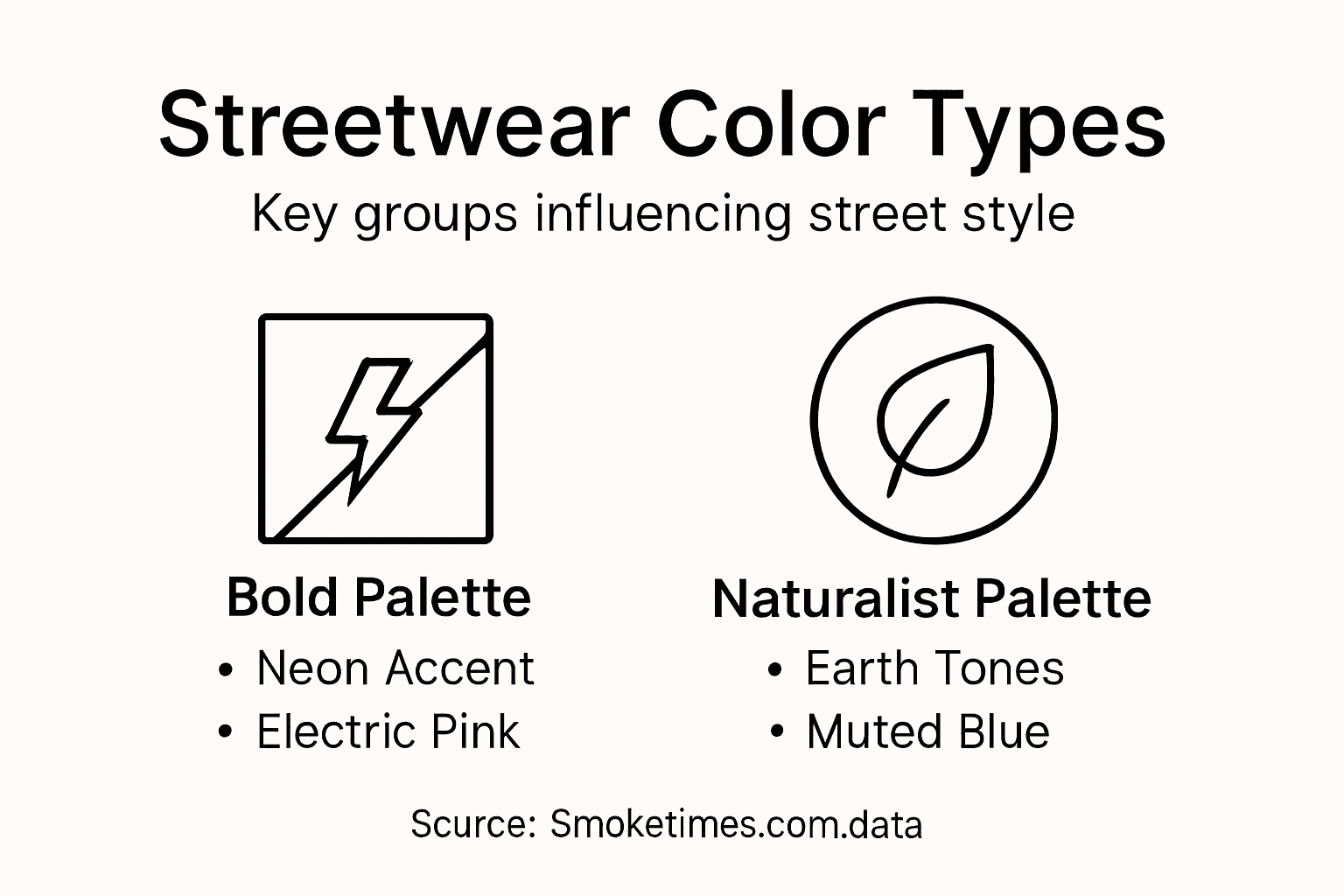
Technological and cultural shifts continuously influence streetwear color trends, creating a complex visual language that extends beyond simple aesthetic choices. Designers now integrate colors that reflect global movements, technological innovations, and social consciousness. Graphic prints, unexpected color combinations, and gradient techniques further expand the traditional understanding of color trends, transforming streetwear into a medium of personal and collective expression.
Here’s a comparison of major streetwear color trend types:
| Color Trend Type | Typical Colors | Cultural Signal | Styling Impact |
|---|---|---|---|
| Energetic | Electric blue, fiery red | Confidence, rebellion | Eye-catching statement pieces |
| Naturalist | Earth tones, muted greens | Environmental awareness | Versatile, subtle layering |
| Neutral Collections | Off-white, grays, beige | Timelessness, flexibility | Foundation for multiple looks |
| Bold Graphics | Mixed brights, gradients | Creativity, modern influences | Unique, personalized outfits |
Pro Tip: Experiment with layering different color trend types to create unique personal streetwear styles that blend bold statements with classic neutrals.
How Color Trends Shape Apparel Choices
Consumer buying behaviors are profoundly influenced by color trends, transforming apparel selection from a simple functional decision into a complex emotional and cultural expression. Colors serve as powerful communicative tools that reflect individual identity, social movements, and psychological states, guiding consumers toward specific clothing choices that resonate with their personal narratives and contemporary aesthetic sensibilities.
The mechanism of color trend influence operates through multiple interconnected channels. Psychological research demonstrates that specific colors trigger emotional responses, compelling consumers to select apparel that aligns with their current mood or desired personal projection. Designers strategically leverage these psychological insights, crafting collections that not only look visually appealing but also create deeper emotional connections. Predictive color analytics now enable brands to anticipate and shape consumer preferences with unprecedented precision, using advanced technologies to forecast emerging color preferences before they become mainstream trends.
Beyond individual psychology, color trends reflect broader societal dynamics, functioning as visual languages that communicate complex cultural narratives. A shift towards earth tones might signal growing environmental consciousness, while vibrant, electric colors could represent technological optimism and youth energy. Fashion enthusiasts consciously and unconsciously use color choices to signal group affiliations, personal values, and emotional states, transforming apparel into a nuanced form of non-verbal communication that extends far beyond mere aesthetic preferences.
Pro Tip: Analyze your current wardrobe color palette and intentionally introduce 2-3 trending colors to refresh your style without completely overhauling your existing collection.
Key Colors for Winter and Casual Styles
Winter fashion color trends reveal a sophisticated palette that balances bold statements with nuanced emotional expressions. The seasonal color spectrum for winter and casual styles encompasses a dynamic range of hues that reflect both personal style and broader cultural narratives, transforming clothing from mere functional protection to a powerful form of self-expression.
The core winter color palette features an intriguing mix of vibrant and subdued tones. Bright pink and electric orange stand alongside deep purples and warm reds, creating visual contrasts that capture attention and convey emotional depth. Seasonal color collections also emphasize muted green tones inspired by natural landscapes, offering a sense of calm and environmental connection. These colors are strategically selected to provide versatility in layering, allowing individuals to create multiple outfit combinations that transition seamlessly between different social contexts.
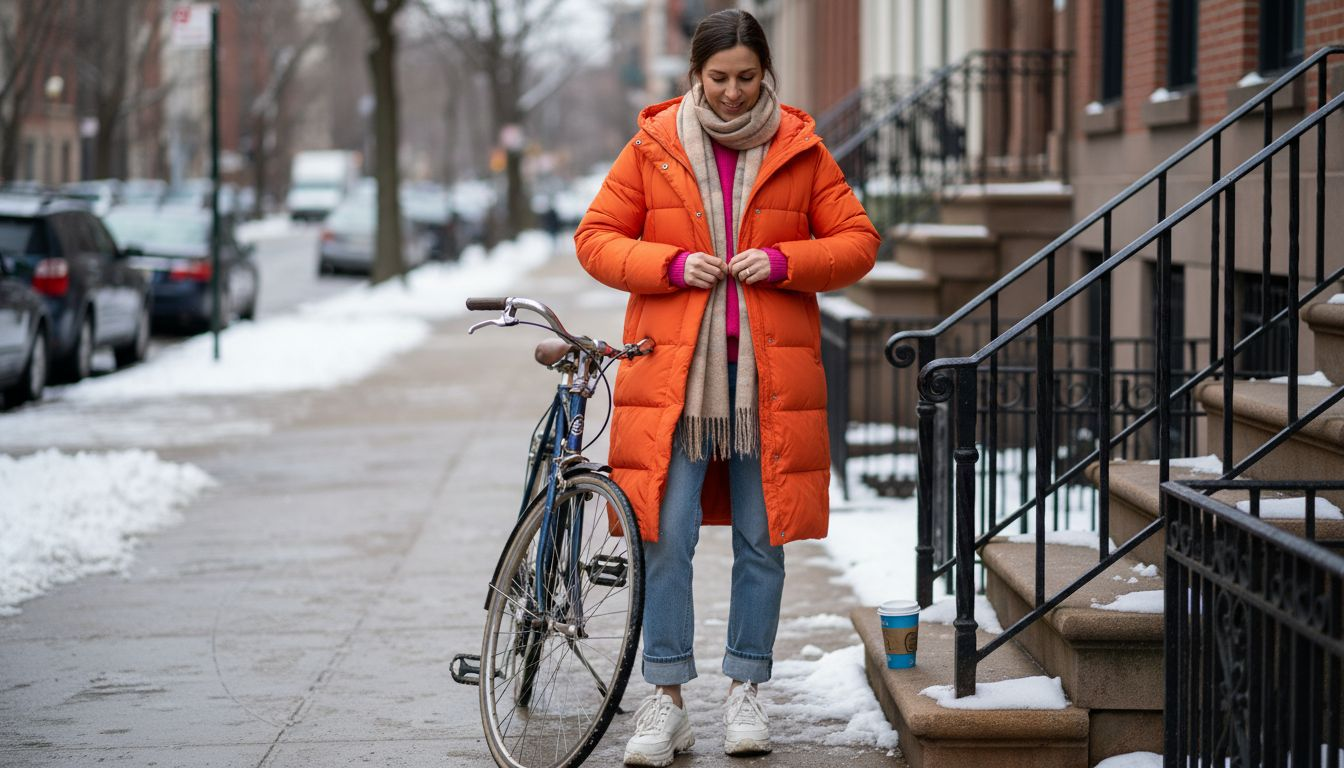
Beyond aesthetic appeal, winter color choices reflect sophisticated psychological and cultural dynamics. Warm, intense colors like deep red communicate strength and passion, while softer green and purple tones suggest introspection and creativity. Designers carefully curate these color palettes to resonate with consumers’ emotional states, understanding that clothing color is a powerful nonverbal communication tool that extends far beyond simple visual preferences.
This summary shows how key winter and casual style colors influence mood and style:
| Winter/Casual Color | Psychological Effect | Suggested Use |
|---|---|---|
| Bright Pink | Joy, playfulness | Accent accessories or sweaters |
| Deep Purple | Creativity, introspection | Statement coats or scarves |
| Warm Red | Strength, passion | Layering tops or outerwear |
| Muted Green | Calm, environmental linkage | Pants, knitwear, base layers |
| Electric Orange | Boldness, optimism | Shoes, hats, or highlight details |
Pro Tip: Invest in versatile winter pieces in neutral base colors, then add 1-2 trending seasonal accent pieces to instantly update your casual wardrobe.
Impact of Color Trends on Consumer Behavior
Consumer purchasing psychology reveals that color trends function as powerful behavioral triggers, transforming fashion choices from simple clothing selections into complex expressions of personal and social identity. These trends create intricate psychological mechanisms that influence decision making, brand perception, and emotional engagement with fashion products.
Color trends strategically shape consumer behavior through multiple interconnected channels. Shoppers are motivated by a deep-seated desire to feel current and socially relevant, leading them to update wardrobes with trending color palettes that signal cultural awareness. Fashion color preferences impact not just individual purchasing decisions but also broader market dynamics, including brand loyalty, product launch success, and the frequency of fashion-related consumer spending.
The psychological underpinnings of color trend influence extend beyond mere aesthetic appreciation. Consumers unconsciously use color choices as non-verbal communication tools, selecting garments that reflect their emotional states, social aspirations, and cultural affiliations. A vibrant color might communicate confidence, while muted tones could suggest introspection. This complex interplay between color, emotion, and consumer behavior demonstrates how fashion transcends functional clothing to become a sophisticated form of personal storytelling.
Pro Tip: Analyze your emotional response to different color trends before making purchases, ensuring your fashion choices genuinely reflect your personal style and mood.
Mistakes to Avoid in Seasonal Color Selection
Color selection strategies reveal critical pitfalls that designers and consumers must carefully navigate to create successful seasonal fashion collections. Understanding these potential missteps is essential for developing color palettes that resonate with target audiences and maintain aesthetic integrity across different fashion contexts.
One fundamental error involves neglecting the psychological and contextual dimensions of color choices. Designers frequently make the mistake of selecting colors purely based on aesthetic trends without considering how these hues interact with fabric textures, skin tones, and seasonal expectations. Fashion color adaptation requires a nuanced approach that balances trendy elements with timeless wearability, ensuring that color selections transcend momentary visual appeal and provide lasting wardrobe value.
The most sophisticated color selection process demands comprehensive research and strategic thinking. Common mistakes include over-relying on fleeting color trends, failing to understand cultural color symbolism, and ignoring the practical considerations of how different colors perform in various lighting and environmental conditions. Successful color selection requires an understanding of color psychology, cultural context, and the subtle interplay between fashion trends and individual style preferences.
Pro Tip: Create a personal color palette mood board that includes seasonal trends, your skin undertone, and versatile neutral shades to guide more intentional fashion choices.
Elevate Your Streetwear With the Latest Color Trends
Struggling to keep your streetwear wardrobe fresh and on-trend with the evolving color palettes described in “Color Trends in Apparel – Impact on Streetwear Style”? You are not alone. Many fashion enthusiasts face the challenge of integrating energetic, naturalist, and neutral color trends into versatile outfits that communicate personal style and social awareness. The article highlights how thoughtful color choices impact emotional expression and cultural identity making your apparel selections more than just a functional decision.
At smokedtimes.com we understand these challenges and offer a curated collection of casual and winter clothing including hoodies and pullovers designed to help you master seasonal color trends effortlessly. Whether you want to introduce bold electric hues, muted earth tones, or essential neutrals into your streetwear palette our special bundle offers and buy-one-get-one-free campaigns let you experiment without breaking the bank.
Refresh your look with confidence today by exploring our wide range of apparel that aligns perfectly with current color forecasts and consumer psychology insights. Visit our main store to browse or create your wishlist. Don’t miss out on pairing trending colors with timeless comfort—upgrade your style and express your individuality while stocks last.
Start building your standout streetwear wardrobe now at smokedtimes.com
Frequently Asked Questions
What are the main types of color trends in streetwear?
Streetwear color trends can be categorized into energetic palettes featuring vibrant hues, naturalist trends inspired by earth tones, neutral collections for versatility, and bold graphics that challenge traditional aesthetics.
How do color trends influence consumer behavior in fashion?
Color trends shape consumer behavior by prompting emotional responses and social signaling, influencing wardrobe choices based on current moods, cultural awareness, and personal identities.
What psychological effects do winter color trends have on consumers?
Winter color trends utilize a mix of vibrant and muted tones to evoke complex emotional responses, such as strength from warm reds or calm from muted greens, ultimately influencing consumers’ self-expression through clothing.
What mistakes should I avoid when selecting colors for seasonal apparel?
Common mistakes include neglecting the psychological impact of colors, over-relying on fleeting trends, and failing to consider how colors interact with skin tones and fabric textures, which can lead to a less cohesive wardrobe.