


Digital Marketing in Fashion – Driving Global Trends
Nearly 80 percent of Millennial and Gen Z shoppers say social media influences their fashion purchases, with American brands leading the way in creative digital marketing. As casual winter apparel gets more affordable globally, younger consumers are searching for new ways to connect with their favorite styles online. This article offers fresh insights into digital tactics changing how fashion fans worldwide discover, interact with, and buy clothing that fits both their budget and their personality.
Table of Contents
- Defining Digital Marketing In Fashion
- Major Digital Marketing Channels For Apparel
- Core Strategies For E-Commerce Fashion Brands
- Influencer Marketing And Social Media Trends
- Risks, Challenges, And Common Mistakes To Avoid
Key Takeaways
| Point | Details |
|---|---|
| Transformative Approach | Digital marketing in fashion redefines brand-consumer connections through innovative technologies and immersive experiences. |
| Strategic Dimensions | Key strategies include personalized content, data-driven insights, and integrating augmented reality for enhanced consumer engagement. |
| Evolving Channels | Selling now encompasses social media and multi-channel strategies, with a focus on influencer marketing to foster authentic connections. |
| Risks and Adaptation | Brands must balance technological reliance with genuine consumer insight and continuous staff training to navigate the dynamic digital landscape. |
Defining digital marketing in fashion
Digital marketing in fashion represents a transformative approach to connecting brands with consumers through innovative technological strategies. Unlike traditional marketing methods, this discipline leverages digital platforms, social media, and advanced technologies to create immersive brand experiences. Digital fashion technologies have evolved far beyond simple online retail, emerging as a sophisticated ecosystem where virtual and physical experiences converge.
At its core, digital marketing in fashion encompasses multiple strategic dimensions. These include social media engagement, augmented reality shopping experiences, personalized content creation, and data-driven consumer insights. Brands now utilize sophisticated tools like 3D virtual clothing simulations, interactive lookbooks, and AI-powered recommendation engines to create dynamic connections with their audience. Sustainable digital communication strategies have become particularly crucial, enabling fashion brands to communicate their values and commitment to responsible practices.
The landscape of digital fashion marketing is characterized by its rapid technological integration. Consumers now expect immersive experiences that blur the lines between physical and digital realms. Platforms like Instagram, TikTok, and emerging virtual reality spaces have become critical channels for fashion brands to showcase collections, engage with younger demographics, and create viral marketing moments. This shift represents more than a trend - it is a fundamental reimagining of how fashion brands communicate, sell, and interact with their global audience.
Pro tip: Invest in creating high-quality, shareable digital content that tells a story and provides genuine value to your target audience, rather than focusing solely on direct sales pitches.
Major digital marketing channels for apparel
Apparel brands today leverage multiple digital marketing channels to create immersive consumer experiences and drive global engagement. Social media platforms have emerged as the primary conduits for fashion marketing, with Instagram, Facebook, and TikTok leading the charge in connecting brands directly with their target audiences. These platforms offer sophisticated features like integrated shopping experiences, live product demonstrations, and interactive content that transform traditional marketing approaches.
The digital marketing ecosystem for apparel extends beyond social media into sophisticated multi-channel strategies. Search engine optimization (SEO), email marketing, and targeted pay-per-click advertising complement social platforms by expanding brand visibility and precision targeting. Digital marketing strategies now emphasize personalization, using advanced data analytics to create tailored content that resonates with specific consumer segments. Influencer partnerships have also become critical, with micro and macro-influencers providing authentic connections between brands and potential customers.

Emergent technologies are rapidly reshaping apparel marketing channels. Augmented reality fitting rooms, virtual try-on experiences, and AI-powered recommendation engines are transforming how consumers interact with fashion brands online. These innovations allow customers to engage with products in increasingly immersive and personalized ways, bridging the gap between digital exploration and physical purchasing. The most successful brands recognize that modern digital marketing is about creating holistic, engaging experiences that extend far beyond traditional advertising approaches.
Pro tip: Develop a consistent brand narrative across all digital channels, ensuring your visual storytelling and messaging remain cohesive and authentic regardless of the platform.
Here’s a quick comparison of key digital marketing channels used by apparel brands:
| Channel | Unique Advantage | Typical Audience | Example Feature |
|---|---|---|---|
| Visual storytelling | Young adults | Shoppable posts | |
| TikTok | Viral content | Gen Z | Short-form videos |
| Email Marketing | Direct communication | Diversified | Personalized campaigns |
| SEO | Long-term visibility | All shoppers | Optimized product listings |
Core strategies for e-commerce fashion brands
E-commerce fashion brands must develop comprehensive digital strategies that go beyond traditional online selling approaches. Digital transformation strategies have become crucial for brands seeking to create meaningful connections with tech-savvy consumers. This involves implementing advanced technologies like artificial intelligence, personalized recommendation systems, and immersive virtual shopping experiences that transform how customers interact with fashion products online.
Customer-centric personalization represents a critical strategy for modern e-commerce fashion brands. Advanced analytics platforms enable brands to develop sophisticated customer data profiles, allowing for hyper-targeted marketing campaigns and individualized product recommendations. Successful brands are now leveraging machine learning algorithms to predict consumer preferences, customize user interfaces, and create seamless omnichannel shopping experiences that bridge online and offline interactions.
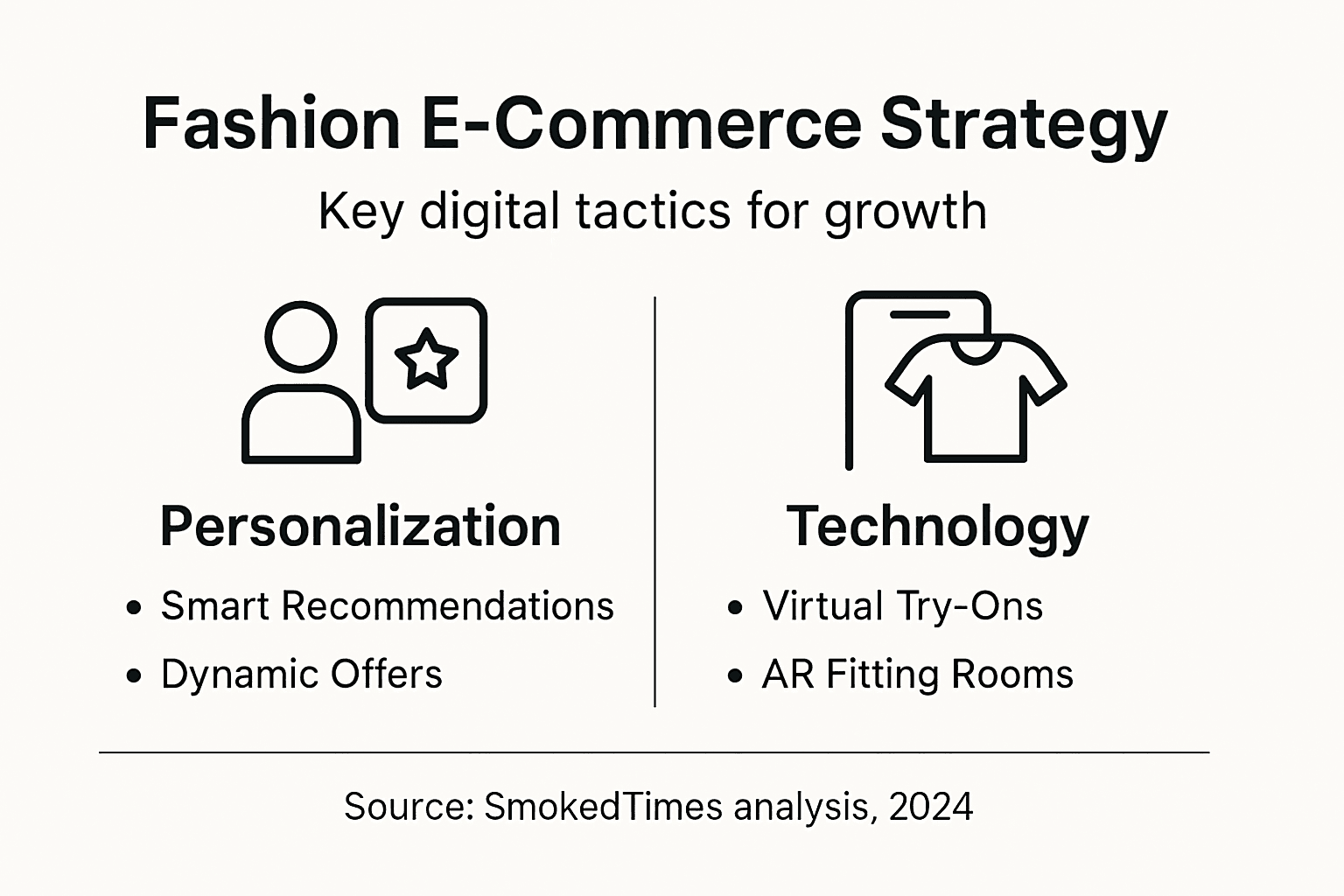
Technological innovation continues to reshape e-commerce fashion strategies, with augmented reality, virtual fitting rooms, and interactive product visualization becoming standard expectations rather than novelty features. Brands must invest in flexible technological infrastructure that allows rapid adaptation to emerging consumer behaviors. This means developing responsive design systems, implementing multiple payment options, and creating intuitive user interfaces that simplify the online shopping journey while providing rich, engaging product experiences.
Pro tip: Continuously test and optimize your digital customer journey, tracking key metrics like conversion rates and user engagement to identify and eliminate potential friction points in your online shopping experience.
Influencer marketing and social media trends
Social media has fundamentally transformed how fashion brands connect with consumers, with influencer marketing strategies evolving rapidly across digital platforms. The landscape has shifted dramatically from traditional Instagram dominance to emerging platforms like TikTok, where short-form video content and authentic storytelling now drive consumer engagement. Brands are increasingly recognizing that influencers are not just promotional tools, but critical partners in creating meaningful connections with target audiences.
The effectiveness of influencer marketing hinges on credibility and trust, with consumer purchase intentions deeply influenced by an influencer’s perceived authenticity. Modern fashion brands are moving beyond follower count, focusing instead on micro-influencers who demonstrate genuine connection with their audience. This approach allows for more targeted, niche marketing that resonates more deeply with specific consumer segments, particularly among younger demographics who value relatability and transparent brand partnerships.
Technological advancements are continuously reshaping influencer marketing dynamics. Artificial intelligence and advanced analytics now enable brands to measure influencer performance with unprecedented precision, tracking metrics beyond traditional engagement rates. Brands are developing sophisticated strategies that integrate influencer content seamlessly across multiple platforms, creating cohesive narratives that extend beyond single social media channels. The most successful approaches blend data-driven insights with creative storytelling, transforming influencer marketing from a simple promotional tactic to a nuanced communication strategy.
Pro tip: Prioritize long-term relationships with influencers who genuinely align with your brand values, focusing on creating authentic content that provides real value to your audience rather than pursuing short-term viral moments.
Risks, challenges, and common mistakes to avoid
Digital marketing in fashion confronts numerous complex challenges, with digital marketing risks presenting significant strategic hurdles for brands. Overreliance on artificial intelligence tools can lead to impersonal customer experiences, while signal loss and tracking complexities create substantial obstacles in audience targeting and campaign measurement. Marketers must develop nuanced approaches that balance technological innovation with genuine human insight, avoiding the trap of treating digital platforms as one-size-fits-all solutions.
Consumer perception represents another critical challenge in digital fashion marketing. Digital fashion challenges frequently stem from aesthetic concerns and uncertainty about virtual product value. Brands often struggle to overcome consumer hesitation, particularly when introducing innovative digital experiences that deviate from traditional shopping models. This requires carefully crafted strategies that demonstrate tangible value, build trust, and create compelling narratives around digital fashion offerings.
Technological adaptation presents ongoing risks for fashion brands navigating the digital landscape. Common mistakes include rigid technological implementations, insufficient staff training, and failure to continuously update digital marketing skills. Successful brands recognize that digital marketing is not a static discipline but a dynamic ecosystem requiring constant learning, experimentation, and strategic flexibility. This means investing in continuous education, maintaining technological agility, and developing adaptive frameworks that can quickly respond to emerging trends and consumer behaviors.
Pro tip: Conduct regular digital marketing audits to identify potential blind spots, tracking both technological capabilities and human skill gaps to ensure your strategies remain both innovative and authentically connected to consumer needs.
Here’s a summary of common risks and challenges in digital fashion marketing:
| Risk or Challenge | Business Impact | Suggested Solution |
|---|---|---|
| Overreliance on automation | Reduced customer connection | Blend tech with human insight |
| Signal loss | Inaccurate targeting and analytics | Update tracking strategies |
| Rigid tech adoption | Slow response to market changes | Invest in flexible systems |
| Skill gaps | Outdated marketing practices | Continuous staff training |
Elevate Your Fashion Digital Marketing with SmokedTimes
Navigating the evolving world of digital marketing in fashion requires more than just innovative ideas. It demands a seamless integration of technology and authentic consumer engagement. If you’re seeking apparel that embodies the very trends driving global digital fashion strategies, explore SmokedTimes — your destination for casual and winter clothing designed with style and comfort in mind.
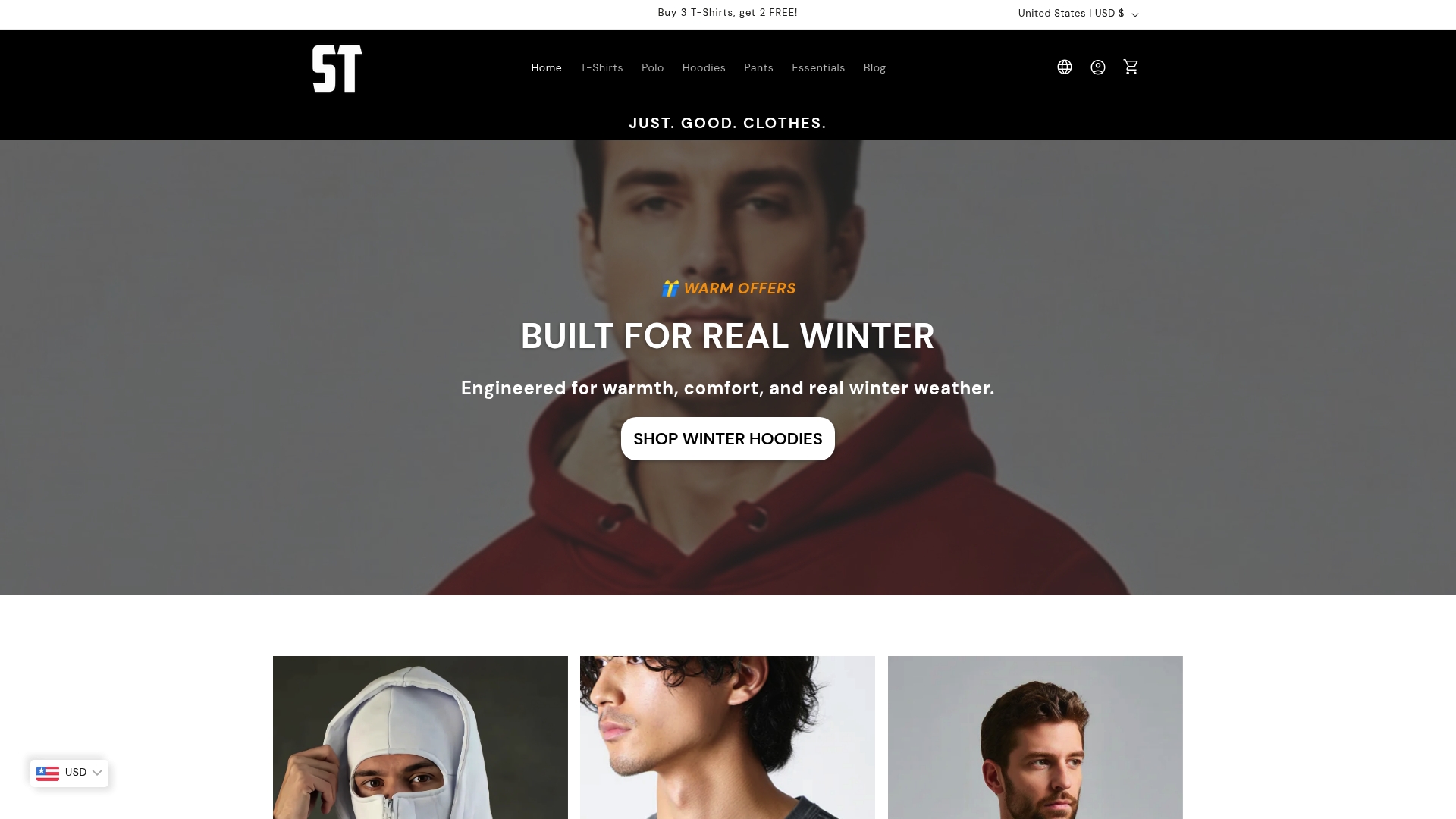
Experience firsthand how a compelling brand narrative and carefully curated collections like hoodies, pullovers, and T-shirts can connect with your lifestyle. Don’t wait to tap into the power of seasonal promotions and exclusive offers available now. Visit our platform to upgrade your wardrobe and see how strategic digital marketing translates into effortless shopping and great finds.
Frequently Asked Questions
How is digital marketing transforming the fashion industry?
Digital marketing is transforming the fashion industry by integrating advanced technologies and digital platforms to create immersive brand experiences, allowing brands to connect with consumers in innovative ways.
What are the major digital marketing channels used by apparel brands?
Apparel brands primarily leverage social media platforms like Instagram and TikTok, along with SEO, email marketing, and pay-per-click advertising to enhance brand visibility and audience engagement.
What strategies are essential for e-commerce fashion brands?
Essential strategies for e-commerce fashion brands include implementing customer-centric personalization, utilizing advanced analytics for targeted marketing, and embracing technologies like augmented reality for an enhanced shopping experience.
How can brands effectively utilize influencer marketing in fashion?
Brands can effectively utilize influencer marketing by prioritizing authentic relationships with influencers who resonate with their values, focusing on genuine storytelling, and leveraging data analytics to measure the efficacy of their campaigns.