


Step-by-Step Guide to Choosing Casual Wear for Style
Choosing what to wear every day can be a real challenge, especially when your week swings from laid-back weekends with friends to campus study sessions or coffee shop meetings across different cities. Balancing comfort with self-expression matters, and your clothes need to move with you, not against you. By focusing on matching your wardrobe to your actual lifestyle, you can build a casual collection of hoodies and tees that delivers both style and confidence through any season.
Table of Contents
- Step 1: Assess Your Lifestyle And Daily Activities
- Step 2: Define Your Preferred Casual Style
- Step 3: Select Fabrics And Seasonal Essentials
- Step 4: Compare Fits And Prioritize Comfort
- Step 5: Verify Outfit Combinations For Versatility
- Step 6: Finalize Your Choices With Seasonal Deals
Quick Summary
| Key Point | Explanation |
|---|---|
| 1. Assess Your Daily Activities | Examine your typical week to ensure your casual wear aligns with your real lifestyle and environment. |
| 2. Define Your Personal Style | Identify what casual means to you by exploring your preferences and looking at styles you admire. |
| 3. Choose Appropriate Fabrics | Different materials suit different seasons and activities; select fabrics that align with your comfort and climate. |
| 4. Prioritize Comfort and Fit | Ensure clothing fits well and allows movement; comfort should be your top priority when selecting casual wear. |
| 5. Verify Outfit Versatility | Test how well new pieces mix with your existing wardrobe to maximize outfit options for various occasions. |
Step 1: Assess your lifestyle and daily activities
Your casual wear should match the reality of your life, not some imaginary version of it. Before you buy anything, take a hard look at what your typical day actually involves. Are you working from home most days, or do you need to show up in person? Do you spend weekends hiking, studying, or hanging out with friends? The answer shapes everything.
Understanding how lifestyle influences fashion choices means getting specific about your routine. Write down your week: Monday through Sunday, morning through evening. Note the environments you move through. A graphic tee works great for casual hangouts, but it might not fit if you have client meetings on Tuesday afternoons. Your wardrobe shouldn’t fight against your actual life.
Consider the physical demands of your day too. If you’re constantly moving, lifting, or bending, you need fabrics that stretch and breathe. If you’re stationary most of the time, you have more flexibility with fit. Think about temperature swings. Do you jump between heated indoor spaces and cold outdoor air? Layering becomes critical. Hoodies work perfectly for this kind of versatility since you can throw them on and off as needed throughout your day.
Social settings matter just as much as practical ones. Casual dress codes should remain appropriate for your specific environments, whether that’s a coffee shop, campus, workplace, or friend’s house. You’re not overthinking this. You’re just matching your clothes to the life you actually live, which means you’ll feel comfortable and confident wearing them.
Pro tip: Keep a simple one-week log of your activities and note which of your current clothes worked best in each situation, then use those insights to guide your next casual wear purchases.
Step 2: Define your preferred casual style
Casual style isn’t one-size-fits-all. What feels right for you depends on your personality, comfort level, and how you want to present yourself. Spend a few minutes thinking about the vibe you actually want to give off, not the one you think you should give off.
Start by asking yourself what casual means to you personally. Does it mean minimalist basics like neutral tees and comfortable hoodies? Or do you gravitate toward bold graphics, interesting textures, and statement pieces? Casual style involves choosing clothes that feel relaxed and comfortable while reflecting your personality. Your casual wardrobe should make you feel like yourself, not like you’re wearing someone else’s idea of casual.
Think about the aesthetic that actually excites you. Look at photos of people whose style you admire. Save images on your phone of outfits that make you think “I’d wear that.” Notice patterns. Are you drawn to oversized fits or fitted silhouettes? Bright colors or earth tones? Vintage vibes or modern minimalism? Your genuine preferences matter more than trends. When you build a wardrobe around what you actually love, you’ll reach for those pieces consistently.
Consider how tone and approach influence personal style choices in your everyday life. The casualness you project through clothing carries weight. If you’re naturally laid-back and approachable, your casual style should reflect that authenticity. If you’re more reserved or professional, you might prefer structured basics over oversized pieces.
You might discover you have multiple casual styles depending on the context. That’s normal. Athleisure for workouts, streetwear for weekend hangouts, smart casual for coffee dates. The key is identifying your core preferences so you can build pieces that genuinely work together rather than random items collecting dust.
Pro tip: Create a Pinterest board or phone folder of 20 to 30 casual outfits you love, then analyze the common elements to identify your true style signature.
Step 3: Select fabrics and seasonal essentials
Fabric choice makes or breaks your casual wear comfort. Different materials feel completely different against your skin and perform wildly differently depending on the season. Take time to understand what works for your body and your climate.
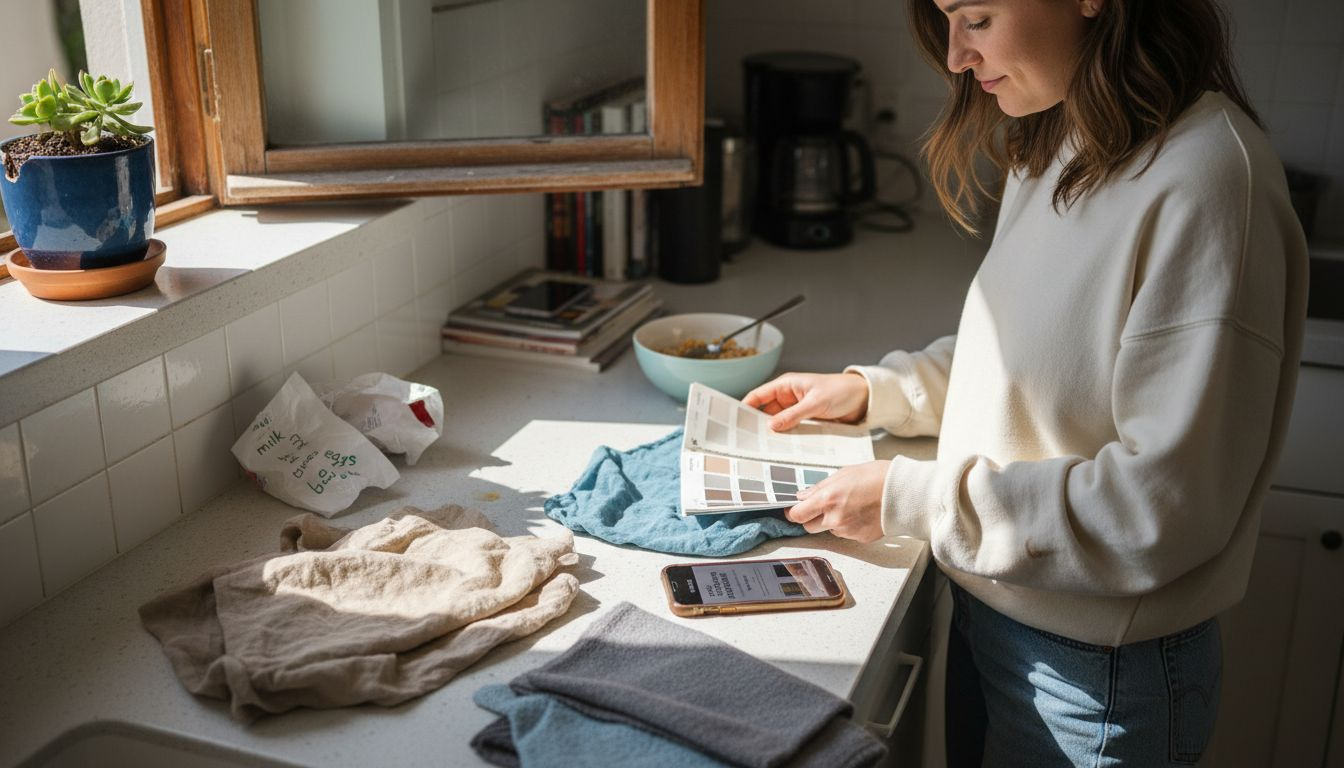
Start with understanding how fabrics behave. Cotton breathes beautifully in summer but can feel heavy when wet. Linen gets softer with every wash and offers excellent temperature regulation. Sustainable fabrics like organic cotton and hemp provide comfort while benefiting the environment. Blends combining natural and synthetic fibers can offer the best of both worlds. Feel different materials in your hands. Notice which ones make you actually want to wear them.
Here’s a summary of common fabric types and their ideal uses for casual wear:
| Fabric Type | Best For | Key Benefit |
|---|---|---|
| Cotton | All seasons | Breathable and versatile |
| Linen | Hot weather | Cool and lightweight |
| Fleece | Cold weather | Warmth and softness |
| Organic Cotton | Sustainability | Eco-friendly comfort |
| Cotton Blends | Year-round layering | Stretch and durability |
| Hemp | Mild climates | Strong and breathable |
Seasonal layering changes everything about fabric selection. Winter demands insulation and warmth retention, while summer needs breathability and moisture management. Materials with temperature responsive properties help your body adapt to climate changes throughout the day. Hoodies made from thicker cotton blends or fleece become your winter foundation. Lightweight tees in breathable fabrics work perfectly for warmer months. Spring and fall call for flexible options that layer easily without bulk.
Build seasonal essentials strategically. For winter, invest in quality hoodies that won’t pill after a few washes, heavyweight tees that provide enough insulation, and pieces that layer well together. Summer essentials should include breathable tees in various colors that won’t cling to your body when you sweat. Shoulder width and sleeve length matter more in lightweight fabrics since they hang differently.
Check fabric content labels carefully. Quality pieces usually blend materials thoughtfully. A 95 percent cotton, 5 percent elastane blend gives you durability plus stretch. Read how other people describe washing and wearing the piece. If countless reviews mention shrinking or fading, that tells you something important about long-term value.
Pro tip: Buy one quality piece in a fabric you love, wear it regularly for two weeks, then decide if that material deserves a bigger investment in your seasonal rotation.
Step 4: Compare fits and prioritize comfort
Fit is where casual wear gets real. A great style falls flat if the piece doesn’t actually fit your body. Stop trying to squeeze into sizes that look good on hangers and start choosing pieces that feel good on you.
Understand the basic fit categories first. Oversized pieces hang loosely and give you room to move. Fitted styles follow your body contours more closely. Slim fits taper through the arms and torso. Relaxed fits offer comfort without drowning you. Each style has its place depending on your body type and what you’re doing. An oversized hoodie might be perfect for lounging but awkward if you’re actively working. A fitted tee shows your silhouette but can feel restrictive if you need to move freely.
Compare these fit categories to help select what works best for you:
| Fit Category | Typical Look | Most Comfortable For |
|---|---|---|
| Oversized | Loose and relaxed | Lounging and layering |
| Fitted | Body-shaped | Showing silhouette, light action |
| Slim | Tapered and close | Active movement, modern style |
| Relaxed | Slightly loose | All-day wear, diverse body types |
When trying pieces on, actually move around. Raise your arms overhead. Bend down. Sit for a moment. Appropriately fitted casual wear allows ease of movement while maintaining a polished appearance. If your shoulders feel tight or you can’t comfortably lift your arms, the fit is wrong. If fabric bunches awkwardly at your waist or thighs, it’s not the right cut for your body.
Comfort wins every single time. You can have the most stylish piece in the world, but if you’re constantly adjusting it, tugging at it, or feeling self-conscious in it, you won’t wear it. Smart casual styling combines tailored and relaxed pieces to balance personal comfort with polished appearance. A well-fitted tee paired with hoodies you can actually breathe in creates outfits you’ll genuinely reach for.
Pay attention to length too. Tees should hit somewhere between your hip and mid-thigh. Hoodies should be long enough that they cover your rear when your arms are down. Sleeves should hit your wrist naturally when your arms relax at your sides. Small adjustments in length completely change how a piece feels and looks on your frame.
Pro tip: Keep three pieces in the same size and style from different brands and compare how each feels on your body, then use that brand as your baseline for future purchases.
Step 5: Verify outfit combinations for versatility
You’ve selected individual pieces that fit well and match your style. Now comes the crucial part: making sure they actually work together across multiple occasions. Versatility means getting maximum wear from each piece you own.
Start by laying out your new pieces and trying different combinations. A neutral hoodie should pair with multiple tees. Your casual tees should work with different bottoms. Mix and match to see what actually creates cohesive outfits. The goal is ensuring each item pulls its weight in your wardrobe. If you buy a piece that only matches one other item, it’s not versatile enough. If you buy pieces that coordinate with everything else, you multiply your outfit options instantly.
Understanding how clothing items complement each other creates aesthetically coherent ensembles suitable for various situations. A graphic tee works for casual hangouts but might not fit a coffee date with someone professional. A solid-colored hoodie layers over almost anything and works nearly everywhere. Think about the occasions you actually experience. Does your outfit work for your friend group, a family gathering, and a casual workplace? Or just one specific scenario?
Color coordination matters more than people realize. Neutral bases like black, white, gray, and navy pair with almost everything. Bolder colors need thoughtful pairing so they don’t clash. Creating versatile outfits involves considering how pieces work together holistically rather than in isolation. If you love a teal tee, does it work with your most-worn hoodies and bottoms? Can you style it multiple ways depending on your mood and occasion?
Test your combinations in real life. Wear the outfit you’re considering. Spend time in it. Move around. Sit down. See if it still feels right after a few hours. Does it work for the actual situations you face? Can you add a layer and still look intentional rather than bundled up? Can you remove something and still feel put together?
Pro tip: Photograph three complete outfits you create with your new pieces, then refer back to those photos whenever you need quick outfit inspiration.
Step 6: Finalize your choices with seasonal deals
You’ve done the hard work of assessing your lifestyle, defining your style, selecting quality fabrics, and verifying outfit combinations. Now it’s time to actually purchase your pieces strategically. Seasonal deals offer real savings if you time them correctly.
Understand when seasonal sales actually happen. End of season sales occur when retailers need to clear inventory to make room for upcoming collections. Winter sales typically peak in January and February. Summer clearance happens in July and August. Spring and fall sales follow similar patterns. Shopping during these windows means you get better prices on exactly what you need. Buying winter hoodies in September costs more than buying them in January when retailers are desperate to move stock.
Strategic shopping during seasonal sales involves understanding production cycles and market timing to maximize value. Before you shop, know exactly what pieces you need. Don’t get distracted by sale prices on items that don’t fit your lifestyle or style preferences. A hoodie on 40 percent off is only a good deal if you actually want it. Stick to your plan and avoid impulse purchases that derail your wardrobe strategy.
Check multiple retailers during sale periods. Different brands have different sale calendars and discount strategies. One shop might offer 30 percent off hoodies while another offers 50 percent off tees. Compare prices across platforms to find the best deals on the specific pieces you want. Sign up for email alerts so you know when your favorite stores are having sales.
Category planning and seasonal analysis help optimize shopping timing for maximum savings. Read reviews before purchasing, especially during sales when return windows might be tighter. Check fabric content one more time. Verify sizing charts since different brands vary significantly. A great deal becomes a bad deal if the piece doesn’t fit properly or falls apart after three washes.
Pro tip: Create a spreadsheet of the specific pieces you need with acceptable price ranges, then wait for sales to match those targets rather than shopping whenever items go on sale.
Build Your Perfect Casual Wardrobe with Smoked Times
Finding casual wear that fits your lifestyle, matches your style preferences, and feels comfortable can be challenging. This guide walks you through understanding your daily needs, selecting the right fabrics, and ensuring your outfits work for multiple occasions. If you want to simplify this process and invest in versatile, comfortable pieces, start with our collection of Cotton T-Shirts and Essentials. These carefully curated selections offer breathable fabrics and fits that lend themselves to layering and everyday wear.
Take control of your casual style today and embrace the confidence that comes with clothing made for your life. Visit smokedtimes.com now for exclusive deals and seasonal offers on hoodies, tees, and more. Start building outfits you love with pieces designed to move with you and keep you comfortable no matter the season.
Frequently Asked Questions
How can I assess my lifestyle to choose the right casual wear?
To assess your lifestyle, write down your weekly activities and environments. Consider how often you work from home, engage in outdoor activities, or attend social events, and use this information to guide your casual wear purchases accordingly.
What are some key factors to consider when defining my preferred casual style?
Consider your personality and how you want to present yourself. Look at outfits you admire, noting patterns in colors, fits, and textures that resonate with you, in order to build a wardrobe that feels authentic and exciting.
How do I select the right fabrics for my casual wear?
Choose fabrics that suit the climate and your comfort needs. Focus on breathable materials for summer and insulating options for winter, and experiment with different fabrics to understand which ones you prefer and how they perform.
What should I keep in mind when comparing fits for casual clothing?
Prioritize comfort and movement when trying on fits. Assess how each piece feels during everyday activities, like lifting your arms or sitting, and choose styles that fit well and allow ease of movement to enhance your overall comfort.
How can I ensure my casual wear combinations are versatile?
Try mixing and matching your chosen pieces to see how they work together. Aim for outfits that can be styled in different ways for various occasions, ensuring each item pairs well with others for maximum wear.
When is the best time to finalize my choices for seasonal deals?
Plan to shop during end-of-season sales when retailers lower prices to clear inventory. Make a list of your needed items and wait for sales that match your preferences; this strategy helps you save money on quality pieces.