


Role of Layering in Fashion: Style, Comfort, Versatility
Layering has become the ultimate style weapon for young trendsetters, with more than 65 percent of American shoppers now mixing casual winter apparel for both comfort and edge. Mastering the art of layering is essential for anyone who wants to stand out and stay warm, especially when daily winter outfits demand versatility. This guide reveals strategic ways to create dynamic looks, mixing textures and colors like an American street-style icon while maximizing both style and coziness.
Table of Contents
- Layering In Fashion Explained Clearly
- Essential Types Of Layering Techniques
- Choosing Apparel For Effective Layering
- Layering For Style And Seasonal Comfort
- Mistakes To Avoid In Fashion Layering
Key Takeaways
| Point | Details |
|---|---|
| Layering is an art | Layering is a strategic approach to style that balances aesthetics, comfort, and functionality by combining different garment types. |
| Master the three layers | Incorporating a base, mid, and outer layer maximizes versatility and adaptability in outfits for various conditions. |
| Focus on fabric and fit | Choosing the right fabrics for each layer is crucial for comfort and style, while ensuring each piece fits well enhances overall appearance. |
| Avoid common mistakes | Being mindful of proportional balance, fabric compatibility, and color coordination prevents layering mishaps that can detract from your look. |
Layering in Fashion Explained Clearly
Layering transcends simple clothing combination—it represents a strategic approach to personal style that balances aesthetics, comfort, and functionality. Fashion experts define layering as the deliberate art of combining different garment types to create visually dynamic and adaptable outfits.
Historically, layering emerged as a practical necessity for managing temperature and protecting the body. What began as a survival technique has transformed into a sophisticated fashion statement. Fashion’s layering evolution demonstrates how clothing practices shift from purely functional requirements to expressions of personal identity and cultural creativity.
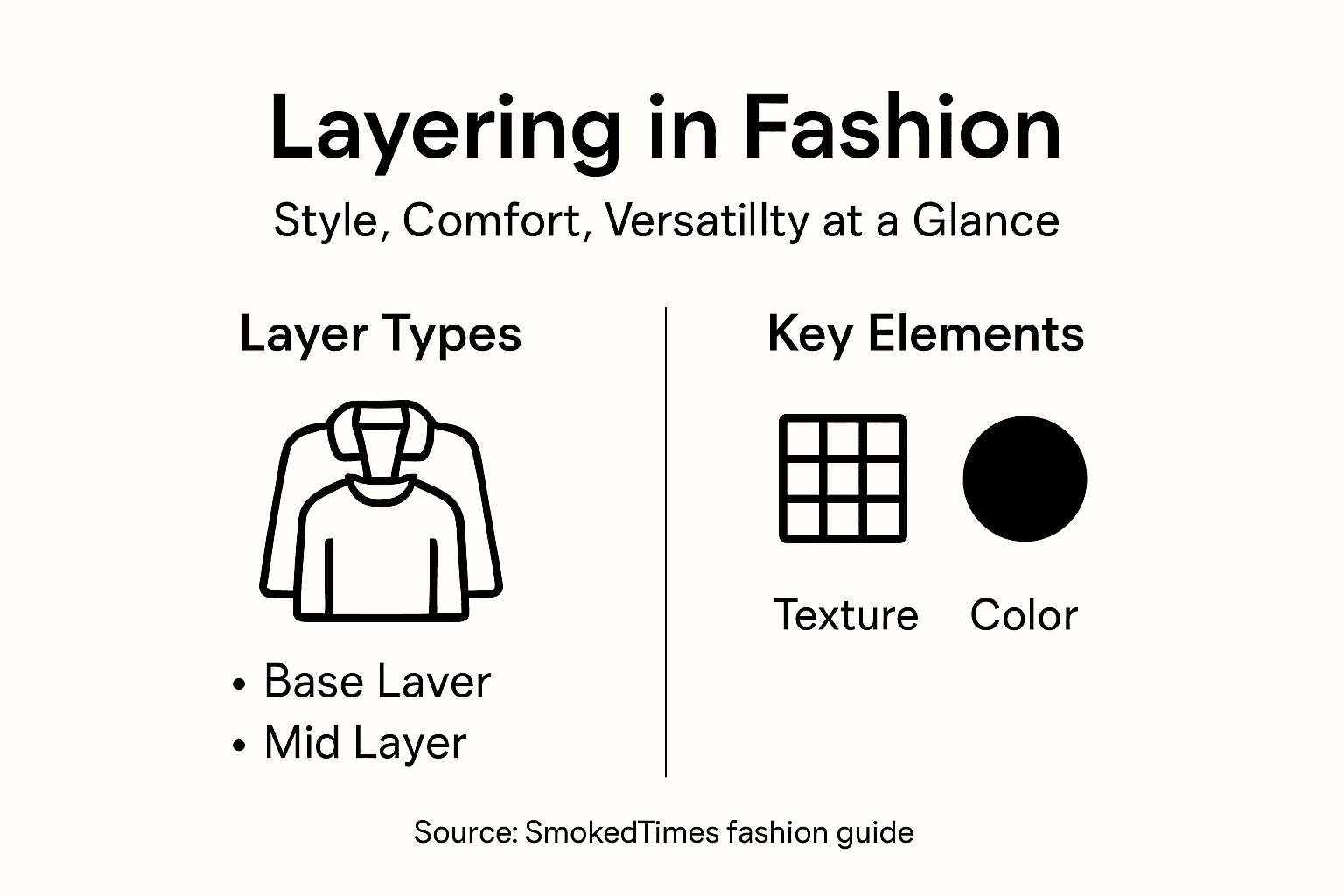
The core principles of effective layering involve understanding garment weights, textures, and color interactions. Successful layering requires strategic placement of base, mid, and outer layers that work harmoniously. Key considerations include:
- Base layer: Lightweight, moisture-wicking pieces that sit closest to the skin
- Mid layer: Insulating items like sweaters or light jackets
- Outer layer: Protective pieces that provide weather resistance and final style statement
Texture variation becomes critical in creating visual interest. Mixing smooth fabrics with chunky knits, or combining different material weights, can transform a basic outfit into a sophisticated ensemble. The goal is not just warmth, but creating a look that feels intentional and personally expressive.
Pro tip: Start building your layering skills by investing in versatile, neutral-toned base pieces that can mix and match seamlessly across multiple outfits.
Essential Types of Layering Techniques
Layering techniques represent a nuanced approach to creating dynamic, versatile outfits that go far beyond simple clothing stacking. Classic layering principles involve strategically combining different garment types to achieve both aesthetic appeal and functional comfort.
The fundamental layering approach typically follows a three-tier structure that provides maximum versatility and style adaptability:
-
Base Layer: Lightweight, form-fitting pieces that sit directly against the skin
- Thin t-shirts
- Fitted tank tops
- Smooth thermal underwear
-
Mid Layer: Insulating pieces that add warmth and visual interest
- Button-down shirts
- Light sweaters
- Cardigans
- Lightweight jackets
-
Outer Layer: Protective garments that complete the outfit and provide primary weather protection
- Coats
- Heavy jackets
- Blazers
- Windbreakers
Modern layering techniques emphasize texture and pattern interaction as crucial elements of successful outfit composition. Mixing different fabric weights and visual textures creates depth and visual intrigue. For instance, pairing a smooth silk blouse underneath a chunky wool sweater can transform a simple outfit into a sophisticated ensemble.
Color coordination plays an equally important role in layering. Successful techniques involve creating harmonious color palettes that allow each layer to complement without overwhelming the overall look. Neutral base colors with strategic accent pieces can help maintain a balanced and intentional appearance.
Pro tip: Invest in versatile, solid-colored base layers that can be easily mixed and matched across multiple layering combinations.
Choosing Apparel for Effective Layering
Fabric selection is the cornerstone of successful layering, determining both comfort and style in your outfit. Optimal layering strategies require careful consideration of each garment’s weight, fit, and functional properties to create a cohesive and adaptable ensemble.
The foundational approach to selecting layering apparel involves understanding the specific role of each garment type:
-
Base Layer: Closest to the skin, focusing on moisture management and comfort
- Ideal fabrics: Merino wool, lightweight cotton, moisture-wicking synthetics
- Key characteristics: Snug fit, breathable materials
- Primary function: Temperature regulation and moisture control
-
Mid Layer: Provides insulation and adds visual depth to the outfit
- Recommended materials: Wool sweaters, fleece, lightweight knits
- Optimal fit: Slightly looser than base layer, allowing air circulation
- Purpose: Trapping warmth while maintaining style flexibility
-
Outer Layer: Offers protection and serves as the visual statement piece
- Best choices: Tailored blazers, lightweight jackets, trench coats
- Focus on: Weather resistance and complementary color/texture
- Function: Final protective barrier with maximum style impact
Sustainable layering approaches emphasize selecting versatile pieces that transcend seasonal limitations. This means prioritizing timeless designs in eco-friendly fabrics like organic cotton and recycled materials that offer both environmental consciousness and style flexibility.
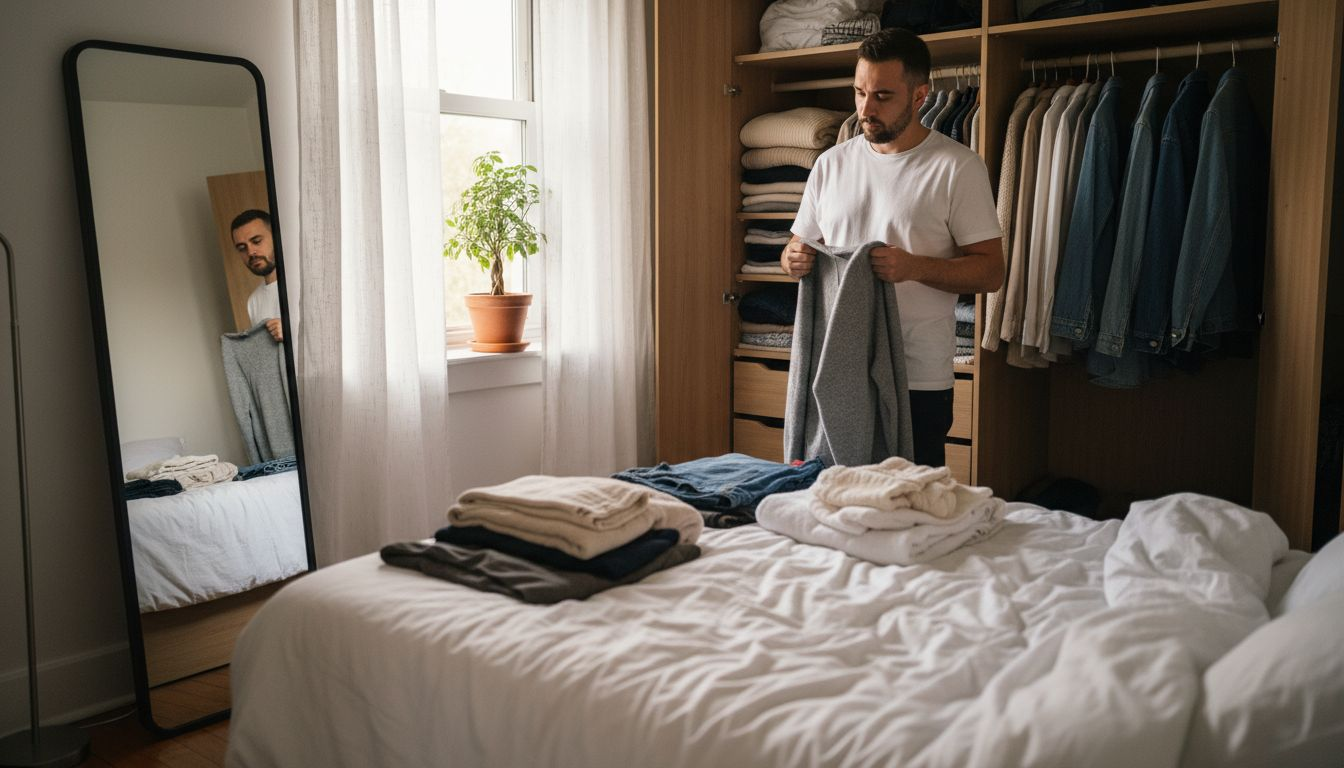
Color coordination and texture play crucial roles in creating a sophisticated layered look. Neutral base colors provide maximum versatility, while strategic accent pieces can transform a simple outfit into a statement ensemble. Mixing different fabric weights and textures adds visual intrigue and depth to your overall appearance.
This table summarizes how to pick ideal garments for each layering level:
| Layer | Key Qualities | Typical Fabrics | Primary Purpose |
|---|---|---|---|
| Base Layer | Breathable, moisture wicking | Merino wool, fine cotton | Comfort, sweat control |
| Mid Layer | Insulating, adds structure | Wool, fleece, knits | Warmth, shape |
| Outer Layer | Weather-resistant, stylish | Coated cotton, blends | Protection, fashion focal |
Pro tip: Invest in a capsule wardrobe of neutral, high-quality base layers that can be easily mixed and matched across multiple outfits and seasons.
Layering for Style and Seasonal Comfort
Seasonal layering transforms fashion from a simple clothing choice into an art form of personal expression and climate adaptation. Strategic layering techniques provide a dynamic approach to dressing that transcends traditional wardrobe limitations, offering unprecedented flexibility across changing environmental conditions.
The core philosophy of effective seasonal layering revolves around three fundamental principles:
-
Temperature Adaptability
- Ability to add or remove pieces as temperature fluctuates
- Maintaining personal comfort without compromising style
- Creating outfit versatility through strategic garment selection
-
Visual Complexity
- Introducing depth through texture and color variations
- Balancing proportions and silhouettes
- Using contrasting fabrics to create visual intrigue
-
Functional Versatility
- Transitioning seamlessly between indoor and outdoor environments
- Accommodating rapid temperature changes
- Maximizing wardrobe potential through mix-and-match strategies
Year-round fashion strategies emphasize the importance of understanding fabric interactions and color harmonization. Successful layering requires a nuanced approach that considers not just warmth, but also aesthetic cohesion. This means selecting pieces that complement each other in weight, texture, and visual tone, creating ensembles that feel intentional and sophisticated.
Color selection plays a critical role in seasonal layering. Neutral base tones provide maximum versatility, while strategic accent pieces can transform a mundane outfit into a statement look. The key is maintaining a balanced color palette that allows for easy mixing and matching across different garments and seasons.
Pro tip: Invest in a core collection of lightweight, neutral-toned base layers that can be easily combined and adapted to create multiple outfit variations.
Mistakes to Avoid in Fashion Layering
Fashion layering requires precision and thoughtful strategy to achieve a polished look. Common layering mistakes can quickly transform a potentially stylish outfit into a fashion disaster, undermining your entire aesthetic approach.
The most critical errors in layering fall into several key categories:
-
Proportional Disasters
- Overwhelming smaller frames with bulky layers
- Creating visually imbalanced silhouettes
- Failing to understand body shape and appropriate layer lengths
-
Fabric Incompatibility
- Mixing fabrics with conflicting textures
- Combining materials that create uncomfortable friction
- Ignoring fabric weight and seasonal appropriateness
-
Color and Style Clashes
- Randomly combining colors without cohesive strategy
- Mixing incompatible style genres
- Neglecting overall visual harmony
Precise fit is paramount in successful layering. Oversized pieces can quickly transform from stylish to sloppy, while pieces that are too tight restrict movement and create unflattering visual lines. The goal is to create a seamless, intentional look that moves with your body and maintains clean, sharp edges.
Color coordination demands nuanced attention. While experimenting with color can be exciting, understanding complementary tones and avoiding jarring combinations is crucial. Neutral base layers provide flexibility, allowing more adventurous accent pieces to shine without overwhelming the entire ensemble.
Here’s a quick comparison of common layering mistakes and how to avoid them:
| Mistake Type | Description | How to Avoid |
|---|---|---|
| Proportional Imbalance | Layers overwhelm or hide body shape | Balance slim and bulky pieces |
| Fabric Incompatibility | Uncomfortable or clashing fabric mixes | Choose fabrics that layer smoothly |
| Color/Style Clash | Uncoordinated colors or genres | Stick to a unified palette |
| Poor Fit | Layers are too tight or sloppy | Aim for tailored, flexible fits |
Pro tip: Always do a “mirror check” before leaving home, ensuring each layer contributes to a balanced, intentional overall appearance.
Elevate Your Layering Game with Stylish Comfort from SmokedTimes
Mastering the art of layering means balancing style, comfort, and versatility while avoiding common pitfalls like poor fit and fabric clashes. If you want to build a wardrobe that supports seamless temperature adaptability and enhances your personal expression, paying attention to quality casual and winter apparel is key. At SmokedTimes, we understand the challenges of finding perfect base layers, mid layers, and outerwear that coordinate effortlessly without compromising comfort.

Discover our premium selection of hoodies, pullovers, and T-shirts designed for ideal layering. Whether you seek moisture-wicking base pieces or statement outer layers, shop now at SmokedTimes and take advantage of exclusive seasonal bundle offers. Start creating versatile outfits that move with you and reflect your style with confidence today.
Frequently Asked Questions
What are the key principles of effective layering in fashion?
Effective layering involves understanding garment weights, textures, and color interactions. It requires a balance of base, mid, and outer layers that work together harmoniously.
How can I choose the right fabrics for each layer in my outfit?
For the base layer, focus on breathable and moisture-wicking fabrics like merino wool or lightweight cotton. The mid layer should consist of insulating materials like wool or fleece, while the outer layer should prioritize weather resistance and style, choosing options like structured blazers or lightweight jackets.
What are some common layering mistakes to avoid?
Common mistakes in layering include creating proportional imbalances, mixing incompatible fabrics, using clashing colors, and wearing pieces that are either too tight or too loose. Aim for a balanced silhouette and cohesive color palette.
How can I ensure my layered outfits are suitable for changing temperatures?
To adapt to temperature changes, select lightweight base layers that can be easily added or removed. Arrange layers strategically to maintain personal comfort while allowing for visual intrigue, ensuring each piece complements the overall look.