


Slow Fashion Explained: A Smarter Way to Shop
Most american shoppers buy nearly twice as much clothing as a decade ago, yet so many garments end up in landfills each winter. This matters because every purchase shapes global resource use and impacts the environment, especially when fast fashion dominates the market. If you want stylish, casual winter apparel that reflects your values, understanding slow fashion principles will help you make sustainable choices and spot common misconceptions that influence your wardrobe.
Table of Contents
- Slow Fashion Core Concept And Misconceptions
- Types Of Slow Fashion Approaches
- Key Principles: Quality, Ethics, Sustainability
- How Slow Fashion Supports Mindful Consumption
- Slow Fashion’s Costs, Limitations, And Alternatives
Key Takeaways
| Point | Details |
|---|---|
| Slow Fashion Redefines Consumption | Slow fashion encourages viewing clothing as long-term investments focused on quality, ethics, and sustainability. |
| Mindful Purchasing Practices | Consumers should prioritize intentional purchasing decisions by considering garment longevity and ethical production. |
| Addressing Misconceptions | Slow fashion is often mischaracterized as expensive, but it promotes transparent practices and supports local artisans. |
| Exploring Alternatives | Creative consumption models like clothing rental and second-hand markets provide accessible options for sustainable fashion. |
Slow Fashion Core Concept and Misconceptions
Slow fashion represents a transformative approach to clothing consumption that challenges the destructive patterns of traditional fast fashion. Sustainable fashion solutions fundamentally reimagine how we design, produce, consume, and utilize clothing by prioritizing quality over quantity.
At its core, slow fashion is about disrupting the standard industrial fashion model. Traditional fast fashion operates on rapid production cycles, generating low-cost disposable garments that quickly become waste. In contrast, slow fashion emphasizes ethical manufacturing, extended garment lifecycle, and environmental responsibility. It encourages consumers to view clothing as long-term investments rather than temporary trend-driven purchases.
Most people misunderstand slow fashion as simply being expensive or impractical. However, the movement challenges existing business paradigms by promoting transparency, fair labor practices, and reduced environmental impact. Key characteristics include supporting local artisans, using eco-friendly materials, understanding supply chain dynamics, and making conscious purchasing decisions that transcend momentary style trends.
Pro Tip: Start building your slow fashion wardrobe by investing in 2-3 high-quality, versatile pieces that can be mixed and matched across multiple outfits, reducing overall clothing consumption.
Here’s how key slow fashion principles differ from fast fashion:
| Principle | Slow Fashion Approach | Fast Fashion Approach |
|---|---|---|
| Production Speed | Deliberate and small-scale | Rapid, mass-production |
| Garment Lifespan | Designed for longevity | Short, trend-driven |
| Labor Practices | Prioritizes fair wages | Often lacks labor transparency |
| Environmental Impact | Minimizes resource use | High waste and pollution |
Types of Slow Fashion Approaches
Slow fashion encompasses several distinct yet interconnected approaches that challenge traditional clothing production and consumption models. Bottom-up solutions are emerging as powerful strategies to transform how we think about and interact with clothing.
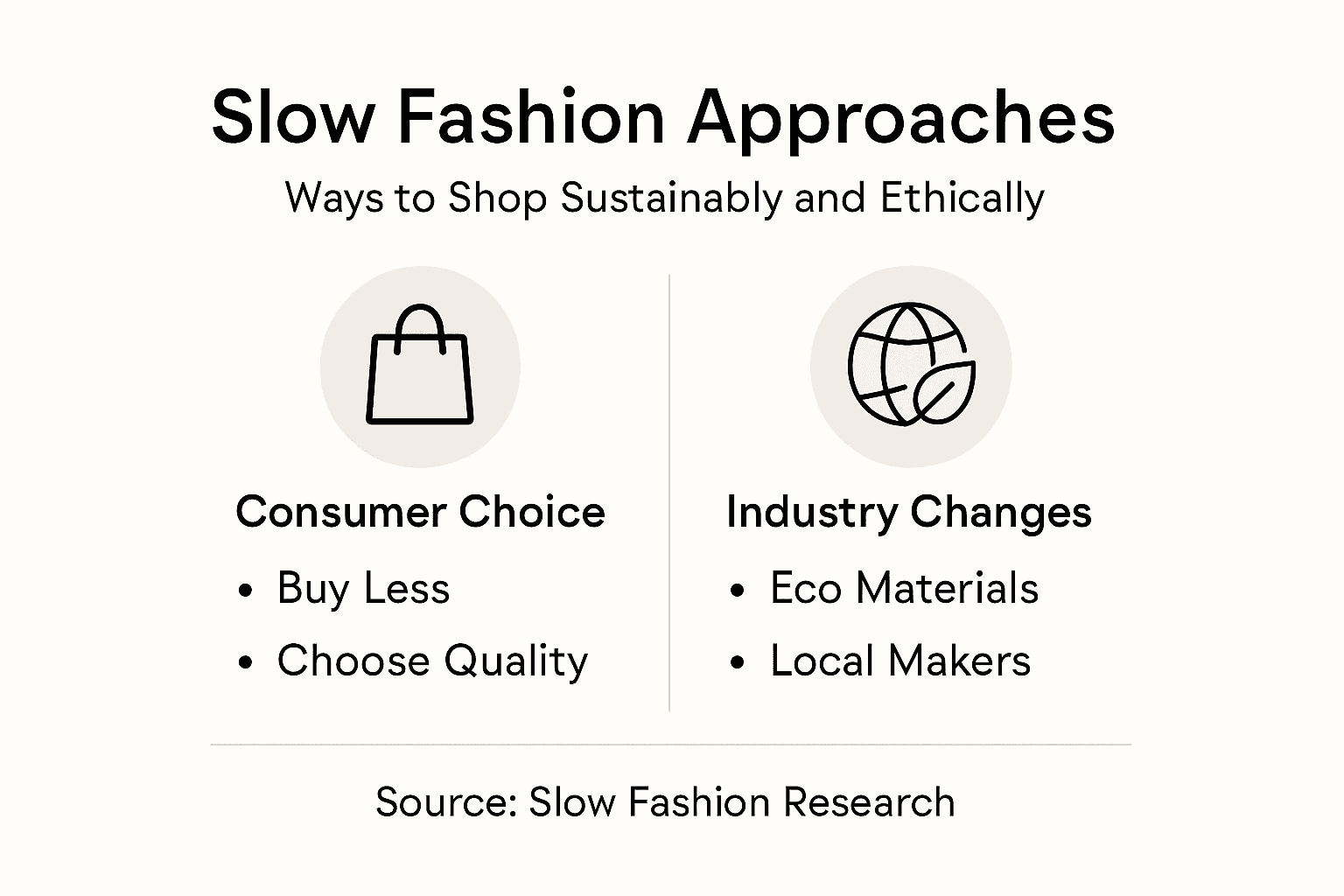
The primary approaches to slow fashion can be categorized into consumer-driven and industry-driven methods. Consumer-driven strategies include wardrobe audits, social marketing, and consumer education, which empower individuals to make more conscious purchasing decisions. These approaches focus on helping people understand the environmental and social impacts of their clothing choices, encouraging mindful consumption and extending garment lifespans.
Sustainable fashion approaches include several key methodologies: local artisan production, eco-friendly material selection, ethical labor practices, and upcycling. Each method addresses different aspects of fashion’s environmental and social challenges. Local artisan production supports community economies and preserves traditional craftsmanship. Eco-friendly material selection reduces environmental impact by choosing sustainable fabrics like organic cotton, recycled polyester, and innovative biomaterials. Ethical labor practices ensure fair wages and safe working conditions for garment workers. Upcycling transforms existing materials into new clothing, dramatically reducing waste and extending resource lifecycles.
Pro Tip: Start your slow fashion journey by conducting a personal wardrobe audit, identifying versatile pieces you already own and understanding which items can be repaired, redesigned, or responsibly recycled.
Key Principles: Quality, Ethics, Sustainability
Slow fashion is fundamentally built on three interconnected pillars that transform traditional clothing production. Sustainable principles challenge consumers to rethink their relationship with clothing by prioritizing intentional, responsible consumption.
The first principle, quality, represents a radical departure from fast fashion’s disposable model. Instead of purchasing multiple cheap garments that quickly deteriorate, slow fashion advocates investing in well-crafted pieces designed to last years or even decades. This approach means selecting clothing made with superior materials, impeccable construction, and timeless design that transcends seasonal trends. Quality extends beyond physical durability to include emotional longevity - creating pieces that maintain personal significance and aesthetic appeal over time.
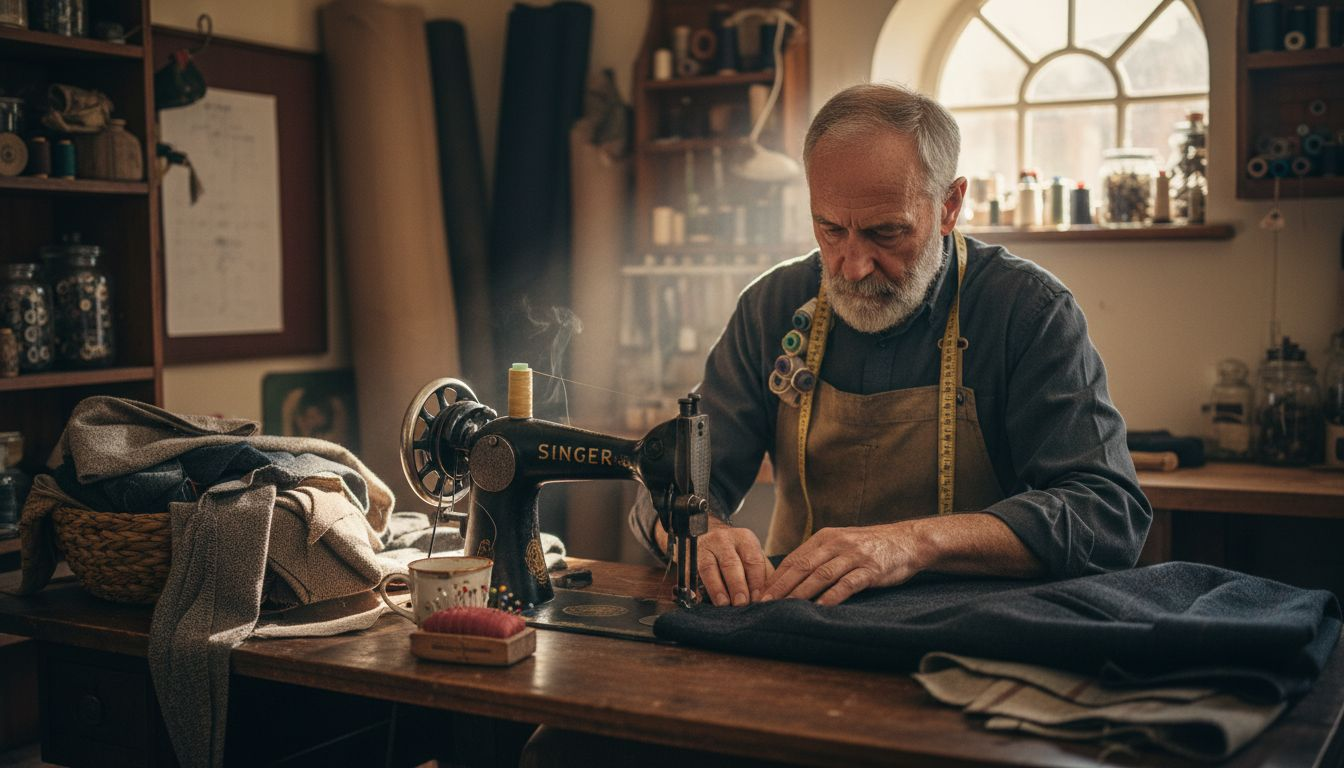
Ethical manufacturing practices form the second critical principle, addressing the human element of clothing production. This involves ensuring fair wages, safe working conditions, and respectful treatment for garment workers worldwide. Ethical slow fashion demands transparency throughout the supply chain, challenging brands to demonstrate genuine commitment to worker welfare and challenging consumers to care about the human stories behind their clothing. The approach recognizes that true sustainability cannot exist without social responsibility, creating a holistic framework that values both environmental and human resources.
Pro Tip: Before purchasing a new clothing item, ask yourself three questions: Will I wear this at least 30 times? Is it made by a company with transparent labor practices? Can this piece be easily repaired or recycled?
How Slow Fashion Supports Mindful Consumption
Sustainable consumption practices represent a transformative approach to how we interact with clothing, challenging traditional patterns of rapid purchase and disposal. Slow fashion emerges as a powerful framework for reimagining our relationship with personal style and material consumption.
Mindful consumption in slow fashion begins with a fundamental shift in perspective. Rather than viewing clothing as disposable commodities, consumers learn to see garments as valuable investments with long-term significance. This approach means prioritizing quality over quantity, selecting pieces that not only look good but also align with personal values of environmental responsibility and ethical production. By making deliberate, thoughtful purchasing decisions, individuals can dramatically reduce their fashion-related environmental footprint and support more sustainable industry practices.
Ethical consumption strategies extend beyond individual purchases to encompass broader behavioral changes. This includes developing skills like clothing repair, participating in second-hand markets, and supporting brands with transparent supply chains. The movement encourages consumers to view their wardrobe as a curated collection of meaningful pieces rather than a constantly rotating inventory of trendy but disposable items. By fostering a deeper connection with clothing, slow fashion transforms consumption from a mindless activity into a conscious, intentional practice that respects both human and environmental resources.
Pro Tip: Track your clothing purchases for one month, noting the origin, materials, and potential longevity of each item to develop a more mindful approach to your personal fashion ecosystem.
Slow Fashion’s Costs, Limitations, and Alternatives
Slow fashion’s market challenges reveal complex barriers that prevent widespread adoption of sustainable clothing practices. While the movement represents an important shift in consumer consciousness, practical limitations prevent immediate, universal transformation of the fashion industry.
The most significant obstacle is cost. Sustainable clothing typically requires higher investment due to ethical labor practices, premium materials, and smaller production scales. Production costs are substantially higher when manufacturers prioritize worker welfare and use environmentally responsible materials. This economic reality creates an intention-behavior gap, where consumers recognize sustainability’s importance but struggle to afford slow fashion alternatives. Many individuals want to make responsible choices but find themselves constrained by limited budgets and the continued availability of cheaper fast fashion options.
Alternative consumption models emerge as creative solutions to these challenges. Clothing rental services, second-hand markets, and upcycling platforms provide more accessible pathways to sustainable fashion. These alternatives allow consumers to engage with slow fashion principles without bearing the full financial burden of purchasing new, ethically produced garments. By participating in circular economy models, individuals can reduce waste, extend clothing lifecycles, and support more sustainable consumption patterns without completely overhauling their existing wardrobe.
Below is a quick reference to alternative sustainable consumption models and their main benefits:
| Model | Main Benefit | Example/Detail |
|---|---|---|
| Clothing Rental | Reduces need for new clothing | Designer rentals for occasions |
| Second-Hand Markets | Extends garment lifespan | Thrift or consignment shops |
| Upcycling Platforms | Minimizes textile waste | Old clothing turned new styles |
Pro Tip: Start transitioning to slow fashion by allocating 20% of your clothing budget to second-hand, rental, or locally produced items, gradually increasing this percentage as you build a more sustainable wardrobe.
Embrace Slow Fashion with Quality Everyday Essentials
If you are ready to make mindful purchasing decisions and step away from fast fashion’s disposable cycle slow fashion offers a smarter way to shop by focusing on quality and ethics. At Smoked Times discover versatile pieces designed to last including our premium collection of Cotton T-Shirts crafted with comfort and durability in mind.
Start building a sustainable wardrobe today by choosing garments that support longevity and ethical manufacturing. Explore a range of casual and seasonal apparel at Smoked Times and enjoy special offers that help you invest in your style with purpose. Don’t wait transform your fashion habits now with thoughtful selections that make a positive impact.
Frequently Asked Questions
What is slow fashion?
Slow fashion is an approach to clothing consumption that emphasizes quality, ethics, and sustainability. It aims to disrupt the fast fashion model by prioritizing ethical manufacturing, prolonged garment lifespans, and reduced environmental impact.
How does slow fashion differ from fast fashion?
Slow fashion focuses on deliberate production, quality materials, and ethical labor practices, contrasting with fast fashion’s rapid, low-cost production cycles and disposable garments. Additionally, slow fashion encourages consumers to view clothing as long-term investments rather than temporary trends.
What are some practical tips for adopting slow fashion?
To embrace slow fashion, start by conducting a wardrobe audit to identify versatile pieces. Invest in high-quality, timeless clothing that can be mixed and matched, and consider repairing or upcycling existing garments instead of discarding them.
What challenges does slow fashion face?
One of the main challenges of slow fashion is its higher cost compared to fast fashion, due to ethical labor practices and quality materials. This creates an intention-behavior gap, where consumers may struggle to afford sustainable options despite recognizing their importance.