


7 Sustainable Apparel Options for Eco-Conscious Shoppers
Most American shoppers are surprised to learn that sustainable fabrics like organic cotton use about 88% less water than conventional options. Globally, eco-conscious young adults are searching for winter apparel that feels great, looks stylish, and supports ethical fashion practices. This guide highlights material choices, certifications, and brands empowering you to build a wardrobe that matches your values without sacrificing comfort or style.
Table of Contents
- 1. Choose Organic Cotton For Winter Comfort
- 2. Look For Recycled Polyester And Fabrics
- 3. Select Apparel From Fair Trade Certified Brands
- 4. Opt For Natural Dyes And Low-Impact Prints
- 5. Shop For Timeless Styles To Reduce Waste
- 6. Explore Vegan And Cruelty-Free Clothing Materials
- 7. Support Brands With Transparent Supply Chains
Quick Summary
| Takeaway | Explanation |
|---|---|
| 1. Choose Organic Cotton for Comfort | Organic cotton is warmer and more breathable than conventional cotton, making it ideal for winter clothing while supporting sustainability. |
| 2. Look for Recycled Fabrics | Selecting recycled polyester supports circular economy practices and reduces environmental impact from apparel production. |
| 3. Prioritize Fair Trade Certifications | Buying from fair trade certified brands ensures safe working conditions and fair wages for workers involved in textile production. |
| 4. Opt for Natural Dyes | Natural dyes reduce environmental harm and support local craftsmanship compared to synthetic dyeing methods. |
| 5. Support Transparent Brands | Brands with transparent supply chains foster accountability and ethical practices in the fashion industry, influencing positive change. |
1. Choose Organic Cotton for Winter Comfort
Winter demands clothing that keeps you warm while respecting the planet. Organic cotton offers a sustainable solution for eco-conscious shoppers seeking comfortable winter apparel.
Unlike conventional cotton, organic cotton eliminates synthetic pesticides and harmful chemicals from the production process. This approach supports healthier ecosystems and significantly reduces environmental pollution. Organic cotton farming uses approximately 88% less water and 62% less energy compared to traditional methods, making it a powerful choice for sustainable winter wear.
The benefits extend beyond environmental impact. Organic cotton fibers are softer, more breathable, and less irritating to sensitive skin. Its natural properties make it an ideal fabric for winter clothing, providing warmth without synthetic treatments. The hypoallergenic nature means less skin irritation and more comfort during cold months.
When shopping for winter clothing, look for certifications like Global Organic Textile Standard (GOTS) to ensure authentic organic cotton products. These certifications guarantee that the entire production process meets strict environmental and social responsibility standards.
Pro tip: Layer your organic cotton pieces for maximum warmth and versatility during winter, combining comfort with sustainable fashion choices.
2. Look for Recycled Polyester and Fabrics
Sustainable fashion starts with understanding how waste can be transformed into wearable solutions. Recycled polyester offers an innovative approach to reducing environmental impact in apparel production.
Recycled polyester transforms discarded plastic bottles into high performance textile fibers. This process dramatically reduces energy consumption and greenhouse gas emissions compared to traditional virgin polyester manufacturing. By choosing recycled polyester, you support a circular economy model that minimizes waste and conserves natural resources.
European manufacturers are pioneering advanced recycled fabric technologies that go beyond environmental benefits. These innovative materials often provide enhanced durability and antimicrobial properties. The fabric production process uses significantly less water and energy while preventing plastic waste from entering landfills or oceans.
When shopping for winter apparel, look for certifications like Global Recycling Standard (GRS) or Recycled Claim Standard (RCS). These certifications ensure transparent and responsible sourcing of recycled materials. Prioritize brands that clearly communicate their commitment to sustainable fabric development and provide detailed information about their recycling processes.
Pro tip: Check clothing labels for recycled polyester content and research brands that transparently share their sustainability metrics to make informed purchasing decisions.
3. Select Apparel From Fair Trade Certified Brands
Making ethical fashion choices goes beyond personal style it means supporting human dignity worldwide. Fair trade certifications represent a commitment to responsible and transparent manufacturing practices.
Fair trade certified brands undergo rigorous third party verification processes that ensure safe working conditions, fair wages, and the prevention of child labor. These certifications guarantee that workers receive compensation that supports sustainable community development and protects fundamental human rights throughout the global apparel supply chain.
When shopping for sustainable winter clothing, look for recognized certifications from organizations like Fair Trade USA, the World Fair Trade Organization, and the Fair Trade Federation. These labels indicate that your purchase directly contributes to improving workers lives and supporting community development projects. European ethical clothing brands have been particularly progressive in implementing transparent supply chains and detailed environmental impact reporting.
By choosing fair trade certified apparel, you are not just buying clothing you are voting with your wallet for better global labor practices. Each purchase helps fund community projects, supports worker education, and promotes social justice in textile manufacturing regions.
Pro tip: Research brand websites and look for detailed fair trade certification information before making a purchase to ensure your clothing truly supports ethical manufacturing practices.
4. Opt for Natural Dyes and Low-Impact Prints
The colors we wear tell a story beyond fashion they reflect our environmental commitment. Natural dyes offer an eco friendly alternative to synthetic textile coloration methods that harm our planet.
Traditional synthetic dyes consume massive amounts of water, energy, and toxic chemicals during production. In contrast, natural dyes derived from plants, minerals, and renewable sources provide a sustainable approach to textile coloration. Recent innovations have expanded natural dyeing techniques, improving color consistency and reducing environmental impact.
Historic plant based dyes like indigo, madder, and weld are experiencing a renaissance in sustainable fashion. These natural colorants not only provide beautiful hues but also connect clothing production to local ecosystems and traditional craftsmanship. By choosing apparel with natural dyes, you support artisan skills and reduce reliance on petroleum based synthetic colorants.
When shopping for sustainably dyed clothing, look for transparency in the dyeing process. Seek brands that disclose their natural dyeing methods, emphasize non toxic processes, and demonstrate commitment to reducing environmental harm. Some innovative brands are now using biomordants and low impact extraction techniques to enhance color fastness and minimize ecological footprint.
Pro tip: Research brands that showcase their natural dyeing processes and prioritize those using local, renewable resources for creating vibrant and environmentally responsible clothing.
5. Shop for Timeless Styles to Reduce Waste
The fashion industry generates massive textile waste, but your wardrobe choices can make a significant difference. Timeless fashion reduces clothing turnover and helps create a more sustainable future.
Timeless styles transcend fleeting trends by focusing on classic designs, neutral colors, and versatile pieces that remain stylish across seasons. These garments are intentionally crafted with superior materials and construction techniques, enabling longer wear and reducing the constant cycle of purchasing and discarding clothing that characterizes fast fashion.
When building a sustainable wardrobe, prioritize versatile pieces that can be mixed and matched across multiple outfits. Look for high quality materials like organic cotton, recycled polyester, and durable natural fibers. Choose neutral tones and classic cuts that remain stylish regardless of current fashion trends. Focus on garments with exceptional craftsmanship that can withstand repeated wear and maintain their shape and appearance.
Consider creating a capsule wardrobe with carefully selected pieces that work together seamlessly. Invest in fewer, higher quality items that will last longer and reduce overall textile waste. By selecting timeless clothing, you not only minimize environmental impact but also create a more intentional and sustainable personal style.
Pro tip: Before purchasing a new clothing item, ask yourself if you can style it at least three different ways and if it will remain relevant in your wardrobe for the next two to three years.
6. Explore Vegan and Cruelty-Free Clothing Materials
Your clothing choices can make a profound impact on animal welfare and environmental sustainability. Vegan fashion represents a compassionate approach to apparel production that eliminates animal derived materials.
Vegan clothing excludes traditional animal materials like leather, wool, silk, and fur in favor of innovative plant based and synthetic alternatives. These materials include organic cotton, hemp, Tencel, recycled polyester, and other cruelty free fabrics that support ethical manufacturing practices while minimizing environmental impact.
When shopping for vegan clothing, look for transparent material disclosures and certifications that verify the absence of animal products. Pay attention to fabric compositions and seek out brands that explicitly state their commitment to animal welfare. Some key vegan materials to explore include bamboo fabric, organic cotton, recycled nylon, and advanced plant based textiles that offer both sustainability and performance.
While not all vegan fabrics are equally sustainable, choosing plant based and recycled synthetic materials can significantly reduce your ecological footprint. Consider the entire lifecycle of the fabric including production methods, durability, and end of life disposal potential when making purchasing decisions.
Pro tip: Read clothing labels carefully and use smartphone apps that help identify vegan and cruelty free materials to make informed sustainable fashion choices.
7. Support Brands With Transparent Supply Chains
Consumer choices can transform the fashion industry one purchase at a time. Fashion transparency drives ethical change by holding brands accountable for their environmental and social practices.
Transparent supply chains reveal the complete journey of a garment from raw material sourcing to final production. Leading ethical brands provide detailed disclosures about material origins, manufacturing conditions, labor practices, and environmental impacts. These comprehensive insights help consumers make informed decisions that align with their values and support responsible clothing production.
When evaluating brand transparency, look for specific certifications and detailed reporting. Key indicators include third party verifications like Global Organic Textile Standard (GOTS), Fair Trade, and Fair Wear Foundation. These certifications demonstrate a brand commitment to sustainable and ethical manufacturing practices. Pay attention to brands that openly share information about their production facilities, worker conditions, carbon footprint, and material sourcing strategies.
By intentionally supporting brands with robust transparency, you contribute to a larger movement pushing the fashion industry toward greater accountability. Your purchasing power can incentivize companies to improve their environmental and social practices, ultimately driving systemic change in global apparel production.
Pro tip: Download transparency scorecards from organizations like Fashion Revolution and use them as a quick reference guide when evaluating clothing brands before making a purchase.
Below is a comprehensive table summarizing the sustainable fashion strategies discussed in the article, emphasizing eco-friendly materials, processes, and principles.
| Sustainable Practice | Implementation Details | Benefits |
|---|---|---|
| Organic Cotton | Use organic cotton for winter apparel to eliminate synthetic pesticides and harmful chemicals. | Contributes to ecological sustainability with reduced water and energy usage, gentle on skin. |
| Recycled Polyester | Opt for materials derived from recycled plastic, assess certifications like GRS for transparency. | Promotes waste reduction, supports the circular economy, and conserves natural resources. |
| Fair Trade Certifications | Choose brands certified by organizations like Fair Trade USA for transparency and ethical manufacturing. | Ensures fair compensation, safe conditions, and supports global community development. |
| Natural Dyes and Low-Impact Prints | Prefer clothing colored with natural dyes derived from renewable sources such as plants and minerals. | Reduces toxic chemical use, encourages artisan techniques, and lowers environmental impact. |
| Timeless Styles | Select versatile, high-quality apparel that maintains relevance beyond trends. | Supports longer use of clothing, reducing material waste and fostering a sustainable lifestyle. |
| Vegan and Cruelty-Free Materials | Avoid items containing animal-derived materials; explore innovative alternatives such as Tencel and hemp. | Reduces reliance on animal products, promotes compassionate and environmentally friendly fashion. |
| Transparent Supply Chains | Prioritize brands providing full production process disclosure and adhering to recognized standards. | Fosters accountability in fashion and enables consumers to make ethically aligned purchasing decisions. |
Embrace Sustainable Style With Comfortable Winter Apparel
Choosing sustainable clothing can feel overwhelming when you want warmth, comfort, and ethical production all at once. This article highlights key options like organic cotton, recycled polyester, and fair trade certifications that matter to eco-conscious shoppers who care about both the planet and their personal comfort. The challenge is finding apparel that blends these values with everyday style and practicality.
Discover our Hoodies Collection – Premium Oversized & Fleece Hoodies – Smoked Times featuring cozy designs made with quality materials that align with your desire for sustainable winter wear.
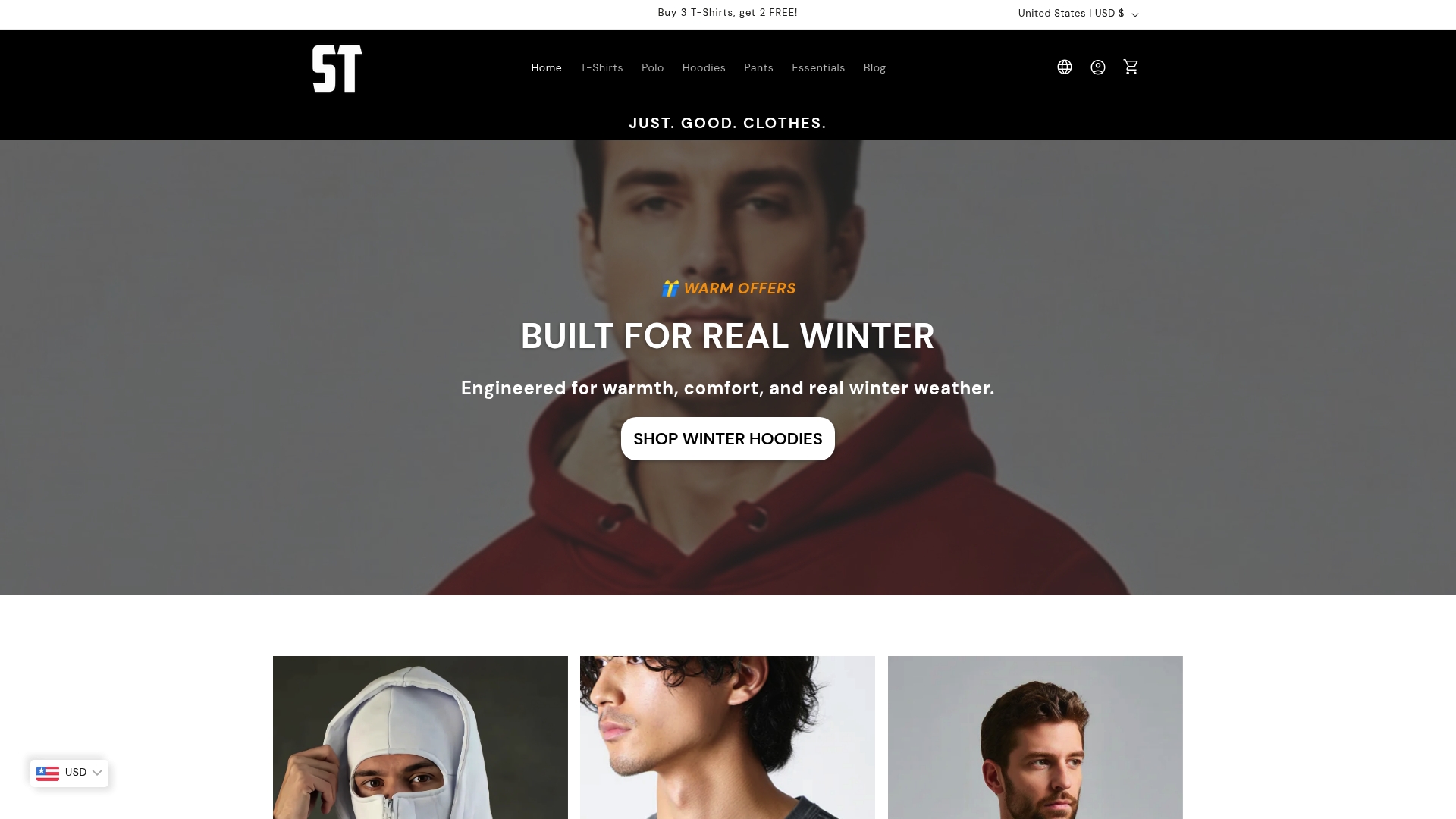
Start building a wardrobe filled with timeless, comfortable essentials from Essentials – Smoked Times and explore soft, breathable pieces from our Cotton T-Shirts – Smoked Times to enjoy sustainable clothing every day. Visit https://smokedtimes.com to shop now and join a movement that transforms your fashion choices into real environmental impact. Act today to wear your values confidently and comfortably.
Frequently Asked Questions
What are the benefits of choosing organic cotton for winter clothing?
Choosing organic cotton for winter clothing offers several benefits, including reduced environmental impact and greater comfort. Organic cotton is grown without synthetic pesticides and harmful chemicals, which contributes to overall ecosystem health. Additionally, its natural fibers are softer and more breathable, making them ideal for layering during the cold months.
How can recycled polyester help reduce my environmental footprint?
Recycled polyester helps reduce your environmental footprint by repurposing discarded plastic bottles into wearable textiles. This process significantly lowers energy consumption and greenhouse gas emissions compared to traditional polyester production. Opt for apparel made from recycled polyester to support a circular economy and minimize waste going to landfills.
What should I look for when buying fair trade certified apparel?
When buying fair trade certified apparel, look for labels from recognized organizations that ensure ethical manufacturing practices. These certifications guarantee fair wages, safe working conditions, and no child labor. Supporting fair trade certified brands contributes to community development and promotes social justice within the apparel industry.
Why are natural dyes a better choice for the environment?
Natural dyes are a better choice for the environment because they are derived from renewable resources, such as plants and minerals, and do not contain toxic chemicals. By choosing clothing dyed with natural substances, you help reduce the harmful effects of synthetic dyes on water and soil. Prioritize apparel that openly shares its dyeing processes to make environmentally conscious choices.
How do timeless styles contribute to sustainable fashion?
Timeless styles contribute to sustainable fashion by encouraging longer wear and reducing textile waste. By investing in classic designs and versatile pieces, you lessen the need for constant purchasing and disposal of trendy items. Focus on building a wardrobe with high-quality, timeless pieces that can be styled in multiple ways to create a more sustainable clothing collection.
What does it mean for clothing to be vegan and cruelty-free?
Vegan and cruelty-free clothing excludes all animal-derived materials, such as leather and wool, in favor of innovative alternatives. This approach not only supports animal welfare but often involves using sustainable plant-based fabrics. When shopping for vegan clothing, examine material disclosures to ensure they align with your commitment to ethical and sustainable fashion.