


What Is Seasonal Fashion and Why It Matters
Every winter, millions of stylish young adults search for that perfect blend of comfort and cool, and over 60 percent turn to online platforms to score on-trend American casual wear. The shift toward cozy layers and statement pieces is transforming closets worldwide, fueled by seasonal sales that reward savvy shoppers. Discover how understanding modern seasonal fashion can help you navigate shifting trends and build a wardrobe that keeps you warm, confident, and ready for any chill.
Table of Contents
- Defining Seasonal Fashion In Modern Clothing
- Major Seasonal Fashion Categories Explained
- How Trends Shape Seasonal Apparel Choices
- Practical Tips For Shopping Seasonal Styles
- Impact Of Seasonal Fashion On Consumers
Key Takeaways
| Point | Details |
|---|---|
| Understanding Seasonal Fashion | Seasonal fashion encompasses four main periods: Spring, Summer, Autumn, and Winter, each with distinct characteristics guiding clothing design and consumer expectations. |
| Trends Influencing Apparel Choices | Trends in seasonal fashion reflect societal changes and are accelerated by social media, influencing consumer preferences for styles and materials. |
| Strategic Shopping Tips | Conduct a wardrobe audit and invest in versatile pieces to maximize adaptability while managing budget effectively for seasonal transitions. |
| Impact on Consumer Behavior | Seasonal fashion shapes consumer identity and purchasing patterns, impacting emotional expression through clothing choices that align with seasonal changes. |
Defining Seasonal Fashion in Modern Clothing
Seasonal fashion represents a dynamic system of clothing design and consumption that systematically responds to climate changes, cultural events, and consumer preferences. Fashion experts at Fashion United explain that modern clothing cycles revolve around four primary seasonal periods: Spring, Summer, Autumn, and Winter. These periods are not arbitrary but strategically designed frameworks that guide designers, retailers, and consumers through predictable fashion transitions.
Each seasonal fashion period carries distinct characteristics that influence fabric selection, color palettes, and style presentations. Winter collections typically feature heavier materials like wool and fleece, emphasizing warmth and layering. Summer collections pivot toward lightweight, breathable fabrics such as linen and cotton, prioritizing comfort and ventilation. Spring and Autumn serve as transitional periods, offering versatile clothing that bridges temperature variations and provides maximum wardrobe flexibility.
The strategic nature of seasonal fashion extends beyond aesthetic considerations. Fashion designers and brands utilize these cycles to create anticipation, drive consumer engagement, and manage inventory effectively. By releasing collections that align with specific seasonal expectations, fashion entities create narrative arcs that keep consumers excited and continuously invested in emerging trends. This systematic approach allows fashion enthusiasts to refresh their wardrobes periodically while maintaining a sense of contemporary style.
Pro tip: Invest in versatile, transitional pieces that can be layered across multiple seasonal collections to maximize your wardrobe’s adaptability and reduce overall clothing expenses.
Major Seasonal Fashion Categories Explained
Global fashion analysts from The Vou reveal that seasonal fashion is strategically organized into four primary categories that guide design, production, and consumer expectations. The main seasonal classifications include Spring/Summer, Autumn/Winter, Resort/Cruise, and Pre-Fall collections. These categories are not merely aesthetic designations but comprehensive frameworks that determine fabric choices, color palettes, and style directions for designers and brands worldwide.
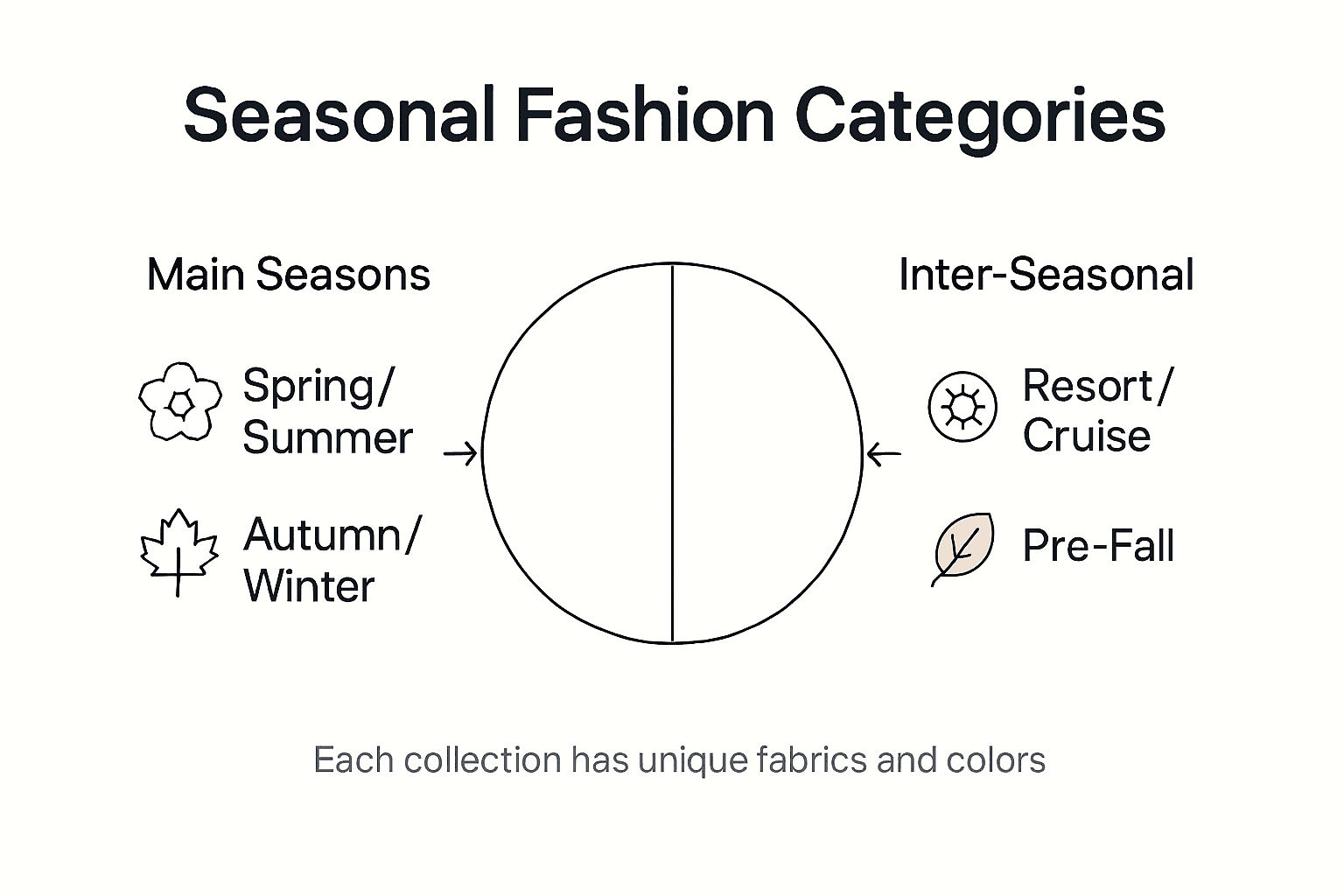
The two primary seasons, Spring/Summer and Autumn/Winter, represent the core fashion cycles, each spanning approximately six months. Spring/Summer collections typically feature lighter fabrics, brighter colors, and more relaxed silhouettes designed for warmer weather. Conversely, Autumn/Winter collections emphasize layering, heavier textiles, and deeper, richer color tones that provide warmth and protection against colder climates. Retail industry experts note that these seasonal lines help brands effectively cater to diverse global markets with varying climate conditions and lifestyle requirements.
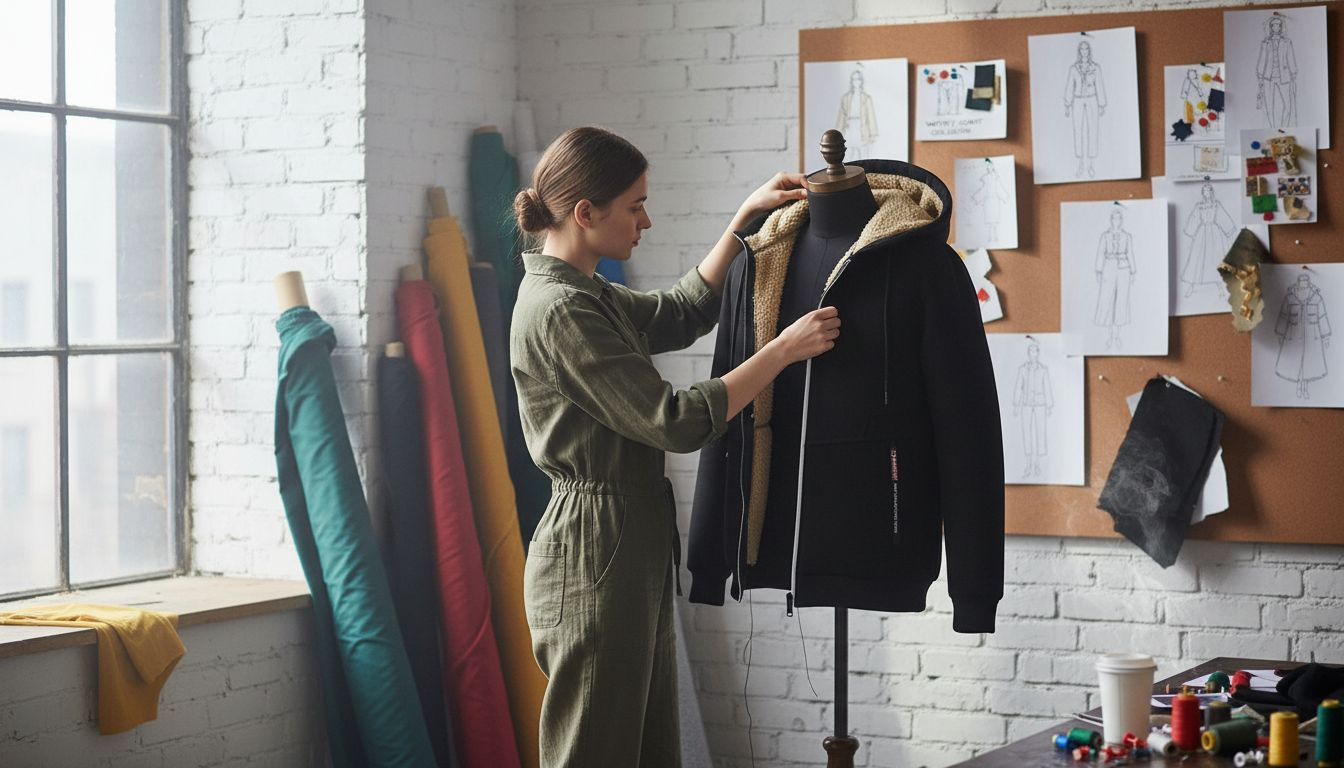
Beyond the main seasonal categories, inter-seasonal collections like Resort/Cruise and Pre-Fall have emerged as critical market segments. These intermediate lines bridge the traditional fashion cycles, offering transitional pieces that provide consumers with more continuous wardrobe options. Resort collections, originally designed for wealthy travelers visiting warm destinations during winter months, now serve a broader market by presenting versatile, vacation-ready clothing that extends beyond its original narrow context.
Here’s how the main fashion seasons compare in terms of key characteristics:
| Season/Collection | Typical Fabrics | Color Palette | Main Style Focus |
|---|---|---|---|
| Spring/Summer | Linen, cotton, silk | Pastels, brights | Light, breezy silhouettes |
| Autumn/Winter | Wool, fleece, cashmere | Earth tones, deep hues | Layering, warmth |
| Resort/Cruise | Lightweight blends | Neutrals, tropical | Vacation-ready, relaxed |
| Pre-Fall | Transitional textiles | Muted, soft colors | Versatile, adaptable |
Pro tip: Invest in versatile inter-seasonal pieces that can be layered and mixed across multiple fashion categories to maximize your wardrobe’s adaptability and minimize seasonal shopping expenses.
How Trends Shape Seasonal Apparel Choices
Seasonal fashion trends are dynamic cultural narratives that reflect broader societal shifts, technological advancements, and collective aesthetic preferences. These trends emerge through complex interactions between designers, influencers, consumers, and global cultural movements, transforming clothing from mere functional coverings into powerful statements of identity and social expression. The intricate process of trend development involves multiple interconnected factors that extend far beyond simple aesthetic choices.
The evolution of seasonal trends is fundamentally driven by several key forces. Social media platforms and digital communication have dramatically accelerated trend cycles, enabling instant global dissemination of fashion concepts. Celebrities, fashion influencers, and digital content creators now play pivotal roles in rapidly spreading and popularizing specific styles, colors, and silhouettes. Trend forecasting has become a sophisticated industry, with specialized agencies analyzing everything from street style and cultural movements to technological innovations to predict upcoming fashion directions.
Technological and cultural contexts significantly impact seasonal apparel choices. Sustainability concerns have increasingly influenced trend development, with consumers demanding more environmentally conscious clothing options. The rise of remote work and lifestyle changes prompted by global events have further transformed fashion trends, emphasizing comfort, versatility, and adaptability. Designers now create collections that blend aesthetic appeal with practical considerations, reflecting the complex needs of modern consumers who seek both style and functionality in their seasonal wardrobes.
Consider these key influences driving seasonal fashion trends:
| Influence | Role in Fashion Trends | Current Impact Example |
|---|---|---|
| Social Media | Rapid trend sharing worldwide | TikTok influencing styles |
| Celebrity Culture | Popularizes specific looks quickly | Red carpet inspiring colors |
| Technology | Enables new materials, innovation | Sustainable fabric adoption |
| Global Lifestyles | Shapes functional clothing demands | Rise of athleisure post-2020 |
Pro tip: Build a versatile wardrobe by investing in classic, high-quality pieces that can be easily mixed and matched across different seasonal trends, allowing you to remain stylish while minimizing unnecessary clothing purchases.
Practical Tips for Shopping Seasonal Styles
Shopping experts recommend developing a strategic approach to navigating seasonal fashion, focusing on thoughtful selection rather than impulsive purchasing. Understanding your local climate, personal style, and wardrobe needs becomes crucial in making intelligent fashion investments. Successful seasonal shopping requires a blend of practical assessment, trend awareness, and personal aesthetic evaluation that goes beyond simply following the latest runway designs.
Effective seasonal style shopping involves multiple strategic considerations. Begin by conducting a comprehensive wardrobe audit, identifying existing pieces that can be layered, mixed, or repurposed across different seasonal collections. Prioritize versatile items that offer multiple styling options and can transition smoothly between different fashion periods. Look for high-quality foundational pieces with classic silhouettes that transcend temporary trend cycles, allowing for greater long-term wearability and reduced overall clothing expenses.
Budget management and mindful purchasing are essential elements of smart seasonal fashion shopping. Develop a clear budget allocation for each seasonal transition, focusing on investing in fewer, higher-quality pieces rather than accumulating numerous low-cost items that quickly become outdated. Consider the cost-per-wear metric when evaluating potential purchases, analyzing how frequently an item can be styled and its potential longevity. Pay attention to fabric quality, construction details, and versatility, ensuring that each seasonal addition to your wardrobe represents a thoughtful and strategic investment.
Pro tip: Create a seasonal clothing spreadsheet tracking your current wardrobe, identifying gaps, and planning future purchases to make more intentional and cost-effective fashion decisions.
Impact of Seasonal Fashion on Consumers
Comprehensive research demonstrates that seasonal fashion profoundly influences consumer psychology, purchasing behaviors, and personal identity expression. Beyond mere clothing selection, seasonal fashion represents a complex interplay between individual preferences, societal expectations, and environmental adaptations. Consumers navigate these intricate fashion landscapes by making strategic choices that reflect not just temperature requirements, but also social signaling, personal aesthetics, and psychological comfort.
The economic implications of seasonal fashion are substantial and multifaceted. Retailers and brands carefully strategize around consumer demand variations across different climatic regions, recognizing that purchasing patterns dramatically shift with seasonal transitions. These shifts are not uniform but deeply influenced by local cultural contexts, geographic location, and individual lifestyle requirements. Consumer segmentation becomes increasingly nuanced, with fashion industries developing targeted marketing approaches that acknowledge the diverse needs of different demographic groups.
Psychological dimensions of seasonal fashion extend far beyond practical clothing requirements. Seasonal wardrobe transitions serve as powerful mechanisms of self-expression, allowing individuals to reinvent their personal narratives through clothing choices. The emotional resonance of seasonal fashion connects deeply with human experiences of change, adaptation, and personal growth. Consumers use fashion as a dynamic tool for communicating identity, mood, and personal evolution, transforming seasonal clothing selections into meaningful personal statements that transcend mere aesthetic considerations.
Pro tip: Develop a flexible wardrobe strategy that allows for emotional and practical adaptation by investing in versatile pieces that can be layered, mixed, and reimagined across different seasonal contexts.
Master Seasonal Style with Essentials That Adapt to You
Seasonal fashion challenges like finding versatile pieces that carry you through spring chills and winter freezes are common. This article highlights the importance of investing in adaptable, layered apparel that balances warmth and style perfectly for ever-changing climates. If you share the goal of building a wardrobe full of timeless casual wear designed for multiple seasons, you are not alone.
Discover the Essentials – Smoked Times collection where comfort meets functionality with thoughtfully crafted hoodies, pullovers, and t-shirts made for layering.
Start transforming your closet today with versatile pieces from Smoked Times that are easy to mix and match across seasonal trends. Take advantage of exclusive bundle offers and promotional deals to refresh your wardrobe smartly. Don’t wait for the cold or warm spells to force your hand—shop now and stay ahead in style and comfort!
Frequently Asked Questions
What is seasonal fashion?
Seasonal fashion refers to a systematic approach to clothing design and consumption that aligns with changing climates, cultural events, and consumer preferences. It is divided into primary cycles such as Spring, Summer, Autumn, and Winter, each characterized by specific fabrics, colors, and styles.
Why is seasonal fashion important?
Seasonal fashion is important because it helps consumers adapt their wardrobes to changing climates while also enabling fashion designers and brands to strategically manage inventory, create anticipation, and respond to consumer engagement in a timely manner.
What are the main seasonal fashion categories?
The main seasonal fashion categories include Spring/Summer, Autumn/Winter, Resort/Cruise, and Pre-Fall collections, each offering unique styles and fabrics suited for specific climate conditions and consumer lifestyles.
How do trends influence seasonal fashion choices?
Trends influence seasonal fashion choices by reflecting cultural narratives, technological advancements, and consumer preferences. Social media, celebrity culture, and sustainability concerns play significant roles in shaping what is trendy in each seasonal cycle.
Recommended
- Reversible Sherpa Fleece Hoodie – Ultra Warm Winter Jacket Hoodie – Smoked Times
- Essentials – Smoked Times
- Winter Hoodie – Ultra-Warm Sherpa Lined Zip Hoodie for Men | Smoked Times
- Smoked Times - Just Good Clothes
- Why Trends Evolve in Men’s Fashion Today – Vellure Homme
- Top 5 Fall 2019 Fashion Trends for Women | Baggizmo
- 7 Practical Ways to Reduce Fashion Waste for a Greener Closet – The Cork Store