


Casual Outfit Guide 2026: Build Your Perfect Winter Look
Cold weather is rolling in and suddenly your closet is overflowing yet nothing feels right for a stylish winter. Balancing trendiness with comfort matters more than ever when you want to stay cozy and look fresh whether you are out in New York City or relaxing with friends in Paris. Layering to trap warm air is the secret behind a functional winter wardrobe, and learning how to combine the right essentials, key main pieces, and accessories will help you build outfits that are both fashionable and perfectly warm for winter’s demands.
Table of Contents
- Step 1: Assess Your Winter Wardrobe Essentials
- Step 2: Choose Trendy and Comfortable Main Pieces
- Step 3: Layer With Cozy Hoodies and Pullovers
- Step 4: Accessorize for Style and Warmth
- Step 5: Verify Fit and Complete Your Look
Quick Summary
| Key Point | Explanation |
|---|---|
| 1. Assess Your Current Wardrobe | Conduct an inventory check of your winter clothing to avoid duplicate purchases and identify gaps in your collection. |
| 2. Invest in Multi-Use Main Pieces | Select versatile core wardrobe items that can be mixed and matched for various winter occasions, focusing on comfort and style. |
| 3. Layer Effectively with Mid-Layers | Use hoodies and pullovers as essential mid-layers to trap warmth and allow flexibility in temperature control during winter activities. |
| 4. Choose Functional Accessories | Prioritize accessories that offer warmth and protection to extremities, ensuring they also coordinate well with your winter outfits. |
| 5. Verify Fit and Comfort | Try on your entire outfit to ensure layers fit harmoniously together, allowing for comfortable movement and effective insulation. |
Step 1: Assess Your Winter Wardrobe Essentials
Before you start shopping for new pieces or planning outfits, take a real look at what you already own. This step saves you money, prevents duplicate purchases, and helps you identify the gaps in your cold-weather collection. You’re essentially doing an inventory check to understand what you’re working with and what you actually need to add.
Start by pulling out everything winter-related from your closet. Yes, everything. Jackets, sweaters, thermal layers, boots, scarves, gloves, hats, everything. Lay them out or organize them by category so you can see the full picture. As you sort through items, ask yourself honest questions: Do I actually wear this? Does it fit properly? Is it still in good condition? This is where you get brutally realistic about your wardrobe. That oversized hoodie you haven’t touched in two years takes up space that could go to something you’ll actually reach for.
Once you have everything sorted, evaluate your current collection against the basics you actually need. Winter clothing functions best through layering to trap warm air and keep your body insulated, so you need pieces that work together as a system, not isolated items. Think about your base layers (thermal underwear or fitted long-sleeve tops), your insulating layers (sweaters, fleeces, pullovers), and your outer protective layers (jackets and coats). Check what you have in each category. Do you have enough base layer options for your climate? Are your sweaters worn out or still in solid shape? Does your jacket collection cover different weather conditions, or are you missing something like a windproof option or a lighter puffy jacket?
Next, consider your lifestyle and how you actually spend your winters. If you work in an office, you need different pieces than someone who spends hours outside. If you’re commuting on public transit, you might want different shoes than someone driving everywhere. Your winter wardrobe should match your real life, not some imaginary version where you’re constantly hiking or attending outdoor events. Write down the situations where you need winter clothes: work, casual outings, exercise, social events, running errands. This clarity helps you prioritize what gaps actually matter for you.
Take note of colors and neutrals you already own. Winter outfits benefit from a cohesive color story. If your entire collection is blacks and grays, adding one burgundy sweater or navy jacket could open up new combination possibilities. Look at what you reach for most often. These are your comfort pieces, your reliable go-tos. Understanding your actual preferences helps you make smarter choices about what to add. Pay attention to fabrics too. Materials like wool, down, and synthetic insulations offer different benefits for warmth and moisture-wicking, and knowing what feels best on your skin matters more than what any trend says you should buy.
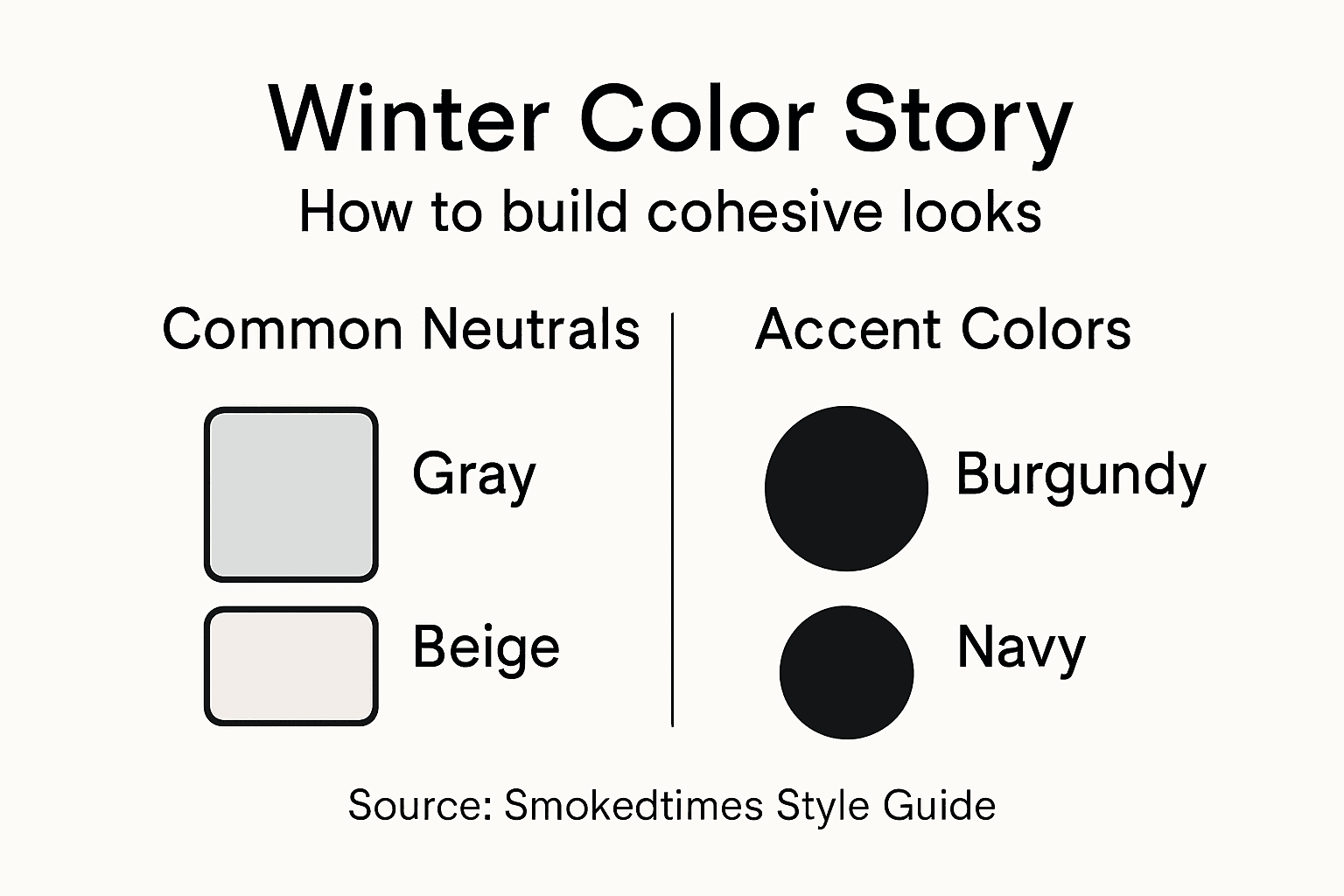
Finally, identify the specific gaps in your current collection. Maybe you need more cardigans, warmer boots, lightweight thermal layers, or a quality scarf for layering. Perhaps you’re missing basics like plain sweaters in neutral colors that work with most outfits. Writing these gaps down creates a shopping list that keeps you focused and prevents impulse purchases that don’t actually solve problems in your wardrobe.
Here’s a comparison of common winter wardrobe layers and their functions:
| Layer Type | Main Function | Example Pieces |
|---|---|---|
| Base Layer | Moisture wicking, comfort | Thermal top, leggings |
| Insulating Layer | Trap body heat | Wool sweater, fleece |
| Outer Layer | Protect from elements | Puffer, wool coat |
| Accessories | Insulate extremities | Hat, gloves, scarf |
Pro tip: Take photos of your sorted winter items organized by category. When you’re browsing for new pieces online or in stores, these photos help you visualize what you already own and avoid buying duplicates or colors that don’t match your existing collection.
Step 2: Choose Trendy and Comfortable Main Pieces
Now that you know what you have and what you need, it’s time to select the core pieces that will form the foundation of your winter outfits. These main pieces are your heavy hitters, the items you’ll wear frequently and build other looks around. The goal is finding pieces that feel good to wear, look current for 2026, and work together as a cohesive collection.
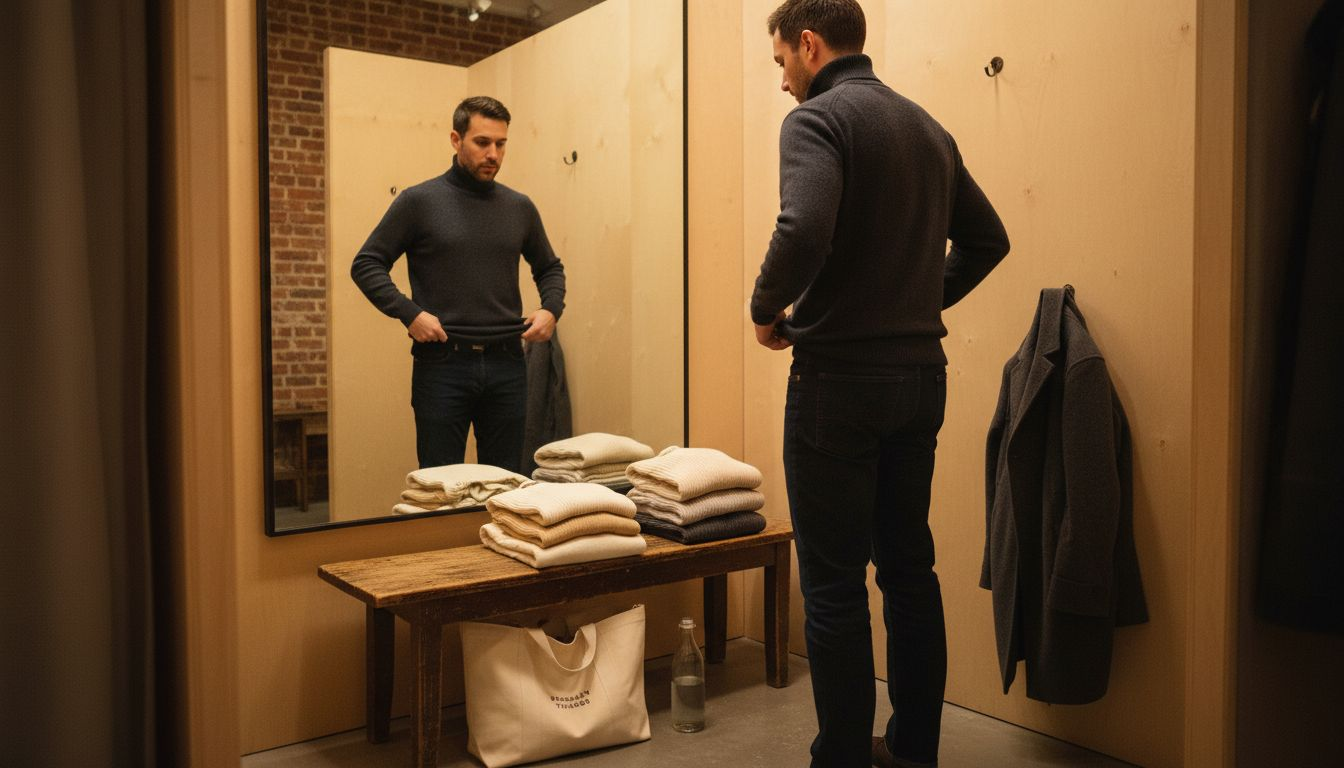
Start by thinking about which main pieces you actually need based on your lifestyle and climate. If winters where you live get brutally cold, a quality wool coat or puffy jacket should be top priority. If you experience milder winters, a structured blazer or cardigan might serve you better. The key is choosing pieces that solve real problems in your wardrobe rather than chasing trends that don’t fit your actual life. When evaluating main pieces, comfort matters as much as style. You’ll wear these items for hours at a time, so they need to feel good against your skin. Look for pieces made from comfortable fabrics like knit sweaters and pullovers that breathe well and move with your body rather than restricting you. A trendy jacket that makes you miserable will sit unworn in your closet.
Consider building around neutral base pieces that you can mix and match easily. Roll-neck sweaters, chunky knit sweaters, plain t-shirts, and fitted long-sleeve tops in black, gray, cream, navy, or white provide endless combination possibilities. These basics anchor your outfit and let you add personality through accessories and layering. From there, you can introduce color and pattern through secondary pieces. A burgundy cardigan or forest green pullover becomes immediately more versatile when paired with your neutral basics. Think about smart casual combinations like pairing tweed jackets with roll-neck sweaters or chunky knits with slim trousers. These balanced combinations feel intentional and work for both casual and slightly dressier occasions.
When selecting main outerwear, focus on pieces that earn their closet space through versatility. A wool overcoat works over almost everything and transitions from casual to business settings. A fitted puffer jacket or quilted jacket looks modern and works with both athleisure and dressier pieces. Avoid overly trendy cuts or colors that might feel dated in six months. Instead, choose classic silhouettes in colors you’ll actually reach for repeatedly. Ask yourself whether each piece works with at least three other items you own. If a sweater only matches one pair of pants in your closet, reconsider whether it’s worth buying. The best main pieces act as building blocks that expand your outfit possibilities, not limit them.
Take your time evaluating quality and fit. Main pieces are investments that you’ll wear constantly, so they should hold up through the season and beyond. Check seams, feel the fabric weight, and make sure sleeves and length work with your proportions. A piece that fits perfectly makes you feel confident and want to wear it more often. Pay attention to how pieces move when you raise your arms, bend forward, and move naturally. Stiff, uncomfortable pieces get abandoned no matter how good they look hanging on a hanger. Layer pieces on top of what you’re currently wearing to test how they work with your base layers. This gives you a realistic sense of how the garment will feel when you’re actually out in winter weather.
Pro tip: When shopping for main pieces, bring photos of the items you already own or wear your favorite neutral base layer. This ensures new main pieces coordinate with what you have and prevents buying beautiful items that don’t actually work with your existing wardrobe.
Step 3: Layer With Cozy Hoodies and Pullovers
Hoodies and pullovers are your winter layering superstars. They sit perfectly in the middle of your layering system, providing warmth and comfort while allowing you to adjust your overall temperature depending on the weather and your activity level. This step is about understanding how to use these pieces strategically so you’re never too cold or bundled up uncomfortably.
The key to effective layering is understanding where hoodies and pullovers fit in the larger system. You start with a moisture-wicking base layer that pulls sweat away from your skin. Then comes your mid-layer, which is where hoodies and pullovers shine. Mid-layer insulation like hoodies and pullovers trap heat effectively while still allowing you to move freely and adjust your comfort level. Finally, you add an outer shell jacket that blocks wind and water. This three-part system works because each layer has a specific job. Your hoodie isn’t trying to be waterproof, and your jacket isn’t trying to be your primary heat source. They work together. When you understand this, you can stop buying random pieces and start building a cohesive winter wardrobe that actually functions.
Choose hoodies and pullovers in materials that serve their insulating purpose well. Wool, fleece, and quality knit fabrics all trap warm air effectively. A chunky knit pullover feels luxuriously cozy while keeping you genuinely warm. A wool hoodie manages moisture better than cotton, so you stay comfortable even if you’re moving around. Avoid thin, lightweight hoodies that feel more fashion-forward than functional. You want pieces that add real insulation, not just the idea of warmth. Consider having multiple weights and styles. A lightweight fleece hoodie works great for mild winter days or as a mid-layer under a jacket on colder days. A heavier wool or thick knit pullover becomes your standalone piece on moderately cold days. This variety lets you fine-tune your warmth without completely overhauling your outfit.
The following table summarizes material choices for winter wear and their primary benefits:
| Material | Best For | Key Benefit |
|---|---|---|
| Wool | Extreme cold, layering | Excellent insulation |
| Fleece | Milder days, mid-layer | Lightweight warmth |
| Down | Outerwear | Superior heat retention |
| Synthetics | Damp conditions | Fast drying, affordable |
| Knit Cotton | Casual, light layers | Soft, breathable |
Think about how hoodies and pullovers layer with your base pieces and outer layers. A fitted hoodie goes nicely under a structured jacket without creating bulk. An oversized pullover works better as a standalone piece or under a longer coat. Pay attention to sleeve length too. If your hoodie sleeves hit right at your wrist, they won’t bunch uncomfortably inside a jacket. If they extend past your wrist, you’ll have excess fabric creating awkward bunches. Test your layering combinations before you go outside. Wear your base layer, add your hoodie, then put on your jacket and move around. Does it feel comfortable? Can you raise your arms without everything riding up? Can you bend forward without gaps at your back? These real-world tests reveal problems that just looking in the mirror won’t catch.
Remember that layering lets you stay outside longer and enjoy winter rather than rushing back indoors because you’re uncomfortable. A hoodie you can add or remove when your activity level changes makes an enormous difference in your day. If you’re walking to get coffee, you might wear just a pullover with a light jacket. If you’re going for a longer walk, that same pullover under a heavier coat becomes ideal. The flexibility that proper mid-layers like hoodies and pullovers provide means you’re dressing for the actual conditions you’ll experience, not guessing.
Pro tip: Layer your hoodie or pullover over a fitted long-sleeve base layer, then try it on with your outer jacket before purchasing. This ensures the combination doesn’t create uncomfortable bulk and that sleeves align properly when you raise your arms and move naturally.
Step 4: Accessorize for Style and Warmth
Accessories are where your winter outfit transforms from functional to fabulous. A great scarf, hat, gloves, and socks don’t just complete your look visually, they also solve critical warmth problems by protecting the areas where your body loses heat fastest. This step teaches you how to choose accessories that work as hard as they look good.
Start with understanding where you actually lose heat in winter. Your extremities, particularly your hands, feet, and head, are where significant heat loss occurs. Winter accessories like gloves, scarves, hats, and thermal socks protect exposed areas and maintain crucial body warmth. This isn’t just about looking put-together; it’s about genuine functionality. A quality hat keeps your core temperature stable because so much heat escapes through your head. Good gloves protect your hands so you can stay outside comfortably. Thermal socks aren’t just cozy, they prevent your feet from becoming numb and uncomfortable. When you choose accessories with both warmth and style in mind, you’re not compromising on either.
Consider what accessories you actually need based on your specific winter climate and activities. If you live somewhere with brutal winters, mittens might serve you better than gloves because they keep your fingers together, conserving more heat in extreme cold. If your winters are milder, stylish gloves work perfectly. Think about your commute and daily routine. Do you spend significant time outside waiting for buses or walking between places? Prioritize warm gloves and a good hat. Are you mostly moving between heated buildings? A lighter scarf and basic gloves might suffice. Your accessories should match your actual life, not some fashion magazine’s idea of what winter looks like.
Choose materials that offer genuine insulation and moisture resistance. Wool, synthetic blends, and quality knits all work well for winter accessories. Wool naturally regulates temperature and resists moisture, making it excellent for hats, scarves, and gloves. Synthetic materials often cost less and dry faster if they get wet. Don’t buy thin, decorative scarves if you need real warmth. A chunky knit scarf in a neutral color works with virtually every outfit and actually keeps you warm. Choose gloves that let you move your fingers comfortably and maintain dexterity for tasks like using your phone or unlocking doors. Test accessories before purchasing. Can you text on your phone wearing those gloves? Can you move your head freely in that hat? Does the scarf feel scratchy against your neck? Real-world functionality matters.
Now think about how accessories coordinate with your outfits. A scarf in a solid color or classic pattern works with more outfits than something wildly patterned. If your winter wardrobe is primarily neutrals, a scarf in burgundy, forest green, or camel adds visual interest without clashing. A neutral scarf goes with everything. Your hat should complement your face shape and hair color, but more importantly, it should be something you’ll actually wear. A hat you hate doesn’t keep you warm because it stays home. Gloves and socks can be fun since they’re less visible, so you might choose patterns or colors that make you smile when you look down.
Build a small collection of accessories that covers different scenarios. One warm everyday scarf, one dressier scarf, one pair of winter gloves, one pair of mittens if you need extreme warmth, a winter hat, and several pairs of thermal socks create a solid foundation. You don’t need dozens of accessories. You need the right ones that work with your outfits and actually keep you warm. Rotate them based on the weather and where you’re going. On a casual errand day, your everyday scarf and regular gloves work perfectly. On a cold day when you’re going out for several hours, switch to heavier gloves or mittens and your warmest hat. This flexibility makes winter dressing enjoyable rather than frustrating.
Pro tip: Choose one neutral scarf that coordinates with your entire winter wardrobe and invest in quality. A well-made scarf in black, gray, navy, or cream works with nearly every outfit, and you’ll actually reach for it consistently instead of owning ten scarves you never wear.
Step 5: Verify Fit and Complete Your Look
You’ve assembled all the pieces, but now comes the critical step of making sure everything actually works together. Fit is the difference between an outfit that looks intentional and put-together versus one that looks like you just threw things on. This final verification ensures your winter look functions perfectly for both comfort and style.
Start by trying everything on together as a complete outfit. Put on your base layer, add your hoodie or sweater, layer in your mid-weight jacket, and add your accessories. Stand in front of a mirror and move around. Can you raise your arms without everything riding up? Can you bend forward without gaps appearing at your back or neck? Do your sleeves align properly so they’re not bunching awkwardly inside your jacket? Well-fitted garments that are snug but allow layering work best for winter comfort. This means your jacket should fit your shoulders properly, your sweaters shouldn’t be so oversized that they create bulk under your coat, and your layers should work as a coordinated system rather than fighting each other. If something doesn’t move right or feels restrictive, adjust now before you buy or commit to wearing it.
Pay specific attention to the fit of your outerwear since it’s what everyone sees. Your jacket or coat should allow you to comfortably move your arms without the fabric pulling across your back or shoulders. Sleeves should hit right at your wrist when your arms are at your sides, and when you bend your elbows, there should be enough length that they don’t ride up. The jacket length matters too. A longer coat provides more coverage and protection, while a shorter jacket offers more mobility. Choose based on your lifestyle. If you’re walking a lot, a shorter or medium-length jacket might feel more comfortable. If you’re moving between buildings mostly, a longer coat works beautifully. The body of the jacket should be fitted enough to look intentional but loose enough that you’re not squeezing into it. You should be able to fit your hand between the fabric and your body comfortably.
Verify that your pants or bottoms coordinate properly with your whole outfit. They should be long enough to almost touch the top of your shoes or boots without dragging. If you’re wearing wider or straight-leg bottoms, they should have enough volume to allow layering without becoming bulky. If you’re wearing slimmer cuts, they should still accommodate your base layers underneath without feeling uncomfortably tight. Your proportions matter too. If you’re wearing an oversized sweater or coat, slimmer bottoms help balance the silhouette. If you’re wearing a fitted jacket, you have more flexibility with bottom cuts. Stand sideways in the mirror and check your overall proportions. Does the outfit feel balanced, or does one part overwhelm another?
Check your accessories one final time to ensure they complete rather than clutter your look. Your scarf should drape naturally without bunching oddly around your neck. Your hat should sit securely without sliding down or requiring constant adjustment. Your gloves should fit snugly enough that they won’t slip off but loose enough that your fingers aren’t cramped. Your boots should fit with room for thermal socks, and proper fit prevents overheating or excessive sweating while maintaining warmth and mobility. Step in place, walk around, and simulate your actual day. Will your gloves stay on when you put your hands in your pockets? Can you bend your knees comfortably in your boots? Can you turn your head freely in your scarf and hat? These real-world tests reveal whether your accessories genuinely work or just look good.
Take a final full-length photo or mirror check of your complete outfit. Look at the color story. Do all the colors work together harmoniously, or does something feel out of place? Examine the overall silhouette. Do the pieces flow well together, or is something creating an awkward line? Pay attention to how confident you feel in the outfit. If you feel self-conscious or uncomfortable, something isn’t working, and you should adjust before stepping outside. Your winter outfit should make you feel ready to face the cold, not anxious about how you look or uncomfortable in how it fits. When everything aligns, you’ll feel the difference immediately.
Pro tip: Wear your complete winter outfit around your house for 30 minutes before going outside. This reveals fit issues, comfort problems, and whether accessories will actually stay in place while you move naturally throughout your day.
Build Your Perfect Winter Look with Confidence
Winter wardrobe challenges like layering, finding warmth without bulk, and mixing comfort with style can leave you frustrated. This guide highlights the importance of choosing versatile hoodies, pullovers, and outerwear that fit well and work together as a system. You want cozy, functional apparel that matches your lifestyle and looks great day after day.
Discover how to solve these common problems with the latest winter fashion essentials available now at Smokedtimes. From premium hoodies to stylish pullovers and durable jackets, you can easily build a cohesive collection designed for warmth and versatility.
Ready to upgrade your casual winter outfits with pieces that feel as good as they look? Explore our full range of winter apparel and accessories today and take advantage of special bundle offers and promotions. Visit Smokedtimes casual and winter collection now and start layering your perfect winter look that keeps you comfortable and confidently stylish all season long.
Frequently Asked Questions
How do I assess my current winter wardrobe?
Start by pulling out all winter-related items from your closet. Organize them by category and ask yourself whether you wear each piece, if it fits properly, and if it’s in good condition.
What key pieces should I focus on for my winter outfits?
Identify main pieces based on your lifestyle and climate, such as a quality wool coat or a fitted puffer jacket. Choose comfortable and versatile options that can be mixed and matched with other layers in your wardrobe.
How can I effectively layer my winter clothing?
Start with a moisture-wicking base layer, add a mid-layer like a hoodie or pullover, and finish with an outer layer that protects against elements. Test the fit and movement of each layer together to ensure comfort and functionality.
What accessories are essential for a complete winter look?
Focus on accessories that keep your extremities warm, such as gloves, hats, and scarves. Choose materials like wool or quality knits for better insulation and ensure they coordinate with your overall outfit.
How do I verify that my winter outfit fits properly?
Try on your entire outfit together and move around to check for comfort and fit. Look for areas where layers might bunch or restrict your movement and adjust accordingly before heading outside.
Why is it important to choose neutral base pieces for my winter wardrobe?
Neutral base pieces allow for easy mixing and matching, creating a cohesive look. Opt for versatile colors like black, gray, or navy to anchor your outfits and add personality with secondary pieces and accessories.