


Seasonal Apparel Trends 2026: Minimalist Comfort
Many people believe seasonal fashion means chasing fleeting trends that quickly fade from style. In reality, 2026 marks a turning point where seasonal apparel embraces minimalism, durability, and lasting comfort. This shift reflects a growing demand for clothing that feels good, lasts longer, and works across multiple seasons without constant replacement. The focus has moved from fast fashion cycles to timeless pieces that prioritize quality fabrics and versatile styling. This guide will help you understand these emerging trends and build a seasonal wardrobe that delivers both style and substance throughout the year.
Table of Contents
- Key takeaways
- Understanding the shift to minimalist seasonal apparel
- Core seasonal apparel trends for 2026: comfort and timeless style
- How to build a durable, stylish seasonal wardrobe for 2026
- Sustainability and social influences shaping seasonal fashion in 2026
- Explore minimalist seasonal apparel with Smoked Times
- Frequently asked questions
Key Takeaways
| Point | Details |
|---|---|
| Minimalist seasonal shift | 2026 emphasizes minimalism and durability over fast fashion cycles, prioritizing long lasting pieces that span multiple seasons. |
| Durable timeless pieces | Shoppers seek durable, timeless pieces that stay relevant across years and adapt with layering. |
| Sustainable fabrics growth | Eco friendly materials such as organic cotton, modal blends, recycled synthetics, hemp, and linen are gaining popularity for comfort and longevity. |
| Seasonal wardrobe planning | Seasonal wardrobe planning emphasizes layering and core pieces that adapt to weather and occasions across the year. |
Understanding the shift to minimalist seasonal apparel
The fashion industry is experiencing a fundamental change in how consumers approach seasonal clothing. Fast fashion once dominated with rapid trend cycles that encouraged constant purchasing and disposal. Now, shoppers increasingly value pieces that deliver comfort, durability, and timeless appeal. This transition reflects broader concerns about sustainability, quality, and the true cost of disposable fashion.
Several factors drive this minimalist movement. Rising awareness of environmental impact pushes consumers toward longer-lasting garments. Economic considerations make quality investments more attractive than frequent replacements. The work-from-home shift has permanently elevated comfort as a priority. Additionally, social media showcases how versatile basics create more interesting wardrobes than trendy pieces that quickly date themselves.
Seasonal clothing now emphasizes durability and timeless appeal over fleeting trends. This means choosing fabrics that withstand repeated wear, cuts that remain flattering across years, and colors that pair easily with existing pieces. The concept of seasonality in clothing impact has evolved from dictating what you must buy each quarter to informing how you layer and adapt core pieces.
Key reasons consumers prefer minimalist seasonal apparel include:
- Reduced decision fatigue from streamlined wardrobe choices
- Better cost per wear from higher quality construction
- Lower environmental footprint through fewer purchases
- Increased versatility across different occasions and seasons
- Enhanced comfort from premium natural and technical fabrics
“The best seasonal wardrobe isn’t about having something new for every occasion. It’s about having reliable pieces that work together effortlessly, season after season.”
This philosophy transforms how you approach seasonal shopping. Instead of asking what’s trending this quarter, you consider which foundational pieces will serve you well for years. Seasonality still matters for practical reasons like temperature and weather protection, but the emphasis shifts toward adaptable layering rather than complete wardrobe overhauls.
Core seasonal apparel trends for 2026: comfort and timeless style
Comfort and timeless style define casual wear in 2026 seasonal trends. The specific pieces gaining prominence share common characteristics: premium natural fabrics, relaxed but intentional fits, and neutral color palettes that mix effortlessly. These elements combine to create wardrobes that feel personal without requiring constant updates.
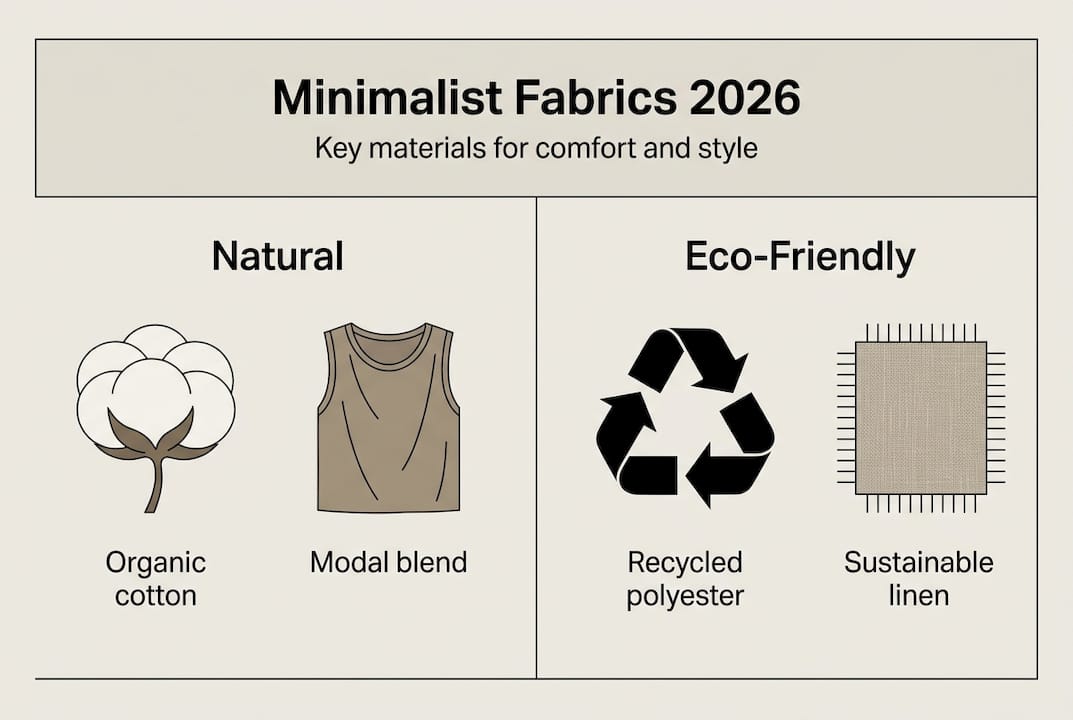
Fabric selection stands at the center of 2026’s seasonal apparel trends. Organic cotton delivers breathability and softness while supporting sustainable agriculture. Modal blends offer exceptional drape and moisture management for year-round comfort. Recycled synthetics provide durability and weather resistance without petroleum-based materials. Hemp and linen gain traction for warm-weather pieces that improve with age. These materials share a focus on how clothing feels against skin and performs through repeated wear.
Staple pieces dominating 2026 include heavyweight cotton tees that layer beautifully or stand alone, versatile hoodies in neutral tones that transition between seasons, classic straight-leg denim that flatters without following fleeting silhouette trends, and understated outerwear that prioritizes function over logos. The top fashion trends 2026 casual style tips emphasize pieces you can wear multiple ways rather than statement items with limited applications.
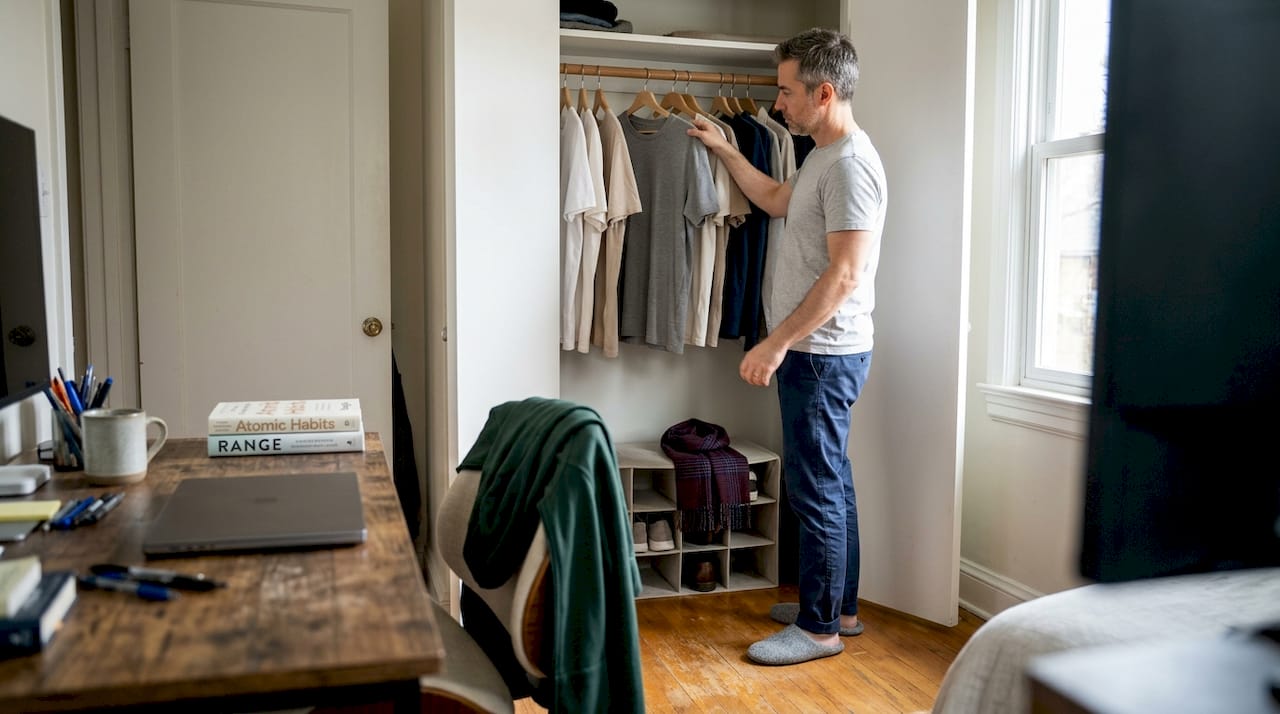
| Fabric type | Comfort rating | Durability | Sustainability | Best season |
|---|---|---|---|---|
| Organic cotton | Excellent | Very good | High | All seasons |
| Modal blend | Outstanding | Good | Medium | Spring/Fall |
| Recycled polyester | Good | Excellent | High | Winter |
| Hemp | Very good | Outstanding | Very high | Summer |
| Merino wool | Excellent | Very good | Medium | Fall/Winter |
Color trends in 2026 favor earth tones, soft grays, warm whites, and deep navy over bright or neon shades. These palettes create natural harmony between pieces and avoid the dated look that comes from season-specific color stories. Texture and fabric quality provide visual interest instead of bold patterns or graphics.
Pro Tip: Build your seasonal wardrobe around three neutral base colors that complement your skin tone. This approach lets you mix any pieces together while maintaining a cohesive look, reducing the total number of items you need.
Layering becomes the primary tool for adapting minimalist pieces across seasons. A quality cotton tee works under a hoodie in fall, alone in summer, and beneath a jacket in winter. This versatility explains why investment in fewer, better pieces delivers superior value compared to large wardrobes of trend-focused items.
How to build a durable, stylish seasonal wardrobe for 2026
Creating a seasonal wardrobe that lasts requires strategic selection and thoughtful maintenance. The process starts with identifying foundational pieces that serve multiple purposes across different weather conditions and occasions. This approach maximizes wearability while minimizing waste and expense.
Follow these steps to build your minimalist seasonal wardrobe:
- Audit your current closet and identify pieces you actually wear regularly versus items that sit untouched.
- Define your lifestyle needs honestly, considering work requirements, climate, and typical activities.
- Select five to seven foundational pieces in neutral colors that layer well together.
- Add two to three accent pieces in complementary tones for visual variety.
- Invest in quality basics first, then gradually add specialized items as needs arise.
- Test new pieces by wearing them multiple ways before committing to similar items.
Smart layering and classic pieces adapt effectively to seasonal needs, enhancing wardrobe longevity. The key lies in understanding how different fabric weights and cuts work together. Lightweight base layers provide warmth without bulk. Mid-weight pieces like quality tees and henleys offer standalone options or layering flexibility. Outer layers should accommodate underlayers without restricting movement.
Maintaining your seasonal wardrobe extends its life significantly. Wash garments only when necessary rather than after every wear. Use cold water and gentle cycles to preserve fabric integrity. Air dry whenever possible to prevent shrinkage and fiber damage. Store off-season items properly by cleaning first, folding instead of hanging heavy knits, and keeping them in breathable containers away from direct sunlight.
Texture mixing adds depth to minimalist wardrobes without requiring bold patterns. Pair smooth cotton tees with textured denim or corduroy pants. Combine matte finishes with subtle sheen from modal or silk blends. Layer different knit weights for visual interest. These subtle variations create sophisticated looks while maintaining the clean aesthetic of minimalist style.
Pro Tip: When investing in quality basics, prioritize items that touch your skin most directly. Premium tees, underwear, and base layers deliver the most noticeable comfort improvement and typically justify their higher cost through extended wear life.
Accent pieces refresh your wardrobe without requiring complete overhauls. A well-chosen scarf, quality belt, or versatile jacket transforms basic outfits into polished looks. Focus on accessories that complement multiple base pieces rather than matching specific outfits. This strategy maintains the smart ways to master seasonal clothing trends while expressing personal style.
Seasonal transitions become simpler with a minimalist wardrobe. Instead of storing and swapping entire closets, you adjust layering strategies. Spring and fall benefit from versatile mid-weight pieces. Summer emphasizes breathable natural fibers in lighter weights. Winter adds insulating layers and weather-resistant outerwear. The core pieces remain constant while supporting layers change with temperature.
Sustainability and social influences shaping seasonal fashion in 2026
Environmental consciousness fundamentally reshapes seasonal apparel choices in 2026. Consumers increasingly recognize that fashion’s environmental impact extends beyond individual purchases to encompass production methods, supply chains, and end-of-life disposal. This awareness drives demand for sustainable fabrics and transparent manufacturing practices.
Sustainable fabrics gaining prominence include organic cotton grown without synthetic pesticides, recycled polyester made from post-consumer plastic bottles, Tencel produced from sustainably harvested wood pulp, hemp requiring minimal water and no pesticides, and recycled wool that gives new life to existing fibers. These materials reduce environmental impact while often delivering superior comfort and durability compared to conventional alternatives.
The contrast between fast fashion and sustainable minimalist apparel becomes stark when examining full lifecycle impacts:
| Factor | Fast fashion approach | Sustainable minimalist approach |
|---|---|---|
| Production volume | High turnover, constant new styles | Focused core collection, timeless designs |
| Fabric quality | Lower grade, shorter lifespan | Premium materials, extended durability |
| Manufacturing | Often opaque supply chains | Transparent, ethical production |
| Cost per item | Lower upfront price | Higher initial investment |
| Cost per wear | Higher due to replacement | Lower through longevity |
| Environmental impact | Significant waste and pollution | Reduced footprint per garment |
Social media continues to accelerate awareness and demand for sustainable fashion in 2026. Platforms showcase how minimalist wardrobes create more interesting daily style than overflowing closets of trendy pieces. Influencers demonstrate the versatility of quality basics through creative styling. Communities share tips for identifying truly sustainable brands versus greenwashing marketing.
The role of how social media shapes fashion trends 2026 extends beyond promotion to education. Users learn to evaluate fabric content, understand care requirements, and recognize quality construction. This knowledge empowers better purchasing decisions aligned with both style preferences and values.
Tips for identifying sustainable brands and styles:
- Look for specific certifications like GOTS for organic cotton or OEKO-TEX for safe dyes
- Research brand transparency about manufacturing locations and labor practices
- Evaluate fabric content for natural or recycled materials over virgin synthetics
- Check customer reviews for durability and quality rather than just style
- Consider brands offering repair services or take-back programs
- Assess whether marketing focuses on product quality or constant new releases
The intersection of sustainability and style no longer requires compromise. Premium natural fabrics deliver superior comfort while supporting environmental goals. Timeless designs remain relevant across seasons and years. Quality construction ensures garments last long enough to justify their environmental footprint. This alignment makes sustainable choices increasingly attractive beyond purely ethical considerations.
Social pressure also shifts from showcasing constant newness to celebrating thoughtful curation. Wearing the same quality pieces repeatedly becomes a point of pride rather than embarrassment. This cultural change supports the practical benefits of minimalist seasonal wardrobes while reducing the psychological pressure to constantly acquire new items.
Explore minimalist seasonal apparel with Smoked Times
Building a seasonal wardrobe aligned with 2026’s minimalist trends starts with finding reliable sources for quality basics. Smoked Times offers heavyweight cotton tees, comfortable hoodies, and timeless casual pieces designed for durability and repeat wear. Each item emphasizes clean construction, versatile styling, and fabrics that improve with age rather than deteriorate.
The collections focus on essentials that layer effectively across seasons while maintaining the understated aesthetic that defines modern minimalist style. Whether you need foundational tees for year-round wear or cold-weather pieces that prioritize warmth and comfort, the emphasis remains on pieces you’ll reach for repeatedly. Explore the range and discover how quality basics simplify seasonal dressing while elevating everyday style.
Your experience with these pieces matters. Share your insights through review submission to help others make informed choices about building their own minimalist seasonal wardrobes. Real feedback from customers creates a community of people valuing the same principles of comfort, durability, and timeless style that define 2026’s approach to seasonal apparel.
Frequently asked questions
What are the key fabrics to look for in 2026 seasonal apparel?
Organic cotton, recycled synthetics, and modal blends lead 2026 fabric trends for seasonal apparel. These materials prioritize both comfort and sustainability while delivering the durability needed for pieces you’ll wear repeatedly across multiple seasons. Look for heavyweight cotton in tees and hoodies, modal blends for drape and moisture management, and recycled polyester for weather-resistant outer layers.
How can I maintain the longevity of my seasonal wardrobe?
Use gentle washing techniques with cold water and mild detergents to preserve fabric integrity. Avoid harsh chemicals like bleach that break down fibers and fade colors prematurely. Air dry whenever possible instead of using high heat, which causes shrinkage and weakens materials. Store off-season items clean and folded in breathable containers away from direct sunlight to prevent damage during storage periods.
Are capsule wardrobes practical for 2026 seasonal fashion trends?
Capsule wardrobes align perfectly with minimalist seasonal trends dominating 2026. They offer exceptional versatility while reducing decision fatigue through carefully curated pieces that work together seamlessly. A well-planned capsule adapts to seasonal changes through strategic layering rather than complete wardrobe swaps. For detailed guidance on building seasonal capsules, explore seasonal wardrobe tips for young adults that apply across age groups.
How many pieces do I need for a minimalist seasonal wardrobe?
Most people find success with 25 to 35 total pieces including shoes and outerwear. This range provides enough variety for different occasions and weather conditions without overwhelming your closet. Focus on quality over quantity, ensuring each piece serves multiple purposes and coordinates with several other items. The exact number varies based on lifestyle, climate, and personal preferences, but staying within this range encourages thoughtful selection.
Does minimalist seasonal style work for professional settings?
Minimalist principles adapt well to professional environments through careful fabric and cut selection. Choose structured pieces in premium materials that convey polish without loud branding or trendy details. Neutral colors and classic silhouettes work across casual and business settings with appropriate styling adjustments. The key lies in selecting quality pieces with clean lines that communicate professionalism through craftsmanship rather than obvious formality.