


Top tips for buying hoodies that last: quality, comfort, and style
TL;DR:
- Choosing a hoodie requires attention to fabric weight, construction details, and material quality to ensure durability and long-term wear.
- Matching fabric GSM and material composition to your climate and lifestyle helps you select a versatile piece that will perform well over time.
Picking a hoodie sounds easy until you realize how many fall apart after a few washes, shrink in the dryer, or pill up after a month of regular wear. The difference between a hoodie you reach for every single day and one that gets pushed to the back of your closet usually comes down to details most people never check at the point of purchase. This guide breaks down exactly what to look for in fabric weight, construction, care, and fit so you can walk away with a hoodie that earns its place in your rotation for years, not just one season.
Table of Contents
- Know your criteria: What matters most in a hoodie
- Check fabric weight and breathability for your lifestyle
- Inspect construction details: Durability starts in the seams
- Care and maintenance: Maximize hoodie lifespan after purchase
- Quick compare: Key features checklist for your next hoodie
- What most shoppers get wrong about hoodies and how to buy smarter
- Discover quality essentials with Smoked Times
- Frequently asked questions
Key Takeaways
| Point | Details |
|---|---|
| Check the specs | Review GSM, fit, and construction details to avoid disappointment later. |
| Match weight to use | Choose midweight or heavyweight fabric based on your climate and how you layer. |
| Inspect construction | Dense seams, quality hardware, and strong hoods mean better longevity. |
| Care matters | Follow laundry best practices to keep your hoodie soft and long-lasting. |
| Trust real reviews | Look for editorial or user-tested reviews before you buy a new brand or model. |
Know your criteria: What matters most in a hoodie
Most people buy a hoodie based on color, brand logo, or how it feels when they pull it off the shelf. That initial softness is genuinely appealing, but it tells you almost nothing about how the garment will perform after ten washes. A smarter approach is to treat finding the right hoodie the way you would treat buying a good pair of sneakers or a piece of electronics: check the specs first, then feel the fabric.
The core criteria that separate a truly great hoodie from an average one come down to a short but important list:
- Fabric weight (GSM): GSM stands for grams per square meter, the standard measurement of fabric density. Higher GSM generally means a heavier, warmer, more structured hoodie.
- Material composition: Pure cotton, cotton-polyester blends, French terry, and fleece all behave differently in terms of warmth, stretch, breathability, and wash durability.
- Fit and cut: Whether you prefer a relaxed, oversized silhouette or a more fitted shape, the cut should complement your frame without pulling awkwardly at the shoulders.
- Stitch quality: Look for tight, even stitching at seams and hems. Loose threads or visible gaps in the stitching are early warning signs.
- Branding level: Minimal or no branding keeps a hoodie versatile and timeless. Heavy logos date quickly and limit how you can wear the piece.
- Hardware and details: Metal eyelets for drawcords, ribbed cuffs with good elasticity, and a lined hood all indicate thoughtful construction.
- Care label clarity: A hoodie with clear, simple care instructions is usually made with enough quality that the manufacturer cares about long-term wear.
As Men’s Health notes, treating hoodie shopping like spec shopping, checking measurable construction cues like GSM, seams, hood layering, and drawcord hardware, and cross-referencing with editorial testing sources, helps you avoid unpleasant surprises after you bring it home.
Pro Tip: When browsing online, always look for the GSM rating in the product description. Around 300 GSM is a solid midweight for everyday casual wear, giving you enough warmth without feeling like a blanket.
Check fabric weight and breathability for your lifestyle
With your priorities clear, the next step is matching fabric weight and material to how and where you actually live. A hoodie built for a Seattle winter is going to be miserable on a mild fall day in Austin. Getting this match right means you’ll actually wear the thing regularly instead of leaving it in a drawer for six months.
Here is a practical breakdown of how the three main weight categories perform in real life:
| Weight class | GSM range | Best for | Pros | Cons |
|---|---|---|---|---|
| Lightweight | 180–260 GSM | Layering, warm climates, active wear | Breathable, easy to pack, dries fast | Less durable, minimal insulation |
| Midweight | 270–350 GSM | Year-round casual, everyday wear | Versatile, comfortable, holds shape | Can feel warm in summer heat |
| Heavyweight | 360–500+ GSM | Cold weather, outdoor lounging | Maximum warmth, premium structure | Less breathable, slower to dry |
A 330 GSM midweight hoodie sits in a sweet spot that most everyday shoppers will appreciate. It is substantial enough to feel quality in your hands, warm enough for most fall and winter conditions, and breathable enough that you are not sweating through it on a mild afternoon. For most people, this is the range that delivers the best all-around satisfaction.

It is also worth thinking about the fiber content alongside weight. A 330 GSM 100% cotton hoodie breathes differently than a 330 GSM cotton-polyester blend. Pure cotton is softer and more breathable initially, while blends tend to hold their shape better after repeated washing and resist shrinking more effectively. For a hoodie brands comparison, material composition is often the clearest differentiator between value-tier and premium options.
As Outside Online points out, heavier can actually work against you depending on your climate and activity level, so matching GSM to your specific season and use case matters more than simply choosing the heaviest option available.
Pro Tip: If your daily life mixes outdoor walks, commuting, and indoor lounging, a lighter midweight hoodie gives you more flexibility than a heavy one. A great hoodie styling guide will show you how midweight pieces layer effortlessly over tees and under jackets.
Inspect construction details: Durability starts in the seams
Beyond fabric, the way a hoodie is actually assembled determines how long it holds up. Two hoodies made from the same cotton blend at the same GSM can perform completely differently based on stitching, seam reinforcement, and hardware choices. This is where well-made pieces separate themselves from cheap ones.
Here are the four main construction details worth examining closely before you buy:
- Stitch density: Count the stitches per inch on visible seams. A higher stitch count means the fabric is held together more firmly, which resists tearing and fraying under repeated stress.
- Reinforced seams: Look at the shoulder seams and underarm seams specifically. These are the highest-stress points on any hoodie. Double-stitched or overlock seams here add meaningful longevity.
- Drawcord hardware: Metal eyelets with finished edges prevent the cord channel from stretching out or tearing over time. Plastic or unfinished holes are a corner-cutting detail that becomes obvious after a year of wear.
- Hood construction: A lined or double-layered hood keeps its shape and weight, making it more comfortable to wear up and more durable overall. Single-layer hoods can go thin and floppy after washing.
“The best-performing hoodies in extended testing held up for 20-plus wash cycles with minimal shrinkage and no pilling along the seams, largely because of tight knit construction and reinforced hem and cuff finishing.” — Men’s Health testing panel, via editorial review
When shopping online, look for close-up photos of stitching and hem finishing. Brands confident in their construction tend to show these details. If you only see lifestyle photos with no close product shots, that is worth noting. You can also check out an oversized vintage hoodie to see what well-photographed construction details look like in practice.
Dense knit fabric also plays a direct role in resisting pilling over time. Pilling happens when short fibers break free from the weave and bunch together on the surface. Tighter weaves trap fibers more securely, so a heavier, denser knit typically shows fewer pills even after dozens of washes. It is a detail that is hard to spot in a store, which is why reading actual hoodie shrinkage and laundry tips and wear-tested reviews is genuinely useful before you commit.
Care and maintenance: Maximize hoodie lifespan after purchase
Once you have selected a well-built hoodie, the way you care for it determines how long it keeps performing. Plenty of good hoodies get ruined by the same few washing mistakes. The good news is that proper care is simple.
Here are the habits that make the biggest difference:
- Wash in cold water on a gentle or delicate cycle
- Turn the hoodie inside out before washing to reduce surface friction and protect the outer fabric
- Avoid hot dryer cycles, which shrink cotton fibers and break down elasticity in cuffs and hems
- Air dry or use a low-heat dryer setting whenever possible
- Avoid wringing or twisting the fabric when wet
- Store folded flat rather than hung on a hanger, which prevents the hood and shoulders from stretching out of shape over time
Different fabric types also respond differently to washing, so matching your care method to the material makes a meaningful difference:
| Fabric type | Wash temp | Drying method | Special notes |
|---|---|---|---|
| 100% Cotton | Cold | Air dry or low heat | Prone to shrinking in high heat |
| Cotton-Poly blend | Cold to warm | Low heat tumble dry | Resists shrinkage better than pure cotton |
| French terry | Cold | Air dry preferred | Maintains texture with gentle washing |
| Fleece | Cold | Low heat, reshape while damp | Avoid fabric softener which reduces loft |
The hoodie fabric guide from Alibaba’s smart buying resource makes the case that reducing pilling and fading comes down to laundering gently and choosing tighter knit or denser loop construction from the start, not just relying on how soft a hoodie feels fresh out of the bag.
One smart upgrade worth considering: a reversible sherpa hoodie with dense loop construction reduces wear on either surface by rotating which side you expose during regular use. It is a practical design feature that extends the garment’s life noticeably.
Also, if you are ever tempted to intentionally resize a hoodie, it helps to understand the risks. There is a real difference between accidental shrinkage and intentional sizing adjustments, and shrinking cotton hoodies without damaging the fabric requires a controlled approach.
Quick compare: Key features checklist for your next hoodie
Before you hit checkout on your next purchase, run through this side-by-side summary. It condenses everything above into a fast, practical reference you can screenshot and bring to any shopping session, whether you are browsing in a physical store or comparing product pages online.
| Feature | What to look for | Red flags |
|---|---|---|
| Fabric weight | 280–350 GSM for everyday wear | No GSM listed at all |
| Material | Cotton or quality cotton-poly blend | Vague “soft fabric” language |
| Stitching | Tight, even, reinforced at stress points | Loose threads, uneven hems |
| Branding | Minimal or none for timeless versatility | Oversized logos, seasonal graphics |
| Hood construction | Lined or double-layered | Single-layer, floppy hood |
| Hardware | Metal eyelets, quality drawcord | Plastic or unfinished eyelets |
| Care instructions | Cold wash, low-heat dry friendly | Dry clean only or vague instructions |
Quick checklist before you buy:
- Is the GSM listed and in the 280–350 range?
- Can you see close-up seam and hem photos?
- Is the material composition clearly stated?
- Are the branding details minimal or easy to live with long-term?
- Does the brand provide real wear or wash performance data?
For more detailed hoodie styling advice on making your purchase work across multiple outfits and seasons, it helps to think about the hoodie as a wardrobe foundation piece, not just a standalone item.
What most shoppers get wrong about hoodies and how to buy smarter
Here is the honest truth most hoodie guides will not tell you: the single biggest mistake most shoppers make is trusting how a hoodie feels in the store, or in unboxing videos, over how it performs after consistent use. That initial softness, the plush feel of a brand-new fleece or French terry, is often a finishing treatment applied to the fabric surface. It fades with washing. The underlying construction is what you are actually living with long-term.
There is also a persistent belief that visible branding equals quality. In reality, the brands putting the most effort into fabric sourcing and construction are often the ones least interested in slapping their name across your chest. A minimal look is not just an aesthetic choice. It frequently signals that the manufacturer’s budget went into the actual garment rather than marketing overhead.
The spec-checking approach, the same mindset you would bring to evaluating headphones or running shoes, translates directly and meaningfully to hoodie shopping. Checking GSM, asking about stitch density, reading tested reviews rather than just star ratings: these habits consistently lead to better purchases. The cultural shift in how hoodies are perceived as genuine style staples rather than throwaway basics makes this more relevant than ever.
A timeless, well-made hoodie also holds its value in a way that trendy pieces never do. When the silhouette is clean and the branding is quiet, the piece stays relevant across years and style cycles. That is not an accident. It is what thoughtful design looks like.
Discover quality essentials with Smoked Times
If the criteria above sound like exactly what you have been looking for, Smoked Times builds its hoodies and casualwear essentials around those same principles: durable fabrics, honest construction, minimal branding, and designs that wear in rather than wear out.
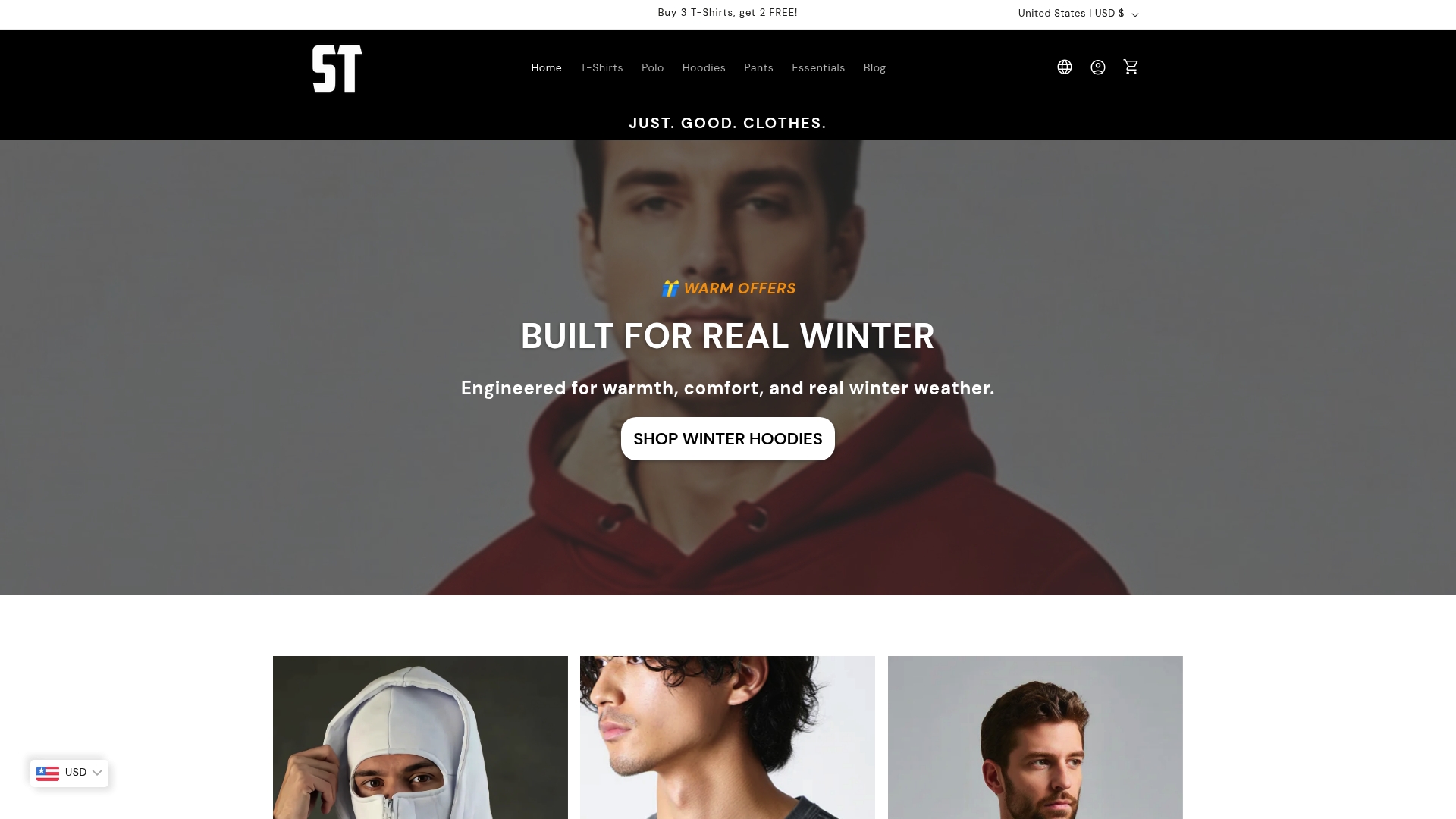
Every piece in the lineup is made with repeat wear in mind, from heavyweight organic cotton tees to vintage-inspired hoodies built for daily comfort. You can browse the full collection at SmokedTimes.com and check real customer feedback before you commit. If you have purchased from us before, we would love to hear how your pieces are holding up. Write a review and help other shoppers make smarter choices. International shoppers can browse in their local currency with multi-country checkout support.
Frequently asked questions
What is the ideal GSM for an everyday hoodie?
A GSM range of 280–350 generally works best for comfortable, versatile everyday hoodies, offering enough structure and warmth without being overly heavy. According to Men’s Health’s hoodie testing, checking GSM alongside other construction cues is the most reliable way to predict real-world performance.
How can I prevent my hoodie from shrinking or pilling?
Wash hoodies in cold water on a gentle cycle and avoid high-heat drying to maintain fit and fabric integrity over time. As the hoodie fabric guide notes, selecting tighter knit construction from the start gives you a significant edge against pilling compared to relying on initial softness alone.
Are heavyweight hoodies always better than lighter ones?
Not always. Heavier hoodies are warmer and more durable, but lightweight ones often suit layering and mild climates better. Outside Online’s testing confirms that matching GSM to your actual season and activity level matters more than simply buying the heaviest option available.
How do I check quality details if shopping online?
Look for GSM information, close-up seam and hem photos, hood lining details, and cross-reference with editorial or wear-tested reviews for fit and durability notes. Men’s Health recommends using sources that specify actual test conditions and measurable wear outcomes, such as wash cycles and pilling observations, rather than relying on star ratings alone.