


Role of Fashion in Self-Expression Today
Pulling on your favorite hoodie is more than reaching for warmth during the winter months—it is a way to express your personality and mood in a single outfit. For young adults everywhere, fashion is a powerful language that shapes identity and tells a story without saying a word. Clothing becomes psychological armor and self-expression, letting you share your unique energy whether you are mixing bold streetwear or layering versatile outerwear for a look all your own.
Table of Contents
- Defining Fashion as Self-Expression
- How Clothing Reflects Personal Identity
- Cultural Influences on Fashion Choices
- Trends, Statements, and Individual Style
- Common Pitfalls in Fashion Expression
Key Takeaways
| Point | Details |
|---|---|
| Fashion as Self-Expression | Fashion acts as a complex language that communicates personal identity and stories, influenced by psychological, cultural, and social factors. |
| Impact of Culture on Fashion | Cultural contexts enrich fashion choices, encouraging respect and understanding of diverse styles and their meanings. |
| Navigating Trends and Authenticity | Balancing personal style with current trends allows for authentic self-representation while fostering individuality in fashion choices. |
| Awareness of Fashion Pitfalls | Recognizing pressures and potential miscommunications in fashion helps maintain authenticity and connection to personal values. |
Defining Fashion as Self-Expression
Fashion transcends mere clothing - it’s a profound medium of personal storytelling and identity communication. Psychological research reveals that our wardrobe choices function as a complex language, transmitting messages about who we are and how we perceive ourselves without uttering a single word.
At its core, fashion represents an intricate psychological tool enabling individuals to externalize internal narratives. Academic studies exploring identity construction demonstrate that clothing serves as non-verbal communication, reflecting cultural backgrounds, personal experiences, and social influences. Each outfit becomes a carefully curated canvas where personality traits, values, and beliefs are artfully displayed.
Understanding fashion as self-expression means recognizing it as more than aesthetic preference. It’s a dynamic interaction between personal psychology and social context, where garments become extensions of individual identity. Cultural movements, personal emotions, and societal shifts can all manifest through strategic clothing choices, transforming fashion from passive consumption to active self-representation.
Pro tip: Experiment with clothing that genuinely resonates with your inner self, not just current trends, to authentically express your unique identity.
Here’s how psychological, cultural, and social factors impact fashion as self-expression:
| Factor Type | Example Influence | Impact on Fashion Choice |
|---|---|---|
| Psychological | Seeking confidence | Select garments that improve self-image |
| Cultural | Heritage and traditions | Choose textiles reflecting cultural roots |
| Social | Peer expectations | Adopt styles aligned with social groups |
How Clothing Reflects Personal Identity
Clothing represents far more than fabric and design - it’s a powerful mechanism for communicating personal identity and social positioning. Research demonstrates how dress styles enable individuals to navigate complex social landscapes, particularly among younger generations who use fashion as a strategic form of self-expression.
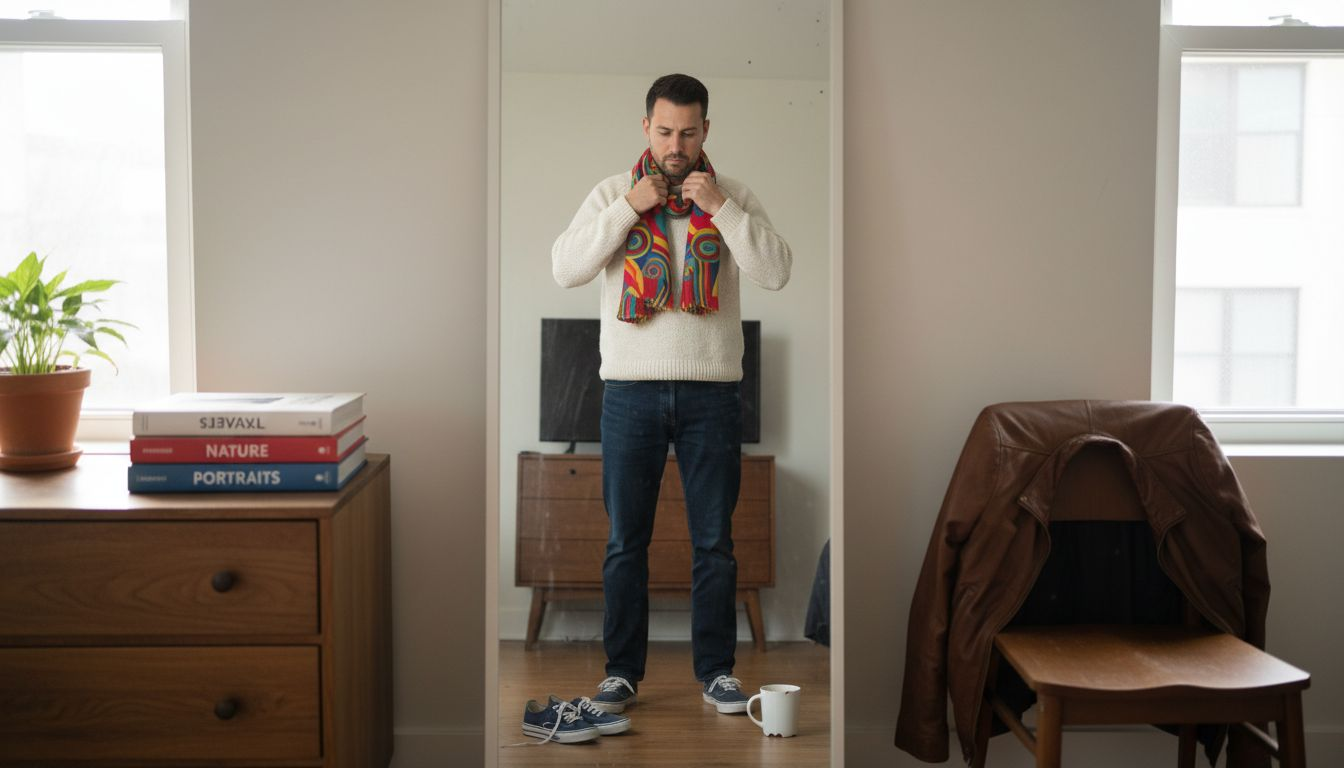
The psychological dimensions of clothing choices run deep, reflecting intricate aspects of personal narrative and emotional experience. Studies exploring body perception and clothing preferences reveal that individuals consciously select garments to shape self-confidence, mood, and social perception. Each clothing selection becomes an intentional statement about one’s inner world, translating abstract personal characteristics into tangible visual representations.
Moreover, clothing functions as a dynamic communication tool that transcends traditional aesthetic boundaries. It serves as a nuanced language where texture, color, style, and fit collectively articulate complex personal narratives. Cultural backgrounds, individual creativity, and social contexts converge in wardrobe choices, transforming fashion from passive consumption into an active, sophisticated method of personal storytelling and identity construction.
Pro tip: Curate a wardrobe that authentically represents your multifaceted identity, mixing pieces that genuinely reflect your personality rather than solely following external trends.
Cultural Influences on Fashion Choices
Fashion is a dynamic cultural dialogue that transcends geographical boundaries, reflecting the intricate ways societies express their unique identities. Global research on cultural trends reveals how traditional textiles, social media, and cultural icons collaborate to create a rich, interconnected fashion landscape that celebrates diversity while challenging traditional aesthetic norms.
The relationship between culture and fashion is profoundly complex, involving nuanced interactions between local traditions and global influences. Comparative studies exploring contemporary design demonstrate how societal norms, heritage, and consumer preferences shape aesthetic choices. Each cultural context contributes unique perspectives, transforming fashion into a sophisticated form of visual communication that goes beyond mere clothing.
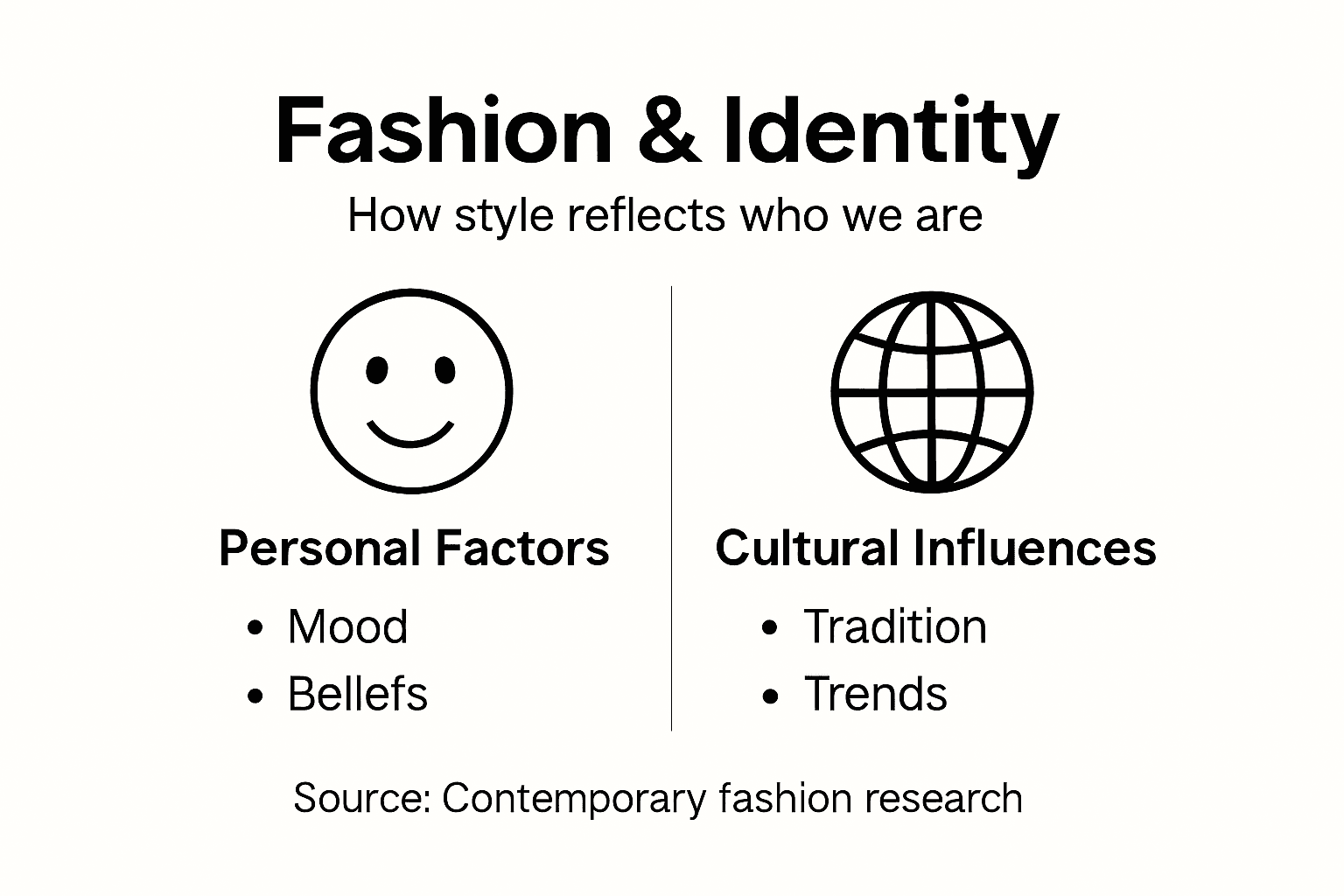
Understanding cultural fashion requires recognizing the delicate balance between appreciation and appropriation. Different societies infuse clothing with symbolic meanings, historical narratives, and social significance. From indigenous textile patterns to urban streetwear, fashion becomes a powerful medium for preserving cultural heritage while simultaneously embracing global interconnectedness and innovation.
Pro tip: When exploring fashion from different cultures, approach with respect and curiosity, seeking to understand the deeper meanings and stories behind distinctive styles and designs.
Trends, Statements, and Individual Style
Fashion trends represent more than fleeting aesthetic preferences - they are powerful platforms for personal storytelling and social commentary. Global fashion research highlights how individual style has evolved beyond simple clothing choices, becoming a sophisticated means of expressing personal values, social consciousness, and unique identity.
The intersection of trends and personal expression reveals a complex psychological landscape. Fashion trend studies demonstrate how clothing choices serve as emotional armor, allowing individuals to navigate social dynamics while maintaining a sense of authenticity. Contemporary fashion enables people to simultaneously conform to broader cultural movements and assert their distinctive personalities, creating a delicate balance between social belonging and individual differentiation.
Today’s fashion landscape is characterized by unprecedented diversity and personal agency. Consumers are increasingly rejecting rigid style prescriptions, instead crafting wardrobes that reflect nuanced personal narratives. From gender-neutral designs to sustainable fashion choices, individuals are using clothing as a dynamic canvas for self-representation, challenging traditional aesthetic boundaries and creating more inclusive, expressive modes of personal style.
Pro tip: Build a wardrobe that tells your unique story by mixing trend elements with personally meaningful pieces that genuinely reflect your individual identity.
Consider these strategies for balancing authenticity and trends in personal style:
| Strategy | How It Supports Individuality | Impact on Wardrobe Diversity |
|---|---|---|
| Mixing timeless and trendy | Promotes self-discovery | Offers versatile clothing selections |
| Prioritizing comfort | Ensures emotional well-being | Encourages confident self-expression |
| Exploring cultural styles | Enriches personal narrative | Adds unique global inspirations |
Common Pitfalls in Fashion Expression
Fashion expression comes with complex psychological and social challenges that can undermine personal authenticity. Digital transformation research reveals profound communication pitfalls in modern fashion landscapes, including the risks of miscommunication, cultural appropriation, and losing individual identity amidst social media’s overwhelming visual noise.
Psychological pressures significantly impact fashion choices, creating intricate emotional minefields. Studies exploring fashion consumption demonstrate how unrealistic beauty standards, peer pressure, and media influence can trigger anxiety, compulsive spending, and diminished self-esteem. These challenges transform fashion from a tool of self-expression into a potential source of psychological distress, especially for younger individuals navigating complex social environments.
Navigating fashion expression requires critical awareness and intentional choices. Common pitfalls include blindly following trends, compromising personal comfort for aesthetic validation, and adopting styles that contradict personal values. Successful fashion expression demands a balanced approach that prioritizes individual authenticity, respects cultural boundaries, and maintains a genuine connection between personal identity and clothing choices.
Pro tip: Develop a personal style inventory that aligns with your core values, allowing you to make fashion choices that genuinely reflect your authentic self.
Elevate Your Self-Expression with Fashion You Can Feel
The article highlights the challenge of balancing personal authenticity with social influences and trends. Many people struggle with fashion choices that do not truly reflect their identity or values. If you want to avoid common pitfalls like following trends blindly or compromising comfort for style, focusing on clothing that expresses your real story is essential. Fashion is a powerful tool to communicate who you are, and wearing apparel designed for comfort and individuality makes all the difference.
Discover casual and winter clothing options that help you proudly showcase your unique style at Smoked Times. From cozy hoodies and versatile pullovers to stylish t-shirts, every piece is crafted to support your confidence and personal narrative. Explore special bundle offers and seasonal promotions designed to make authentic fashion choices accessible and exciting. Take the next step to build a wardrobe that truly represents you by visiting smokedtimes.com today. Start expressing yourself with clothing made for your lifestyle and individuality.
Frequently Asked Questions
How does fashion serve as a medium for self-expression?
Fashion acts as a complex language through which individuals can communicate their identities, emotions, and values without speaking. Clothing choices reflect personal stories and cultural influences, making fashion a powerful tool for self-expression.
What psychological factors influence fashion choices?
Psychological factors such as the desire for confidence and self-image play a significant role in fashion choices. Individuals often select garments that enhance their mood and self-perception, using fashion as a non-verbal statement of their inner world.
How do cultural elements impact clothing selections?
Cultural influences on fashion include heritage, societal norms, and traditions. Clothing can reflect cultural identity, and individuals often choose styles that resonate with their backgrounds, creating a rich tapestry of self-expression.
What are common pitfalls when expressing oneself through fashion?
Common pitfalls include following trends blindly without considering personal comfort or authenticity, as well as succumbing to external pressures like unrealistic beauty standards. To navigate these challenges, it’s important to prioritize individual values and genuine self-expression.