


Urban streetwear guide: 2026 style and culture insights
Urban streetwear is more than just hoodies and sneakers. It’s a cultural movement born from the rebellious energy of graffiti artists, hip-hop pioneers, and skate communities in the 1960s and 70s. Today in 2026, it represents a fusion of comfort, self-expression, and high fashion that challenges traditional style boundaries. This guide explores streetwear’s rich history, its evolution into luxury collaborations, and the modern trends shaping how young adults dress. You’ll discover practical styling tips, sustainability practices, and how inclusivity has become central to streetwear style and significance. Whether you’re new to the culture or deepening your understanding, this comprehensive look reveals what urban streetwear truly means in 2026.
Table of Contents
- The Origins And Evolution Of Urban Streetwear
- Streetwear’s Rise Into High Fashion And The Luxury Merge
- Modern Urban Streetwear Trends: Comfort, Technology, And Inclusivity
- How To Incorporate Urban Streetwear Into Your Everyday Style
- Explore Urban Streetwear At Smoked Times
- What Is Urban Streetwear? Frequently Asked Questions
Key takeaways
| Point | Details |
|---|---|
| Cultural roots | Streetwear emerged from 1960s-70s graffiti, hip-hop, skateboarding, and surf subcultures as authentic self-expression. |
| Luxury evolution | By the 2010s, collaborations like Supreme x Louis Vuitton elevated streetwear from underground to high fashion status. |
| 2026 trends | Oversized silhouettes, sustainable tech fabrics, and gender-neutral designs define modern urban fashion. |
| Inclusivity focus | Brands now prioritize unisex collections and diverse representation, making streetwear accessible to all identities. |
| Limited editions | Scarcity marketing creates collectible pieces that drive community engagement and resale culture. |
The origins and evolution of urban streetwear
Urban streetwear didn’t emerge from fashion houses or runway shows. Streetwear’s origins trace back to the 1960s and 70s, evolving from graffiti art, hip-hop, skate, surf, and sports influences that shaped youth culture. These subcultures rejected mainstream fashion rules, creating their own visual language through customized clothing, bold graphics, and functional pieces that reflected their lifestyles. Graffiti artists spray-painted their tags on jackets. Hip-hop crews wore oversized athletic gear as a statement of identity. Skaters needed durable, comfortable clothing that could withstand concrete and movement.
The 1980s saw the rise of streetwear on the West Coast, with Shawn Stussy’s use of scarcity marketing to heighten desirability. Stussy began by selling surfboards with his signature scrawled across them, then transitioned to apparel with limited production runs. This approach created a sense of exclusivity that became foundational to streetwear culture. If everyone could have it, it wasn’t truly street. The scarcity model transformed casual clothing into collectible items, laying the groundwork for a multi-billion dollar retail empire that would eventually challenge luxury fashion’s dominance.
Streetwear’s adaptive nature allowed it to evolve with youth culture rather than dictate to it. Each decade absorbed new influences while maintaining core principles of authenticity and self-expression. The culture thrived because it remained rooted in real communities, not corporate boardrooms. Key cultural influences that shaped streetwear include:
- Graffiti art providing bold graphics and rebellious aesthetics
- Hip-hop music introducing oversized silhouettes and brand consciousness
- Skateboarding contributing functional design and anti-establishment attitudes
- Surfing adding relaxed fits and California coastal vibes
- Sportswear offering technical fabrics and athletic-inspired cuts
Streetwear evolved by absorbing diverse cultural movements, transforming from underground rebellion into a global fashion force that maintains its authentic roots while continuously reinventing itself for new generations.
This dynamic evolution set the stage for streetwear’s unexpected journey into the world of haute couture and luxury collaborations.
Streetwear’s rise into high fashion and the luxury merge
The 2000s saw luxury fashion houses like Gucci, Prada, and Louis Vuitton embracing streetwear in hip-hop culture. Music videos became fashion runways where rappers showcased luxury brands alongside street pieces, creating a new aesthetic that blurred class boundaries. Fashion executives recognized that streetwear’s cultural authenticity and youth appeal could revitalize their aging brands. The relationship was symbiotic: streetwear gained prestige and resources, while luxury houses accessed a younger, more diverse customer base hungry for relevant, contemporary designs.
2010s collaborations like Stussy x Dior and Supreme x Louis Vuitton solidified streetwear’s high fashion status. These partnerships weren’t simple licensing deals. They represented a fundamental shift in how fashion’s impact on youth culture was understood and valued. Supreme’s collaboration with Louis Vuitton in 2017 became a watershed moment, with pieces selling out instantly and commanding astronomical resale prices. The partnership validated what streetwear communities had known for decades: their culture had intrinsic value worth preserving and celebrating.
Key collaboration milestones that transformed the industry include:
- Nike x Off-White (2017) brought deconstructed design and industrial aesthetics to performance footwear, creating one of the most sought-after sneaker lines in history.
- Balenciaga’s adoption of oversized streetwear silhouettes under Demna Gvasalia redefined luxury proportions and made high fashion more accessible in spirit if not price.
- Fear of God x Ermenegildo Zegna (2021) merged American streetwear with Italian tailoring, proving that street culture could elevate traditional menswear rather than diminish it.
- Travis Scott x Dior (2022) demonstrated how individual artists could broker luxury collaborations, shifting power dynamics in fashion partnerships.
- Uniqlo’s ongoing collaborations with streetwear designers democratized access, making limited edition pieces available at mass market prices.
These partnerships elevated streetwear to a global fashion powerhouse while raising important questions about authenticity and commercialization. Some purists argued that luxury adoption diluted streetwear’s rebellious spirit. Others celebrated the recognition and opportunities it created for designers from underrepresented communities. The tension between mainstream success and underground credibility remains central to streetwear’s identity in 2026, driving ongoing debates about what defines authentic street culture versus corporate appropriation.
Streetwear’s cultural authenticity maintained despite luxury adoption because the best collaborations respected the source material. They didn’t simply slap a logo on existing products. They brought street designers into creative processes, honored subcultural references, and maintained the scarcity and storytelling that made streetwear special. This careful balance allowed streetwear to grow without losing its soul.
Modern urban streetwear trends: comfort, technology, and inclusivity
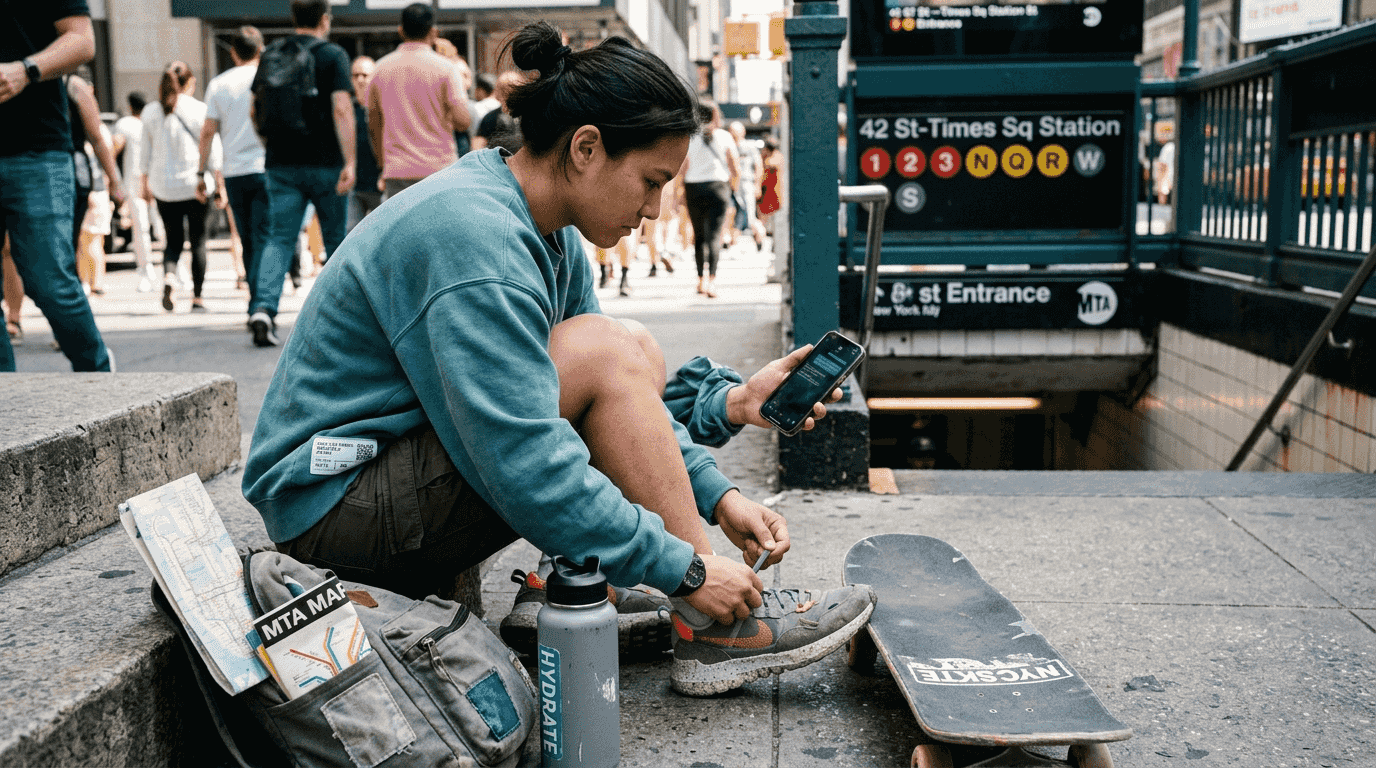
Modern streetwear blends comfort with style, including oversized fits inspired by 90s culture. Today’s silhouettes prioritize ease of movement and relaxed aesthetics over body-conscious tailoring. Wide-leg pants, dropped shoulders, and elongated torsos create a distinctive profile that feels both nostalgic and contemporary. This shift reflects broader cultural values around body positivity and rejection of restrictive fashion norms. You wear the clothes; they don’t wear you.
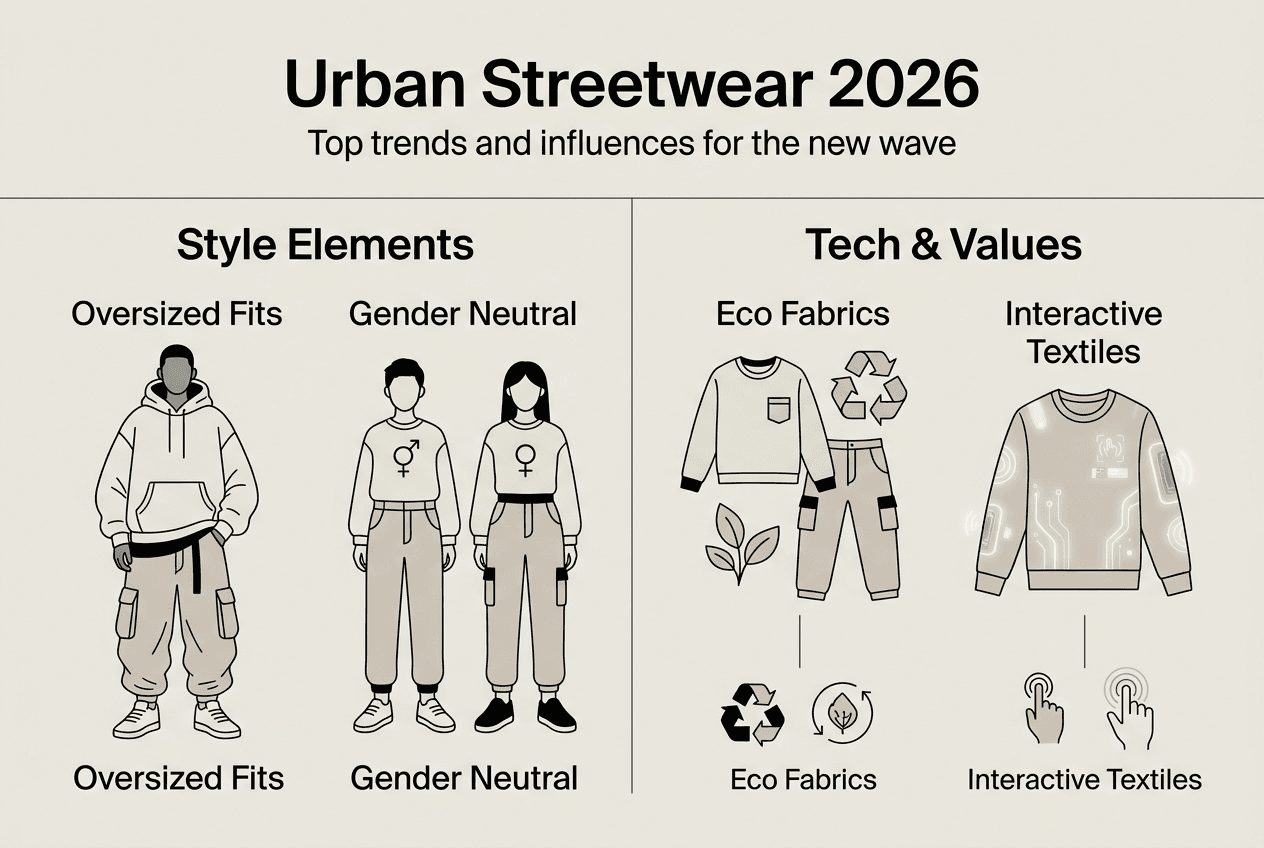
2026 trends include eco-friendly fabrics, interactive textiles, and sustainability practices that address environmental concerns without sacrificing style. Brands now incorporate recycled polyester, organic cotton, and innovative materials like mushroom leather and algae-based foams. These aren’t just marketing gimmicks. They represent genuine efforts to reduce fashion’s environmental footprint while maintaining the quality and aesthetic standards streetwear communities demand. Technology has enabled digital printing techniques that minimize water waste and chemical use compared to traditional dyeing methods.
| Traditional Streetwear | 2026 Enhanced Version |
|---|---|
| Cotton hoodies with screen prints | Recycled fabric hoodies with embedded NFC chips for authenticity verification |
| Standard denim jeans | Stretch tech denim with moisture-wicking and temperature regulation |
| Basic graphic tees | Organic cotton tees with color-changing reactive inks |
| Leather sneakers | Vegan leather alternatives with 3D-printed soles from recycled materials |
| Nylon backpacks | Ripstop recycled nylon with solar charging panels |
Sustainability practices transforming streetwear production include:
- Closed-loop manufacturing systems that recycle fabric scraps into new materials
- On-demand production models reducing overstock and waste
- Transparent supply chains allowing consumers to trace garment origins
- Carbon-neutral shipping options and minimal packaging initiatives
- Repair programs extending garment lifespan and reducing landfill contributions
Pro Tip: When building your streetwear wardrobe, invest in versatile pieces from brands with clear sustainability commitments. Look for certifications like Global Organic Textile Standard or Bluesign approval. Check if brands offer repair services or take-back programs. Quality over quantity saves money long-term and reduces environmental impact while keeping your style fresh.
Exploration of digital and interactive textiles enhancing customization has opened new creative possibilities. Some brands now offer garments with thermochromic fabrics that change color based on body temperature or ambient conditions. Others incorporate LED elements powered by flexible batteries for dynamic visual effects. These innovations appeal to streetwear’s tech-savvy audience while pushing boundaries of what clothing can do beyond simple coverage and warmth.
Inclusivity is key, with many brands offering gender-neutral clothing lines that reject binary sizing and styling conventions. This shift reflects broader cultural recognition that fashion should serve individual expression rather than enforce social categories. Unisex collections feature adjustable elements, diverse size ranges, and designs that work across body types. The movement goes beyond simply making clothes available to everyone. It reimagines how we think about top 2026 fashion trends casual style and who gets to participate in streetwear culture. Brands increasingly feature diverse models and collaborate with designers from marginalized communities, ensuring that inclusivity extends beyond products to representation and leadership.
The 2026 gender-neutral clothing guide shows how this approach has become mainstream rather than niche. Major streetwear brands now design collections without gender designations, focusing instead on fit preferences and style aesthetics. This democratization of fashion aligns perfectly with streetwear’s historical roots in subcultures that challenged societal norms. Understanding the importance of comfort in fashion has driven technical innovations that make clothing more functional while maintaining the bold aesthetics streetwear is known for.
How to incorporate urban streetwear into your everyday style
Building authentic streetwear outfits requires balancing trend awareness with personal expression. Start with foundational pieces that reflect your lifestyle and gradually add statement items that showcase your individual taste. Comfort and style are central to modern streetwear, with functional fits and collectible footwear key elements that anchor your look. Your wardrobe should feel like an extension of your identity, not a costume you put on to fit in.
Outfit building tips for everyday urban streetwear:
- Layer oversized graphic tees under open button-ups or lightweight jackets for depth and visual interest
- Pair wide-leg cargo pants or relaxed denim with fitted tops to balance proportions
- Invest in statement sneakers from limited releases or collaborations as conversation pieces
- Use neutral basics like black, white, or gray as foundations, then add bold colors through accessories
- Experiment with texture mixing like smooth nylon with textured knits or distressed denim
Matching limited edition pieces to everyday wear requires thoughtful curation. That rare Supreme hoodie or Off-White belt doesn’t need to be saved for special occasions. Streetwear thrives when worn and lived in, not preserved in plastic. Treat collectible items as functional art that gains character through use. Pair hyped pieces with understated basics to let them shine without overwhelming your outfit. A coveted sneaker collaboration looks better with simple black jeans than with three other statement pieces competing for attention.
Pro Tip: Balance bold streetwear elements with neutral basics by following the 70/30 rule. Let 70% of your outfit consist of versatile, neutral pieces and reserve 30% for eye-catching items like graphic tees, colorful sneakers, or distinctive accessories. This approach keeps your style grounded while allowing personality to shine through without looking like a walking billboard.
Choosing footwear that doubles as both comfort and collectible item requires research and patience. Follow sneaker release calendars from brands like Nike, Adidas, and New Balance. Join online communities where members share information about upcoming drops and styling inspiration. Consider both aesthetic appeal and practical comfort. The most beautiful sneaker won’t serve you well if it hurts after an hour of wear. Look for shoes with quality cushioning, breathable materials, and construction that will hold up to regular use.
Encouraging personal style that respects streetwear culture and inclusivity means understanding the history behind the pieces you wear. When you sport a graphic referencing a specific subculture or artist, take time to learn its significance. Streetwear values authenticity over blind trend following. Don’t wear something just because it’s hyped. Wear it because it resonates with your interests and values. This mindful approach to best streetwear t-shirts 2026 ensures your wardrobe tells a coherent story about who you are.
Using color trends in streetwear apparel to refresh your look in 2026 offers an accessible way to stay current. This year sees renewed interest in earth tones like olive, rust, and sand alongside vibrant pops of electric blue and neon green. Monochromatic outfits in unexpected colors create sophisticated looks that feel fresh. Don’t be afraid to experiment with color combinations that challenge traditional matching rules. Streetwear has always celebrated bold choices and personal expression over conservative coordination.
Explore urban streetwear at Smoked Times
Your journey into urban streetwear culture deserves a destination that understands both style and substance. Smoked Times curates apparel and accessories that honor streetwear’s authentic roots while embracing contemporary trends. From graphic tees that make statements to comfortable hoodies perfect for layering, you’ll find pieces that complement your personal aesthetic. The platform offers seasonal collections, bundle deals, and limited releases that capture streetwear’s essential spirit of exclusivity and community.
Building your streetwear wardrobe becomes easier when you have access to curated selections that balance quality, style, and value. Smoked Times connects you with the casual clothing essentials that form the foundation of any solid streetwear collection. After you’ve experienced the fit and quality firsthand, submit a review to help others in the community make informed choices. Your insights about sizing, fabric quality, and styling versatility contribute to a shared knowledge base that elevates everyone’s streetwear game. Join a community that values authentic expression and understands that fashion is more than just clothing; it’s a conversation.
What is urban streetwear? Frequently asked questions
What makes urban streetwear culturally significant beyond just clothing?
Urban streetwear represents a visual language of rebellion, identity, and community that emerged from marginalized groups creating their own fashion rules. It challenges luxury fashion’s gatekeeping by democratizing style and celebrating subcultures that mainstream fashion historically ignored. Streetwear’s significance lies in its authenticity and connection to real youth movements rather than designer-dictated trends.
How do limited releases and exclusivity work in streetwear culture?
Limited releases create scarcity that drives demand and collectibility, a strategy pioneered by brands like Stussy in the 1980s. Brands produce small quantities of specific designs, often announced through social media with exact drop times. This approach builds community engagement through shared pursuit of rare pieces and creates secondary resale markets where items can appreciate significantly in value.
What role does technology play in modern urban fashion?
Technology enhances modern streetwear through performance fabrics with moisture-wicking and temperature regulation, sustainable materials like recycled polyester, and interactive elements like color-changing inks or embedded NFC chips for authenticity verification. Digital tools also enable on-demand production that reduces waste and allows greater customization. These innovations maintain streetwear’s functional roots while pushing creative boundaries.
Why is inclusivity important in contemporary streetwear?
Inclusivity reflects streetwear’s historical foundation in diverse subcultures and challenges fashion’s traditional exclusivity. Gender-neutral designs, extended size ranges, and diverse representation ensure streetwear remains accessible to everyone regardless of identity or body type. This approach honors the culture’s roots in communities that used fashion to assert their right to self-expression against societal constraints.
How can I shop for authentic streetwear without overpaying?
Research brands’ histories and values before purchasing to ensure alignment with authentic streetwear culture rather than corporate imitations. Follow official brand social media for drop announcements and retail price information. Buy from authorized retailers to avoid counterfeits. Consider emerging brands that offer quality and originality at lower price points than established names. Focus on versatile pieces that work across multiple outfits rather than chasing every hyped release.
What’s the difference between streetwear and casual clothing?
Streetwear carries cultural significance, storytelling, and subcultural references that generic casual clothing lacks. While both prioritize comfort, streetwear intentionally references specific movements like hip-hop, skateboarding, or graffiti art through graphics, silhouettes, and brand collaborations. Casual clothing serves functional purposes without the layered meaning and community connection that defines authentic streetwear. The distinction lies in cultural context and intentional design choices that honor specific traditions.
Recommended
- What Is Streetwear Style and Why It Matters – Smoked Times
- Color Trends in Apparel – Impact on Streetwear Style – Smoked Times
- Best T-Shirts for Streetwear Style – Comparison 2026 – Smoked Times
- 7 Top Fashion Trends 2026 to Upgrade Your Casual Style – Smoked Times
- What is NFL apparel? a guide to authentic vintage sportswear – Gear&Glory UK