


What is gender-neutral clothing? A complete 2026 guide
Over 36% of Americans have purchased clothing outside their traditional gender identity, yet many still confuse gender-neutral fashion with basic unisex designs. Gender-neutral clothing represents a fundamental shift in how the fashion industry approaches inclusivity, moving beyond simple silhouettes to celebrate diverse identities and body types. This guide clarifies what gender-neutral clothing truly means, how it differs from unisex options, and why it matters for your wardrobe in 2026.
Table of Contents
- Understanding Gender-Neutral Vs Unisex Clothing
- The Evolution And Social Impact Of Gender-Neutral Fashion
- Challenges And Considerations In Shopping For Gender-Neutral Clothing
- Current Industry Trends And What To Expect In 2026 And Beyond
- Explore Gender-Neutral Styles At Smoked Times
Key takeaways
| Point | Details |
|---|---|
| Gender-neutral goes beyond unisex | Gender-neutral fashion embraces diverse identities with inclusive sizing and cuts, while unisex offers simple neutral designs for anyone. |
| Inclusivity drives design philosophy | True gender-neutral clothing celebrates the full gender spectrum, designing for trans, nonbinary, and gender-expansive bodies. |
| Shopping challenges persist | Inconsistent sizing, limited retail options, and confusing labels make finding well-fitting gender-neutral clothes difficult. |
| Industry momentum builds | Major brands like Gucci, Zara, and H&M launched genderless collections, signaling growing market acceptance. |
| 2026 brings expanded options | Expect wider style variety, improved sizing standards, and more brands prioritizing authentic inclusivity. |
Understanding gender-neutral vs unisex clothing
The terms unisex and gender-neutral often get used interchangeably, but they represent fundamentally different design philosophies. Unisex clothing typically features simple, boxy silhouettes with neutral colors and basic sizing that anyone can wear regardless of gender. Think plain t-shirts, loose hoodies, or baggy jeans designed to fit as many bodies as possible without customization.
Gender-neutral fashion takes a more intentional approach. Gender-neutral fashion acknowledges diverse identities beyond unisex designs, creating clothing that celebrates the full gender spectrum. This means designing for trans, nonbinary, and gender-expansive bodies with thoughtful consideration of different proportions, comfort needs, and style preferences.
Key design differences include:
- Sizing systems that account for diverse body shapes rather than defaulting to traditional men’s or women’s measurements
- Cuts and silhouettes that work across body types without forcing compromise
- Styling freedom that mixes traditionally masculine and feminine elements without restriction
- Fabric choices prioritizing comfort and movement for all bodies
- Color palettes extending beyond neutral basics to include full spectrum options
The inclusivity implications matter significantly. Unisex clothing often defaults to masculine proportions and styling, effectively excluding many bodies and identities. Gender-neutral design intentionally creates space for everyone, recognizing that the role of fashion in self-expression extends beyond binary categories.
Pro Tip: Don’t rely solely on labels when shopping. Check actual measurements, read customer reviews about fit, and prioritize how clothing makes you feel over what category it’s marketed under. Your body and identity determine what works, not the tag.
Many brands now explore sustainable materials fashion approaches in their gender-neutral lines, combining ethical production with inclusive design for conscious consumers seeking both values alignment and personal expression.
The evolution and social impact of gender-neutral fashion
Historically, clothing served as a powerful tool for reinforcing gender roles. Pink for girls, blue for boys. Skirts for women, pants for men. These arbitrary distinctions shaped how society viewed and treated different genders, limiting personal expression and reinforcing binary thinking.
Modern fashion increasingly rejects these boundaries. Today’s designers create collections that blur masculine and feminine lines, featuring oversized silhouettes, fluid fabrics, and styling that defies categorization. This shift reflects deeper cultural changes around gender identity and expression.
Several social forces drive this transformation:
- LGBTQ+ advocacy raising visibility for trans and nonbinary identities
- Gen Z consumers prioritizing authenticity and rejecting restrictive norms
- Social media platforms amplifying diverse voices and style expressions
- Celebrity and influencer adoption normalizing gender-expansive fashion
- Academic and activist work challenging binary gender systems
Younger generations prioritize self-expression and reject traditional roles in fashion, fundamentally reshaping industry expectations. This demographic shift forces brands to reconsider who they design for and how they market clothing.
The data supports this cultural momentum:
Research shows that 36% of U.S. respondents purchased fashion outside their gender identity, with even higher rates among younger consumers. This represents a massive market opportunity and cultural shift in how people approach clothing choices.
This growing acceptance extends beyond individual purchases. Workplaces relax dress codes, schools reconsider uniform policies, and public spaces become more welcoming to diverse gender expressions. Fashion both reflects and accelerates these changes, giving people tools to express authentic identities.
The impact reaches beyond personal style. When someone wears clothing that aligns with their true identity, it validates their existence and challenges others to expand their understanding. This visibility matters enormously for marginalized communities seeking recognition and acceptance.
The role of fashion in youth culture demonstrates how younger generations use clothing to signal values, build communities, and challenge outdated norms through everyday choices that accumulate into cultural transformation.
Challenges and considerations in shopping for gender-neutral clothing
Despite growing interest, finding gender-neutral clothing that actually fits remains frustratingly difficult. Sizing and fit remain significant hurdles in gender-neutral fashion adoption, with most brands still defaulting to traditional measurement systems that exclude many bodies.
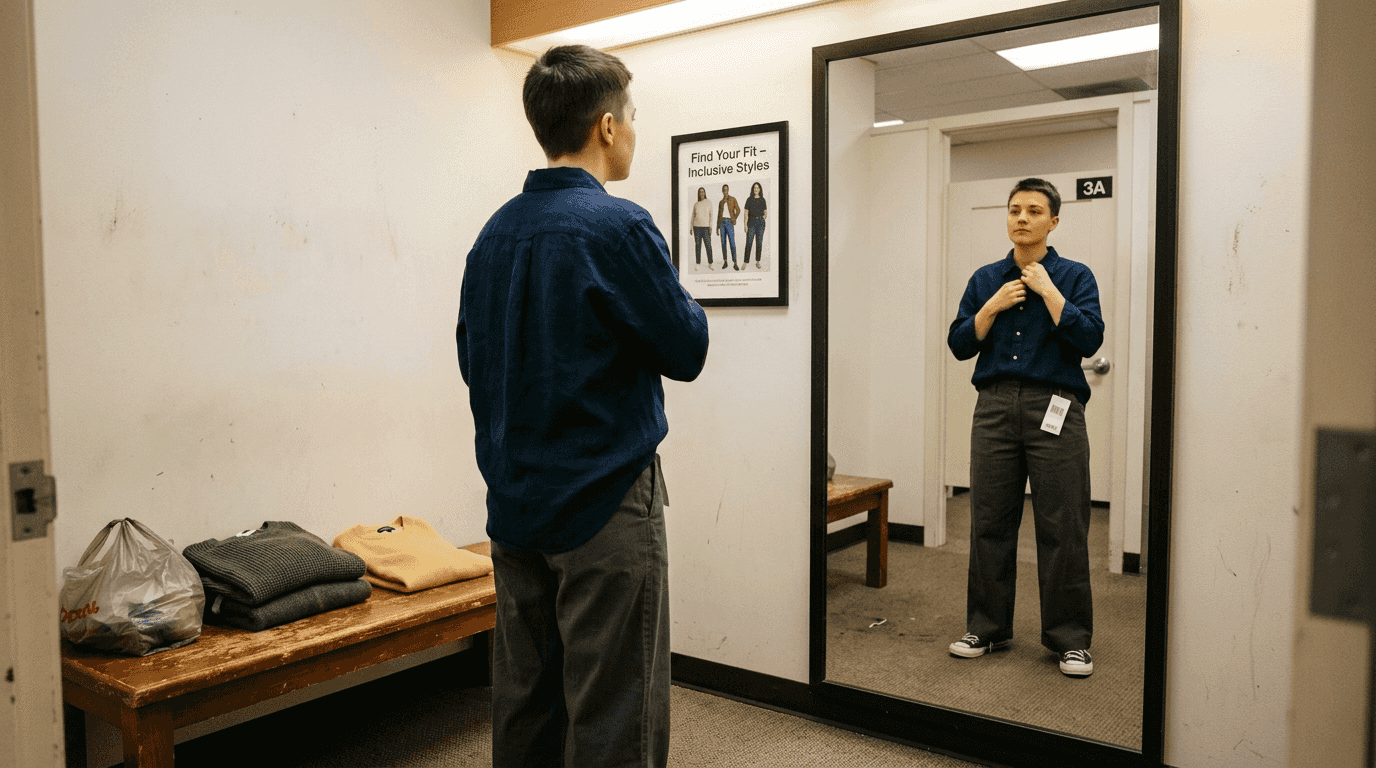
The sizing problem runs deep. Traditional men’s and women’s sizing assumes specific body proportions that don’t reflect human diversity. Gender-neutral sizing should account for various shoulder widths, hip measurements, torso lengths, and body shapes, but many brands simply split the difference or default to masculine proportions labeled as neutral.
Retail availability compounds these challenges. Most stores still organize clothing by gender, making gender-neutral options hard to find or forcing shoppers to navigate uncomfortable spaces. Online shopping helps but introduces new problems around inconsistent sizing and return hassles. Labels often confuse matters further, with unisex, gender-neutral, and genderless used interchangeably despite meaningful differences.
To navigate these obstacles successfully:
- Research brands specifically committed to inclusive sizing and gender-neutral design philosophy
- Study detailed size charts rather than relying on S/M/L labels that vary wildly between brands
- Read customer reviews focusing on fit comments from people with similar body types
- Start with versatile pieces like oversized shirts or adjustable items that accommodate variation
- Prioritize retailers with flexible return policies allowing comfortable experimentation
- Join online communities sharing fit recommendations and brand experiences
- Consider custom or made-to-measure options when budget allows for perfect fit
Pro Tip: Take your own measurements accurately and keep them handy when shopping online. Compare your measurements directly to brand size charts rather than guessing at letter sizes, which vary enormously across companies and clothing categories.
Some brands genuinely prioritize inclusivity, expanding size ranges and consulting diverse communities during design. Others slap gender-neutral labels on existing products without meaningful changes. Learning to distinguish authentic commitment from marketing requires research and skepticism.
Clothing shopping tips online young adults provides practical strategies for navigating e-commerce challenges and finding clothes that work for your unique body and style preferences in an increasingly digital marketplace.
The industry shows progress but significant gaps remain. Understanding global fashion retail explained helps contextualize why change happens slowly and where to find brands leading innovation. Many designers now incorporate sustainable materials fashion principles alongside inclusive design, recognizing that ethical fashion encompasses both environmental and social justice.
Current industry trends and what to expect in 2026 and beyond
Mainstream brands like Gucci, Zara, and H&M launched genderless collections indicating broad market acceptance, though with varying degrees of success and authenticity. These high-profile launches signal that gender-neutral fashion has moved from niche to mainstream consideration.
| Brand | Collection Features | Strengths | Limitations |
|---|---|---|---|
| Gucci MX | Fluid silhouettes, wide size range, high fashion aesthetic | Celebrity adoption, cultural cachet, design innovation | Premium pricing limits accessibility |
| Zara Ungendered | Basic wardrobe staples, affordable pricing, retail availability | Accessible entry point, practical pieces | Limited size range, minimal style variety |
| H&M Denim United | Denim focus, inclusive sizing, sustainable materials | Broader size options, eco-conscious | Narrow product category |
| Phluid Project | Community-centered, inclusive design, identity-affirming | Authentic representation, diverse team | Smaller scale, regional availability |
Not all launches succeeded smoothly. Zara’s ungendered line sparked debate about gender expression and clothing variety, with critics noting the collection featured mostly oversized basics that defaulted to masculine aesthetics rather than truly celebrating diverse identities.
Current trends shaping 2026 fashion include:
- Oversized and loose silhouettes dominating casual wear across gender categories
- Mixing traditionally masculine tailoring with feminine fabrics and details
- Layering systems allowing personalized styling regardless of body type
- Bold colors and patterns replacing the neutral basics stereotype
- Functional design prioritizing pockets, comfort, and movement
- Tech integration with adaptive features serving diverse needs
Looking ahead, expect significant market growth. Industry analysts project gender-neutral fashion segments expanding rapidly as younger consumers gain purchasing power and older generations become more accepting. This growth will likely drive improved sizing standards, wider style variety, and more brands entering the space.
Innovation areas to watch include adaptive closures serving mobility needs, customizable fit systems, size-inclusive pattern grading, and technology enabling virtual try-ons that work for diverse bodies. Brands investing in these areas position themselves for long-term success in an evolving market.
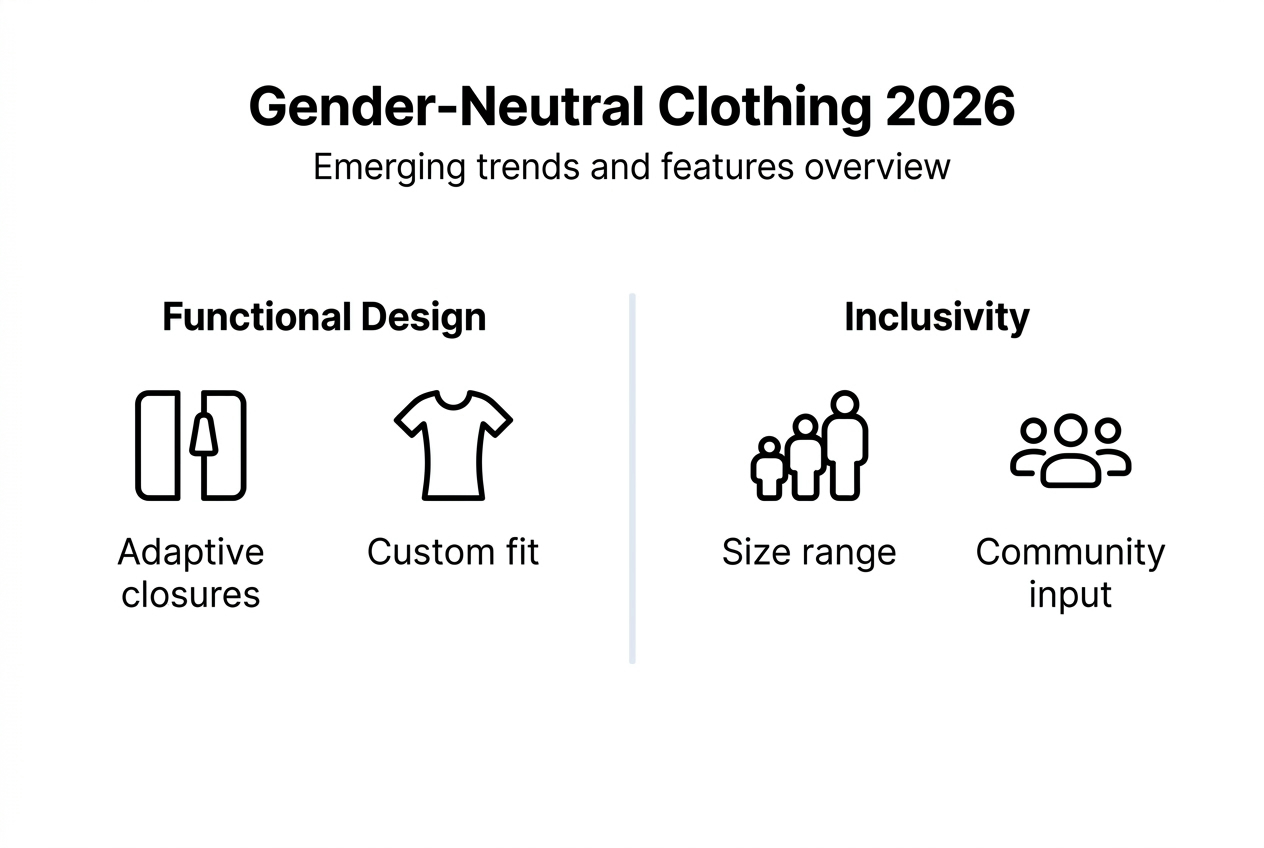
The conversation continues evolving too. Some advocate for eliminating gender categories entirely in fashion retail, organizing by style or function instead. Others emphasize maintaining options while expanding what falls under each category. These debates shape how the industry develops over coming years.
Top fashion trends 2026 casual style tips explores how gender-neutral design influences broader fashion movements, with inclusive principles increasingly informing mainstream collections even when not explicitly marketed as genderless.
Explore gender-neutral styles at Smoked Times
At Smoked Times, we design casual clothing that works for everyone seeking comfortable, authentic self-expression. Our collections prioritize inclusive fits and versatile styling that transcends traditional gender categories, focusing on how clothing makes you feel rather than who it’s supposed to be for.
Our hoodies, t-shirts, and casual pieces feature relaxed silhouettes and quality materials that move with diverse bodies and identities. We believe fashion should empower rather than restrict, offering styles that let you show up as yourself without compromise.
Pro Tip: Build your wardrobe around versatile basics that reflect your authentic style, then add statement pieces that spark joy. Fashion works best when it serves your identity, not the other way around.
Explore our Smoked Times brand story to learn more about our commitment to inclusive, comfortable fashion that celebrates diverse identities and helps everyone feel confident in what they wear.
FAQ
What is the difference between unisex and gender-neutral clothing?
Unisex clothing offers simple, neutral designs that anyone can wear, typically featuring basic silhouettes and minimal styling in neutral colors. Gender-neutral fashion takes a more intentional approach, designing specifically for diverse gender identities and body types with inclusive sizing systems and thoughtful cuts that celebrate the full gender spectrum.
How can I find gender-neutral clothing that fits well?
Start by checking detailed size charts and comparing your actual measurements rather than relying on letter sizes that vary between brands. Read customer reviews from people with similar body types to understand how pieces actually fit. Look for brands genuinely committed to inclusive design and prioritize retailers with flexible return policies that allow comfortable experimentation. Clothing shopping tips online young adults offers additional strategies for navigating fit challenges.
Why is gender-neutral fashion important for self-expression?
Gender-neutral fashion promotes self-expression and authenticity beyond traditional labels, breaking restrictive norms that limit how people present themselves. It allows individuals to dress according to their true identity rather than assigned gender categories, supporting broader acceptance and visibility for diverse identities. This freedom in fashion helps people feel more confident and authentic in their daily lives. The role of fashion in self-expression explores how clothing choices communicate identity and values.
Are gender-neutral clothes just oversized basic items?
While some brands default to oversized basics, authentic gender-neutral fashion encompasses diverse styles, cuts, and aesthetics. True gender-neutral design considers various body proportions and style preferences rather than simply making everything loose and neutral. The best brands offer options ranging from tailored to relaxed, bold to minimal, ensuring everyone finds styles that resonate with their personal aesthetic.
Which brands offer genuine gender-neutral options in 2026?
Several brands prioritize authentic inclusive design, including The Phluid Project, TomboyX, Wildfang, and Kirrin Finch, which center diverse communities in their design process. Mainstream brands like Gucci, Zara, and H&M offer genderless lines with varying success, though some face criticism for limited sizing or minimal style variety. Research brand commitments, read community reviews, and prioritize companies consulting diverse voices during design.
Recommended
- Eco-Friendly Clothing Explained: Beyond Green Labels – Smoked Times
- Winter Fashion Guide 2026: Master Casual Layering Trends – Smoked Times
- 7 Sustainable Apparel Options for Eco-Conscious Shoppers – Smoked Times
- Casual Outfit Guide 2026: Build Your Perfect Winter Look – Smoked Times
- 7 Minimalist Wardrobe Essentials You Need Today – San Rocco Italia
- Was ist Unisex-Parfüm? Kompletter Ratgeber für 2025 – Pure Parfüm