


Eco-Friendly Clothing Explained: Beyond Green Labels
Finding winter clothes that keep you warm and look good can feel tough when you care about environmental impact and ethical choices. For young adults seeking true sustainability, the world of eco-friendly clothing is filled with both inspiration and confusion—thanks to myths about price, style, and access that just do not hold up. This guide clears the air on key concepts in sustainable fashion, giving practical insights so you can make more conscious choices without sacrificing personality or comfort.
Table of Contents
- Eco-Friendly Clothing: Key Concepts And Misconceptions
- Types Of Eco-Friendly Fabrics And Materials
- Ethical Production And Supply Chain Standards
- Certifications And Recognizing True Sustainability
- Challenges, Greenwashing, And How To Shop Smart
Key Takeaways
| Point | Details |
|---|---|
| Sustainable Fashion Misconceptions | Many consumers wrongly assume sustainable fashion is too expensive, unfashionable, or inaccessible. In reality, it offers diverse, affordable options. |
| Importance of Certifications | Certifications such as GOTS and Fair Trade are crucial for identifying true sustainable practices. They assure consumers of a brand’s commitment to ethical and ecological standards. |
| Circular Economy Principles | Embracing circular design and recycled materials is essential for reducing waste and environmental impact in clothing production. Consumers can contribute by purchasing secondhand or ethically made items. |
| Smart Shopping Strategies | To navigate the sustainable fashion landscape effectively, consumers should research brands, seek verified certifications, and demand transparency in production practices. |
Eco-Friendly Clothing: Key Concepts And Misconceptions
Sustainable fashion represents a complex, dynamic approach to clothing production and consumption that goes far beyond simple green labels. Sustainable fashion systems challenge traditional manufacturing paradigms by integrating social and ecological considerations into every stage of clothing design and production.
The landscape of eco-friendly clothing involves several critical misconceptions that prevent wider adoption. Many consumers believe sustainable fashion is inherently expensive, unfashionable, or inaccessible - myths that couldn’t be further from the truth. In reality, sustainable fashion offers diverse options across multiple price points and style preferences.
Key concepts in eco-friendly clothing include:
- Circular Design: Creating garments meant to be reused, recycled, or biodegraded
- Ethical Labor Practices: Ensuring fair wages and safe working conditions for textile workers
- Low-Impact Materials: Utilizing fabrics with reduced environmental footprints
- Minimal Waste Production: Implementing manufacturing processes that minimize textile waste
Fabric Selection plays a pivotal role in sustainable fashion. Sustainable fabric options range from organic cotton and hemp to innovative materials like recycled polyester and bamboo textiles. These materials significantly reduce environmental impact compared to traditional textile production methods.
Pro tip: Start your sustainable fashion journey by purchasing one secondhand or ethically produced item per season to gradually transform your wardrobe without overwhelming financial investment.
Types Of Eco-Friendly Fabrics And Materials
Sustainable textiles have revolutionized the fashion industry by introducing innovative materials that dramatically reduce environmental impact. Sustainable textile innovations are transforming how we think about clothing production, offering eco-friendly alternatives that minimize water consumption, reduce toxic chemical use, and lower overall carbon emissions.
The landscape of sustainable fabrics is rich and diverse, encompassing several key categories of environmentally conscious materials:
- Organic Cotton: Grown without harmful pesticides or synthetic fertilizers
- Recycled Polyester: Created from reclaimed plastic bottles and industrial waste
- Hemp: A rapidly renewable crop requiring minimal water and no pesticides
- Bamboo: Fast-growing material with natural antimicrobial properties
- Tencel/Lyocell: Produced from wood pulp using closed-loop manufacturing processes
Recycled clothing materials represent a particularly promising frontier in sustainable fashion. Recycled fabric technologies enable manufacturers to transform post-consumer waste into high-quality textile products, effectively reducing resource depletion and minimizing environmental footprints. These innovative approaches demonstrate how circular economy principles can be practically applied in clothing production.
Understanding the nuanced environmental impacts of different fabrics is crucial for making informed sustainable fashion choices. Each material offers unique benefits, from reduced water usage to lower greenhouse gas emissions, providing consumers with multiple pathways to more responsible clothing consumption.
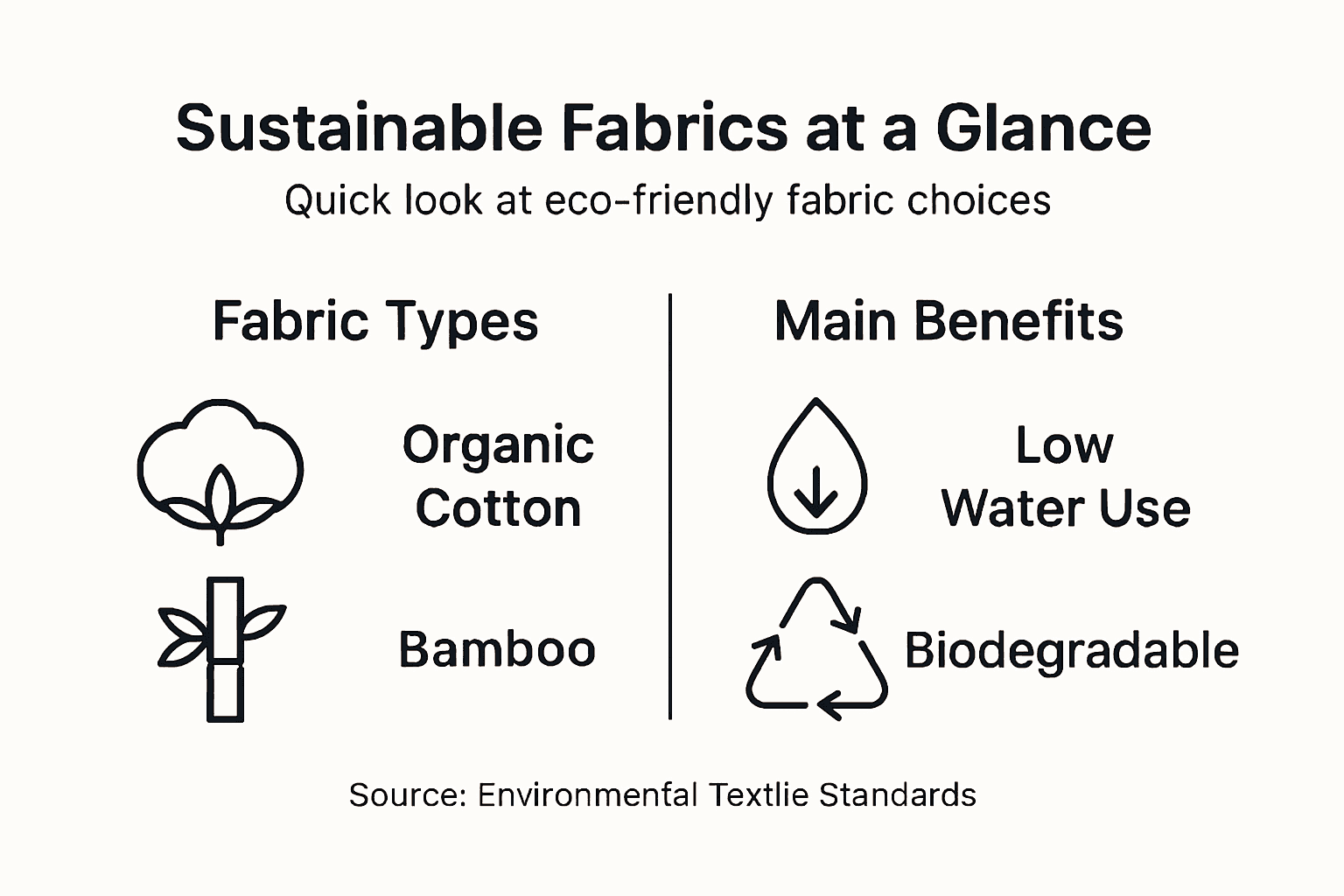
Here’s a quick comparison of eco-friendly fabric types, highlighting their major environmental benefits and any potential limitations:
| Fabric Type | Main Environmental Benefit | Limitation or Challenge |
|---|---|---|
| Organic Cotton | No synthetic pesticides/fertilizers | Can require significant water |
| Recycled Polyester | Reduces waste from plastics | Not biodegradable |
| Hemp | Grows with minimal resources | Limited color/fiber options |
| Bamboo | Rapid growth, natural properties | Some processes can be chemical-heavy |
| Tencel/Lyocell | Closed-loop, low waste production | Source wood must be sustainable |
Pro tip: When shopping for eco-friendly clothing, look for certifications like Global Organic Textile Standard (GOTS) or OEKO-TEX to verify the sustainability credentials of your chosen fabrics.
Ethical Production And Supply Chain Standards
Ethical production represents a comprehensive approach to transforming fashion industry practices beyond simple sustainability claims. Ethical production standards encompass a holistic framework that addresses worker rights, environmental responsibility, and transparent manufacturing processes.
The core components of ethical production in sustainable fashion include:
- Fair Labor Practices: Ensuring living wages and safe working conditions
- Environmental Compliance: Minimizing ecological impact through responsible manufacturing
- Transparent Supply Chains: Providing complete visibility into production processes
- Worker Empowerment: Supporting worker rights and community development
- Responsible Resource Management: Reducing waste and optimizing resource consumption
Supply chain transparency has become a critical concern for conscious consumers. Sustainable production transparency enables buyers to understand the true social and environmental cost of their clothing choices. This approach goes beyond simple certification, demanding comprehensive accountability from brands throughout their entire production network.
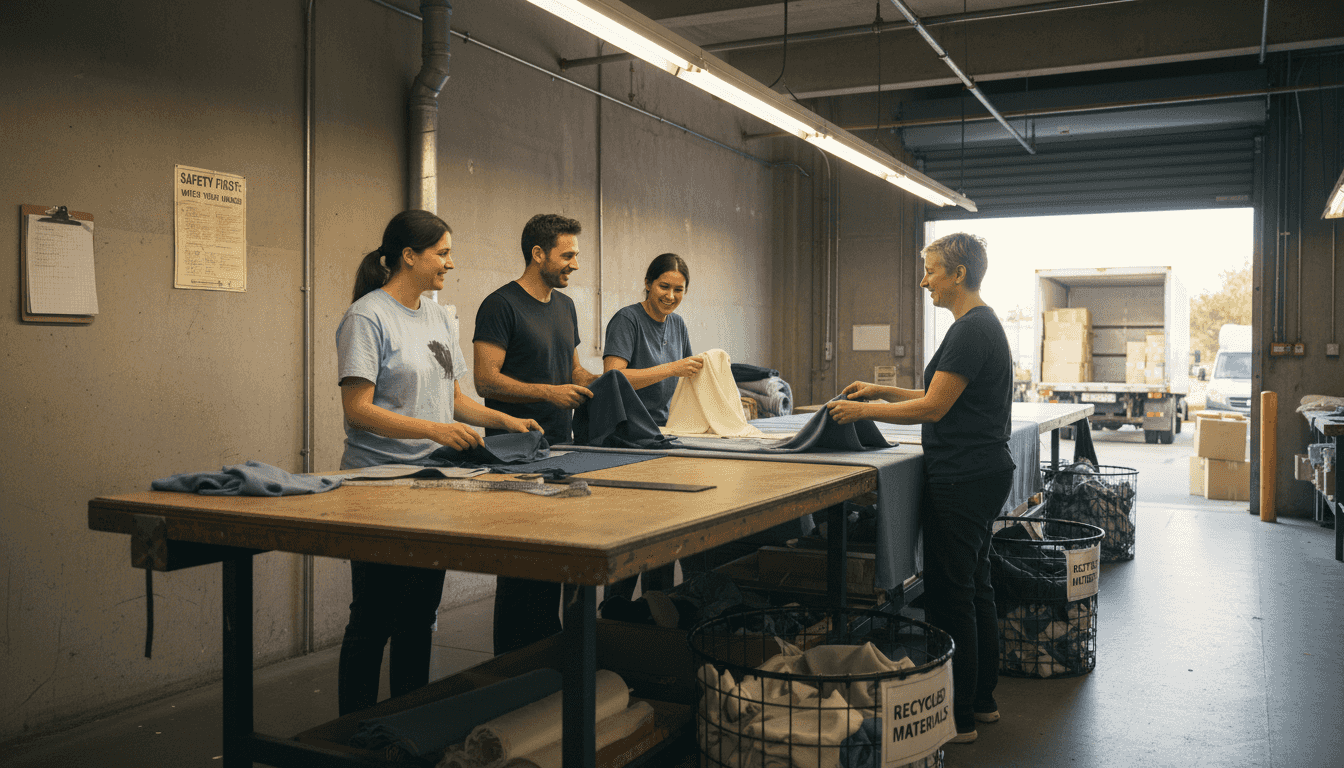
Modern ethical production integrates advanced technologies and social responsibility to create meaningful change. By prioritizing human rights, environmental stewardship, and economic fairness, brands can transform traditional manufacturing paradigms and create more sustainable, equitable clothing ecosystems.
Pro tip: Research brands using third-party certification platforms like Fair Trade or B Corp to verify their ethical production credentials before making a purchase.
Certifications And Recognizing True Sustainability
Navigating the complex world of sustainable fashion requires understanding the critical role of sustainability certifications. These specialized credentials serve as vital indicators of genuine environmental and social responsibility, moving beyond superficial marketing claims to provide concrete evidence of a brand’s commitment to ethical practices.
Key sustainability certifications that consumers should recognize include:
- GOTS (Global Organic Textile Standard): Verifies organic fiber content and environmental processing
- Fair Trade Certified: Ensures fair wages and safe working conditions for workers
- OEKO-TEX Standard 100: Confirms textile products are free from harmful chemicals
- Bluesign: Guarantees environmental health and safety in textile production
- B Corp Certification: Demonstrates comprehensive social and environmental performance
Consumer knowledge plays a pivotal role in driving sustainable fashion forward. Consumer sustainability understanding is increasingly important as more people seek transparent and responsible clothing options. These certifications provide a critical framework for understanding the true environmental and social impact of clothing production, helping shoppers make more informed decisions.
Beyond simple labeling, these certifications represent a comprehensive approach to assessing a brand’s total sustainability impact. They examine everything from raw material sourcing and manufacturing processes to worker treatment and environmental stewardship, offering a holistic view of a product’s true ecological footprint.
The following table summarizes the major sustainability certifications and their key focus areas, helping consumers identify what each verifies:
| Certification | Focus Area | What It Verifies |
|---|---|---|
| GOTS | Organic content, processing | Organic fibers, responsible production |
| Fair Trade | Worker justice, fair pay | Living wages, safe conditions |
| OEKO-TEX Standard 100 | Chemical safety in textiles | Free from harmful substances |
| Bluesign | Environmental safety, chemicals | Restricted chemical use, eco impact |
| B Corp | Social & environmental performance | Overall company sustainability |
Pro tip: Always cross-reference multiple certification sources and look for brands that provide detailed transparency reports about their sustainability practices.
Challenges, Greenwashing, And How To Shop Smart
The journey toward sustainable fashion is fraught with complex obstacles that challenge even the most conscientious consumers. Consumer barriers in green apparel reveal significant challenges that go far beyond simple purchasing decisions, including widespread skepticism, limited product availability, and higher price points.
Greenwashing represents a critical challenge in sustainable fashion, characterized by misleading marketing tactics that create an illusion of environmental responsibility. Key indicators of greenwashing include:
- Vague Environmental Claims: Statements lacking specific, verifiable details
- Irrelevant Certifications: Using misleading or unrelated eco-labels
- Hidden Trade-offs: Highlighting one sustainable aspect while ignoring broader environmental impacts
- False Imagery: Using nature-themed graphics that suggest environmental commitment
- Manufactured Transparency: Creating an appearance of openness without substantive change
Smart shopping strategies require critical evaluation and deep research. Consumers must look beyond surface-level marketing, demanding concrete evidence of sustainability through verified certifications, transparent supply chain information, and comprehensive environmental impact assessments. This approach transforms purchasing from a passive consumer activity to an active form of environmental advocacy.
Effective sustainable fashion navigation demands ongoing education, critical thinking, and a willingness to challenge corporate narratives. By developing a nuanced understanding of environmental claims, consumers can make informed choices that genuinely support ecological and social responsibility.
Pro tip: Always request detailed sustainability reports from brands and cross-reference their claims with independent certification bodies before making a purchase.
Discover Sustainable Comfort With Smoked Times
The article highlights the challenges of finding truly eco-friendly clothing that combines ethical production, sustainable fabrics, and style without overwhelming your budget. If you want to avoid greenwashing and embrace authentic sustainability like circular design and low-impact materials, start with your everyday essentials. Our Cotton T-Shirts are crafted with care to offer classic comfort while aligning with values that matter. These basics provide a simple way to build a wardrobe that supports ethical labor practices and reduces environmental impact.
Explore our full Hoodies Collection made for seasonal warmth using responsible materials and production methods. Visit SmokedTimes.com today to shop with confidence and join a growing community that prioritizes genuine sustainability. Don’t wait to upgrade your wardrobe with pieces that reflect your commitment to the planet and people. Act now to feel good in what you wear every day.
Frequently Asked Questions
What is sustainable fashion?
Sustainable fashion refers to clothing production and consumption practices that prioritize environmental and social responsibility across all stages of design, manufacturing, and distribution.
What are some key concepts of eco-friendly clothing?
Key concepts include circular design, ethical labor practices, low-impact materials, and minimal waste production, all aimed at reducing environmental damage and promoting fair treatment of workers.
How can I identify truly sustainable fabrics?
Look for certifications such as Global Organic Textile Standard (GOTS), Fair Trade Certified, and OEKO-TEX Standard 100, which provide assurance of the sustainability and ethical sourcing of fabrics.
What should I be aware of when it comes to greenwashing?
Greenwashing occurs when brands make misleading claims about their environmental practices. Key indicators include vague claims, irrelevant certifications, hidden trade-offs, and false imagery that suggest sustainable practices without substantial evidence.