


What Is Fast Fashion and Why It Matters Now
Shopping for winter looks that feel good, look great, and do not leave a heavy impact on the planet can feel like a real challenge. While fast fashion promises new trends at unbeatable prices, its rapid cycle often hides the true cost—massive textile waste, environmental damage, and labor issues affect communities from Southeast Asia to North America. This guide uncovers the truth behind fast fashion, clears up common misconceptions, and highlights truly sustainable, affordable ways to stay stylish all winter.
Table of Contents
- Defining Fast Fashion And Common Misconceptions
- How Fast Fashion Brands Operate Globally
- Major Environmental And Social Impacts
- Why Fast Fashion Is Controversial Today
- Sustainable Alternatives To Fast Fashion
Key Takeaways
| Point | Details |
|---|---|
| Understanding Fast Fashion | Fast fashion is characterized by rapid production cycles and a focus on low-cost, trendy clothing, significantly impacting global sustainability and labor practices. |
| Environmental and Social Impacts | The industry generates substantial textile waste and carbon emissions, while also perpetuating human rights violations in manufacturing regions. |
| Consumer Awareness | Millennials and Gen Z are increasingly recognizing the systemic issues of fast fashion, pushing for more ethical and sustainable production practices. |
| Sustainable Alternatives | Emerging practices like clothing rental, second-hand markets, and eco-conscious brands are providing consumers with responsible alternatives to fast fashion. |
Defining Fast Fashion and Common Misconceptions
Fast fashion represents a global retail phenomenon characterized by rapidly produced clothing that quickly reflects current trends at low prices. The core business model thrives on speed, affordability, and constant style turnover, creating a complex ecosystem of production and consumption that extends far beyond simple garment manufacturing.
The fundamental characteristics of fast fashion include:
- Extremely short design-to-retail cycles (often weeks)
- Low-cost clothing production
- Frequent collection launches mimicking high-end runway designs
- Disposable clothing mentality encouraging frequent purchases
- Leveraging social media and digital marketing for trend acceleration
Contrary to popular belief, fast fashion isn’t just about cheap clothing. Rapid production cycles dramatically impact global sustainability, creating significant environmental challenges. The industry generates massive textile waste, with millions of garments discarded annually, contributing substantially to global carbon emissions and landfill problems.
Here’s a comparison highlighting the differences between traditional fashion and fast fashion business models:
| Aspect | Traditional Fashion | Fast Fashion |
|---|---|---|
| Production Cycle | Seasonal, months-long | Weekly, rapid turnaround |
| Trend Adoption | Slow, curated | Immediate, mass replication |
| Pricing Strategy | Premium, higher margins | Low-cost, volume-driven |
| Environmental Impact | Lower overall waste | High textile waste and emissions |
Millennials and Gen Z consumers are particularly complex in their fast fashion engagement. While they demonstrate heightened environmental awareness, they simultaneously remain price-sensitive and trend-driven. Social media influencers play a critical role in perpetuating fast fashion’s appeal, showcasing affordable, trendy outfits that create instant consumer desire.
Common Misconceptions About Fast Fashion:
- Affordable always means low quality
- Trendy clothing is inherently unsustainable
- Consumers have limited alternatives to fast fashion brands
- Environmental impact is negligible
Pro tip: Before purchasing, evaluate clothing’s potential longevity and versatility beyond immediate trend cycles.
How Fast Fashion Brands Operate Globally
Fast fashion brands have developed a sophisticated global operational model that prioritizes speed, affordability, and trend responsiveness. Global supply chains enable rapid production cycles, allowing companies to transform runway designs into affordable consumer products within weeks, not months.
Key operational strategies of fast fashion brands include:
- Decentralized manufacturing across multiple countries
- Minimal inventory management
- Real-time trend tracking through digital platforms
- Algorithmic design and production forecasting
- Rapid prototyping and quick-turn manufacturing
Major global players like Zara, H&M, Uniqlo, and Shein have perfected a business model that leverages international supply networks to produce clothing incredibly fast. Their approach involves continuous monitoring of fashion trends, instant design replication, and lightning-fast production turnaround that keeps consumer interest perpetually engaged.
Global Production Dynamics:
- Southeast Asian countries provide primary manufacturing capabilities
- Digital technologies enable near-instantaneous design transmission
- Sophisticated logistics networks support worldwide distribution
- Minimal production costs drive competitive pricing strategies
Fast fashion’s global strategy transforms traditional clothing production into a hyper-responsive, trend-driven ecosystem.
Environmental Considerations: These brands increasingly face pressure to address their environmental footprint, with growing demands for sustainable and circular economy practices. Many are now exploring more responsible production methods to maintain consumer trust and market relevance.
Pro tip: Research a brand’s supply chain transparency before making purchasing decisions.
Major Environmental and Social Impacts
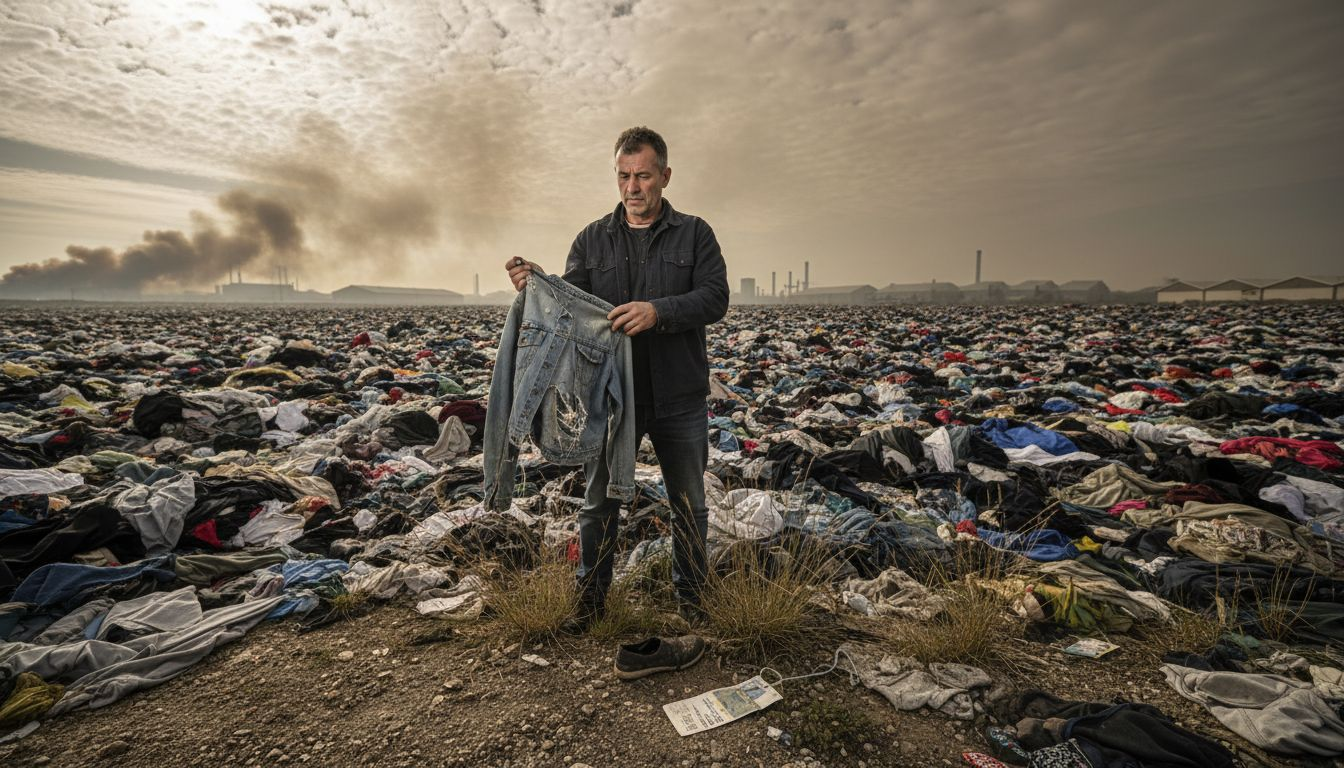
The fast fashion industry generates devastating environmental consequences that extend far beyond simple clothing production. Textile manufacturing creates massive ecological damage, with the sector contributing approximately 10% of global carbon emissions and consuming enormous water resources.
Key environmental challenges include:
- Excessive water consumption in textile production
- High levels of chemical pollution
- Massive textile waste generation
- Significant carbon emissions
- Destruction of natural habitats during raw material sourcing
Beyond environmental concerns, fast fashion perpetuates profound social injustices in manufacturing regions. The industry frequently exploits vulnerable workers, particularly in developing countries, through practices that include unsafe working conditions, minimal wages, and systematic labor rights violations.
Human Rights Concerns:
- Child labor in textile supply chains
- Unsafe factory working environments
- Minimal worker compensation
- Limited workplace safety protections
- Absence of meaningful labor regulations
The true cost of cheap clothing extends far beyond its price tag, encompassing environmental destruction and human exploitation.
Consumers increasingly recognize these systemic problems, driving demand for transparent, ethical production methods. Brands facing mounting pressure must redesign their operational models to prioritize sustainability and worker protection.
Pro tip: Research clothing brands’ sustainability certifications before making purchasing decisions.
Why Fast Fashion Is Controversial Today
Fast fashion has become increasingly controversial due to its complex global implications. Clothing production cycles reveal profound ethical challenges, exposing systemic problems that extend far beyond consumer trends and affordability.
Key controversies surrounding fast fashion include:
- Rapid trend obsolescence
- Environmental degradation
- Worker exploitation
- Unethical production practices
- Unsustainable consumption patterns
The industry’s core dilemma centers on its economic model, which prioritizes extremely low-cost production and constant trend turnover. This approach creates significant tension between consumer accessibility and broader social and environmental responsibilities. Wealthy nations benefit from cheap clothing while developing countries bear the substantial human and ecological costs.
Global Impact Dimensions:
- Massive textile waste generation
- Carbon emission contributions
- Labor rights violations
- Economic inequality perpetuation
- Resource depletion
The seemingly affordable price tag of fast fashion conceals enormous hidden costs to human dignity and planetary health.
Consumers are increasingly demanding transparency, driving brands to reconsider their production strategies. This shift represents a critical moment where ethical considerations are challenging the traditional fast fashion business model.
Pro tip: Prioritize quality and durability over quantity when building your wardrobe.
Sustainable Alternatives to Fast Fashion
Sustainable fashion alternatives are emerging as powerful strategies to combat the environmental and social challenges posed by traditional fast fashion models. Innovative clothing rental systems offer promising solutions, providing consumers with trend-conscious options that significantly reduce textile waste and environmental impact.
Key sustainable fashion alternatives include:
- Clothing rental platforms
- Second-hand and vintage markets
- Sustainable clothing brands
- Circular fashion models
- Upcycling and clothing repair services
- Capsule wardrobe approaches
The most effective alternatives prioritize reducing overall consumption while maintaining style and personal expression. Second-hand markets have gained tremendous traction, offering high-quality clothing at reduced prices while extending garment lifecycles and minimizing waste. These platforms enable consumers to access fashionable items without supporting the traditional fast fashion production cycle.
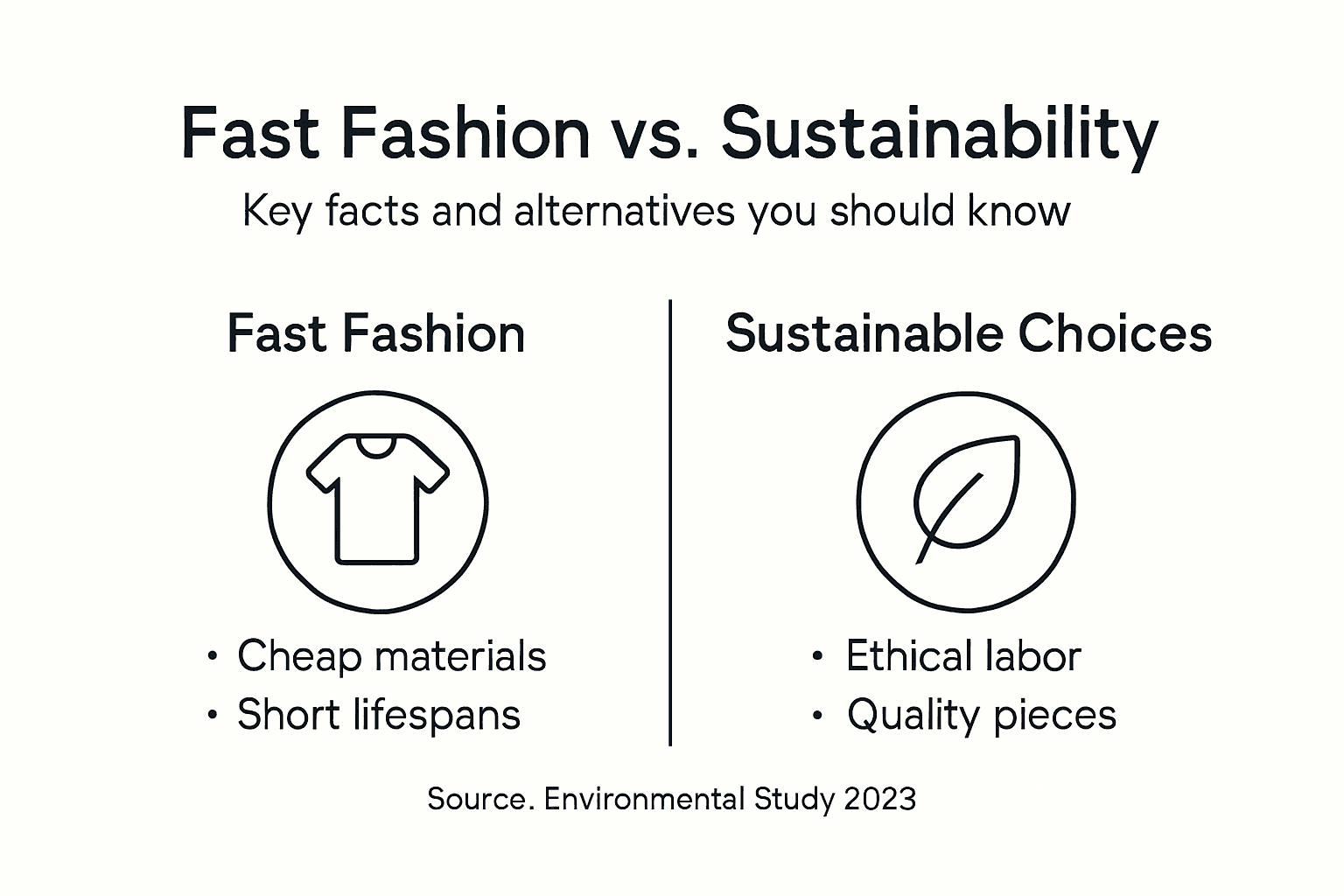
To better understand sustainable shopping options, here is a summary table of popular alternatives to fast fashion:
| Approach | How It Works | Key Advantages |
|---|---|---|
| Clothing Rental Services | Temporary garment access | Reduces waste, cost saving |
| Second-hand Marketplaces | Purchase pre-owned items | Extends clothing lifespan |
| Capsule Wardrobe Methods | Select versatile pieces | Simplifies choices, saves money |
| Upcycling & Repairs | Modify or mend garments | Promotes reuse, creativity |
Sustainable Fashion Strategies:
- Purchase from eco-conscious brands
- Invest in timeless, versatile pieces
- Repair and maintain existing clothing
- Participate in clothing swap events
- Choose quality over quantity
Sustainable fashion isn’t about sacrificing style, but reimagining consumption as a conscious, responsible choice.
Consumers increasingly recognize that their purchasing decisions directly impact global environmental and social systems. Educational interventions and increased awareness are driving meaningful changes in how people approach clothing consumption.
Pro tip: Build a wardrobe with versatile, high-quality pieces that can be mixed, matched, and worn multiple ways.
Discover Stylish, Sustainable Choices at Smokedtimes
Understanding the true impact of fast fashion means recognizing the urgent need for mindful and lasting wardrobe selections. This article highlights how rapid trend cycles and disposable clothing contribute to massive waste and environmental damage. If you want casual and comfortable apparel that balances style without compromising on quality or sustainability, Smokedtimes offers a thoughtful alternative.
Explore our wide range of hoodies, pullovers, and t-shirts crafted to be durable and versatile. By choosing from our seasonal collections, you take a step toward a wardrobe built on quality over quantity. Act now and enjoy our special bundle offers and promotions designed to maximize value without the hidden costs of fast fashion. Visit Smokedtimes to start building your sustainable style today.
Frequently Asked Questions
What is fast fashion?
Fast fashion is a retail phenomenon characterized by rapidly produced clothing that reflects current trends at low prices. The business model focuses on speed, affordability, and a constant turnover of styles.
What are the negative impacts of fast fashion?
Fast fashion generates significant environmental challenges, including massive textile waste, high carbon emissions, excessive water consumption, and pollution. It also perpetuates social issues, such as unsafe working conditions and labor rights violations in developing countries.
How does fast fashion affect sustainability?
The rapid production cycles of fast fashion significantly impact sustainability by creating large amounts of waste and contributing to ecological degradation. The industry is a major contributor to global carbon emissions and environmental damage due to its low-cost manufacturing practices.
What are some sustainable alternatives to fast fashion?
Sustainable alternatives include clothing rental platforms, second-hand markets, sustainable clothing brands, upcycling, and capsule wardrobe methods. These options aim to reduce consumption, extend garment lifecycles, and promote responsible fashion choices.