


What Is Seasonal Apparel and Why It Matters
Cold days bring a new set of challenges for anyone looking to balance style and comfort outdoors. Finding the right winter apparel means considering not just warmth but how unpredictable weather can impact daily plans and mood. This guide helps you decode the true meaning of seasonal apparel, bust common myths, and discover how weather-driven demand shapes your choices, so you can make smarter decisions and take advantage of the best seasonal promotions.
Table of Contents
- Seasonal Apparel Defined And Misconceptions
- Apparel Types For Each Season Explained
- Key Characteristics Of Seasonal Clothing
- How Seasonality Impacts Shopping And Retail
- Risks, Costs, And Common Mistakes In Seasonal Fashion
Key Takeaways
| Point | Details |
|---|---|
| Seasonal Apparel Characteristics | Seasonal apparel is designed for specific weather variations and consumer lifestyles, requiring precise demand forecasting and responsiveness to climate changes. |
| Influence of Consumer Behavior | Modern retailers must adapt strategies to shifting consumer preferences and technological advancements in fabric design to remain relevant. |
| Risks in Seasonal Fashion | Brands face risks such as demand forecasting errors and financial exposure due to unsold inventory, necessitating proactive inventory management strategies. |
| Impact of Seasonality on Retail | Retail strategies must evolve to include data-driven approaches for inventory and pricing, aligning with complex consumer behaviors shaped by seasonal dynamics. |
Seasonal Apparel Defined and Misconceptions
Seasonal apparel represents clothing products strategically designed and marketed for specific time periods, driven by climatic variations and consumer demand patterns. Unlike traditional clothing lines, these garments are characterized by their limited availability and targeted design approach tailored to particular weather conditions and lifestyle needs.
Understanding seasonal apparel requires recognizing its complex dynamics. Seasonal clothing demand varies dramatically based on dynamic weather factors like temperature and wind chill, not just calendar dates. The key characteristics include:
- Short production and selling periods
- Highly responsive to weather changes
- Require precise demand forecasting
- Influenced by regional climate variations
- Often tied to specific consumer lifestyle activities
Misconceptions about seasonal apparel are prevalent in the fashion industry. Many consumers and retailers mistakenly believe seasonal clothing follows rigid, predictable patterns. However, modern seasonal apparel is far more nuanced. Factors like global climate shifts, changing consumer preferences, and technological advancements in textile manufacturing have transformed how we understand and produce seasonally relevant clothing.
Weather responsiveness is perhaps the most critical aspect of seasonal apparel. Contrary to traditional thinking, seasonal clothing isn’t simply about warm or cold weather gear. It’s a sophisticated interplay of:
- Climate adaptability
- Consumer comfort
- Fashion trend alignment
- Performance functionality
- Cultural and regional preferences
Pro tip: Invest in versatile seasonal pieces that can be layered or adapted across multiple weather conditions for maximum wardrobe flexibility.
Apparel Types for Each Season Explained
Seasonal clothing represents a dynamic wardrobe strategy that adapts to changing weather conditions and lifestyle needs. Seasonal apparel demand shifts dramatically based on temperature, precipitation, and regional climate variations, making it essential to understand the unique characteristics of clothing for each season.
Each season demands specific clothing types designed to address comfort, functionality, and style. Here are the key apparel categories for different seasonal periods:
-
Spring Apparel:
- Light layering pieces
- Breathable fabrics
- Waterproof jackets
- Transitional color palettes
- Versatile lightweight sweaters
-
Summer Apparel:
- Lightweight, cooling materials
- Short-sleeve shirts
- Shorts and lightweight pants
- Moisture-wicking athletic wear
- Beach and resort clothing
-
Fall Apparel:
- Medium-weight jackets
- Long-sleeve shirts
- Layering pieces
- Sweaters and cardigans
- Darker, richer color tones
-
Winter Apparel:
- Heavy insulated coats
- Thermal underwear
- Thick sweaters
- Snow and ski gear
- Waterproof and windproof outer layers
Consumer behavior significantly influences seasonal clothing choices. The apparel industry must continuously adapt to changing preferences, technological advancements in fabric design, and evolving lifestyle trends. Modern seasonal clothing goes beyond mere temperature protection, representing a sophisticated blend of fashion, functionality, and personal expression.
Here’s a summary of how each season impacts apparel selection:
| Season | Primary Focus | Typical Materials | Style Considerations |
|---|---|---|---|
| Spring | Layering and rain | Breathable, water-resistant | Light, transitional colors |
| Summer | Cooling and comfort | Lightweight, moisture-wicking | Bright, casual and airy |
| Fall | Warmth and style | Medium-weight, textured | Earth tones, layering |
| Winter | Insulation and protection | Thick, thermal, waterproof | Dark colors, practical features |
Understanding seasonal clothing transitions requires recognizing the nuanced relationship between weather patterns, cultural activities, and individual style preferences. Clothing manufacturers and retailers must remain agile, predicting and responding to these complex dynamics.
Pro tip: Invest in versatile, high-quality base layers that can be mixed and matched across different seasonal clothing categories for maximum wardrobe flexibility and cost-effectiveness.
Key Characteristics of Seasonal Clothing
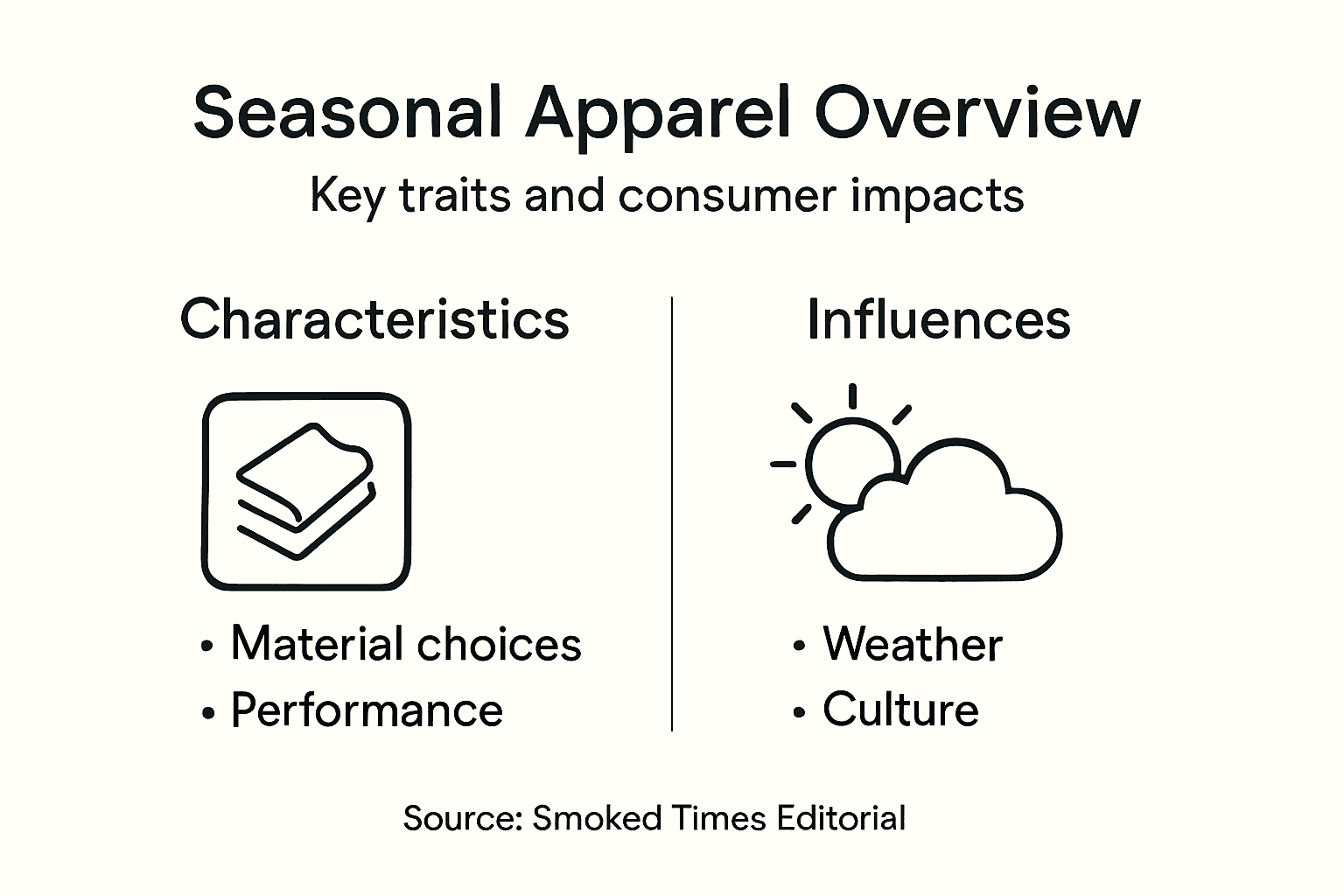
Seasonal clothing represents a complex ecosystem of design, functionality, and consumer responsiveness that goes far beyond simple temperature protection. Seasonal apparel demonstrates unique adaptive characteristics that reflect intricate relationships between material science, consumer behavior, and environmental conditions.
The fundamental characteristics of seasonal clothing can be categorized into several critical dimensions:
-
Material Adaptability:
- Temperature-responsive fabrics
- Varying insulation properties
- Moisture-wicking capabilities
- Breathability across different conditions
- Specialized textile engineering
-
Performance Attributes:
- Functional design for specific activities
- Weather-specific protection
- Enhanced mobility
- Quick-drying technologies
- Lightweight yet protective construction
-
Consumer-Driven Design:
- Trend-responsive styles
- Mood and lifestyle alignment
- Psychological comfort
- Cultural and regional variations
- Aesthetic flexibility
Modern seasonal clothing transcends traditional boundaries, incorporating advanced technologies and sophisticated design principles. Retailers and manufacturers must continuously innovate, understanding that seasonal apparel is not just about protecting against temperature fluctuations but creating a comprehensive experience that resonates with consumer expectations and lifestyle needs.
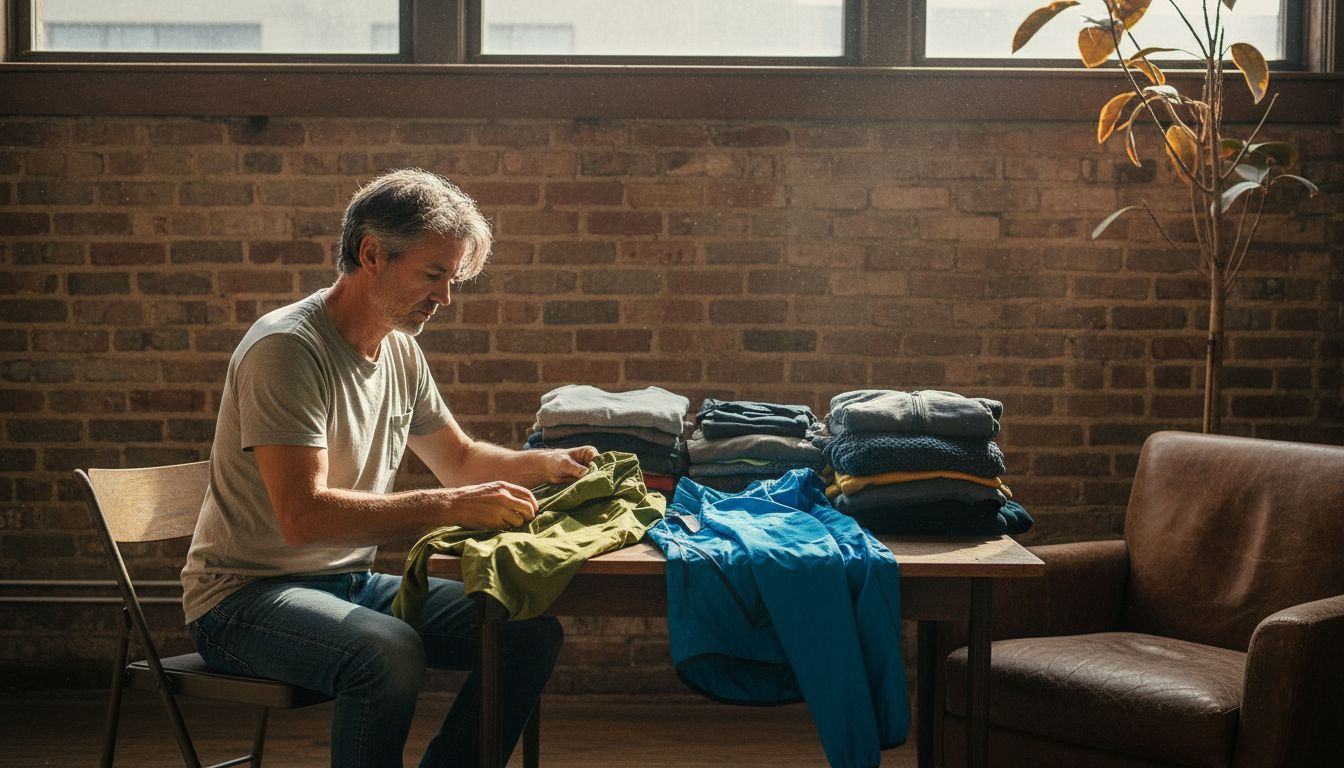
The dynamic nature of seasonal clothing requires continuous adaptation. Weather patterns, technological advancements, and shifting consumer preferences create a complex landscape where clothing must be both functional and emotionally appealing. Successful seasonal apparel brands recognize this intricate balance, developing products that seamlessly integrate performance, style, and personal expression.
Pro tip: Invest in multi-functional seasonal pieces that can be layered and adapted across different weather conditions, maximizing both wardrobe versatility and personal comfort.
How Seasonality Impacts Shopping and Retail
Shopping behaviors and retail strategies undergo continuous transformation driven by seasonal dynamics. Consumer shopping patterns shift dramatically based on complex interactions between weather conditions, cultural events, and individual lifestyle preferences.
Retail strategies must adapt to these nuanced seasonal influences through several critical approaches:
-
Inventory Management:
- Dynamic stock allocation
- Predictive demand forecasting
- Flexible purchasing strategies
- Regional temperature tracking
- Rapid product lifecycle adjustments
-
Pricing Strategies:
- Weather-responsive markdown techniques
- Promotional timing optimization
- Localized pricing models
- Demand-driven price adjustments
- Seasonal discount planning
-
Marketing Approaches:
- Targeted seasonal campaigns
- Weather-triggered advertising
- Consumer mood alignment
- Cultural event synchronization
- Lifestyle-based messaging
The retail landscape requires sophisticated data analysis and technological integration to navigate seasonal complexities. Advanced AI and machine learning algorithms enable retailers to predict and respond to subtle shifts in consumer behavior, transforming traditional merchandising approaches into dynamic, responsive systems.
Modern retailers recognize that seasonality extends beyond simple temperature changes. It encompasses psychological, cultural, and lifestyle factors that influence purchasing decisions. Successful brands develop holistic strategies that anticipate consumer needs before they become explicitly apparent, creating seamless shopping experiences across different seasonal contexts.
Pro tip: Develop a flexible inventory management system that can quickly adapt to unexpected weather variations and emerging consumer trends.
Risks, Costs, and Common Mistakes in Seasonal Fashion
Seasonal fashion involves complex challenges that can significantly impact a brand’s financial performance and market reputation. Fashion industry risks extend far beyond simple design choices, encompassing intricate supply chain dynamics, demand forecasting accuracy, and strategic inventory management.
The primary risks in seasonal fashion manifest across multiple critical dimensions:
-
Demand Forecasting Risks:
- Inaccurate trend prediction
- Overproduction of unpopular styles
- Underestimation of consumer preferences
- Misalignment with regional market needs
- Inadequate data analysis
-
Financial Exposure:
- High inventory carrying costs
- Markdown expenses for unsold items
- Potential write-offs
- Supply chain inefficiencies
- Lost revenue from missed trend windows
-
Production Challenges:
- Inflexible manufacturing processes
- Delayed market responsiveness
- Complex logistics management
- Rapid trend transformation
- Limited production scalability
The seasonal fashion ecosystem demands sophisticated strategies that balance creativity, market intelligence, and financial prudence. Successful brands develop dynamic approaches that anticipate market shifts, integrate advanced predictive technologies, and maintain operational flexibility.
This table highlights major risks in seasonal fashion and their business consequences:
| Risk Area | Example Issue | Potential Business Impact |
|---|---|---|
| Demand Forecasting | Trend prediction errors | Unsold inventory, lost revenue |
| Financial Exposure | High carrying costs | Reduced profit margins |
| Production Flexibility | Slow process response | Missed selling opportunities |
Modern fashion brands must cultivate a proactive mindset, recognizing that traditional linear production models are increasingly obsolete. The most resilient companies develop adaptive systems that can quickly pivot in response to emerging consumer preferences, technological innovations, and global market dynamics.
Pro tip: Implement real-time data analytics and machine learning tools to enhance demand forecasting accuracy and reduce inventory risk.
Stay Ahead with Versatile Seasonal Apparel from Smoked Times
Understanding the complexities of seasonal apparel means recognizing the need for clothing that adapts to changing weather and lifestyle demands. If you have struggled with unpredictable weather patterns or felt frustrated by an inflexible wardrobe that lacks layering options and multifunctional pieces then you are not alone. Many face challenges such as the need for material adaptability, weather responsiveness, and fashion flexibility to stay comfortable and stylish throughout the year. This is where strategic seasonal apparel becomes essential.
Discover our Hoodies Collection – Premium Oversized & Fleece Hoodies – Smoked Times which offers high-quality pieces designed to provide warmth and comfort during cold seasons while maintaining a casual and trendy look.
Upgrade your seasonal wardrobe today with essentials that combine style and performance. Shop at Smoked Times now for versatile layering options and explore additional options in our Essentials – Smoked Times collection. Take control of your seasonal apparel choices and enjoy clothing that meets your comfort, style, and functional needs all year long.
Frequently Asked Questions
What is seasonal apparel?
Seasonal apparel refers to clothing designed and marketed for specific weather conditions and time periods, with characteristics like limited availability and design tailored to seasonal lifestyle needs.
How does weather affect the demand for seasonal apparel?
Weather significantly affects seasonal apparel demand as it can vary based on factors like temperature, precipitation, and wind chill, which influence what consumers choose to wear in different conditions.
What are the key characteristics of seasonal clothing?
Key characteristics of seasonal clothing include material adaptability, performance attributes, and consumer-driven design. These factors ensure clothing is suitable for specific weather conditions while meeting consumer preferences and lifestyle needs.
Why is understanding seasonal apparel important for consumers?
Understanding seasonal apparel helps consumers make informed choices about their clothing investments. It allows them to select versatile and functional garments that can adapt to changing weather, enhancing comfort and style throughout the year.