


Why Track Fashion Trends – Boost Your Style and Savings
Finding the line between comfort and cutting-edge style in winter wear can feel confusing, especially when every social feed battles to set the next big trend. Today’s fashion trends are not random or dictated only by Milan or Paris designers but reflect a blend of socially and culturally influenced phenomena shaped by global conversations and shifting values. Understanding how trends really work helps you upgrade your winter wardrobe so every hoodie or pullover feels both current and uniquely you.
Table of Contents
- Fashion Trends Defined And Common Myths
- Types Of Fashion Trends And How They Emerge
- How Trend Tracking Shapes Personal Style
- Trend Tracking’s Role In Smart Shopping
- Pitfalls Of Ignoring Or Misreading Trends
Key Takeaways
| Point | Details |
|---|---|
| Understanding Trends | Fashion trends reflect deeper social values and cultural moments, shaping personal style and identity. |
| Types of Trends | Trends range from microtrends lasting weeks to megatrends that can last decades, influencing personal and consumer choices. |
| Smart Shopping | Tracking trends helps consumers make informed purchases, ensuring items align with personal preferences and broader fashion dynamics. |
| Avoiding Pitfalls | Ignoring or misreading trends can lead to a fragmented wardrobe and missed opportunities, highlighting the importance of informed engagement. |
Fashion Trends Defined and Common Myths
Fashion trends are way more than just surface-level clothing choices. They represent socially and culturally influenced phenomena where designers, consumers, and society interact to shape what we wear. Think of a trend as a conversation between what brands suggest, what your favorite influencers rock, what your friends are wearing, and the bigger cultural moment happening around you. It’s this blend of top-down designer influence and bottom-up consumer demand that creates the shifts you notice season to season. The research on sociological perspectives of fashion shows that trends aren’t random occurrences but rather reflections of deeper social values, technological access, and global interconnectedness. When Gen Z suddenly embraces oversized hoodies and vintage vibes, it’s not arbitrary. It connects to desires for comfort, sustainability concerns, and a rejection of fast fashion excess.
Here’s where myths fall apart. Many people assume fashion trends are purely random or controlled entirely by elite designers in Milan and Paris. The reality is messier and more interesting. Trends emerge from multiple directions simultaneously: social media algorithms amplifying certain aesthetics, economic conditions making certain styles more accessible, generational values shifting, and yes, designer collections too. Another common misconception is that trends are superficial and meaningless. Fashion trends actually serve important functions in self-expression and social identity. When you choose a style, you’re communicating something about your values, your generation, your aspirations. The cyclical nature of trends also gets misunderstood. Styles return because they connect to timeless human needs for variety, belonging, and self-definition. The oversized silhouettes popular today aren’t completely new; they echo styles from the 1990s and early 2000s, but they’re recontextualized for modern life and contemporary values like body inclusivity and comfort-first fashion.
Understanding trends this way changes how you engage with your wardrobe. You’re not just following random fads. You’re participating in a conversation about who you are and what matters to your generation. Recognizing these dynamics helps you make smarter shopping decisions and feel genuinely confident in your choices rather than anxious about being “on trend” or falling behind. Winter apparel like hoodies and pullovers actually showcase this perfectly. When fashion in self-expression became increasingly important post-pandemic, oversized, cozy pieces surged in popularity because they aligned with broader cultural shifts toward comfort and authenticity.
Pro tip: Next time you’re drawn to a particular style or piece, pause and ask yourself why it appeals to you rather than just whether it’s trending. This awareness helps you build a personal style that feels authentic instead of constantly chasing what’s next.
Types of Fashion Trends and How They Emerge
Not all trends work the same way or last the same amount of time. Fashion trends break down into distinct categories based on their scope and longevity. Microtrends are short-lived styles that spike quickly and fade just as fast. Think of that specific TikTok aesthetic that blows up for three months then disappears, or the sudden craze for a particular color or silhouette that dominates one season. Macrotrends are broader, longer-lasting shifts that influence multiple seasons and product categories. These shape the overall direction of fashion for a year or more, like the sustained move toward oversized silhouettes, comfort-first designs, or minimalist color palettes. Then there are megatrends, the massive cultural shifts that reshape fashion for years or even decades. Sustainability in fashion, the casualization of workwear, and the rise of gender-neutral clothing all qualify as megatrends because they fundamentally change how the industry operates and what consumers expect.
Here’s a breakdown of fashion trend types and how long they usually last:
| Trend Type | Typical Longevity | Main Drivers | Key Impact on Fashion |
|---|---|---|---|
| Microtrend | Weeks to months | Social media, viral buzz | Rapid style shifts |
| Macrotrend | 1-3 years | Cultural shifts, retail | Influences major themes |
| Megatrend | Several years+ | Technology, society | Changes industry norms |
Understanding how trends actually emerge helps you predict which ones matter for your personal style. Trend forecasting methods combine data analysis with cultural observation to identify emerging patterns before they hit mainstream awareness. Trends typically start with innovators and early adopters, small groups pushing boundaries and experimenting with new aesthetics. Social media accelerates this process dramatically. A micro-influencer or Gen Z creator rocks something new, their followers notice, then suddenly thousands of people are searching for that exact vibe. But social signals alone don’t create trends. Economic conditions matter too. When people face financial uncertainty, demand for affordable basics increases, which pushes retailers to highlight value pieces. Cultural moments also spark trends instantly. A major film, celebrity breakup, or political movement can shift what feels relevant to wear overnight. How trends emerge involves interactions of cultural, technological, and societal changes, making them complex phenomena driven by multiple forces simultaneously.
Trends follow a predictable lifecycle that helps explain why some styles stick around while others vanish. They begin with early adopters creating buzz, move into rapid growth as more people adopt the style, reach saturation when everyone has access to it, then decline as the trend feels overplayed and people crave something new. Winter apparel shows this clearly. Oversized hoodies hit the early-adopter phase around 2018, exploded into mainstream adoption during the pandemic, and now occupy a strange middle ground where they’re still popular but no longer feel novel. Recognizing where a trend sits in this cycle helps you make smarter shopping choices. If you love a style but it’s already at peak saturation, consider whether you’re buying it because it genuinely aligns with your taste or because it’s everywhere. Understanding color trends in apparel and their broader impact helps you identify which color palettes are emerging versus declining.
Pro tip: Focus on adopting trends in the early or early-growth phases rather than waiting until saturation, which gives you a longer window to enjoy the style before it feels dated, and helps you build a more distinctive personal aesthetic.
How Trend Tracking Shapes Personal Style
Tracking fashion trends isn’t about becoming a slave to what’s popular. It’s about arming yourself with information to make smarter choices about your wardrobe. When you understand what’s emerging in the fashion world, you gain the ability to adapt and refine your personal style in alignment with evolving market and social dynamics. This means you can spot trends early that genuinely resonate with who you are, adopt them before they hit peak saturation, and integrate them authentically into your existing wardrobe. Someone who tracks trends might notice the shift toward sustainable winter apparel and intentionally seek out ethical brands, whereas someone ignoring trends might stumble onto fast fashion basics without considering environmental impact. The difference is intentionality. You’re not following trends blindly. You’re using trend information to express identity, stay relevant, and make informed wardrobe choices that balance your individuality with contemporary aesthetics.
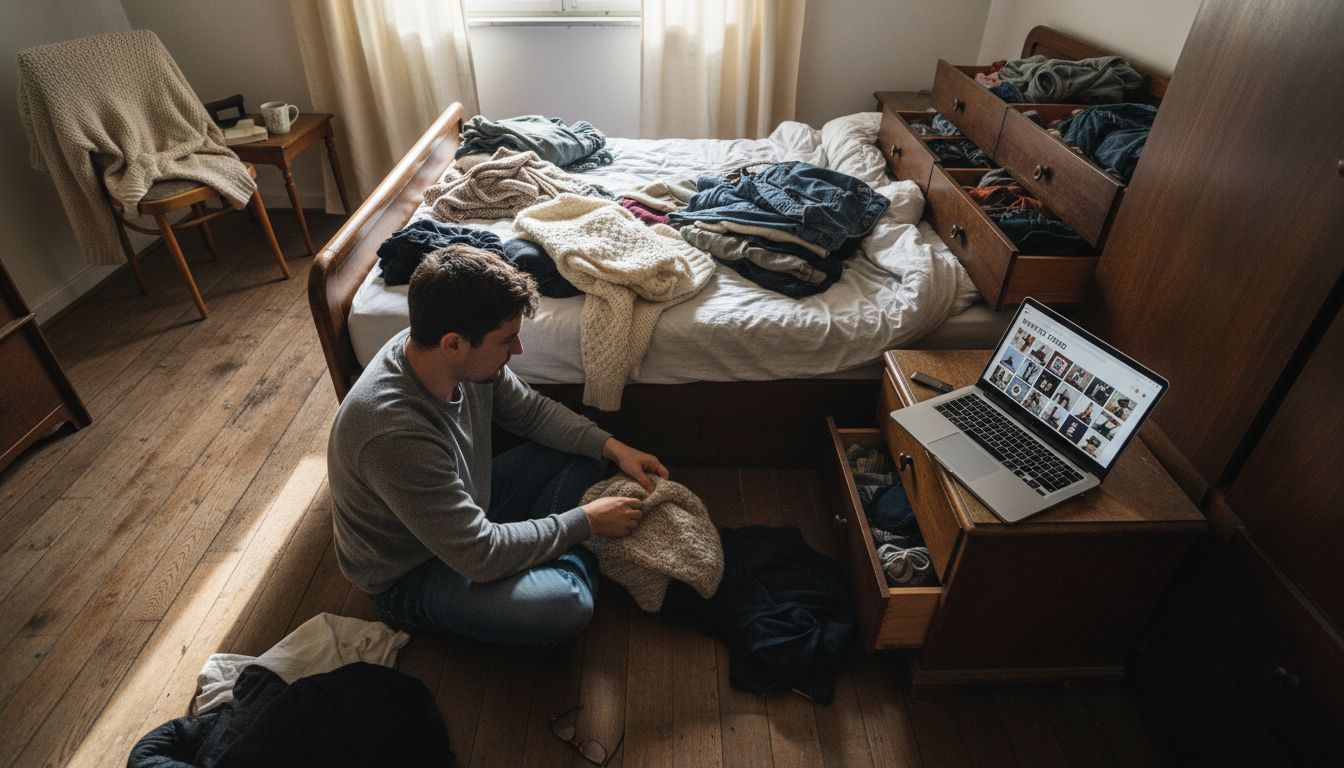
Consumers who engage with trend forecasting information develop stronger personal styles because they understand the broader context of their choices. When you know that oversized silhouettes will dominate winter 2025 or that earthy tones are replacing neon, you can shop strategically rather than reactively. You might discover a brand highlighting these emerging aesthetics before mainstream retailers catch up, getting quality pieces at better prices. You understand which trends align with your body type, skin tone, lifestyle, and values, so you skip the ones that look cool but don’t actually work for you. Understanding and tracking fashion trends allows you to strategically shape your personal style by anticipating shifts in the landscape. This anticipation transforms you from someone passively consuming whatever’s available to someone actively curating a wardrobe that feels distinctly yours.
The real power of trend tracking is how it connects personal authenticity with cultural awareness. You’re not just wearing what exists today. You’re making decisions based on where fashion is heading, which gives your style a sense of forward momentum and confidence. When you understand why a trend emerged and what it represents culturally, wearing it feels meaningful rather than arbitrary. That oversized hoodie isn’t just comfortable and on trend. It represents a cultural shift toward valuing comfort and authenticity post-pandemic. This deeper understanding helps you build a wardrobe that tells a coherent story about who you are and what matters to you. You develop a personal aesthetic instead of a collection of random pieces. Tracking trends also keeps you financially savvy because you recognize which purchases have longevity versus which are fleeting impulses. A quality basic hoodie in a trending neutral shade offers more value than a gimmicky trend piece you’ll abandon in three months.
Pro tip: Create a digital mood board or Pinterest folder tracking trends you genuinely love, then review it monthly to see which styles consistently appeal to you across different seasons, helping you distinguish true personal preferences from passing fascinations.
Trend Tracking’s Role in Smart Shopping
Smart shopping doesn’t mean buying everything you like. It means buying strategically, with intention and purpose. When you track fashion trends, you gain the ability to predict demand and optimize your purchases before seasonal shifts leave you holding pieces nobody wants to wear anymore. Think about what happens when you ignore trends. You buy a sweater in a color that was everywhere last season, only to discover it’s already fading from relevance. You miss out on emerging pieces that would work beautifully with your existing wardrobe. You make impulse purchases based on what’s available right now rather than what will actually serve you for months. Trend tracking changes this equation entirely. By leveraging trend forecasting data, you can invest in versatile, timely pieces that maximize value while minimizing unnecessary expenditure. This means spending money on hoodies in shades you’ll actually wear for multiple seasons, not impulse buying basics that won’t coordinate with anything.
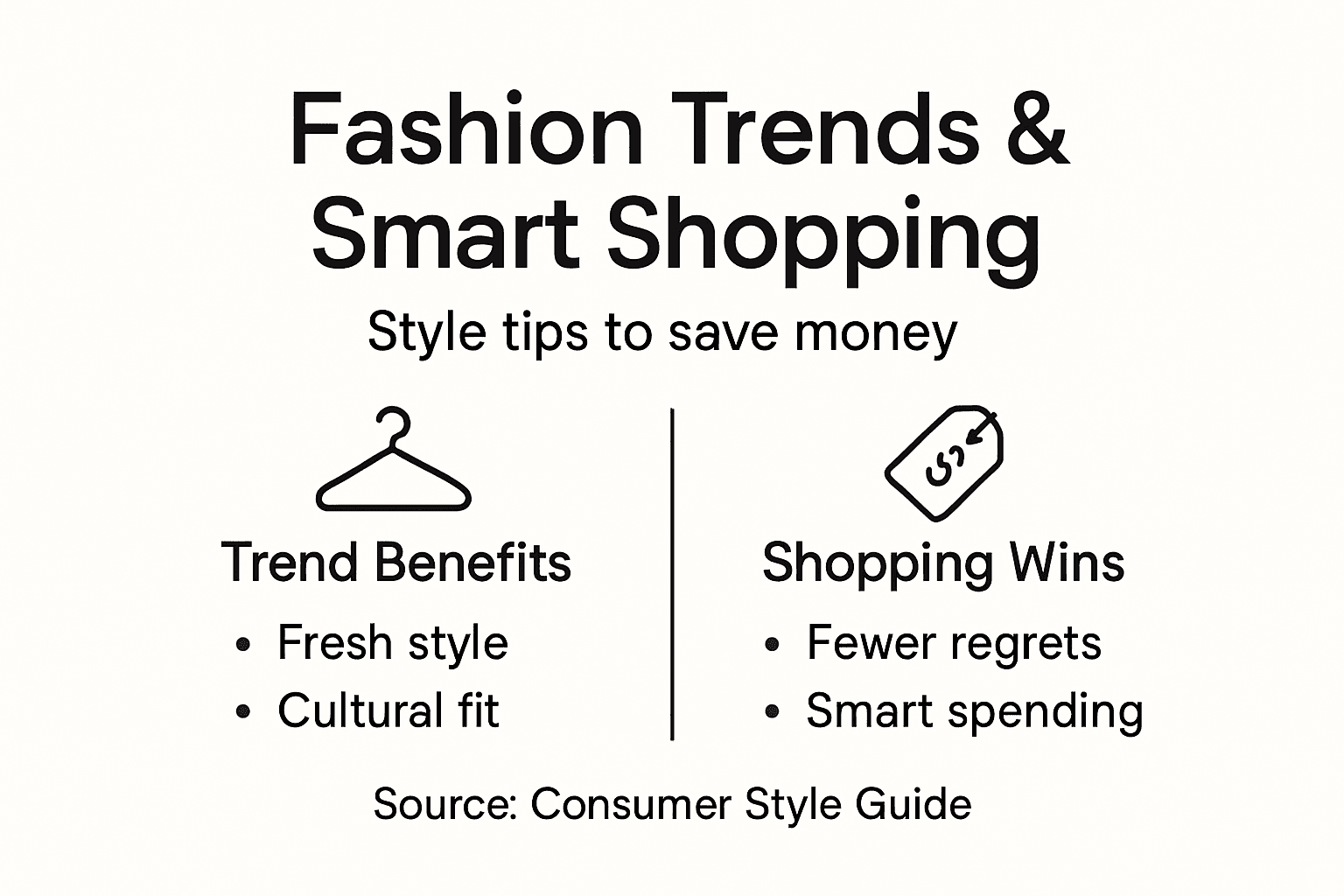
The financial advantage becomes obvious when you understand how retailers use trends to manage inventory. They stock items based on predicted demand. When you shop aware of emerging trends, you’re shopping when inventory is fresh and selection is strong, not waiting until everything’s picked over or marked down to clearance prices. More importantly, trend awareness helps you avoid the impulsive buy trap. You walk into a store and see something marked down 40 percent. Your instinct is to grab it because the price is right. But if you understand that style is past peak and declining, that markdown exists because demand is dropping. You might buy it anyway, but you’re making an informed choice rather than a desperate one. Research on consumer behavior shows that awareness of trends empowers shoppers to avoid impulsive buys and focus on durable, on-trend items that complement existing wardrobes. This shift from reactive to proactive shopping directly translates to savings.
Trend tracking also prevents a hidden expense: the cost of buying duplicates and pieces that don’t work together. When you understand emerging trends, you build a wardrobe with coherence. You’re not accumulating random items. You’re making connected purchases that work across multiple outfits. That neutral-toned hoodie you buy knowing earthy tones are trending coordinates with your planned purchases for next season. You’re investing in pieces that stretch across your entire wardrobe rather than isolated items that sit unused. You also become resistant to trend-chasing extremes. Understanding how trends work makes you less likely to buy something wildly trendy that only works with a very specific outfit. You recognize which trend elements have longevity and which are purely novelty. Your purchases become investments rather than experiments. Over a year, this discipline adds up significantly. You’re spending less overall while having more pieces that actually work together and make you feel confident.
Pro tip: Before any purchase, ask yourself three questions: Will this work with at least three existing pieces in my wardrobe? Will this trend still feel relevant in six months? Do I genuinely love this, or am I just reacting to the price? If you answer no to any question, skip it.
Pitfalls of Ignoring or Misreading Trends
Ignoring fashion trends might feel like standing on principle. You’re above the hype, right? You wear what you like regardless of what’s popular. But this approach carries real consequences that go beyond just looking out of touch. When you ignore trends entirely, you risk investing in obsolete styles that won’t coordinate with anything new you acquire. You end up with a fragmented wardrobe where pieces don’t work together because you bought them without understanding the larger aesthetic direction. More critically, you miss market opportunities. New brands emerge around trending aesthetics, offering quality pieces at better prices than established retailers. If you’re not paying attention, you never discover them. You’re shopping from whatever’s available in legacy retailers, often paying premium prices for outdated inventory they’re trying to clear. The financial impact compounds over time. You spend more money getting less usable wardrobe value because your purchases don’t align with emerging trends that would make them more versatile and relevant.
Misreading trends creates an even trickier situation. You notice something’s trending, so you buy into it enthusiastically, only to discover you’ve misunderstood the trend or picked the wrong execution. Maybe you see that oversized silhouettes are trending and buy an oversized sweater so massive it swallows your frame and makes you feel uncomfortable, when the actual trend is strategic oversizing that balances proportions. Or you spot a color becoming trendy and purchase it in every piece, only to discover the trend was for that color as an accent, not your entire wardrobe. Failure to accurately interpret fashion trends results in poor purchasing decisions and wasted resources. You’re still spending money, but you’re buying the wrong things. Beyond finances, misreading trends can affect how you feel socially. Lack of trend awareness can lead to reduced relevance and missing cultural signals important for belonging. When everyone around you understands a trend differently than you do, there’s a subtle disconnect that affects confidence and social comfort.
The real danger is becoming either completely trend-obsessed or completely trend-indifferent, when the healthy middle ground is informed awareness. Ignoring all trends locks you into styles that may have served you well historically but no longer reflect broader cultural moments or your evolving values. If you ignored the sustainability shift in fashion, you might still be buying fast fashion basics without realizing most of your peer group now prioritizes ethical production. Misreading trends often stems from taking them too literally or too extremely. The solution isn’t to abandon trend awareness entirely. It’s to develop discernment about which trends align with your lifestyle, body type, and values, and which ones don’t. Someone who ignores the oversized trend but wears only skinny fits misses the opportunity to explore silhouettes that might actually suit them better. Someone who blindly adopts every trending element becomes a caricature rather than a person with style. The pitfall isn’t tracking trends. It’s either ignoring them completely or following them without critical thinking.
Compare approaches to engaging with fashion trends:
| Approach | Benefits | Drawbacks |
|---|---|---|
| Informed Tracking | Authentic personal style | Requires ongoing effort |
| Blind Adoption | Social conformity | Risk of waste, less uniqueness |
| Complete Ignoring | Independent choices | Reduced relevance, fragmented wardrobe |
Pro tip: When you encounter a trend, spend two weeks observing how different people style it before buying anything, which helps you understand the actual trend versus the hype and identify executions that genuinely work for your specific situation.
Elevate Your Winter Wardrobe with Smart Trend Choices
Tracking fashion trends empowers you to make thoughtful decisions that align with your personal style and cultural shifts. The article highlights common challenges like avoiding impulsive buys and misreading trends that drain your budget and disrupt your wardrobe harmony. At SmokedTimes, we understand these struggles and offer a curated collection of casual and winter apparel designed to perfectly match emerging macro and microtrends such as oversized hoodies and comfort-first pullovers.
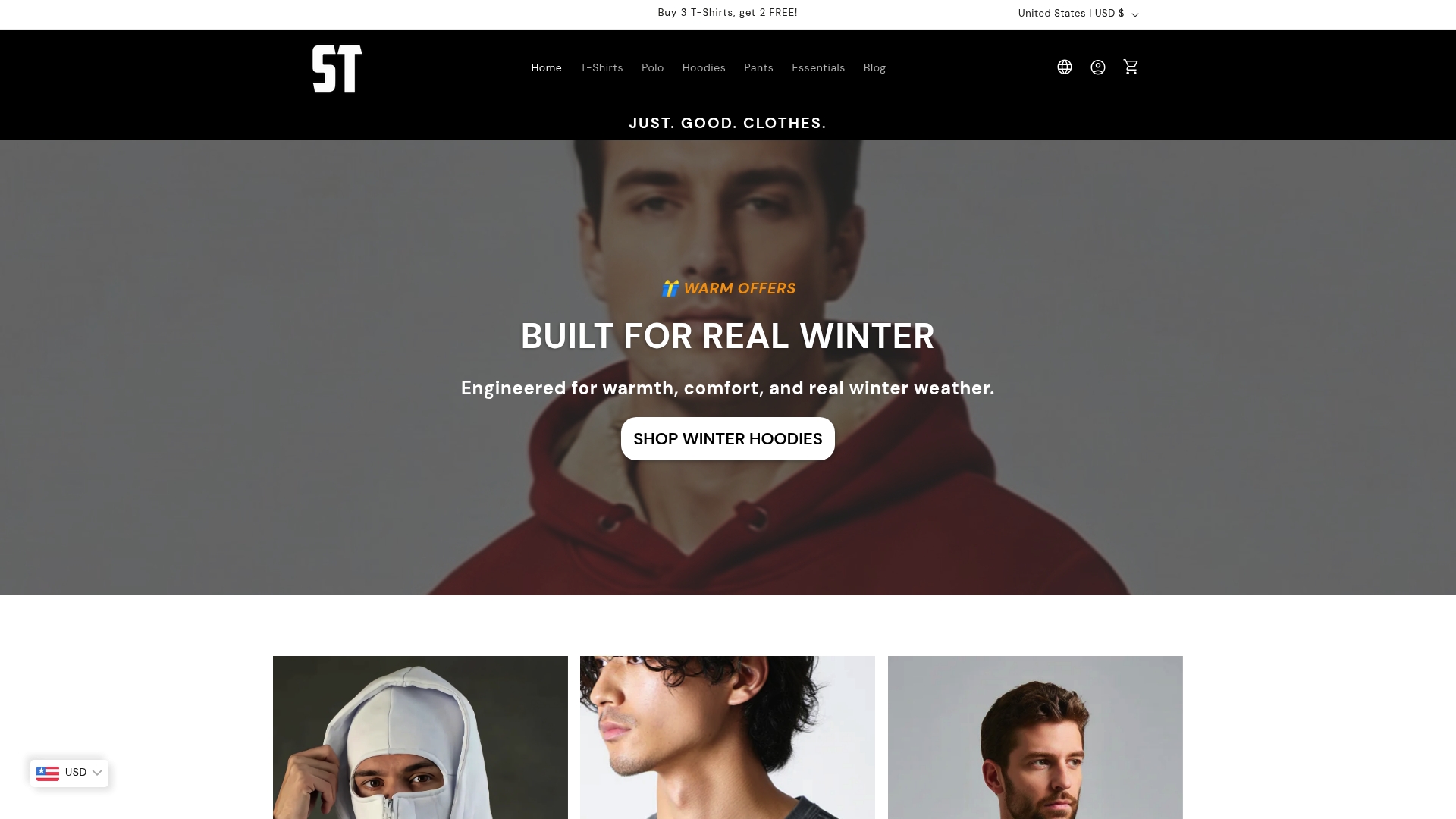
Discover versatile pieces that fit your lifestyle and help you stay ahead without chasing fleeting fads. Take advantage of our seasonal promotions and bundle offers to build a cohesive wardrobe that lasts beyond the season. Explore quality hoodies, pullovers, and T-shirts at Winter Apparel Collection and start shopping with confidence today. Make every purchase count by choosing styles that resonate with your unique taste and trend insights.
Frequently Asked Questions
What are the benefits of tracking fashion trends?
Tracking fashion trends helps you make informed wardrobe choices, allowing you to curate a personal style that aligns with current market dynamics while maximizing your investment in versatile pieces.
How do microtrends differ from macrotrends in fashion?
Microtrends are short-lived styles that become popular quickly and fade just as fast, while macrotrends are broader shifts that last longer and influence multiple seasons, shaping the overall direction of fashion.
Why is understanding trend cycles important?
Understanding trend cycles helps you identify the right time to adopt a style, allowing you to enjoy trends while they feel fresh and relevant, rather than waiting until they become overexposed and lose their novelty.
How can I ensure my purchases are well-aligned with emerging trends?
To ensure your purchases align with emerging trends, track and observe what styles are gaining popularity over time. Focus on items that work with your existing wardrobe and reflect your personal aesthetic, rather than rushing to buy what’s currently in the spotlight.