


7 Essentials for a Smart Winter Fashion Checklist
Staying warm in winter doesn’t mean you have to sacrifice style or comfort. Choosing the perfect combination of clothing can feel overwhelming with so many options for hoodies, layers, and cold-weather accessories. If your winter wardrobe often leaves you cold or bored with the same old outfits, you’re not alone.
This guide lays out practical steps for building cozy, confident winter looks that actually work in real life. You’ll discover how to pick the right fabrics, master layering, and create flexible outfits that stand up to the season’s toughest challenges. Get ready to learn how simple choices around hoodies, pullovers, and boots can completely transform your winter experience.
Table of Contents
- 1. Choose The Right Hoodie For Warmth And Style
- 2. Layer With Pullovers For Maximum Comfort
- 3. Select Winter T-Shirts For Versatile Outfits
- 4. Upgrade To Fleece-Lined Bottoms For Extra Warmth
- 5. Add Functional Accessories Like Beanies And Gloves
- 6. Pick Waterproof Footwear For Winter Weather
- 7. Mix And Match Winter Colors For A Trendy Look
Quick Summary
| Key Message | Explanation |
|---|---|
| 1. Choose the right hoodie style | Select from pullover, zip-up, oversized, or fitted based on your needs for warmth, comfort, and aesthetic appeal. |
| 2. Master layering techniques | Use a fitted base under medium-weight pullovers and layer with outer jackets to ensure comfort and style. |
| 3. Invest in quality winter t-shirts | Opt for breathable and insulating fabrics, ensuring a proper fit for versatile layering and standalone wear. |
| 4. Prioritize fleece-lined bottoms | Fleece-lined pants offer essential warmth, breathability, and style, making them ideal for winter outfits. |
| 5. Select waterproof footwear | Waterproof boots keep feet dry and warm while providing support and traction for safe navigation in winter conditions. |
1. Choose the Right Hoodie for Warmth and Style
Your hoodie is the foundation of winter comfort. Picking the right one means balancing warmth, durability, and the look you want to project.
Hoodies come in several distinct styles, each serving different purposes and preferences. Understanding your options helps you make a choice that truly fits your lifestyle.
Popular hoodie styles:
- Pullover hoodies slip over your head and offer classic simplicity
- Zip-up hoodies provide easy layering and temperature control
- Oversized hoodies deliver an effortless, relaxed aesthetic
- Fitted hoodies create a streamlined silhouette
Fabric selection directly impacts warmth and comfort throughout winter. Different materials retain heat differently and respond to moisture in unique ways.
Choosing cozy hoodies with the right fabric is essential for year-round wear. Cotton feels soft but doesn’t insulate as effectively as blended fabrics. Fleece traps warm air exceptionally well, making it ideal for harsh cold. Performance materials wick moisture while maintaining warmth during active wear.
Key fabric considerations:
- Cotton blends balance comfort with improved warmth retention
- Fleece-lined options provide superior insulation for extreme temperatures
- Polyester blends offer durability and weather resistance
- Organic cotton suits sensitive skin while maintaining softness
The right fabric makes the difference between a hoodie that merely covers you and one that genuinely keeps you warm.
Style elements transform your hoodie from functional to fashionable. Graphics and prints express personality while maintaining that casual appeal your audience loves.
Consider how your hoodie fits into your overall winter wardrobe. A versatile neutral works as a base layer under jackets or stands alone for casual outings. Bold colors and designs make statements on their own.
Think about your daily activities when choosing a hoodie. Gym sessions demand moisture-wicking performance fabrics, while casual hangouts allow you to prioritize comfort and style equally.
Pro tip: Layer your hoodie with lightweight jackets during transitional weather to extend its usability beyond peak winter months.
2. Layer With Pullovers for Maximum Comfort
Layering is the secret weapon of winter fashion. A well-placed pullover transforms your entire outfit while keeping you warm and comfortable.
Pullovers act as the perfect middle layer between your base and outer wear. They trap warmth effectively without adding bulk, giving you flexibility as temperatures shift throughout the day.
Start with a fitted base layer underneath your pullover. This foundation should be snug but breathable, allowing your pullover to sit comfortably on top without bunching or creating excess fabric.
Thickness matters when you’re stacking pieces. Mastering layering hierarchy means understanding that thinner layers go underneath and bulkier pieces go on top. This prevents awkward lumps under your jacket.
Smart layering breakdown:
- Lightweight shirt or thermal as your base
- Medium-weight pullover as your insulating layer
- Jacket or coat as your outer protection
- Consider proportions when mixing fitted and oversized pieces
Proportion play keeps your silhouette balanced and intentional. Pairing an oversized pullover with fitted pants creates visual harmony. Fitted pullovers work beautifully under structured outerwear without creating bulk.
The art of layering with pullovers lies in balance between warmth and wearability.
Your pullover color choices impact your entire winter wardrobe versatility. Neutral tones like gray, black, and cream coordinate with almost everything. Jewel tones add visual interest while remaining practical for regular rotation.
Texture adds dimension to layered outfits. A chunky knit pullover feels different from smooth cotton or performance blends, each creating distinct visual appeal.
Temperature control becomes effortless with layering. Remove your outer jacket indoors and remain comfortable. Add an extra pullover on arctic days. Your outfit adapts to your needs without sacrificing style.
Consider your activities when building layered outfits. Office environments allow heavier, more structured pullovers. Active pursuits call for moisture-wicking materials that move with you.
Pro tip: Invest in two or three neutral pullovers in different weights, then mix and match them with various base layers and jackets to maximize outfit combinations throughout winter.
3. Select Winter T-Shirts for Versatile Outfits
Winter t-shirts are the unsung heroes of your seasonal wardrobe. They work as base layers, standalone pieces, and everything in between, making them essential for outfit flexibility.
The right winter t-shirt balances breathability with insulation. You need fabric that wicks moisture while keeping you warm, especially when layering becomes part of your daily routine.
Fabric choices for winter wear:
- Merino wool blends offer natural warmth and moisture management
- Cotton-polyester blends provide comfort with added durability
- Thermal knits trap warm air close to your skin
- Performance fabrics keep you dry during active wear
Fit determines how well your t-shirt works within layered outfits. A fitted t-shirt slides underneath sweaters without bulk. Slightly looser cuts work beautifully as standalone pieces on milder winter days.
Color selection expands your outfit possibilities significantly. Building versatile winter looks means choosing neutrals like white, gray, black, and navy as foundational pieces. These coordinate with virtually everything in your closet.
Tonal layering creates depth without clashing. Pairing a darker t-shirt under a lighter sweater or vice versa creates visual interest. Monochromatic looks feel polished and intentional.
Winter t-shirts form the backbone of layerable outfits, making quality fabric and fit essential investments.
Pattern selection requires thoughtful consideration in winter dressing. Subtle patterns work better as base layers, while bolder designs shine as standalone pieces. Stripes, small prints, and texture add personality without overwhelming your look.
Layering hierarchy matters when stacking pieces. Your t-shirt sits directly against your skin, so breathability prevents sweat buildup under heavier layers. This foundation keeps you comfortable throughout the day.
Think about your activities when selecting winter t-shirts. Office environments allow you to wear styled t-shirts under blazers. Outdoor activities demand moisture-wicking capabilities that keep you dry and warm simultaneously.
Quality construction ensures your t-shirts survive repeated washing and layering. Look for reinforced seams, consistent stitching, and fabric that holds its shape after multiple wears.
Pro tip: Build a collection of five to seven versatile winter t-shirts in neutral colors and breathable fabrics, then layer them with different pullovers and jackets to create countless outfit combinations.
4. Upgrade to Fleece-Lined Bottoms for Extra Warmth
Your legs endure intense cold exposure during winter. Fleece-lined bottoms provide the insulation and comfort you need without sacrificing style or mobility.
Fleece-lined pants represent the perfect middle ground for winter dressing. They deliver warmth while maintaining breathability, preventing the clammy feeling that comes with overly heavy fabrics.
Why fleece-lined bottoms work so well:
- Interior fleece traps warm air against your skin
- Breathable outer fabric allows moisture to escape
- Lighter weight than fully insulated alternatives
- Versatile enough for casual and semi-formal settings
Flannel-lined options offer similar benefits with different aesthetic appeal. The brushed cotton interior feels soft and cozy while maintaining a polished appearance. Both fleece and flannel provide excellent insulation for typical winter conditions.
Selecting winter pants with proper insulation means considering your climate and activity level. Mild winters benefit from lighter fleece linings, while harsh cold demands thicker insulation. Your lifestyle determines how much thermal protection you actually need.
Fit and mobility matter when choosing fleece-lined bottoms. Look for pants with gussets and articulated design that accommodate movement during active wear. Tapered or straight cuts maintain style while providing adequate room for layering underneath.
Color selection impacts outfit versatility in winter dressing. Navy, black, and gray fleece-lined pants work with virtually every top in your wardrobe. These neutral tones coordinate with sweaters, hoodies, and pullovers effortlessly.
Fleece-lined bottoms transform your winter comfort level while keeping your outfit looking intentional and polished.
Weatherproofing features add practical value to fleece-lined pants. Water-resistant or windproof outer fabrics protect you from unexpected weather changes. Performance textiles maintain warmth even when exposed to moisture.
Quality construction ensures your fleece-lined bottoms last multiple seasons. Reinforced seams, consistent stitching, and secure lining attachment prevent deterioration. Investing in well-made pairs means fewer replacements over time.
Styling fleece-lined bottoms keeps your winter look fresh and current. Pair them with fitted t-shirts and lightweight sweaters for balanced proportions. Oversized pullovers create relaxed, comfortable looks perfect for casual outings.
Pro tip: Choose two to three pairs of fleece-lined bottoms in neutral colors, then mix and match them with different tops to create multiple winter outfits without excessive repetition.
5. Add Functional Accessories Like Beanies and Gloves
Accessories transform winter from merely survivable to genuinely comfortable. Beanies and gloves protect your extremities while completing your overall aesthetic.
Your head and hands lose heat rapidly in cold weather. Quality beanies and gloves act as your first line of defense against winter’s harshest conditions.
Material selection matters for winter accessories:
- Wool provides natural warmth and durability for repeated use
- Cashmere offers luxury softness with superior insulation
- Acrylic blends deliver affordability without sacrificing warmth
- Merino wool regulates temperature while resisting odors
Choosing accessories that blend function with style means considering both comfort and appearance. A beanie should fit snugly without restricting blood flow to your head. Gloves need enough dexterity for everyday tasks while maintaining warmth.
Beanie styles range from classic knits to trendy slouches. Fitted beanies work beautifully with structured outfits, while oversized versions complement relaxed casual looks. Your face shape and personal style guide which silhouette flatters you most.
Glove types serve different purposes in winter wear. Leather gloves project polish and sophistication for professional settings. Knit gloves offer cozy comfort for casual outings. Touchscreen-friendly options keep you connected without removing them.
Strategic accessory selection elevates your winter look while providing essential protection from cold conditions.
Color coordination between your beanie, gloves, and outfit matters for cohesive styling. Matching your accessories to your jacket creates a pulled-together appearance. Contrasting colors make accessories pop as focal points in your outfit.
Layering accessories adds dimension to winter looks. A beanie paired with a chunky scarf and quality gloves creates visual interest while maximizing warmth. Each piece should complement rather than compete for attention.
Practical considerations influence your accessory choices. Active outdoor time demands moisture-resistant materials with secure fits. Office environments allow you to prioritize style alongside functionality.
Invest in two to three quality beanies and at least two pairs of gloves. Quality construction means these pieces last multiple seasons, making them worthwhile investments for your winter wardrobe.
Pro tip: Choose neutral-colored beanies and gloves that coordinate with multiple outfits, then swap them seasonally to keep your winter look fresh without needing a massive accessories collection.
6. Pick Waterproof Footwear for Winter Weather
Your feet take a beating in winter. Waterproof footwear keeps them dry, warm, and protected from the season’s harshest conditions.
Wet feet lead to discomfort and potential frostbite risk. Quality winter boots seal out moisture while maintaining breathability, so you stay comfortable throughout the day.
Essential winter boot features:
- Waterproof materials seal out snow and slush
- Deep tread soles provide grip on icy surfaces
- Insulation ratings match your climate’s temperature range
- High ankle support prevents twisting on uneven terrain
- Durable construction withstands repeated wear and weather exposure
Insulation materials vary in their warmth and weight. Synthetic options like Thinsulate offer lightweight warmth without bulk. Natural wool regulates temperature while resisting moisture absorption, keeping your feet comfortable in diverse conditions.
Selecting boots with proper ankle support and insulation protects your foot health during winter months. The insulation rating indicates how cold the boot handles. Moderate winters need 200 to 400 grams of insulation, while extreme cold demands 600 grams or more.
Traction matters when navigating icy sidewalks. Look for thick soles with aggressive tread patterns that bite into ice and packed snow. Slip-resistant rubber compounds enhance safety on slippery surfaces.
Proper winter footwear prevents injury while allowing you to move confidently through snowy, icy conditions.
Comfort transforms your winter experience significantly. Boots that fit properly distribute weight evenly and reduce foot fatigue. Orthotic insole options support your arches during extended outdoor time.
Waterproofing technology varies across brands and styles. Sealed seams prevent water from entering at stress points. Waterproof membranes like Gore-Tex balance protection with breathability, stopping moisture from outside while allowing sweat to escape.
Weather conditions guide your boot selection. Slushy, wet conditions demand maximum waterproofing. Dry, cold climates allow for boots prioritizing insulation over water resistance.
Durability ensures your investment lasts multiple seasons. Quality construction with reinforced stitching and durable materials withstands repeated wear. Premium boots justify higher upfront costs through longevity.
Pro tip: Choose one pair of fully waterproof insulated boots for harsh weather and a second pair with good traction and moderate protection for milder winter days to maximize your footwear versatility.
7. Mix and Match Winter Colors for a Trendy Look
Color strategy separates forgettable winter outfits from genuinely stylish ones. The right palette elevates your entire look while complementing your complexion.
Winter demands a different approach to color than other seasons. Cool undertones and jewel tones dominate the winter palette, creating sophistication and visual impact during months of muted natural light.
Winter color palette essentials:
- Deep jewel tones like sapphire and emerald feel luxurious and modern
- Cool neutrals such as charcoal, navy, and cool grays ground your outfits
- High-contrast combinations create visual punch and interest
- Metallic accents add glamour without overwhelming simplicity
Avoid warm and muted tones that wash out your complexion during winter. These colors work beautifully in spring and summer but clash with winter’s cool aesthetic. Stick to colors with blue, purple, or cool undertones for maximum flattery.
Creating versatile color combinations for seasonal styling means understanding which shades work together. Chocolate brown paired with ecru creates warmth without sacrificing sophistication. Red combined with pink offers unexpected depth while remaining cohesive.
Contrast creates visual interest in monochromatic winter dressing. A charcoal hoodie with cream pants pops off the viewer. Navy sweater layered under a white t-shirt creates dimensional appeal.
Strategic color pairing transforms basic winter pieces into coordinated, trendy outfits that feel intentional.
Pops of color elevate typical winter neutrals effectively. Burgundy accents break up navy and black combinations. Bright jewel tones add personality without clashing with foundation colors.
Testing colors against your skin tone matters before committing. Drape potential colors near your face in natural lighting. Colors that make you look fresher and healthier work for your palette.
Mixing depth levels creates balanced, sophisticated looks. Pair darker pieces with lighter neutrals for equilibrium. Too many dark colors feel heavy, while too much lightness feels insubstantial.
Trending combinations for 2025 include chocolate brown with ecru, burgundy with plum, and deep forest green with cream. These pairings offer freshness while honoring winter’s sophisticated aesthetic.
Pro tip: Create a personal winter color palette with three to five core colors that flatter you, then build all your winter outfits around these shades to maximize mixing and matching possibilities.
Below is a comprehensive table summarizing the variety of considerations and strategies for selecting and utilizing winter clothing and accessories discussed in the article.
| Topic | Key Insights | Additional Notes |
|---|---|---|
| Hoodie Styles | Pullover, zip-up, oversized, and fitted styles serve different preferences and purposes. | Fabric selection, such as cotton blends or fleece, impacts warmth and comfort. |
| Layering Essentials | Combine fitted base layers, insulating pullovers, and outer jackets for warmth and adaptability. | Pay attention to proportions for visual balance and practical temperature regulation. |
| Winter T-Shirts | Merino wool and thermal knits provide breathability and insulation. | Fit and patterns should align with activity types and layering needs. |
| Fleece-lined Bottoms | Offer warmth with versatile style through materials like fleece or flannel. | Weatherproof features and mobility-enhancing designs enhance functionality. |
| Accessories | Wool, cashmere, or merino provide quality in beanies and gloves for warmth and style. | Match accessory colors with your wardrobe for cohesive looks. |
| Winter Footwear | Waterproof, insulated boots ensure warmth, dryness, and traction. | Optimal choices include durable materials and comfort-oriented designs. |
| Color Coordination | Jewel tones and cool neutrals create visually appealing outfits suitable for winter. | Avoid warm hues, and prioritize complementary contrasts for trendiness and flattering combinations. |
This table presents the outlined strategies and recommendations for optimizing winter attire to combine functionality with a sense of style.
Equip Your Winter Wardrobe with Must-Have Essentials from Smoked Times
Feeling challenged by the need to balance warmth, style, and versatility this winter is a common struggle. Whether you want cozy hoodies that combine comfort and fashion or fleece-lined pants to keep you protected from the cold, addressing key layering and fabric choices is crucial. The article’s focus on garments like pullovers, t-shirts, and accessories highlights how important quality basics are when building a smart winter fashion checklist. Now you can solve these seasonal pain points by upgrading your closet with the right pieces designed for warmth, style, and durability.
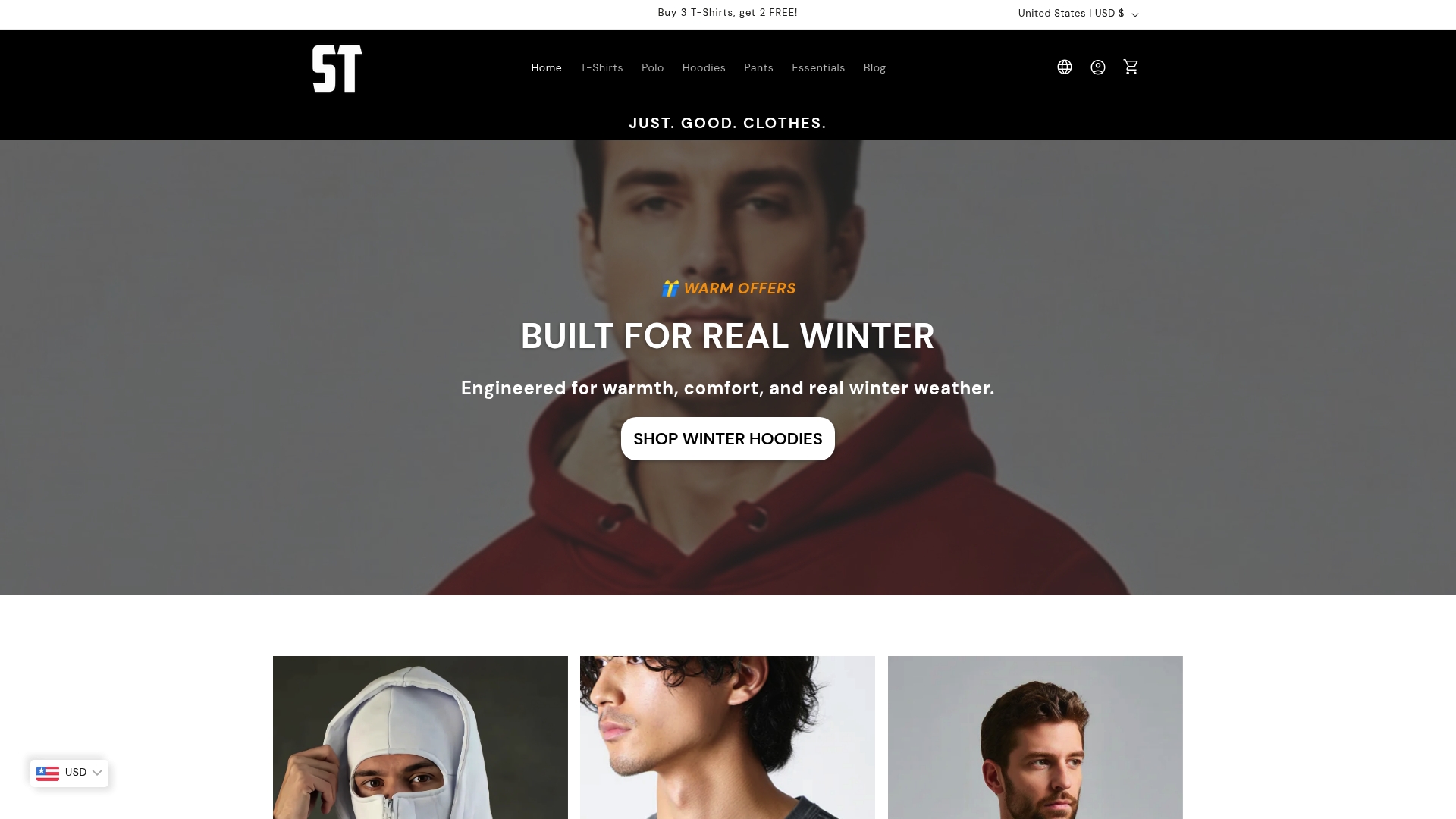
Explore our Hoodies Collection – Premium Oversized & Fleece Hoodies – Smoked Times for the perfect balance of insulation and style. Pair those with warm, versatile options from our Casual Pants for Everyday Wear – Smoked Times to stay comfortable no matter the winter weather. Don’t wait for the cold to kick in; visit Smoked Times today and build your ideal winter wardrobe with essential apparel that works hard and looks great. Refresh your look now and experience winter with confidence and comfort.
Frequently Asked Questions
How do I choose the right hoodie for winter?
To select the right hoodie for winter, consider styles that suit your lifestyle, like pullover, zip-up, oversized, or fitted options. Look for fabric that retains heat, such as fleece or cotton blends, to ensure maximum warmth and comfort throughout the season.
What materials should I look for in winter t-shirts?
In winter t-shirts, seek out breathable yet insulating fabrics such as merino wool blends or thermal knits. These materials will help wick moisture while keeping you warm, making them ideal for layering or wearing on their own.
How can I effectively layer my winter outfits?
To layer effectively, start with a fitted base layer, then add a medium-weight pullover, and finish with an outer jacket. This method prevents bulk and ensures you remain comfortable as temperatures fluctuate throughout the day, maintaining a balanced silhouette.
What features should I consider when selecting waterproof footwear for winter?
When selecting waterproof footwear, prioritize features like insulated materials, deep tread soles for traction, and ankle support. Ensure the boots are made with waterproof materials to keep your feet dry and warm in cold and wet conditions.
How can I mix and match colors for a trendy winter look?
To mix and match colors effectively, choose a winter palette that includes deep jewel tones and cool neutrals. Creating high-contrast combinations will add visual interest while ensuring your outfits remain stylish and cohesive throughout the season.