


Best Fabrics for T-Shirts: Comfort and Durability Guide
TL;DR:
- Choosing the right fabric for a t-shirt depends on balancing comfort, durability, and care, with cotton, blends, and specialty fibers each offering unique benefits. Ring-spun, combed, and premium cotton, like Pima and Supima, provide superior softness and longevity, while polyester and blends excel in moisture management and shape retention. For the softest feel, tri-blends, modal, bamboo, and merino wool blends are ideal, but they often require careful maintenance for best results.
The best fabrics for t-shirts are defined by how well they balance comfort, breathability, durability, and care requirements across repeated wear. Cotton, polyester, tri-blends, modal, and specialty fibers like bamboo and merino wool each serve different needs. The right choice depends on whether you prioritize softness for daily wear, moisture management for activity, or longevity through dozens of washes. This guide breaks down the top fabric types, their real trade-offs, and which situations each one suits best, so you can build a wardrobe that actually holds up.
1. Standard cotton: the baseline for everyday t-shirts
Standard cotton is the most widely used t-shirt material in the world, and for good reason. It breathes well, feels familiar against skin, and works for nearly every casual occasion. The trade-off is that regular cotton can shrink, pill over time, and lose its shape after repeated washing if the fabric construction is not high quality.
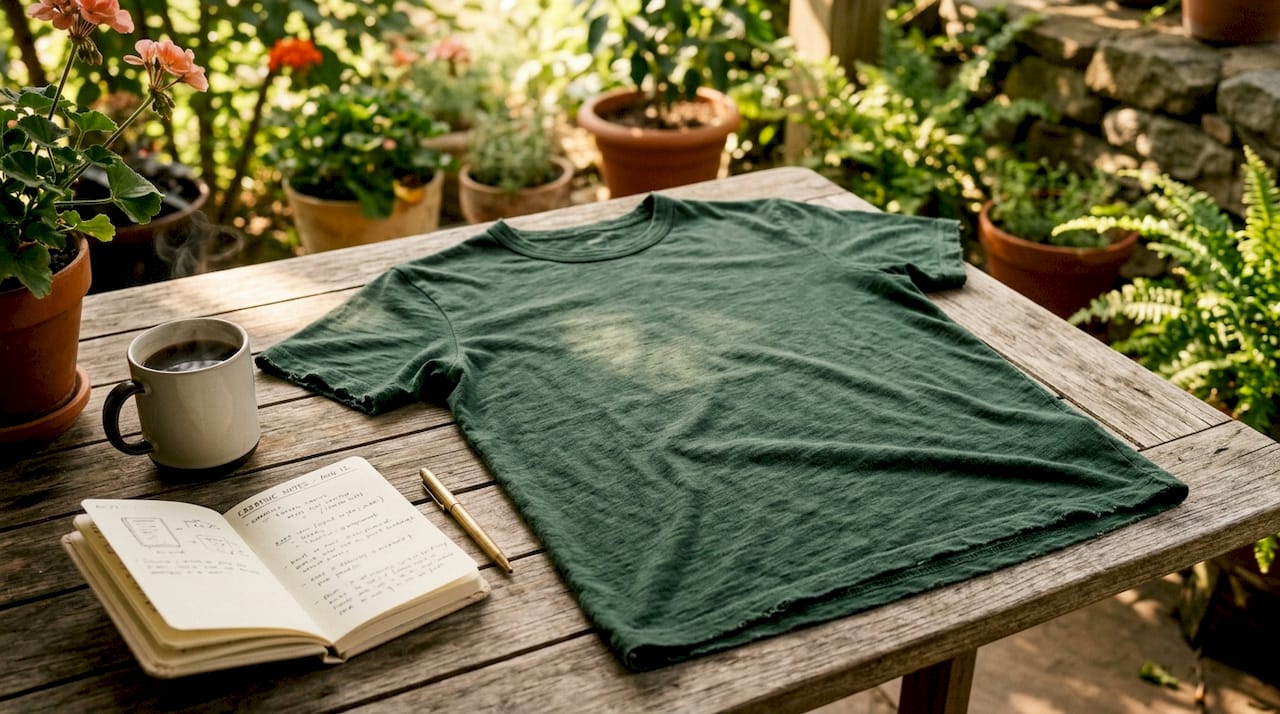
What most shoppers do not realize is that fabric weight, yarn spinning, and knit construction dramatically affect the final feel and durability, even when two shirts share identical fiber content. A 180 GSM single jersey cotton tee and a 220 GSM interlock cotton tee are both “100% cotton,” but they wear completely differently. This means reading the fiber label alone is not enough. You need to know how the fabric was made.
Standard cotton is best for budget-friendly basics, casual layering, and everyday wear where performance demands are low.
2. Ring-spun and combed cotton: the upgrade worth knowing
Ring-spun cotton is produced by continuously twisting and thinning cotton fibers into a finer, stronger yarn. Ring-spun and combed cotton significantly reduce pilling risk and improve softness compared to regular open-end spun cotton. The combing process removes short, coarse fibers before spinning, leaving only the longest and smoothest strands. The result is a noticeably softer handfeel and a cleaner surface that holds its appearance longer.
For anyone buying a t-shirt they plan to wear frequently, ring-spun or combed cotton is the minimum standard worth seeking out. The difference is tactile and immediate. If you want to understand what makes the softest cotton t-shirts feel the way they do, ring-spun construction is almost always part of the answer.
Pro Tip: Look for “ring-spun” or “combed and ring-spun” on the product label. If neither term appears, the shirt likely uses open-end spun cotton, which pills faster and feels rougher after washing.
3. Premium cotton: Pima and Supima for elevated softness
Pima and Supima cotton represent the top tier of cotton fiber quality. Both come from extra-long staple cotton plants, which produce longer, finer fibers that translate directly into a smoother, more luxurious feel. Premium cotton varieties like Pima and Supima feel smoother and provide better structure, though they carry a shrink risk if not preshrunk during manufacturing.
Supima is a trademarked designation for American-grown Pima cotton, with stricter quality controls. Both are worth the price premium for anyone who wears t-shirts as a visible part of their wardrobe rather than just as underlayers. You can read a detailed breakdown of Pima cotton t-shirts and Supima cotton to understand exactly what separates them from standard cotton.
Premium cotton’s superior feel comes from a combination of fiber quality and finishing processes like preshrinking, not just the fiber name alone.
Pro Tip: Always choose preshrunk Pima or Supima cotton for daily wear. Without preshrinking, even the finest cotton can lose a full size after the first wash.
4. Polyester: durability and moisture management
Polyester is a synthetic fiber that resists shrinking and wrinkles, wicks moisture away, and holds shape far better than cotton across repeated washes. These properties make it the dominant fabric in athletic and performance t-shirts. It dries quickly, which matters for travel and workouts where you need a shirt ready to wear again the same day.
The main limitation is breathability. Polyester traps heat more than cotton, which makes it less comfortable in hot, humid conditions where you are not actively moving. It also tends to retain odors over time if not washed promptly. For casual daily wear, pure polyester is rarely the best choice. For athletic use, it is hard to beat.
Key polyester strengths at a glance:
- Resists shrinkage across dozens of washes
- Wicks sweat away from skin during physical activity
- Holds color and shape longer than cotton
- Dries significantly faster than natural fibers
- Generally lower cost per unit than premium cotton
5. Cotton-polyester blends: the practical middle ground
Blends combine cotton’s softness and polyester’s durability, offering less shrinkage, longer wear life, and a balance of breathability and moisture management. The two most common ratios are 50/50 (equal cotton and polyester) and CVC, which stands for Chief Value Cotton, typically 60% cotton and 40% polyester. CVC blends feel softer and more cotton-like while still resisting shrinkage better than pure cotton.
The trade-off in fabric selection largely comes down to breathability from cotton versus moisture management and shrink resistance from polyester. Blends sit in the middle of that spectrum, which makes them the most versatile choice for everyday wear across different climates and activities.
| Fabric | Softness | Durability | Breathability | Best use |
|---|---|---|---|---|
| 100% cotton | High | Moderate | High | Casual, everyday wear |
| 100% polyester | Low | High | Low | Athletic, performance |
| 50/50 blend | Moderate | High | Moderate | Everyday, light activity |
| CVC (60/40) | Moderate-high | High | Moderate-high | Versatile daily wear |
6. Tri-blend fabrics: the softest option available
Tri-blend fabrics are generally the softest t-shirt fabrics available, combining cotton, polyester, and rayon in a single construction. A typical ratio is 50% polyester, 25% cotton, and 25% rayon, though this varies by manufacturer. The rayon component adds drape and a silky texture that neither cotton nor polyester can produce on their own. The result is a shirt that feels broken-in from the first wear and drapes against the body rather than sitting stiffly.
Tri-blends are popular in boutique retail and premium lifestyle brands precisely because of this feel. They also have a natural heathered appearance that gives them a vintage aesthetic without any artificial treatment. The one consideration for custom printing is that the heathered texture can affect how ink sits on the fabric, so solid-color designs tend to print more cleanly than detailed graphics.
Pro Tip: If you want the softest feel and a vintage look, tri-blend is the right call. If you plan to print a detailed logo or graphic, test on a sample first, since the heathered surface can soften fine lines.
7. Modal: premium softness with natural drape
Modal is a regenerated cellulose fiber made from beech tree pulp. It is not a synthetic in the traditional sense, but it is not a natural fiber either. Modal fabrics like TENCEL™ Modal offer an ultra-soft feel, excellent breathability, and a natural drape that makes them ideal for fitted, body-conscious t-shirts. Modal is also notably resistant to shrinkage and fading, which extends the life of the garment.
The care requirement is the main consideration. Modal performs best when washed in cold water and air-dried or tumble-dried on low heat. High heat degrades the fiber over time. For anyone building a wardrobe around comfort and longevity, modal is one of the top t-shirt materials worth investing in.
8. Bamboo fabric: softness with sustainability credentials
Bamboo fabric is produced from bamboo pulp through a process similar to modal manufacturing. The result is a fabric that is genuinely soft, naturally moisture-wicking, and has built-in antimicrobial properties that reduce odor buildup between washes. For anyone with sensitive skin, bamboo is one of the most comfortable options available because it lacks the surface texture that can irritate.
From a sustainability standpoint, bamboo grows rapidly without pesticides and requires less water than conventional cotton. The processing method matters, though. Mechanically processed bamboo linen retains more environmental benefits than chemically processed bamboo viscose. If sustainability is a priority, look for brands that specify their bamboo processing method. Smokedtimes covers sustainable fabric options in more detail for shoppers who want to make informed choices.
9. Merino wool blends: odor control and temperature regulation
Wool, especially merino blends, provides breathability, odor control, and temperature regulation that synthetic fabrics cannot replicate. Merino wool fibers are fine enough to wear directly against skin without the itch associated with traditional wool. The fiber structure naturally absorbs and releases moisture, which keeps you comfortable across a wide temperature range.
Merino blends are particularly useful for travel, where you need a shirt that stays fresh through multiple wears before washing. The care requirement is more demanding than cotton or polyester. Most merino blends require cold washing and flat drying to prevent felting and shrinkage. The payoff is a t-shirt that genuinely performs across seasons.
10. Linen and elastane blends: breathability and stretch
Linen is among the most breathable fabrics available, making it excellent for hot weather. Linen is highly breathable and great for hot weather but wrinkles easily, which limits its appeal for anyone who wants a polished look without ironing. Linen-cotton blends reduce the wrinkle problem while preserving most of the breathability benefit.
Elastane, also called spandex, is added to t-shirt fabrics in small amounts, typically 2% to 5%, to provide stretch and shape retention. Elastane blends add stretch while maintaining shape and increasing comfort without excessive clinginess when used in small quantities. A cotton-elastane blend is a strong choice for fitted t-shirts that need to move with the body without bagging out at the collar or hem over time.
Key takeaways
The best t-shirt fabric is determined by fiber type, yarn construction, and finishing process together, not by any single factor alone.
| Point | Details |
|---|---|
| Cotton construction matters | Ring-spun and combed cotton outperform standard cotton in softness and durability. |
| Blends offer the best balance | CVC and 50/50 blends reduce shrinkage while preserving breathability for daily wear. |
| Tri-blend is the softest option | Cotton, polyester, and rayon together produce the softest handfeel and best drape. |
| Premium cotton needs preshrinking | Pima and Supima cotton feel superior but require preshrunk processing to hold their size. |
| Specialty fibers solve specific problems | Modal, bamboo, merino, and elastane blends address odor, stretch, and sustainability needs. |
What I’ve learned from years of wearing and testing t-shirt fabrics
Most fabric guides stop at fiber content, and that is where they go wrong. I have worn enough t-shirts to know that two shirts labeled “100% cotton” can feel completely different. The yarn spinning method, the GSM weight, and whether the fabric was preshrunk matter as much as the fiber itself. A 220 GSM ring-spun cotton tee from a brand that invests in finishing will outlast and outfeel a 150 GSM open-end spun shirt from a brand that does not, even though both say “cotton” on the label.
My honest preference for everyday wear is a heavyweight ring-spun cotton or a CVC blend. Tri-blends feel incredible but can be harder to care for and tend to be thinner, which I find less satisfying for a casual tee that I want to feel substantial. Modal is genuinely impressive for fitted styles, but the care requirements make it less practical for someone who throws everything in a warm wash.
The piece of advice I give most often is this: buy one shirt in a fabric you are considering, wash it three times, and then decide. Fabric behavior after washing is the real test. A shirt that feels great in the store but pills, shrinks, or loses its shape after two washes is not a good fabric choice, regardless of what the label says.
— Denis
Build your wardrobe with quality fabrics from Smokedtimes
Smokedtimes is built around exactly the kind of fabrics this article covers: heavyweight cotton basics with durable construction, minimal branding, and a fit designed for repeat wear. The focus is on getting the fabric right rather than chasing seasonal trends.
If you want to put this fabric knowledge to use, Smokedtimes currently has a buy one get one offer on select essentials, which makes it easy to try a new fabric type alongside your current favorites without committing to a full wardrobe refresh. Clean basics, honest materials, and pricing that makes stocking up practical.
FAQ
What is the most comfortable t-shirt fabric?
Tri-blend fabrics (cotton, polyester, and rayon) are generally the softest and most comfortable t-shirt materials available. For those who prefer natural fibers, ring-spun or combed Pima cotton comes closest in feel.
Does cotton or polyester last longer?
Polyester holds its shape and resists shrinkage better than cotton across repeated washes, making it more durable in a technical sense. Cotton, especially ring-spun varieties, can last just as long with proper care and tends to feel better against skin over time.
What fabric is best for sensitive skin?
Bamboo fabric and modal are the top choices for sensitive skin because both are free of the surface texture that irritates. Organic cotton is also a strong option since it is produced without chemical treatments that can cause reactions.
What does GSM mean for t-shirts?
GSM stands for grams per square meter and measures fabric weight. A higher GSM means a heavier, thicker fabric. Most everyday t-shirts fall between 150 and 200 GSM, while heavyweight tees typically start at 220 GSM and feel more substantial and durable.
Are cotton-polyester blends worth buying?
Yes. Cotton-polyester blends offer less shrinkage, longer wear life, and a balance of breathability and moisture management that makes them one of the most practical choices for everyday t-shirts across different climates and activity levels.