


What Defines Comfortable Clothing? 3-Layer System Boosts Warmth
You might believe a single thick jacket keeps you warm all winter, but that’s a costly misconception. Poor moisture management causes most cold discomfort, not lack of insulation. This article explains the three-layer system that balances warmth, moisture, and style in winter clothing. You’ll learn how proper layering transforms your winter comfort and style without adding bulk.
Table of Contents
- Understanding The Importance Of Comfortable Clothing In Winter
- The Three-Layer System: Foundation Of Comfortable Winter Clothing
- Material Selection For Comfort And Moisture Management
- Styling Comfortable Winter Layers Without Bulk
- Common Misconceptions About Comfortable Winter Clothing
- Practical Application Of Layering For Everyday Style And Warmth
- Explore Comfortable And Stylish Winter Apparel At Smoked Times
- Frequently Asked Questions About Comfortable Winter Clothing
Key Takeaways
| Point | Details |
|---|---|
| Three-layer system foundation | Base layer manages moisture, mid layer insulates, outer layer protects from weather. |
| Material choices matter | Merino wool and synthetics wick moisture; avoid cotton in base layers as it traps sweat. |
| Bulk control maintains style | Inverted pyramid layering keeps silhouette flattering while preserving warmth. |
| Dynamic adjustment prevents overheating | Adding or removing layers regulates temperature better than one thick garment. |
| Common myths reduce comfort | More layers don’t always equal more warmth; proper moisture control is key. |
Understanding the Importance of Comfortable Clothing in Winter
Winter clothing comfort encompasses three critical elements: thermal regulation, moisture control, and proper fit. Cold months demand more from your wardrobe than other seasons due to simultaneous challenges of freezing temperatures and moisture accumulation from both sweat and external precipitation. Many people struggle with bulky layers that restrict movement while still feeling cold.
Your body generates heat and moisture constantly, even in winter. When you’re active, sweat production increases significantly. If moisture stays trapped against your skin, it conducts heat away from your body 25 times faster than dry air. This creates the paradox where you feel cold despite wearing thick clothing.
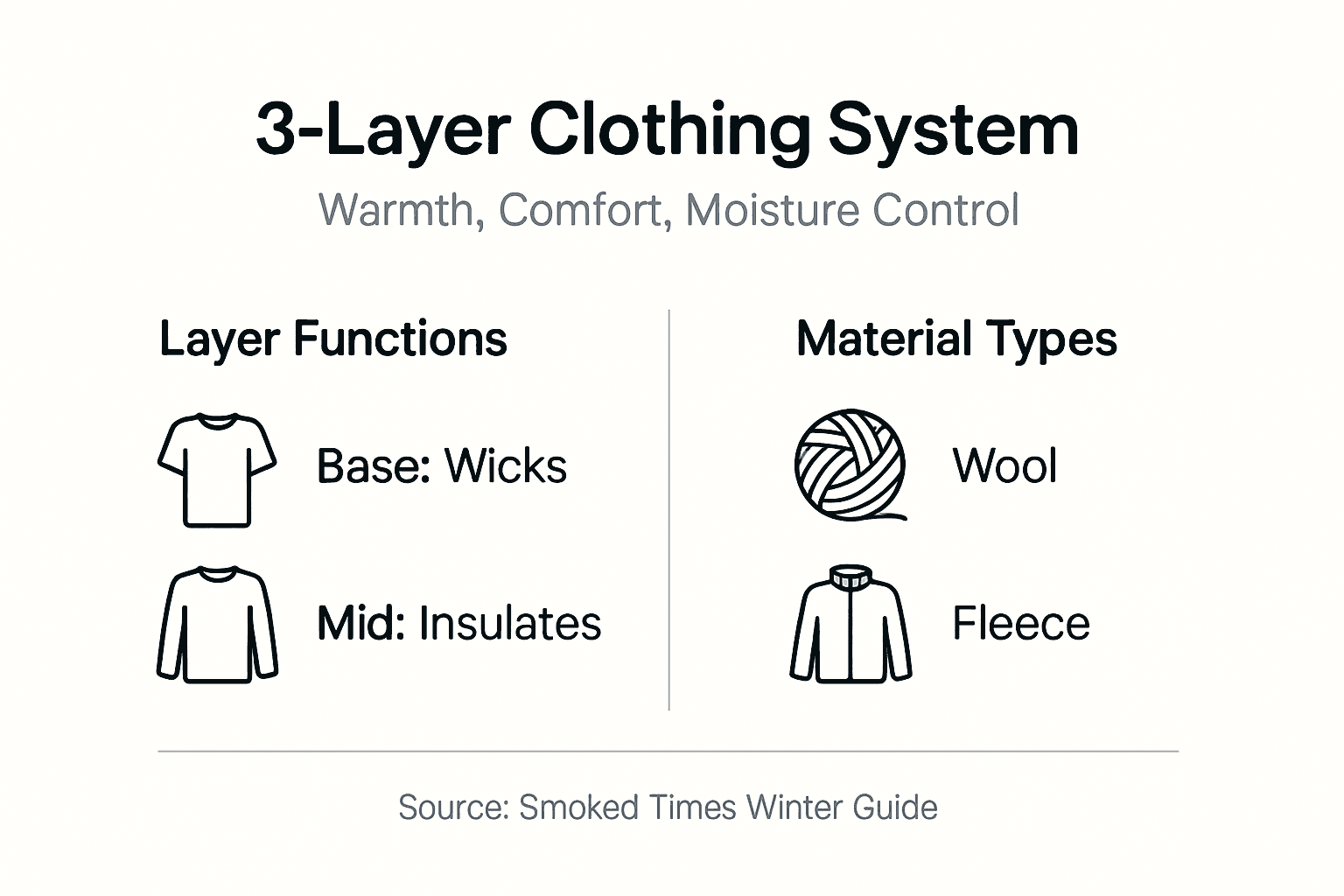
The three-layer winter clothing system includes a base layer for moisture management, a mid layer for insulation, and an outer layer for weather protection. This approach addresses all comfort factors simultaneously. Understanding these principles transforms how you approach winter layering trends and garment selection.
Key physiological comfort factors include:
- Managing sweat to prevent chilling
- Preventing cold wind from penetrating to your skin
- Maintaining mobility without restriction
- Regulating heat retention based on activity level
- Allowing excess heat and moisture to escape
The Three-Layer System: Foundation of Comfortable Winter Clothing
The three-layer system isn’t just theory; it’s a practical framework that delivers measurable comfort improvements. Each layer serves a distinct purpose, and their synergy creates optimal thermal regulation. When you understand how these layers work together, you can adjust your outfit for any winter condition.
Your base layer sits directly against your skin with a snug fit. Its primary job is wicking moisture away from your body to keep you dry. Materials like merino wool or synthetic polyester excel at this task by spreading moisture across a larger surface area for faster evaporation. Never use cotton here; it absorbs and holds moisture against your skin.
The mid layer provides insulation by trapping warm air close to your body. Fleece, down, or synthetic insulation works well. This layer should fit loosely enough to trap air but not so loose that cold air circulates freely. The three-layer system allows for temperature regulation by adding or removing layers, thus avoiding overheating and excessive sweating.
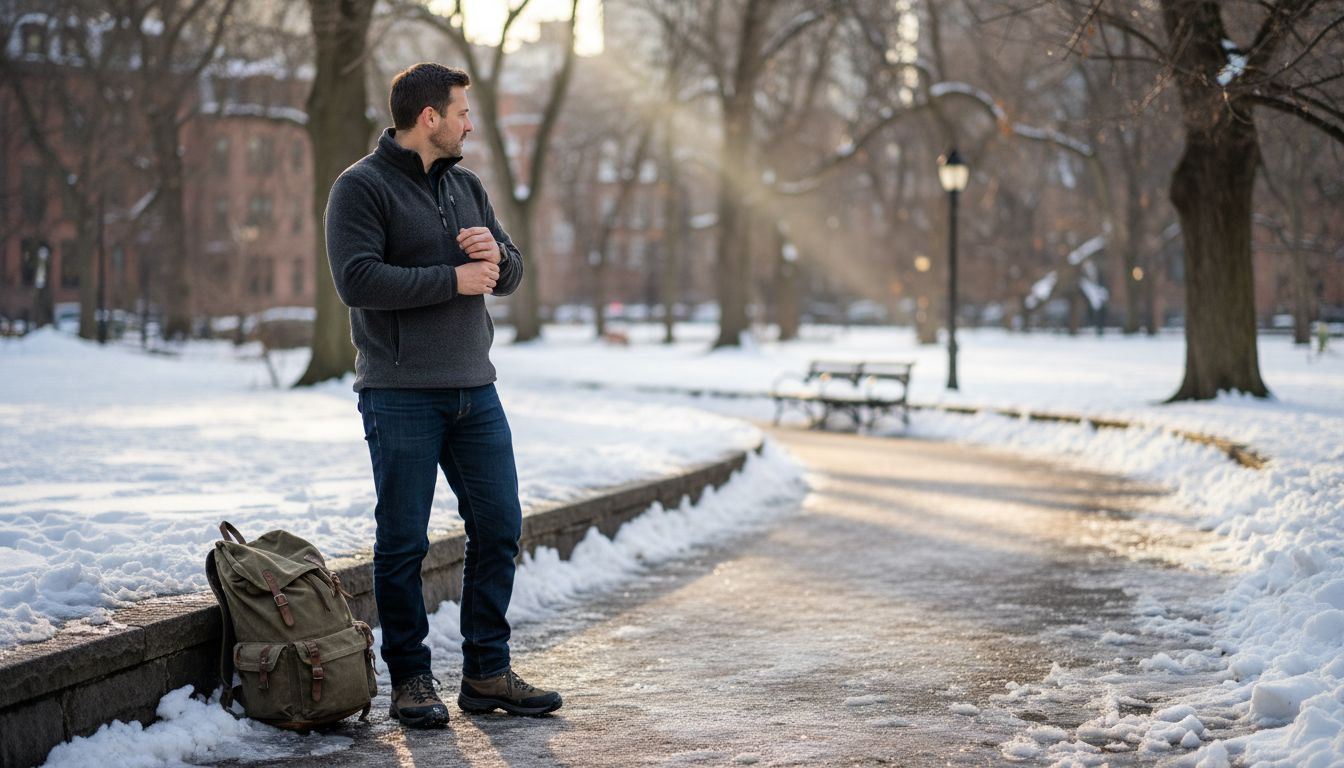
Your outer layer acts as a shield against wind, rain, and snow. It should be loose enough to fit over your other layers comfortably while maintaining freedom of movement. Look for waterproof or water-resistant materials with breathable membranes that let moisture vapor escape. Understanding the role of layering in fashion helps you balance function with style.
| Layer | Primary Function | Fit | Material Examples |
|---|---|---|---|
| Base | Moisture wicking | Snug | Merino wool, polyester, silk |
| Mid | Insulation | Moderately loose | Fleece, down, synthetic fill |
| Outer | Weather protection | Loose | Gore-Tex, nylon, treated polyester |
This system’s beauty lies in its flexibility. On mild days, you might skip the mid layer. During extreme cold, you can add multiple mid layers. The key is maintaining each layer’s distinct function while avoiding compression that eliminates insulating air pockets.
Material Selection for Comfort and Moisture Management
Fabric choice makes or breaks your winter comfort. The wrong material in any layer compromises the entire system. Cotton base layers trap moisture and cause rapid heat loss, making them unsuitable; moisture-wicking materials like merino wool and polyester are recommended. This single swap dramatically improves warmth.
Merino wool offers natural odor resistance, temperature regulation, and excellent moisture wicking. It stays warm even when damp, unlike cotton. Polyester dries faster than wool and costs less, making it popular for base layers. Both materials move sweat away from your skin through capillary action.
For mid layers, natural down provides exceptional warmth-to-weight ratio but loses insulating power when wet. Synthetic insulation maintains warmth in damp conditions and dries quickly. Fleece offers breathability and comfort with moderate insulation. Your activity level and local climate should guide this choice.
Synthetic fabrics such as polyester and spandex offer stretch and breathability while maintaining dry and comfortable skin contact, essential for layering comfort. Blends combining these fibers deliver the benefits of both: polyester’s moisture management with spandex’s flexibility.
Outer layer materials need different properties. Waterproof membranes like Gore-Tex block external moisture while allowing water vapor from sweat to escape. Treated nylon and polyester offer water resistance at lower cost. Consider sustainable fabric choices that don’t compromise performance.
Pro Tip: Check fabric weight in grams per square meter. Base layers work best at 150 to 200 gsm for moderate activity. Heavier weights suit extreme cold but may cause overheating during movement.
Fabric texture matters too. Smooth finishes slide easily over other layers, reducing friction and bulk. Brushed or fleece-lined fabrics trap more air for added warmth. Match texture to each layer’s role for optimal performance.
Styling Comfortable Winter Layers Without Bulk
You don’t need to sacrifice style for warmth. Smart layering creates a flattering silhouette while maintaining comfort. The inverted pyramid layering approach keeps volume controlled and silhouette flattering. This technique uses fitted base layers, moderately voluminous mid layers, and a loose outer shell.
Start with a slim-fitting base layer that hugs your body. This creates a smooth foundation and maximizes moisture wicking efficiency. Your mid layer should add some volume through insulation without overwhelming your frame. Choose styles that follow your natural body lines rather than adding width.
The outer layer provides the most styling flexibility. A well-cut jacket or coat in a complementary color pulls your entire look together. Don’t go oversized; pick outerwear that skims your mid layer with room to move. This maintains clean lines while preserving warmth.
Texture mixing adds visual interest and perceived warmth. Pair a smooth base layer with a textured fleece mid layer, then finish with a sleek outer shell. This creates depth without bulk. Color psychology matters in winter too. Vibrant or warm tones boost mood during gray days and create focal points that flatter your silhouette.
Pro Tip: Choose darker colors for outer layers and brighter options for mid layers that peek through. This creates dimension while the dark outer layer provides a slimming effect.
Practical styling considerations:
- Keep base layers in neutral colors for versatility
- Use your mid layer as a style statement piece
- Match outer layer length to your body proportions
- Avoid oversized fits that add unnecessary volume
- Layer accessories like scarves for adjustable warmth and style
Explore casual layering trends 2026 and casual winter outfit guide for current style inspiration that balances comfort with fashion-forward choices.
Common Misconceptions About Comfortable Winter Clothing
Winter clothing myths cost you comfort, money, and style. Let’s correct the most damaging misconceptions so you can make smarter choices.
-
Myth: One thick jacket keeps you warm all winter. Reality: A single thick jacket is insufficient for effective warmth; layering manages both warmth and moisture better. A thick jacket traps you at one insulation level regardless of conditions. When temperatures fluctuate or your activity level changes, you can’t adjust. You end up either too hot or too cold.
-
Myth: Cotton is a good fabric choice for base layers. Reality: Cotton absorbs moisture and holds it against your skin, creating rapid heat loss. The moisture-trapping property that makes cotton comfortable in summer becomes dangerous in winter. Once cotton gets wet from sweat or snow, it stays wet and conducts heat away from your body.
-
Myth: More layers always mean more warmth. Reality: Too many layers compress the air pockets that provide insulation. Three properly chosen layers typically outperform five poorly selected ones. Each additional layer also increases bulk, restricts movement, and can cause overheating followed by chilling when you stop moving.
-
Myth: Expensive materials guarantee comfort. Reality: Proper layering technique matters more than premium fabrics. A well-executed three-layer system with mid-range materials beats poorly layered luxury items. Focus on function first, then upgrade materials as budget allows.
-
Myth: Winter clothing must be bulky to be warm. Reality: Modern materials provide excellent insulation in slim profiles. Down jackets compress small but expand to trap significant air. Synthetic insulation delivers warmth without bulk. The key is choosing materials with high warmth-to-weight ratios.
Understanding these winter layering myths and facts prevents common mistakes that undermine your comfort and style efforts.
Practical Application of Layering for Everyday Style and Warmth
Now apply the three-layer system to real-world winter situations. Building comfortable, stylish outfits becomes straightforward once you understand the principles. The three-layer system allows for temperature regulation by adding or removing layers, thus avoiding overheating and sweating.
Start your day by checking the weather and planning your activities. For a typical winter day with indoor and outdoor transitions, begin with a moisture-wicking base layer. Choose merino wool or synthetic materials in a snug fit. This foundation keeps you dry whether you’re commuting, working, or running errands.
Add a mid layer appropriate for your expected temperature range. A lightweight fleece works for mild winter days around 40°F to 50°F. Heavier fleece or a down vest suits colder temperatures below 40°F. Keep a backup mid layer in your car or bag for unexpected temperature drops.
Your outer layer selection depends on weather conditions. A water-resistant windbreaker handles light precipitation and wind. For heavy snow or rain, upgrade to a waterproof shell. The outer layer should accommodate your mid layer without compression while allowing freedom of movement.
| Temperature Range | Base Layer | Mid Layer | Outer Layer |
|---|---|---|---|
| 40°F to 50°F | Lightweight synthetic tee | Light fleece or none | Windbreaker |
| 30°F to 40°F | Merino wool long sleeve | Medium fleece | Insulated jacket |
| 20°F to 30°F | Heavy merino or synthetic | Heavy fleece or down vest | Insulated parka |
| Below 20°F | Heavyweight base | Down jacket or heavy fleece | Waterproof insulated shell |
Dynamic adjustment throughout your day maintains comfort. Remove your outer layer when entering heated buildings. Unzip or remove your mid layer if you start feeling warm during activity. This prevents overheating and excessive sweating that leads to chilling later.
Pro Tip: Carry a lightweight packable mid layer in your bag. It takes minimal space but provides critical warmth if temperatures drop unexpectedly or you’re stuck outdoors longer than planned.
Apply layering principles systematically by checking your winter fashion essentials checklist before each season starts. Stock your wardrobe with versatile pieces that work across multiple layering combinations.
Explore Comfortable and Stylish Winter Apparel at Smoked Times
Ready to build your perfect winter layering system? Smoked Times offers carefully curated apparel designed for comfort and style. You’ll find moisture-wicking base layers, insulating mid layers, and protective outerwear that work together seamlessly.
Our collection includes hoodies, pullovers, and t-shirts crafted from performance fabrics that manage moisture while maintaining style. Browse our winter fashion guide 2026 for outfit inspiration and layering tips. Check out our smart winter fashion checklist to ensure you have all essentials covered. Shop winter layering essentials and discover bundle deals that maximize your wardrobe’s versatility without breaking your budget.
Frequently Asked Questions About Comfortable Winter Clothing
What makes merino wool better than cotton for winter base layers?
Merino wool wicks moisture away from skin and maintains warmth even when damp, while cotton traps moisture and conducts heat away from your body rapidly. Wool also resists odor naturally, allowing you to wear it multiple times between washes.
How many layers should I wear in winter?
Three layers typically provide optimal warmth and flexibility: a base layer for moisture management, a mid layer for insulation, and an outer layer for weather protection. More layers aren’t always better; they can compress insulation and restrict movement.
Can I prevent overheating while staying warm outdoors?
Yes, by adjusting layers dynamically throughout your day and choosing breathable materials. Remove or unzip layers before you start sweating, as moisture causes chilling later. Visit our winter layering guide for detailed temperature management strategies.
Does layering work for different body types and sizes?
Absolutely. The inverted pyramid approach works for all body types by keeping base layers fitted, mid layers moderately loose, and outer layers relaxed. Focus on proper fit for each layer rather than sizing up to accommodate bulk.
How do I maintain style while layering for warmth?
Choose slim-fitting base layers in neutral colors, use your mid layer as a style statement, and select outer layers that complement your silhouette. Mix textures and incorporate strategic color choices to create visual interest without adding bulk.