


How social media shapes fashion trends in 2026
TikTok video content achieves a 3.5% engagement rate in fashion, crushing the industry average of 0.67% and Instagram’s 0.21%. This massive gap reveals where real influence happens in 2026. Social platforms don’t just showcase style anymore, they actively shape what you buy, when you buy it, and which brands earn your trust. From sentiment analysis predicting trends with 78% accuracy to the distinct power of brand versus user content, understanding these dynamics helps you navigate fashion’s digital landscape with confidence. This article breaks down platform engagement data, content strategies, and predictive analytics that drive today’s fashion decisions.
Table of Contents
- Social Media’S Impact On Fashion Trends And Consumer Behavior
- Understanding Brand-Generated And User-Generated Content In Fashion Marketing
- Predicting Fashion Trends Through Social Media Sentiment Analysis
- Leveraging Social Media For Brand Engagement And Consumer Purchasing Decisions
- Explore Sustainable Apparel At Smoked Times
- Frequently Asked Questions
Key takeaways
| Point | Details |
|---|---|
| TikTok dominates engagement | Video content on TikTok achieves 3.5% engagement versus Instagram’s 0.21%, making it the primary platform for fashion influence. |
| Brand content drives purchases | Brand-generated content has stronger impact on sustainable fashion purchase intent than user-generated content among Gen Z consumers. |
| Sentiment predicts trends | Social media sentiment analysis forecasts fashion trends with 78.35% accuracy, particularly for sustainability themes. |
| Platform strategy matters | Different content types and platforms require tailored approaches to maximize brand engagement and consumer trust. |
Social media’s impact on fashion trends and consumer behavior
Social platforms have become the primary driver of fashion discovery and purchasing in 2026. Analysis of 48 fashion brands reveals that TikTok video engagement reaches 3.5%, dramatically outperforming the industry standard. This isn’t just about numbers, it reflects a fundamental shift in how consumers discover and adopt new styles.
Instagram video lags significantly at 0.21%, while the overall fashion and apparel industry averages just 0.67% engagement across all content types. These metrics matter because engagement translates directly to brand awareness, consideration, and ultimately purchase decisions. When a fashion post captures attention and sparks interaction, it creates a ripple effect through networks of potential buyers.
Twitter’s role differs but proves equally valuable. Sentiment analysis on this platform achieves over 78% accuracy in predicting upcoming fashion themes. Brands monitor these conversations to anticipate shifts before they become mainstream, allowing strategic product development and marketing timing. Sustainability discussions particularly influence broader fashion narratives, with eco-conscious sentiment often driving changes in other style categories.
Consumer interaction patterns reveal which platforms serve specific purposes. TikTok excels at viral trend creation through short, visually compelling videos. Instagram maintains strength in aspirational lifestyle content and influencer partnerships. Twitter provides real-time pulse checks on emerging themes and consumer sentiment. Understanding the social media role in apparel helps brands allocate resources effectively across channels.
Platform Engagement Comparison
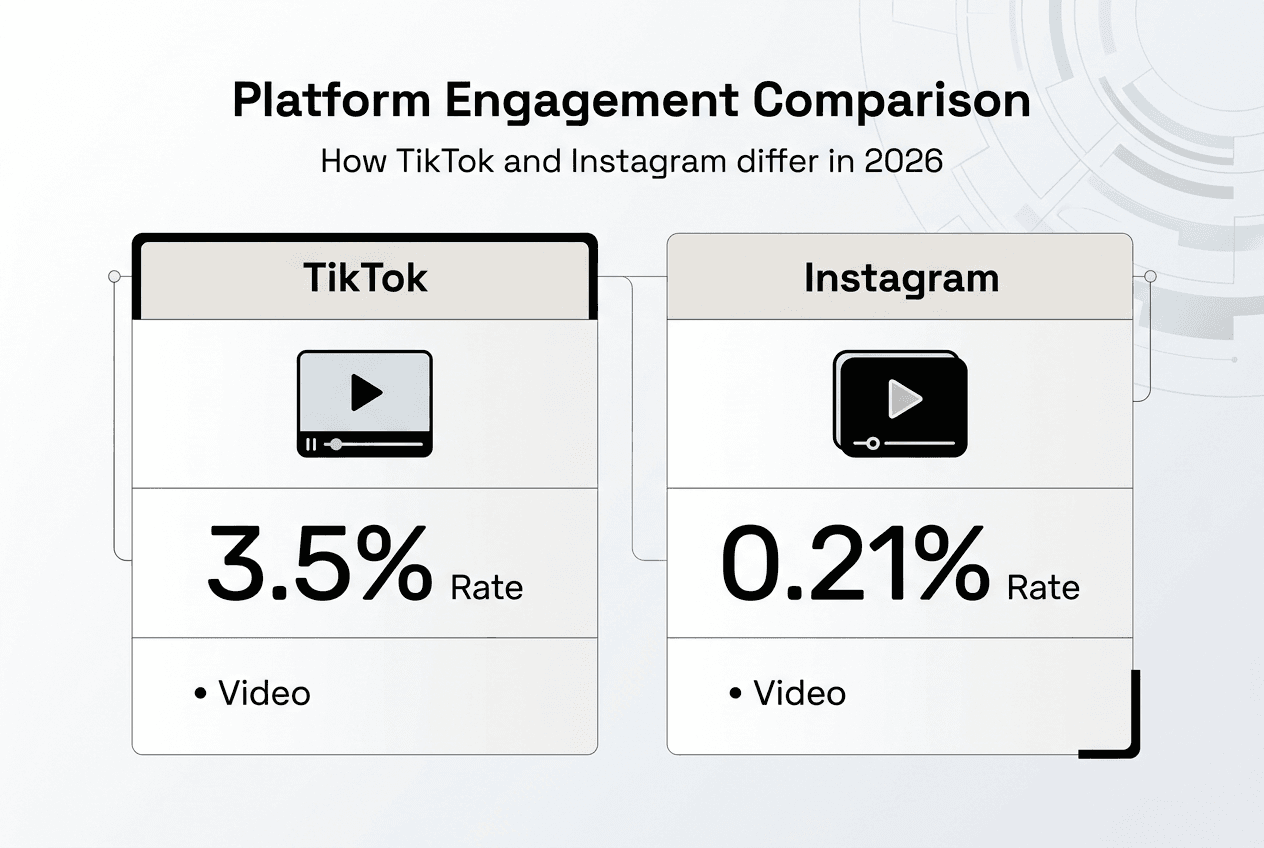
| Platform | Content Type | Engagement Rate | Primary Strength |
|---|---|---|---|
| TikTok | Video | 3.5% | Viral trend creation |
| Video | 0.21% | Lifestyle imagery | |
| All types | 0.67% (industry avg) | Sentiment tracking | |
| Industry Average | Mixed | 0.67% | Baseline benchmark |
Brands leverage these data-driven insights to refine their marketing strategies continuously. They test content formats, posting times, and messaging approaches based on real engagement metrics. This iterative process allows fashion companies to stay relevant in a fast-moving digital environment where trends can emerge and fade within weeks.
Key factors driving social media influence in fashion:
- Visual storytelling that showcases products in authentic, relatable contexts
- User participation through challenges, hashtags, and sharing features
- Algorithm optimization that rewards engaging, timely content
- Cross-platform amplification where trends spread from one channel to others
- Influencer partnerships that combine reach with credibility
Pro Tip: Track engagement rates across your own social channels monthly to identify which content types resonate most with your audience, then double down on those formats while experimenting with emerging platform features.
Understanding brand-generated and user-generated content in fashion marketing
Fashion brands face a critical choice in content strategy: invest in polished brand-generated content (BGC) or cultivate authentic user-generated content (UGC). Both influence purchase decisions, but they work differently. BGC includes professional photoshoots, campaign videos, and curated brand messaging. UGC encompasses customer reviews, styling photos, unboxing videos, and social media posts from real users.
Research shows BGC has stronger influence on sustainable fashion purchase intentions among Gen Z consumers. Brand-controlled messaging effectively communicates values, quality standards, and environmental commitments. When a company clearly articulates its sustainability practices through well-produced content, it builds confidence in purchase decisions. Social media engagement partially mediates this effect, meaning interaction with brand content amplifies its persuasive power.
UGC provides different value. It offers social proof and authenticity that polished campaigns cannot replicate. Seeing real customers wear and enjoy products reduces purchase risk. User content also generates engagement naturally, as people share their experiences and tag brands without prompting. This organic reach extends brand visibility beyond paid advertising budgets.
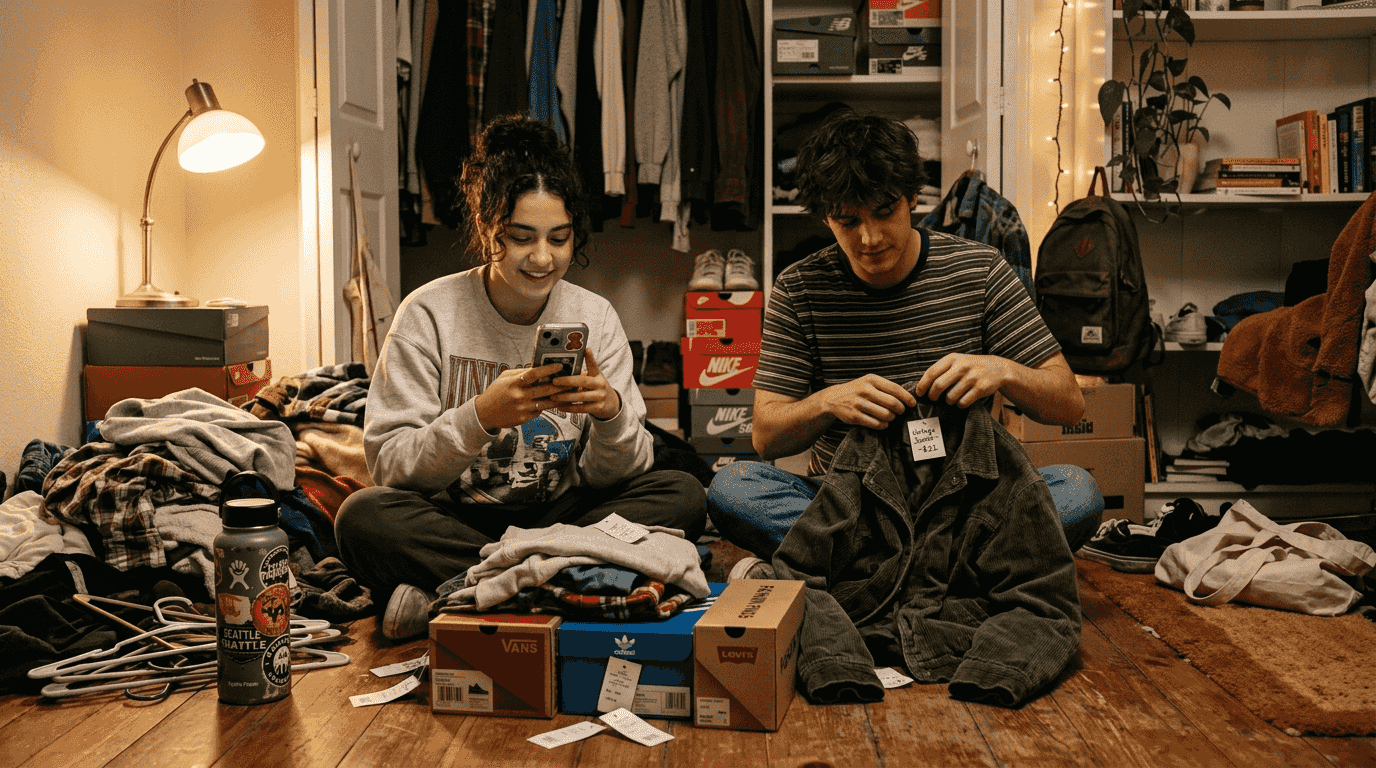
The relationship between content type and sustainable fashion proves particularly interesting. Consumers increasingly demand transparency about environmental impact, labor practices, and material sourcing. Brand content can detail these aspects comprehensively, while user content validates claims through authentic testimonials. Together, they create a complete picture that drives informed purchasing.
Content Type Comparison
| Aspect | Brand-Generated Content | User-Generated Content |
|---|---|---|
| Production Quality | High, professionally produced | Variable, authentic feel |
| Message Control | Complete brand control | Organic, unpredictable |
| Purchase Intent Impact | Stronger direct influence | Builds trust and validation |
| Engagement Driver | Values and product benefits | Social proof and relatability |
| Cost | Higher production investment | Lower, community-driven |
Smart brands balance both approaches. They produce high-quality BGC that establishes brand identity and communicates key messages, then encourage and amplify UGC that demonstrates real-world product satisfaction. This dual strategy maximizes both persuasion and authenticity.
Effective content strategies include:
- Creating shareable brand content that invites user participation
- Featuring customer photos and reviews prominently on social channels
- Developing hashtag campaigns that encourage user submissions
- Responding to and engaging with user content to build community
- Maintaining consistent brand messaging while celebrating diverse user perspectives
Implementing sustainable clothing practices becomes more credible when both brand messaging and customer experiences align. If a company claims eco-friendly production but user reviews contradict this, the disconnect undermines trust. Conversely, when user content reinforces brand promises, it creates powerful validation.
Pro Tip: Create a branded hashtag specifically for customers to share their styling and product experiences, then regularly feature the best user content on your official channels to encourage ongoing participation and build community.
Predicting fashion trends through social media sentiment analysis
Sentiment analysis transforms casual social media chatter into actionable trend forecasts. By analyzing the emotional tone and thematic content of fashion-related posts, brands can identify emerging styles before they reach mainstream awareness. Twitter particularly excels for this purpose due to its real-time, text-based format that captures immediate reactions and opinions.
The T4SA dataset demonstrates that sentiment analysis achieves 78.35% accuracy in predicting fashion trends. This high success rate validates social media as a legitimate forecasting tool, not just a marketing channel. The methodology examines thousands of posts, identifying patterns in language, hashtags, and engagement that signal rising interest in specific styles, colors, or themes.
Sustainability sentiment often acts as a leading indicator for broader fashion shifts. When conversations about eco-friendly materials or ethical production intensify, they frequently precede changes in other fashion categories. This interconnection means tracking sustainability discussions provides early warning signals for multiple trend directions simultaneously.
Analyzing sentiment requires sophisticated natural language processing that distinguishes genuine enthusiasm from sarcasm, identifies context-specific meanings, and weighs influence based on user reach and credibility. Advanced algorithms filter noise to focus on meaningful signals that correlate with actual consumer behavior changes.
Key sentiment analysis applications:
- Identifying emerging color palettes before they dominate runways
- Detecting shifts in preferred silhouettes and fits
- Tracking brand perception changes in real time
- Measuring consumer response to new product launches
- Forecasting seasonal trend adoption rates
Brands leverage these insights for strategic planning. If sentiment analysis reveals growing interest in vintage-inspired workwear, a company can accelerate development of relevant products to capture demand at its peak. Timing matters enormously in fashion, where being early creates competitive advantage but being too early means inventory sits unsold.
Challenges exist in interpretation. Social media buzz doesn’t always translate to purchases. Some trends generate conversation without driving sales, while others sell strongly despite modest online discussion. Successful forecasting combines sentiment data with sales history, search trends, and traditional market research to create comprehensive predictions.
“Sentiment analysis on Twitter predicts fashion trends with 78.35% accuracy, with sustainability themes often influencing shifts across multiple fashion categories simultaneously.”
The predictive power extends beyond products to marketing messaging. Understanding which themes resonate emotionally helps craft campaigns that connect with current consumer mindsets. If sentiment reveals anxiety about fast fashion’s environmental impact, brands can emphasize durability and timeless design in their messaging.
Understanding global fashion retail dynamics requires recognizing that sentiment patterns vary by region and demographic. What trends in New York may differ from Tokyo or London. Sophisticated analysis segments data geographically and demographically to provide localized insights that inform regional marketing and inventory decisions.
Leveraging social media for brand engagement and consumer purchasing decisions
Fashion brands need systematic approaches to harness social media’s influence effectively. Random posting and inconsistent engagement waste resources and miss opportunities. Strategic frameworks transform social presence from cost center to revenue driver.
For brands building engagement:
- Audit current performance across all platforms to establish baseline metrics and identify strengths
- Define clear content pillars that align with brand values and audience interests
- Develop a content calendar that balances promotional posts with educational and entertaining material
- Invest in video content for TikTok where engagement rates signal opportunities for consumer brands
- Implement sentiment monitoring to track brand perception and trend emergence
- Create systems for capturing and amplifying user-generated content
- Test and iterate based on engagement data, doubling down on what works
- Build authentic influencer partnerships that align with brand values
Consumers benefit from critical assessment of social media influence. Not every viral trend deserves your wardrobe space or budget. Evaluate fashion content by asking whether it reflects your personal style, fits your lifestyle needs, and aligns with your values. Trendy purchases that sit unworn waste money and resources.
Platform-specific content types drive different interactions. TikTok’s short videos excel at demonstrating styling versatility and product features in action. Instagram Stories create urgency through limited-time offers and behind-the-scenes glimpses. Feed posts showcase aspirational imagery that builds brand desire. Twitter facilitates direct brand-consumer dialogue and customer service.
Authentic storytelling builds trust more effectively than hard selling. Share your brand’s origin story, introduce team members, explain production processes, and acknowledge challenges transparently. Consumers increasingly value honesty over perfection. A brand that admits mistakes and shows improvement earns more loyalty than one claiming flawlessness.
Sustainability messaging requires particular care. Greenwashing accusations damage reputations permanently. Back environmental claims with specific data, certifications, and transparent reporting. Show progress honestly rather than claiming perfection. Consumers appreciate genuine effort toward improvement over empty marketing promises.
Key engagement drivers:
- Consistent posting schedules that keep brands top of mind
- Responsive community management that answers questions promptly
- Interactive content like polls, quizzes, and challenges
- Value-added education about styling, care, and fashion principles
- Exclusive offers and early access for social followers
Understanding digital marketing fashion trends helps brands stay current with platform changes and emerging best practices. Social media evolves constantly, with new features, algorithm updates, and user behavior shifts requiring ongoing adaptation.
The ecommerce apparel global impact extends beyond individual purchases to shape entire industry structures. Social media enables direct-to-consumer brands to compete with established retailers by building communities and leveraging authentic engagement over advertising budgets.
Pro Tip: Create a simple spreadsheet tracking your top 5 fashion brands on social media, noting which content types generate the most engagement from you personally, then apply those insights to evaluate whether their influence aligns with your actual style needs and values.
Explore sustainable apparel at Smoked Times
Applying these social media insights to real purchasing decisions means choosing brands that demonstrate authentic values and quality. Smoked Times builds its approach around timeless essentials rather than fleeting trends, offering heavyweight cotton basics designed for years of wear. This philosophy aligns with the sustainability conversations driving fashion’s future.
Our organic pima cotton t-shirts exemplify the quiet quality that transcends social media hype cycles. These pieces work as foundational wardrobe elements that you’ll reach for repeatedly, not impulse purchases that lose appeal after one season. The oversized retro hoodie delivers comfort and warmth with vintage-inspired styling that stays relevant regardless of trending aesthetics. We invite you to share your experiences through our review submission page, contributing to the authentic user-generated content that helps other shoppers make informed decisions. Your voice matters in building a community around dependable, sustainable fashion choices.
Frequently asked questions
What role does TikTok play in influencing fashion trends in 2026?
TikTok dominates fashion influence through video content that achieves 3.5% engagement rates, far exceeding other platforms. Its algorithm favors fresh, engaging content that spreads styles rapidly through viral challenges and visual storytelling. Younger audiences particularly rely on TikTok for discovering new brands and trends, making it essential for fashion marketers. The platform’s format encourages authentic, creative expression that resonates more powerfully than traditional advertising.
How do brand-generated and user-generated content differ in shaping sustainable fashion purchases?
Brand-generated content features polished messaging from companies emphasizing values, quality, and environmental commitments with stronger direct impact on purchase intent. User-generated content comes from real customers sharing authentic experiences that build trust through social proof. Research shows brand content influences sustainable fashion purchases more strongly among Gen Z, but user content provides crucial validation. The most effective strategies combine both approaches for comprehensive persuasion and authenticity.
Can social media sentiment analysis reliably predict fashion trends?
Sentiment analysis predicts fashion trends with approximately 78% accuracy by analyzing emotional tone and themes in social media conversations. Platforms like Twitter provide real-time data about emerging styles, colors, and consumer preferences before they reach mainstream adoption. Brands use these insights to align product development and marketing with consumer interests proactively. Sustainability sentiment particularly influences multiple fashion categories simultaneously, serving as a leading indicator for broader industry shifts.
Which social media platforms generate the highest engagement for fashion brands?
TikTok generates the highest engagement at 3.5% for video content, dramatically outperforming Instagram’s 0.21% and the industry average of 0.67%. This massive difference reflects TikTok’s algorithm and format advantages for visual, trend-driven content. Instagram maintains value for aspirational lifestyle imagery and influencer partnerships despite lower engagement rates. Twitter serves distinct purposes in sentiment tracking and real-time consumer dialogue rather than visual content engagement.
How should consumers evaluate fashion trends they see on social media?
Evaluate social media fashion trends by asking whether they align with your personal style, lifestyle needs, and values rather than following every viral moment. Consider the source’s credibility, whether the trend has staying power beyond one season, and if it fits your existing wardrobe. Look for authentic user reviews and real-world styling examples rather than just polished brand content. Prioritize purchases that serve genuine needs over impulse buys driven by temporary social media excitement.