


How to style t-shirts for versatile casual looks
Styling the same plain t-shirt repeatedly leaves many casual fashion enthusiasts frustrated and bored with their wardrobe. The secret to breaking free from outfit repetition lies in mastering fit, fabric selection, strategic layering, and smart color coordination. This guide reveals how to transform basic tees into versatile pieces that work across every season and casual setting, helping you build a dynamic wardrobe that feels fresh every time you get dressed.
Table of Contents
- Introduction To Styling T-Shirts
- Prerequisites: What You Need Before Styling T-Shirts
- Step-By-Step Guide To Styling T-Shirts
- Common Styling Mistakes And How To Avoid Them
- Expected Results And How To Measure Styling Success
- Discover Your Perfect T-Shirt Styling Tools
- How To Style T-Shirts FAQ
Key takeaways
| Point | Details | |-------|---------|| | Fabric and fit form the foundation | Selecting breathable fabrics and flattering fits ensures comfort and style in every t-shirt outfit. | | Layering expands versatility | Adding jackets, hoodies, or open shirts transforms t-shirts for different seasons and occasions. | | Color coordination elevates looks | Neutral bases with one or two accent colors create polished, cohesive casual outfits. | | Avoid common fit mistakes | Proper sizing and seam placement prevent discomfort and boost outfit confidence. | | Measure success through variety | Track outfit diversity, all-day comfort, and seasonal adaptability to gauge styling improvements. |
Introduction to styling t-shirts
T-shirts anchor nearly every casual wardrobe, yet many people struggle to create diverse looks without falling into repetitive outfit patterns. The difference between a dull t-shirt outfit and a standout casual look comes down to understanding how fabric type, fit quality, and color selection work together. When you master these elements, you unlock the ability to build multiple distinct outfits from just a few core pieces.
Over 60% of styled casual outfits rely on neutral base colors like white, black, or gray, forming versatile foundations that pair easily with almost anything. Neutral t-shirts give you maximum flexibility to experiment with layering pieces, accessories, and accent colors without creating visual chaos. This approach lets you rotate through fresh combinations while maintaining a cohesive personal style.
Common challenges include selecting t-shirts with poor fit that bunch awkwardly or hang too loose, choosing fabrics that feel uncomfortable after a few hours, and creating color combinations that look mismatched or boring. Many casual dressers also underestimate how small details like sleeve length, neckline shape, and hem placement affect the overall impression of an outfit. Addressing these foundational issues transforms your styling results immediately.
Successful t-shirt styling requires attention to several key factors:
- Fit quality that complements your body shape without being too tight or excessively loose
- Fabric selection balancing comfort, breathability, and durability for your climate
- Color coordination using neutral bases that anchor versatile outfit combinations
- Understanding how different necklines and sleeve cuts affect overall proportions
- Recognizing which casual wear examples work best for your lifestyle needs
Building a foundation of well-fitted neutral t-shirts gives you the flexibility to create dozens of distinct looks through strategic layering and accessorizing. This approach proves far more effective than buying numerous graphic tees that only work in limited combinations. When you invest time in understanding these basics, you develop an eye for spotting quality pieces and building a casual outfits guide that serves you across all seasons.
Prerequisites: what you need before styling t-shirts
Before diving into outfit creation, you need foundational knowledge about fabric types, fit principles, color theory basics, and essential accessories that elevate casual looks. Starting with the right foundation prevents costly wardrobe mistakes and builds confidence in your styling choices.
Fabric selection dramatically impacts both comfort and appearance. Understanding different cotton types helps you select breathable, durable t-shirts that hold their shape through repeated wear and washing. Pure cotton offers excellent breathability and softness, making it ideal for warmer months and active days. Cotton blends incorporating polyester or rayon provide added durability and wrinkle resistance, working well for travel or long wear days. Ring-spun cotton delivers superior softness and strength compared to standard cotton, while organic cotton appeals to those prioritizing sustainable materials.
Fit represents the single most important factor in how polished your t-shirt looks. A properly fitted tee has shoulder seams sitting right at your shoulder edge, sleeves ending mid-bicep, and a hem falling around mid-hip or slightly below. The body should skim your torso without clinging tightly or billowing loosely. Different body shapes benefit from specific fits: athletic builds often look best in slightly tapered cuts, while broader frames prefer straight or relaxed fits that provide comfortable room without appearing baggy.
Color theory basics empower you to create cohesive outfits effortlessly:
- Start with neutral bases in white, black, gray, or navy that pair with almost any accent color
- Add one or two complementary accent colors through layering pieces or accessories
- Consider your skin tone when selecting which neutrals look most flattering on you
- Use the color wheel to identify harmonious combinations that feel intentional rather than random
- Limit each outfit to three colors maximum to maintain visual clarity
Essential accessories complete your styling toolkit without overwhelming simple t-shirt outfits. A minimalist watch adds polish to any casual look, while a subtle necklace or bracelet provides personality without competing for attention. Quality footwear matters tremendously: clean white sneakers work for nearly any casual setting, while leather boots or loafers elevate the look for slightly dressier occasions. Keep accessories simple and limited to one or two pieces per outfit.
Understanding how cotton t-shirts are made reveals quality indicators to watch for when shopping. Look for reinforced seams, consistent stitching, and fabric weight that feels substantial without being heavy. These details separate t-shirts that maintain their appearance after dozens of washes from those that quickly lose shape and color.
Pro Tip: Build your t-shirt collection gradually, starting with two or three high-quality neutral pieces rather than buying many lower-quality options. This approach lets you test different fits and fabrics to discover what works best for your body and lifestyle before expanding your wardrobe. The role of t-shirts in style extends far beyond basic casual wear when you invest in quality foundations.
Step-by-step guide to styling t-shirts
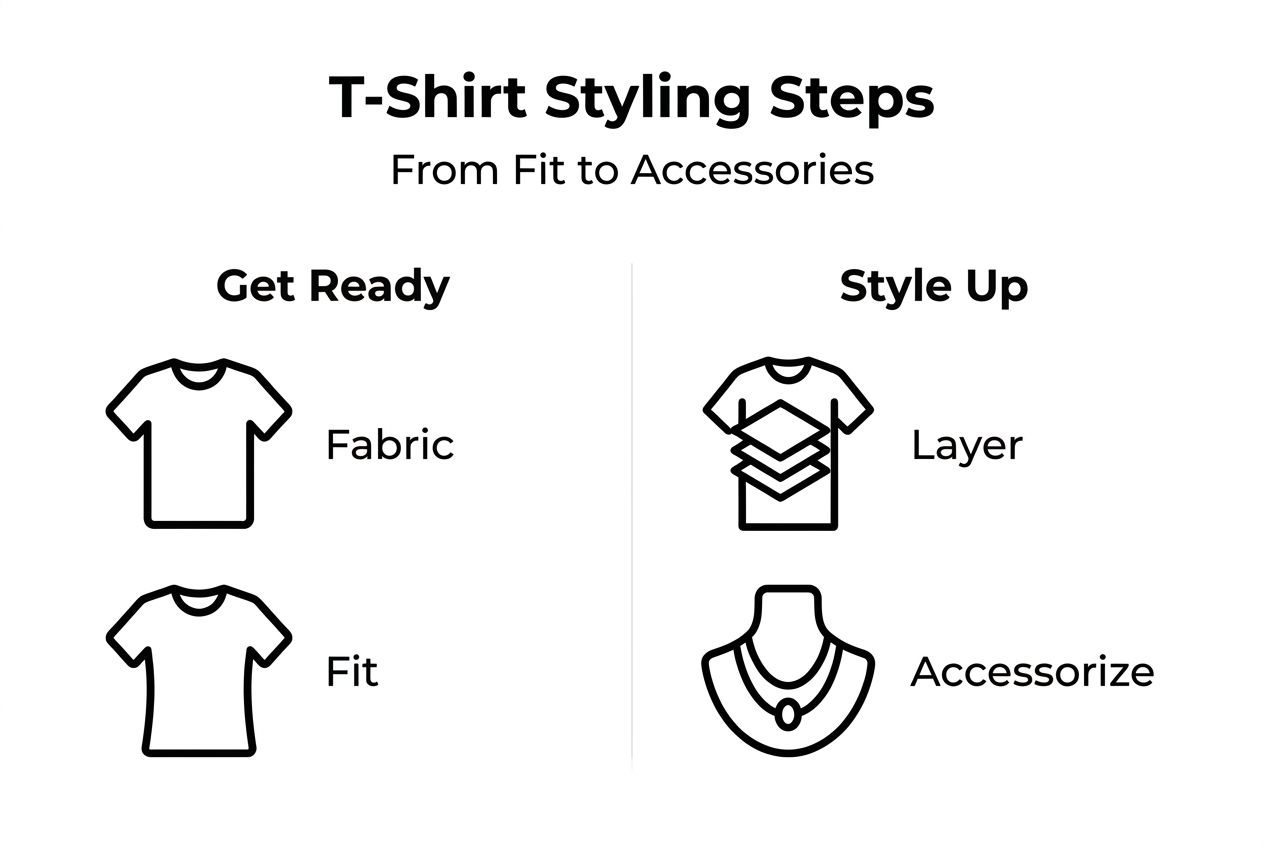
Creating versatile t-shirt outfits follows a clear sequence that builds from fabric and fit selection through layering, color coordination, accessorizing, and seasonal adaptation. Each step contributes to polished, comfortable looks that work across diverse casual settings.
Step 1: Select t-shirts with appropriate fabric and fit
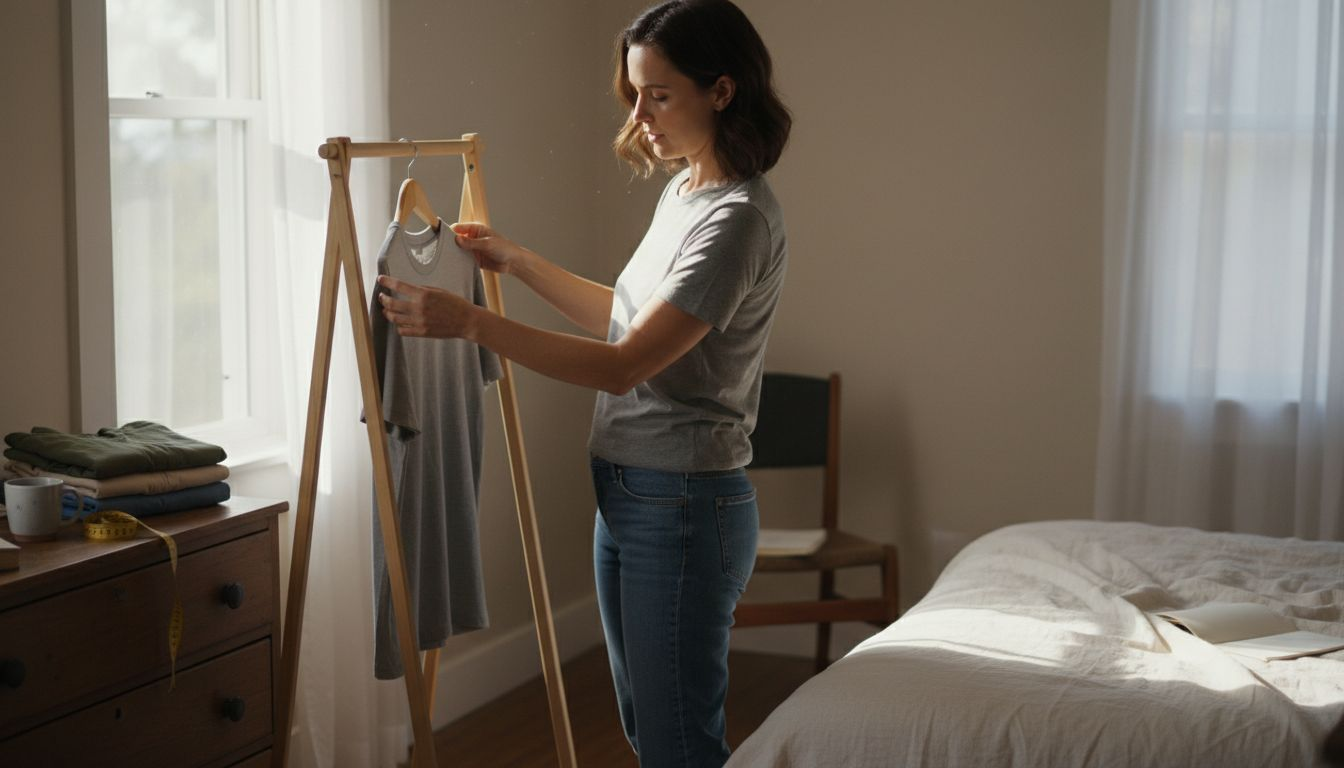
Start by choosing t-shirts in fabrics suited to your climate and activity level. Cotton or cotton blends work for most casual situations, offering breathability and easy care. For your initial wardrobe, prioritize solid neutral colors in well-constructed tees that fit your shoulders correctly and skim your torso without clinging or hanging loose. Try multiple sizes to find the exact fit that makes you look and feel confident.
Step 2: Layer strategically for visual interest and seasonality
Layering using outerwear like open shirts and hoodies enhances casual looks and adapts t-shirts for all seasons. In cooler weather, add a flannel shirt, denim jacket, or zip-up hoodie over your tee. Leave jackets unbuttoned or partially unzipped to reveal the base layer while adding dimension to your silhouette. For warmer months, try lightweight linen shirts or thin cardigans that provide style without excessive warmth. Layering transforms a basic tee into a complete outfit while giving you temperature control throughout the day.
Effective layering follows these principles:
- Keep your base t-shirt fitted so layering pieces don’t add bulk
- Choose outer layers in complementary or contrasting colors to your tee
- Vary textures between layers for visual interest
- Ensure each layer is visible to justify its presence in the outfit
- Remove or add layers as needed without compromising the overall look
Step 3: Coordinate colors using neutral bases and strategic accents
Build each outfit around your neutral t-shirt, then add one or two accent colors through layering pieces, pants, or accessories. A white tee pairs with olive chinos and a navy jacket, while a black tee works with light-wash jeans and a gray hoodie. Balancing colors and patterns prevents visual overwhelm and keeps attention on the overall composition rather than individual pieces.
| Base T-Shirt | Complementary Bottom | Accent Layer | Result |
|---|---|---|---|
| White | Dark denim jeans | Black bomber jacket | Classic, versatile |
| Gray | Olive chinos | Navy flannel shirt | Relaxed, earth-toned |
| Black | Light-wash jeans | White sneakers | Modern, contrast-driven |
| Navy | Khaki pants | Burgundy cardigan | Polished, slightly preppy |
Pro Tip: When adding patterns, limit them to one element per outfit. If you choose a striped layering piece, keep your t-shirt and pants solid. This maintains visual clarity while adding personality to your look. For more pattern coordination tips, explore how professional stylists balance multiple design elements.
Step 4: Add minimal accessories to finish the look
Complete your outfit with one or two carefully chosen accessories. A simple watch provides subtle sophistication, while clean sneakers or leather shoes ground the entire ensemble. Avoid over-accessorizing: one necklace or bracelet adds personality without cluttering a casual t-shirt outfit. Keep jewelry minimal and cohesive with your overall color palette.
Step 5: Adjust components for seasonal appropriateness
Adapt your t-shirt styling to match temperature and context. Summer calls for lightweight tees in breathable fabrics paired with shorts and minimal layering. Fall and spring benefit from medium-weight tees with light jackets and long pants. Winter requires layering tees under heavier outerwear like wool coats or insulated jackets, using the tee as a foundational piece that adds warmth without bulk. This seasonal flexibility maximizes the value of your core t-shirt collection.
Common styling mistakes and how to avoid them
Even with solid foundational knowledge, certain mistakes derail t-shirt styling efforts and undermine otherwise good outfits. Recognizing these pitfalls helps you course-correct quickly and build more consistent styling success.
Poor fit represents the most frequent error. 40% of casual wearers report discomfort and confidence issues caused by ill-fitting t-shirts. Oversized tees that hang past mid-thigh or sleeves extending below the elbow create a sloppy appearance that no amount of accessorizing can fix. Conversely, shirts stretched tightly across the chest or shoulders look uncomfortable and restrictive. The solution is simple: try multiple sizes and brands until you find fits where shoulder seams align perfectly with your shoulder edge and the body skims without clinging.
Color coordination mistakes often stem from either playing it too safe or attempting overly complex combinations. Wearing head-to-toe black or gray can look monotonous and unintentional, while mixing four or five colors creates visual chaos. Stick to the three-color rule: one neutral base, one or two accent colors maximum. This framework provides enough variety to keep outfits interesting while maintaining cohesion.
Common styling errors to avoid:
- Neglecting proper t-shirt care that leads to fading, stretching, or shrinking
- Over-accessorizing with multiple necklaces, bracelets, and statement pieces simultaneously
- Ignoring footwear quality, allowing scuffed or dirty shoes to undermine otherwise polished outfits
- Choosing fabrics too heavy or restrictive for the climate, reducing all-day comfort
- Failing to adjust outfit components as temperatures change throughout the day
Many people also make the mistake of buying too many graphic or statement tees that only work in limited combinations. While personality-driven pieces have their place, building a wardrobe foundation on neutral, versatile tees provides exponentially more outfit options. One quality white tee creates more combinations than five graphic shirts combined.
The difference between looking put-together and appearing sloppy often comes down to small details: a properly fitted shoulder, a hem that hits at the right length, or choosing one accessory instead of three.
If you struggle with t-shirts shrinking or losing shape, learn proper care techniques to extend garment life and maintain fit quality. Washing in cold water, avoiding high-heat drying, and storing folded rather than hung preserves fabric integrity and prevents distortion.
Pro Tip: Take photos of outfits you feel particularly confident wearing, then analyze what makes them successful. Look for patterns in fit, color combinations, and layering choices. This self-analysis builds your eye for effective styling faster than any external advice.
Expected results and how to measure styling success
Applying these t-shirt styling principles delivers measurable improvements in outfit variety, comfort, confidence, and seasonal adaptability. Understanding what success looks like helps you recognize progress and identify areas needing refinement.
Outfit variety expands dramatically when you master versatile styling techniques. Count how many distinct looks you can create from your current t-shirt collection. Initially, you might rotate through three or four combinations. After implementing these strategies, that number should climb to ten or more unique outfits from the same core pieces. This multiplication effect comes from understanding how different layering pieces, color combinations, and accessories transform the same base tee.
Comfort throughout the day serves as a critical success metric. Well-styled t-shirts should feel as comfortable at 8 PM as they did at 8 AM, with no tugging, bunching, restriction, or irritation. If you find yourself adjusting your shirt repeatedly or feeling self-conscious about fit, something needs refinement. Quality fabric selection and proper sizing eliminate these issues.
Measurable styling improvements to track:
- Number of distinct outfits created from existing t-shirt collection
- Hours of comfortable wear without adjustment or discomfort
- Frequency of receiving compliments or positive feedback on outfits
- Confidence level when getting dressed each morning
- Successful adaptation of t-shirt outfits across different seasons
- Reduction in time spent deciding what to wear
Increased confidence manifests in subtle but meaningful ways. You spend less time second-guessing outfit choices, feel more prepared for spontaneous social situations, and notice improved posture and body language. These psychological benefits compound over time as successful styling becomes habitual rather than effortful.
Seasonal adaptability demonstrates true mastery of t-shirt styling. Your wardrobe should transition smoothly from summer to winter using the same core tees with different layering strategies. Test this by wearing the same white t-shirt in June and December, adjusting only the surrounding pieces. Success means feeling appropriately dressed and comfortable in both scenarios.
| Success Metric | Beginner Level | Intermediate Level | Advanced Level |
|---|---|---|---|
| Outfit variety | 3-5 looks from tee collection | 8-12 distinct combinations | 15+ unique outfits |
| Daily comfort | Occasional adjustment needed | Comfortable most of day | Zero discomfort or adjustment |
| Styling confidence | Frequent second-guessing | Occasional uncertainty | Consistent outfit satisfaction |
| Seasonal adaptation | Struggle in extreme temperatures | Moderate success with layering | Seamless year-round versatility |
Track these metrics over 30 to 60 days to see genuine progress. Small improvements compound into significant wardrobe transformation when you apply styling principles consistently.
Discover your perfect t-shirt styling tools
Now that you understand how to style t-shirts for maximum versatility, take your journey further by engaging with the broader community of casual fashion enthusiasts. Share your favorite t-shirt combinations and styling discoveries through our review submission platform, where your insights help others refine their personal style.
Explore detailed resources on everything from cotton fabric types to seasonal layering techniques on the Smoked Times homepage, where we continuously publish guides that deepen your styling knowledge. Your feedback and experiences shape our content, creating a collaborative space where casual fashion lovers learn from each other’s successes and challenges. Join the conversation today and discover new ways to maximize your t-shirt wardrobe.
How to style t-shirts FAQ
What fabrics are easiest to style year-round with t-shirts?
Cotton and cotton-blend fabrics offer the best year-round versatility for t-shirt styling. Pure cotton provides excellent breathability in warm weather, while cotton blends with polyester add durability and wrinkle resistance that works well when layering in cooler months. Ring-spun cotton delivers superior softness and maintains shape through repeated wear, making it ideal for foundational wardrobe pieces you’ll style frequently across all seasons.
How can I tell if my t-shirt fit is flattering?
Check three key fit indicators: shoulder seams should align exactly with your shoulder edge, sleeves should end mid-bicep, and the hem should fall around mid-hip or slightly below. The body should skim your torso without pulling tight across the chest or billowing loosely around the waist. When you raise your arms, the shirt should return to proper position without excessive bunching. If any of these elements feel off, try a different size or brand.
What accessories work best with casual t-shirt outfits?
Minimal accessories complement t-shirt outfits without overwhelming the casual aesthetic. A simple analog or minimalist digital watch adds subtle sophistication, while one piece of understated jewelry like a thin necklace or leather bracelet provides personality. Quality footwear matters most: clean white sneakers work universally, while leather boots or loafers elevate the look for slightly dressier settings. Limit accessories to one or two items per outfit to maintain visual clarity.
How do I match t-shirt colors with other clothing pieces?
Start with neutral t-shirt bases in white, black, gray, or navy, then add one or two accent colors through pants, layering pieces, or accessories. Use the color wheel to identify complementary combinations: blue tees pair well with orange or rust accents, while green tees complement burgundy or wine tones. Stick to three colors maximum per outfit, ensuring your t-shirt serves as either the neutral foundation or one controlled accent within the overall composition.
Can layering t-shirts work in warmer months?
Yes, lightweight layering works effectively even in warm weather when you choose breathable fabrics and strategic pieces. Try a fitted t-shirt under an unbuttoned short-sleeve linen shirt or lightweight chambray button-up that allows airflow while adding visual dimension. The key is selecting thin, breathable outer layers that provide style without trapping heat. This approach gives you sun protection and outfit variety without sacrificing comfort during summer months.
Recommended
- T-Shirts in Casual Style: 70% Prefer Year-Round Comfort – Smoked Times
- Role of T-Shirts in Style: Versatility and Influence – Smoked Times
- 7 Essential Types of Casual Outfits for Young Adults – Smoked Times
- 7 Essential Examples of Casual Wear for Stylish Comfort – Smoked Times
- 7 Ways to Style Art Clothing for a Unique Look – Art-O-Rama Shop