


Urban casual style: master city-ready everyday comfort
TL;DR:
- Urban casual embodies a polished, city-ready style that balances comfort with deliberate coordination and quality fabrics. It emphasizes relaxed yet tailored fits, subtle layering, and purposeful outfits that distinguish it from both basic casual and smart casual, suitable for everyday city life. Building an intentional wardrobe around versatile neutrals and thoughtfully selected pieces enhances confidence and authenticity in urban style.
Most people think casual dressing is simple: throw on whatever feels comfortable and walk out the door. But that assumption is exactly what leaves so many outfits looking accidental rather than intentional. There’s a real gap between basic casual, urban casual, and smart casual, and falling into the wrong category can make you look underdressed at a city gallery opening or overdone at a weekend farmers market. Urban casual, as this style guide explains, is a city-ready, comfortable everyday register that looks polished without crossing into smart casual or business casual formality. This guide breaks down exactly what it looks like, why it works, and how to build it into a wardrobe you’ll reach for every single day.
Table of Contents
- Understanding the urban casual concept
- Core elements that define urban casual
- The critical distinction: Urban casual vs. smart casual
- How to build an urban casual wardrobe for everyday versatility
- The most misunderstood detail about urban casual
- Next steps: Elevate your city-ready style
- Frequently asked questions
Key Takeaways
| Point | Details |
|---|---|
| City-ready comfort | Urban casual emphasizes relaxed wear that’s always presentable and polished. |
| Intentional coordination | Mixing quality basics with clean lines and subtle structure defines the style. |
| Smart layering matters | Layering is deliberate and balanced—never baggy or overloaded with details. |
| Versatility for daily life | Every urban casual staple should work across errands, socials, or relaxed work settings. |
Understanding the urban casual concept
Urban casual isn’t just a buzzword. It occupies a very specific, intentional space on the style spectrum: above basic streetwear, below smart casual, and entirely suited to the pace and visual language of city life. The challenge is that most people either overcorrect toward a more dressed-up look or settle for something too relaxed. Both miss the mark.
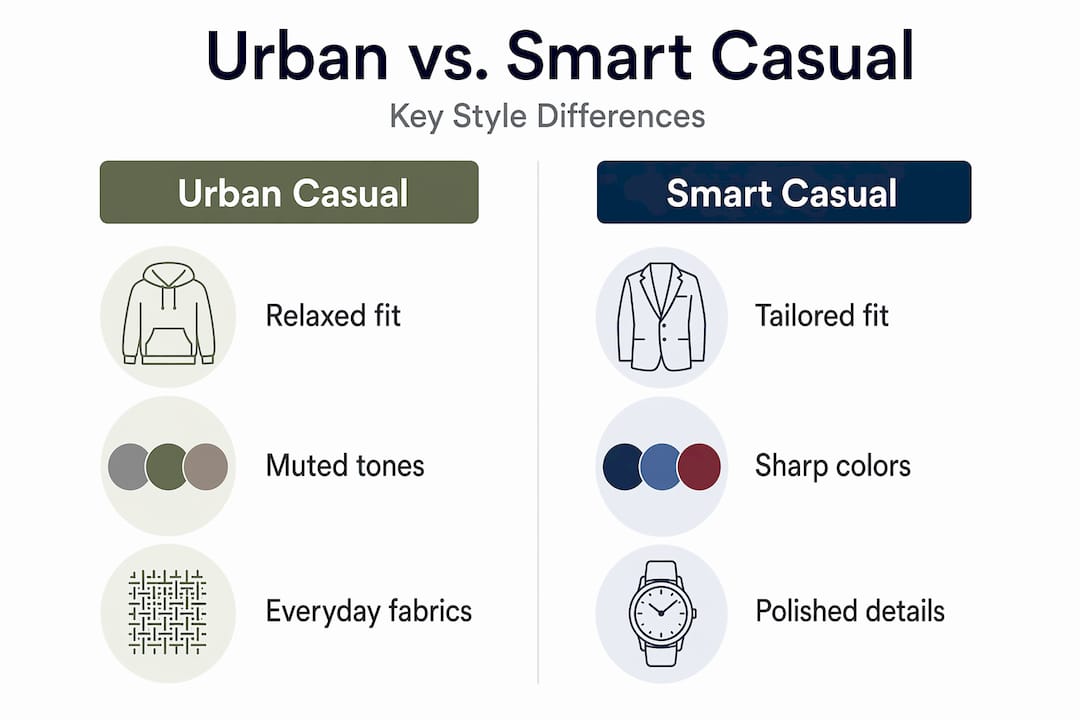
The easiest way to picture urban casual is to think of someone walking through a busy city block looking put-together without appearing like they’re heading to a meeting. They’re wearing clean, quality pieces. The fit is relaxed but not sloppy. There’s visible thought behind the outfit, but zero stiffness.
What separates urban casual from regular casual is the level of intention behind every piece. As this modern style guide describes it, the look “blends streetwear, casual comfort, and metropolitan sophistication,” using relaxed proportions balanced with just enough structure to feel city-appropriate. That balance is the whole game.
Here are the hallmarks that define an urban casual aesthetic:
- Clean silhouettes with no excess fabric hanging awkwardly
- Quality materials that hold their shape and look better with wear
- Deliberate coordination between pieces, not just whatever was on the floor
- City-ready adaptability, meaning the outfit works on a subway, at a coffee shop, and at a low-key evening out
- Subtle visual polish that reads as intentional without looking formal
“Urban casual is the bridge between looking like you tried and looking like you didn’t have to.”
Understanding this definition is the first step. Knowing which key urban fashion elements make up the look is what brings it to life in your actual closet.
Core elements that define urban casual
Now that the definition is clear, let’s identify exactly which elements separate urban casual from other everyday looks. It comes down to four things: fit, fabric, coordination, and attitude.
Fit is everything. Urban casual lives in the relaxed-but-tailored zone. Clothes should skim the body without restricting movement. Think a tee that sits at the hip, not bunching at the waist. Jeans that have some room through the thigh but taper slightly at the ankle. Nothing excessively baggy, nothing uncomfortably slim. As this established casual style resource puts it, casual should never be sloppy. The “urban” framing adds a city-styled blend of comfort with subtle structure, clean silhouettes, quality fabrics, and deliberate layering.
Fabric signals quality immediately. A heavyweight cotton tee in a neutral color instantly reads more polished than a paper-thin shirt with stretched-out seams. The same goes for hoodies: a dense, well-stitched garment communicates effort, even worn with simple jeans. Fabric weight, construction, and the way a piece holds its shape over time all contribute to that polished urban feel.
Coordination ties everything together. This doesn’t mean matching colors exactly. It means thinking about how pieces relate: tonal combinations, complementary textures, and balanced proportions. A chunky knit hoodie over slim-cut pants works. Oversized everything, top to bottom, doesn’t.
Attitude finishes the look. Urban casual is worn with quiet confidence. It doesn’t shout. It doesn’t over-explain. If you feel like you dressed intentionally but comfortably, you’re probably there. Explore modern urban casual upgrades to see how small changes in your current pieces can shift the entire register.
Here’s a quick comparison of urban casual against related styles:
| Feature | Basic casual | Urban casual | Smart casual |
|---|---|---|---|
| Fabric quality | Low to medium | Medium to high | High |
| Fit | Loose, unstructured | Relaxed but tailored | Tailored |
| Footwear | Any sneaker | Clean sneakers or minimal boots | Loafers or dress shoes |
| Layering | Minimal | Intentional | Structured |
| Formality level | None | Low but polished | Moderate |
Pro Tip: Build around three neutral tones first: white, black, and one mid-tone like slate gray or olive. These coordinates make it nearly impossible to put together a bad outfit, and they let quality fabrics do the talking.
The critical distinction: Urban casual vs. smart casual
With an understanding of the components, it’s vital to see how urban casual keeps its unique space, especially up against smart casual, where many people get confused. The line isn’t as obvious as it might seem, and crossing it in either direction changes the entire message your outfit sends.
Smart casual introduces dressier elements: a blazer over a button-down, leather Oxford shoes, pressed chinos with a tuck. It’s still technically “casual,” but there’s a level of formality that makes it appropriate for restaurant dinners, networking events, or day-to-evening occasions. Urban casual, by contrast, never requires a tuck. It never needs leather-soled shoes. It stays resolutely comfortable while looking intentional.
A practical example: jeans in a dark wash, a clean structured tee, and a pair of white low-top sneakers is urban casual. Swap the tee for a linen button-down, the jeans for tailored chinos, and the sneakers for loafers, and you’ve moved into smart casual. Both are appropriate in many city settings, but they communicate very different levels of formality.
According to smart casual style guidance, the biggest boundary issue is confusing “casual” with “smart casual” or “business casual.” Urban casual stays comfortable but must retain visible polish, including clean lines, quality fabrics, and intentional coordination, to avoid looking underdressed or sloppy.
Here’s where edge cases get interesting. A minimalist structured jacket in a neutral tone can exist in both worlds depending on what’s underneath it. Over a clean heavyweight tee and slim jeans with streamlined sneakers, it’s urban casual. Over a button-down with tailored trousers and leather footwear, it’s smart casual. Context and supporting pieces decide the category.
| Occasion | Urban casual appropriate? | Smart casual appropriate? |
|---|---|---|
| Weekend city errands | Yes | Overdressed |
| Casual dinner with friends | Yes | Also works |
| Gallery opening | Yes, if polished | Yes |
| Office environment | Depends on culture | More appropriate |
| Formal event | No | Borderline |
Understanding where these lines sit helps you dress intentionally for any city scenario. If you’re still finding the balance tricky, exploring mixing urban casual outfits gives you practical examples for real-world situations.
How to build an urban casual wardrobe for everyday versatility
Knowing the difference, the next step is practical: how to curate an urban casual wardrobe that’s both timeless and fresh. The good news is that it doesn’t require a large collection. It requires the right collection.
Follow this approach:
-
Start with versatile, neutral basics. A quality heavyweight tee, a clean hoodie, well-fitted jeans, and a pair of streamlined sneakers. These four pieces form the backbone of almost every urban casual outfit. They should be in neutral tones so they coordinate without effort. Think of them as the foundation, not the statement. As this city-ready style principle reinforces, your wardrobe should look intentional and polished in everyday settings without borrowing formality from smart casual.
-
Add one or two focal pieces. A structured jacket in a neutral or muted tone. A pair of classic leather or suede sneakers in a clean colorway. These pieces anchor your outfits and give them visual interest without relying on logos or trends.
-
Layer thoughtfully, not randomly. Layering in urban casual is functional and visual at the same time. A hoodie under a zip-up jacket, or a long-sleeve tee under a clean overshirt, adds dimension without clutter. Avoid stacking too many competing textures or colors. One layering move per outfit is usually enough.
-
Avoid excessive logos and trend-driven pieces. Loud branding immediately lowers the polish of an urban casual look. If a piece has visible branding, it should be minimal and subtle. Trend-chasing also shortens the life of your wardrobe. A clean, well-cut silhouette will look sharp in 2026 and still read well years later.
-
Adopt a buy-less-buy-better mindset. Six well-chosen pieces beat twenty mediocre ones every time. When you invest in quality fabrics and honest construction, pieces last longer, look better over time, and mix more easily with everything else you own.
Pro Tip: Before buying anything new, ask whether it works with at least three things already in your wardrobe. If it doesn’t, it’s a costume, not a building block.
To get a practical feel for what this looks like in action, essential casual wear examples show how core pieces layer and pair for real everyday outfits. For a cleaner, stripped-back take on the formula, minimalist urban casual outfits offer inspiration without overcomplication.
The most misunderstood detail about urban casual
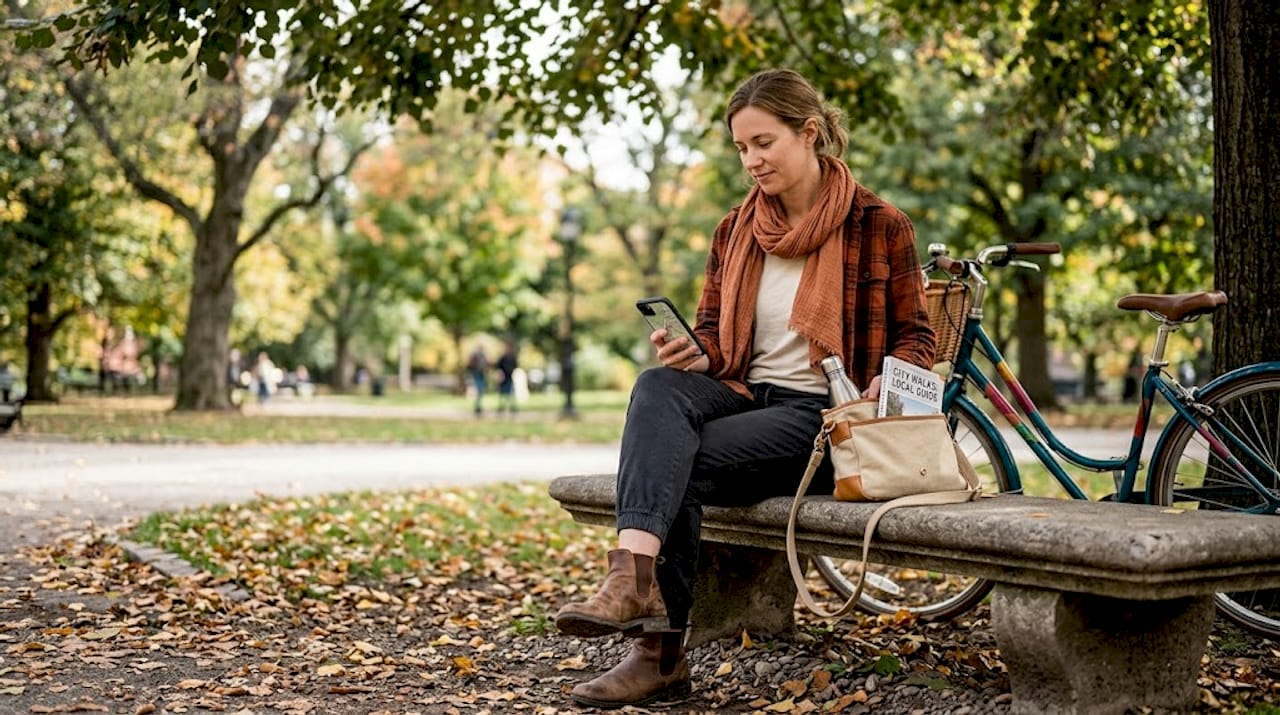
Most guides spend all their energy telling you what to buy. A better tee. Cleaner sneakers. A well-cut jacket. And while those suggestions are valid, they miss the single most impactful variable in urban casual dressing: it’s not what you wear. It’s how you wear it.
We’ve seen people pair budget basics with zero coordination and look completely lost, while others put together thrift-store finds with such clear intention that the outfit stops you in your tracks. The difference isn’t price. It’s thought. Intentional coordination, meaning how pieces relate in terms of color, weight, proportion, and layering, is what creates that city-polished look that urban casual is supposed to deliver.
A $15 tee in a clean cut, worn with well-fitting dark jeans and a pair of minimal white sneakers, will always beat a $150 logo-heavy piece worn without intention. The outfit that reads as urban casual is the one that looks like someone chose each piece deliberately, even if the choice took thirty seconds. That deliberateness is a skill, and like any skill, it gets faster and more instinctive with practice.
City confidence, the kind that urban casual is built to support, comes from authenticity. Your wardrobe should express who you are, not perform a style identity you’re still figuring out. That means building around pieces that genuinely work for your life, your city context, and your own aesthetic instincts, rather than chasing a trend or replicating someone else’s feed.
As this foundational style principle makes clear, looking polished in everyday urban settings is about comfort meeting intention. The moment you shift from “what should I wear?” to “how do these pieces work together?”, your style changes instantly. Explore modern upgrades for urban casual to see exactly how small, intentional changes shift the entire register of an everyday outfit.
Next steps: Elevate your city-ready style
Urban casual is a mindset as much as a wardrobe. Once you understand what makes it work, clean fabrics, intentional coordination, relaxed-but-tailored fit, the pieces you reach for every day start to feel like a language you’re fluent in rather than a puzzle you’re solving.
At Smoked Times, we build exactly the kinds of pieces that make urban casual work without effort: heavyweight cotton tees, clean hoodies, minimal polos, and versatile cold-weather accessories, all with the kind of durable construction that gets better with every wear. Nothing trend-chasing, nothing overbranded. Just honest, well-made basics that coordinate naturally and hold up over time. If you’ve tried any of our pieces in your own urban casual rotation, we’d love to hear what works. Share your urban casual experiences with the Smoked Times community and help other style-conscious folks find their footing.
Frequently asked questions
What is the difference between urban casual and streetwear?
Urban casual incorporates streetwear comfort but adds a layer of refinement, including cleaner silhouettes, higher-quality fabrics, and intentional styling. Where streetwear leans into boldness and branding, urban casual favors metropolitan sophistication with relaxed proportions kept in balance.
Is denim appropriate in urban casual outfits?
Yes, clean and well-fitted denim is a staple of urban casual, especially when paired with structured or polished basics. The key is fit and condition: clean, quality denim with deliberate layering keeps the look city-appropriate rather than just comfortable.
How do I avoid looking underdressed in urban casual?
Focus on intentional coordination, quality fabrics, and subtle layering to ensure your outfit appears polished rather than accidental. Visible polish, through clean lines and thoughtful pairing, is what prevents urban casual from reading as plain casual.
Are hoodies and graphic tees suitable for urban casual?
Only if they’re high-quality and styled cleanly. Excessive logos or baggy fits lower the polish required for true urban casual. Intentional city-ready dressing means even relaxed pieces need to look chosen, not just grabbed.