


What defines urban fashion: key elements and trends
TL;DR:
- Urban fashion originates from 1970s hip-hop culture emphasizing community, creativity, and practicality.
- It values comfort, individuality, vintage influences, and minimal branding over hype or labels.
- Today in 2026, urban style favors minimalism, vintage fabrics, layered neutral outfits, and durable, worn-in clothing.
Urban fashion gets misread constantly. People assume it means expensive sneaker drops, oversized logos, or whatever rapper just launched a capsule collection. But that reading misses the point entirely. Real urban style has always been rooted in something more grounded: community, creativity, and the kind of clothing that actually gets worn hard every day. This guide breaks down where urban fashion came from, what genuinely defines it, how it looks in 2026, and how you can build a wardrobe that reflects authentic urban sensibility without chasing hype or burning your budget on labels.
Table of Contents
- Origins and evolution of urban fashion
- Defining characteristics: What makes urban fashion unique?
- Urban fashion today: Core trends and styles
- Applying urban fashion: Building your wardrobe
- Our take: Why real urban fashion always stays ahead
- Discover modern urban essentials at Smoked Times
- Frequently asked questions
Key Takeaways
| Point | Details |
|---|---|
| Rooted in street culture | Urban fashion began with hip-hop, skateboarding, and creative rebellion in US cities. |
| Defined by individuality | Self-expression, comfort, and cultural identity shape every urban look. |
| Timeless over trendy | Modern urban style prioritizes quality, minimalism, and vintage inspiration. |
| Practical style guidance | Anyone can build an authentic urban wardrobe with the right mix of pieces and attitude. |
Origins and evolution of urban fashion
To understand urban fashion, you have to go back to the streets where it was born. Urban fashion originated in the late 1970s and early 1980s from hip-hop culture in urban centers like New York and Los Angeles, shaped by street culture, music, skateboarding, and graffiti. It was never designed in a studio. It was assembled on stoops, in parks, and at block parties by people who had no interest in what Paris or Milan was doing.
The urban style roots of this movement were deeply tied to necessity and identity. Baggy jeans, tracksuits, and bold color blocking weren’t fashion statements for the runway. They were practical, expressive, and affordable. They told a story about who you were and where you came from.
“Urban fashion didn’t come from designers trying to look street. It came from the street itself, and designers spent decades trying to catch up.”
Over the decades, that raw energy evolved. The youth culture influence on mainstream style became impossible to ignore, and by the 1990s, brands like FUBU, Karl Kani, and later Supreme were bridging the gap between street credibility and commercial appeal.
| Decade | Dominant style | Key influences |
|---|---|---|
| 1970s | Tracksuits, athletic wear | Hip-hop, block parties |
| 1980s | Bombers, shell toes, bold logos | Rap music, graffiti |
| 1990s | Baggy denim, hoodies, timberlands | East/West coast rap, skate culture |
| 2000s | Fitted caps, graphic tees, sneaker culture | Celebrity influence, early internet |
| 2010s | High-low mixing, luxury streetwear | Social media, collaborations |
| 2020s | Minimalism, vintage fabrics, comfort basics | Sustainability, anti-hype movement |
Key cities and figures that shaped urban fashion’s evolution of urban style include:
- New York City: Birthplace of hip-hop fashion, home to Run-DMC, Dapper Dan, and Supreme
- Los Angeles: West Coast influence, Compton aesthetics, skate culture crossover
- London: Grime scene and multicultural street style fusion
- Tokyo: Harajuku subcultures and the rise of Japanese streetwear
- Atlanta: Trap era style, relaxed silhouettes, Southern influence
What’s remarkable is how this style went from being dismissed by mainstream fashion to being copied by every luxury house on earth. That journey didn’t happen overnight, and it didn’t happen because designers got creative. It happened because the streets kept producing something real.
Defining characteristics: What makes urban fashion unique?
Understanding the origins helps set the stage for examining what actually defines urban fashion today. And the answer isn’t a specific brand or price point. It’s a set of values that shows up in how clothes are chosen, worn, and combined.
Urban fashion emphasizes self-expression, cultural identity, individuality, a DIY ethos, and rebellion against mainstream norms, blending streetwear with high fashion in a way that feels personal rather than prescribed. That’s the core. Everything else flows from it.
Here’s how those values translate into actual style choices:
- Comfort first: Relaxed fits, breathable fabrics, and clothes you can move in
- Individuality: Mixing pieces in unexpected ways rather than following outfit formulas
- Street credibility: Authenticity over aspiration. Worn-in beats brand new.
- Vintage influence: Older silhouettes, retro colorways, and thrifted textures
- High-fashion crossover: Knowing when to mix a luxury piece with something basic
The self-expression in urban fashion is what separates it from trends that look urban but feel hollow. You can tell the difference between someone who assembled an outfit from a mood board and someone who actually lives in their clothes.
| Feature | Urban fashion | Mainstream fashion |
|---|---|---|
| Fit | Relaxed, oversized, or straight | Tailored, trend-driven |
| Materials | Heavy cotton, denim, fleece, corduroy | Mixed synthetics, seasonal fabrics |
| Intent | Identity and comfort | Trend alignment |
| Branding | Minimal or subcultural | Visible logos, seasonal labels |
| Longevity | Built to last and repeat wear | Designed for seasonal turnover |
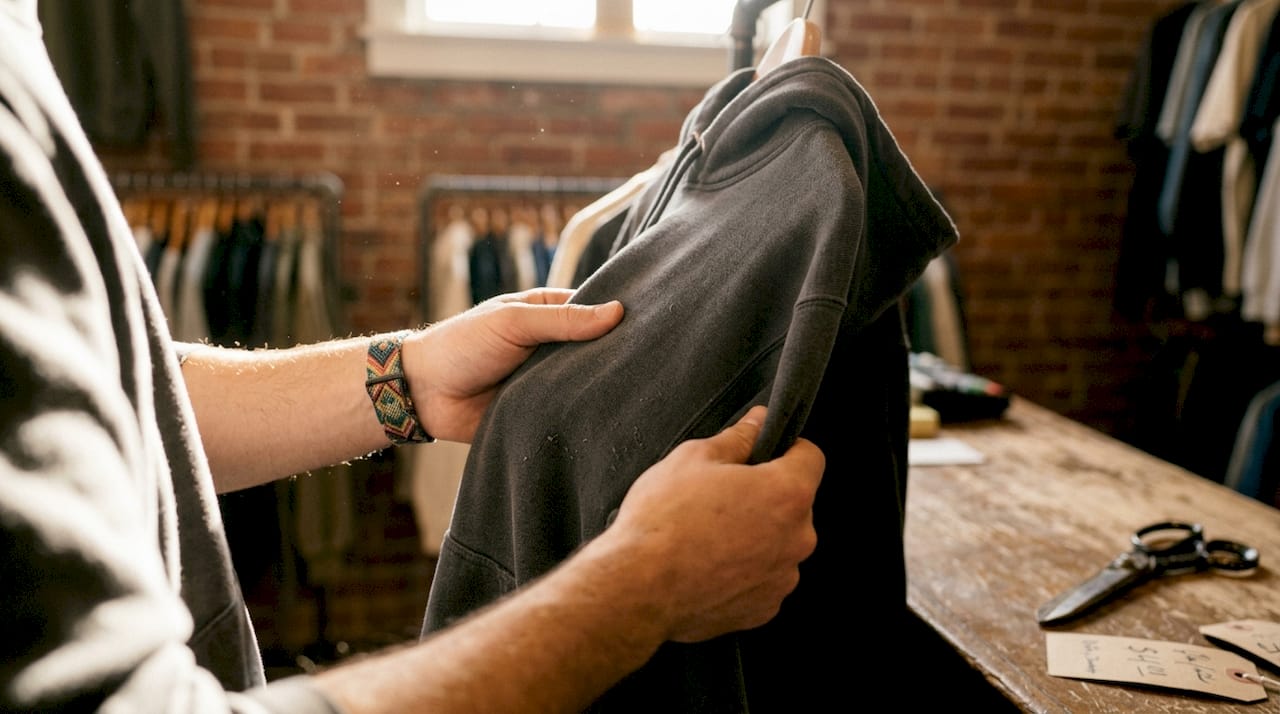
Pro Tip: When shopping for urban pieces, check the weight of the fabric. Lightweight, flimsy cotton is a giveaway that a brand is chasing the aesthetic without the substance. Real urban staples use heavier materials that hold their shape after dozens of washes.
The urban style retail trends also reflect a growing demand for pieces that hold up over time rather than pieces that photograph well once and fall apart. That shift is meaningful, and it’s reshaping what people are actually buying.
Urban fashion today: Core trends and styles
With core traits defined, it’s time to examine how urban fashion is actually showing up in closets and on city streets today. The landscape in 2026 looks noticeably different from the hype-heavy cycles of the early 2010s.
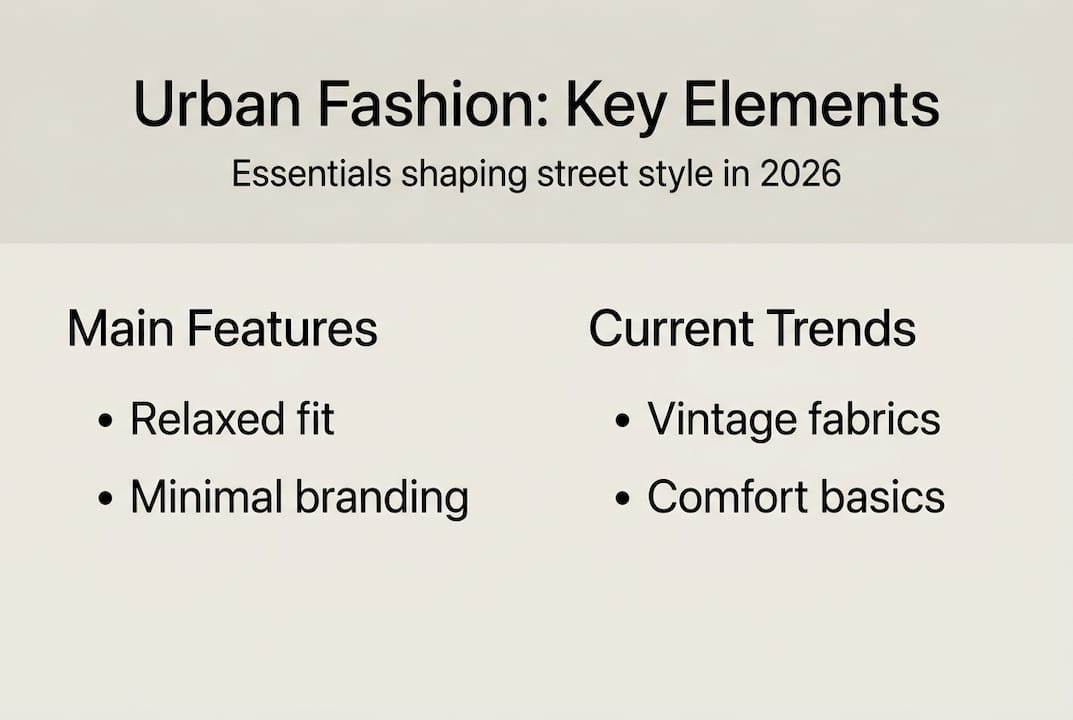
There’s a clear shift toward minimalism and quality over hype, with timeless apparel and vintage influences taking priority over bold logos. That’s not a small adjustment. It’s a fundamental change in what urban fashion enthusiasts actually value.
Here are the five dominant styles defining urban fashion right now:
- Oversized and relaxed silhouettes: Wide-leg pants, boxy tees, and drop-shoulder hoodies remain central. Comfort is non-negotiable.
- Muted and earthy color palettes: Olive, stone, charcoal, and washed neutrals are replacing the loud colorways of previous years.
- Vintage-inspired fabrics: Corduroy, heavy fleece, and organic cotton signal quality and a nod to older aesthetics.
- Layering with purpose: Lightweight jackets over hoodies, open flannels over tees. Layers add depth without effort.
- Minimal branding: Clean pieces with no logos or very subtle marks are outperforming loud graphic-heavy designs.
The timeless casual wear movement within urban fashion is really about durability and repeat wear. People are buying fewer pieces and wearing them more. That’s a direct reaction to years of fast fashion flooding the streetwear space.
Pro Tip: To blend vintage and modern without looking dated, anchor your outfit with one clean, current-fitting piece (like a straight-leg pant in a neutral) and let your vintage or textured layer be the accent. The modern piece grounds the look; the vintage piece gives it character.
The minimalist comfort direction also means that the best t-shirts for streetwear in 2026 are heavyweight, simply cut, and built for longevity rather than novelty. That’s a standard worth holding to.
Applying urban fashion: Building your wardrobe
Knowing what defines and drives urban fashion means you’re ready to apply these insights personally. And the good news is that building a real urban wardrobe doesn’t require a massive budget or a personal stylist.
Start with these essential pieces:
- Heavyweight cotton tees: The foundation of any urban wardrobe. Look for thick fabric, a relaxed fit, and minimal or no branding.
- Straight-leg or wide-leg pants: Denim, corduroy, or twill. These silhouettes are versatile and age well.
- Pullover hoodie: A clean, oversized hoodie in a neutral color is the most repeatable piece you can own.
- Vintage-inspired outerwear: A bomber, a coach jacket, or a quilted vest adds layering depth without screaming trend.
- Broken-in sneakers: Not box-fresh. Worn sneakers carry more authenticity than pristine pairs.
The DIY styling ethos of urban fashion means you don’t need to buy everything new. Thrifting is genuinely valuable here, not just as a budget move but as a way to find pieces with real texture and history. That said, certain items are worth investing in. A quality hoodie or a well-constructed pair of pants will outlast five cheap versions of the same thing.
Pro Tip: Thrift for outerwear, flannels, and vintage graphic tees. Invest in basics like your everyday hoodie, your core tees, and your pants. Those are the pieces you’ll reach for daily, so quality matters most there.
The styling winter hoodies approach applies here too. A great hoodie isn’t just a cold-weather piece. It’s a layering anchor year-round. Understanding streetwear style basics will also help you avoid the common mistake of over-accessorizing or over-branding a look that works better when it’s kept clean.
Authenticity in urban fashion isn’t about owning the right labels. It’s about wearing things that actually fit your life, your body, and your taste.
Our take: Why real urban fashion always stays ahead
Here’s the part most style guides skip. Urban fashion doesn’t stay relevant because it keeps reinventing itself. It stays relevant because it never fully belongs to any one institution. Brands, magazines, and luxury houses can borrow from it, but they can’t own it.
Every time a trend cycle tries to absorb urban style, the street moves on. The oversized silhouette gets picked up by a luxury brand, marked up by a factor of ten, and suddenly it’s “high fashion.” Meanwhile, the people who were wearing it first have already shifted to something quieter, more considered, and more personal.
That’s the real engine of modern urban authenticity. It’s not about being ahead of the curve for its own sake. It’s about dressing for your actual life rather than for an audience. The pieces that endure in urban wardrobes are the ones that get worn until they’re soft, faded, and shaped to the person wearing them.
“Hype cycles end. A well-worn hoodie that fits exactly right never goes out of style.”
That’s the standard worth building toward.
Discover modern urban essentials at Smoked Times
If this guide has shifted how you think about urban fashion, the next step is putting those principles into practice with pieces that actually hold up.
At Smoked Times, we build around exactly the values this guide describes: comfort, durability, minimal branding, and a vintage-inspired feel that doesn’t chase trends. Whether you’re looking for corduroy straight pants that anchor a layered look, retro cotton t-shirts made from organic Pima cotton, or retro hoodies built for real repeat wear, every piece is designed to be reached for again and again. This is urban dressing done right.
Frequently asked questions
What are the must-have wardrobe staples in urban fashion?
Urban fashion staples include relaxed hoodies, classic tees, straight pants, and vintage-inspired sneakers that prioritize comfort and versatility over logo visibility.
How is urban fashion different from streetwear?
Urban fashion is broader than streetwear. It includes streetwear but also incorporates high fashion references, vintage aesthetics, and a stronger emphasis on individuality and cultural identity.
What is influencing urban fashion in 2026?
Minimalism, vintage fabrics, and quality comfort basics are the dominant forces in 2026, with a clear move away from flashy logos and hype-driven drops.
Does urban fashion have to include designer brands?
Not at all. Authentic urban style often relies on thrifted, DIY, and carefully mixed pieces, with designer items playing a supporting role rather than defining the whole look.