


What Is Gender-Fluid Apparel? Your 2026 Style Guide
TL;DR:
- Gender-fluid apparel involves clothing that evolves across gender boundaries through consistent adoption, not just design. It emphasizes real user behavior over time, distinguishing it from unisex, androgynous, or gender-bending styles rooted in visual signals or temporary expression. Building a gender-fluid wardrobe starts with versatile basics and intentional styling choices that allow flexible self-expression across genders.
Gender-fluid apparel is clothing that intentionally blurs traditional masculine and feminine fashion categories, letting individuals wear mixed styles without fixed gender assignments. Unlike a simple “unisex” label, gender-fluid fashion is defined by how garments are adopted and worn across genders over time, not just by how they are designed or marketed. Research from Columbia Business School confirms that gender associations become fluid after consistent cross-gender adoption, meaning the category is behavioral as much as it is aesthetic. For anyone exploring styles for gender-fluid individuals, understanding this distinction is the foundation for building a wardrobe that genuinely reflects personal identity.
What is gender-fluid apparel and how is it defined?
Gender-fluid apparel is clothing that mixes masculine and feminine design elements to allow flexible self-expression beyond traditional gender norms. The term “gender-fluid fashion” is the widely recognized industry phrase, though you will also see it described as gender-inclusive or gender-expansive clothing in retail contexts. What separates it from other inclusive fashion categories is its evolutionary nature: a garment becomes gender-fluid through sustained adoption across different genders, not simply because a brand markets it that way.
Harvard Business School researchers analyzed 200,000 fashion products to map how these categories actually function in the market. Their findings show that true gender-fluid fashion emerges from real consumer behavior over time. This means a structured blazer originally coded as masculine becomes gender-fluid when women and nonbinary people consistently adopt it as part of their own wardrobes, reshaping its cultural meaning. The garment itself may not change, but its social identity does.
This behavioral definition matters for shoppers. It means you can identify authentic gender-fluid pieces by looking at how they are actually worn in the world, not just at the label inside the collar. Brands like Smokedtimes that build around versatile, minimal basics are well positioned here because their pieces naturally attract cross-gender adoption without forcing a trend-driven identity onto the wearer.
How does gender-fluid apparel differ from unisex, androgynous, and gender-bending styles?
These four terms get used interchangeably in fashion media, but they describe genuinely different approaches to dressing. Knowing the difference helps you shop and style with more intention.
Unisex clothing avoids gender markers from the outset. Think neutral fits, basic colors, and silhouettes designed to work on any body without signaling a gender. Gender-neutral styles emphasize simplicity, comfort, and versatility as their primary goals. The design intent is neutrality from day one.
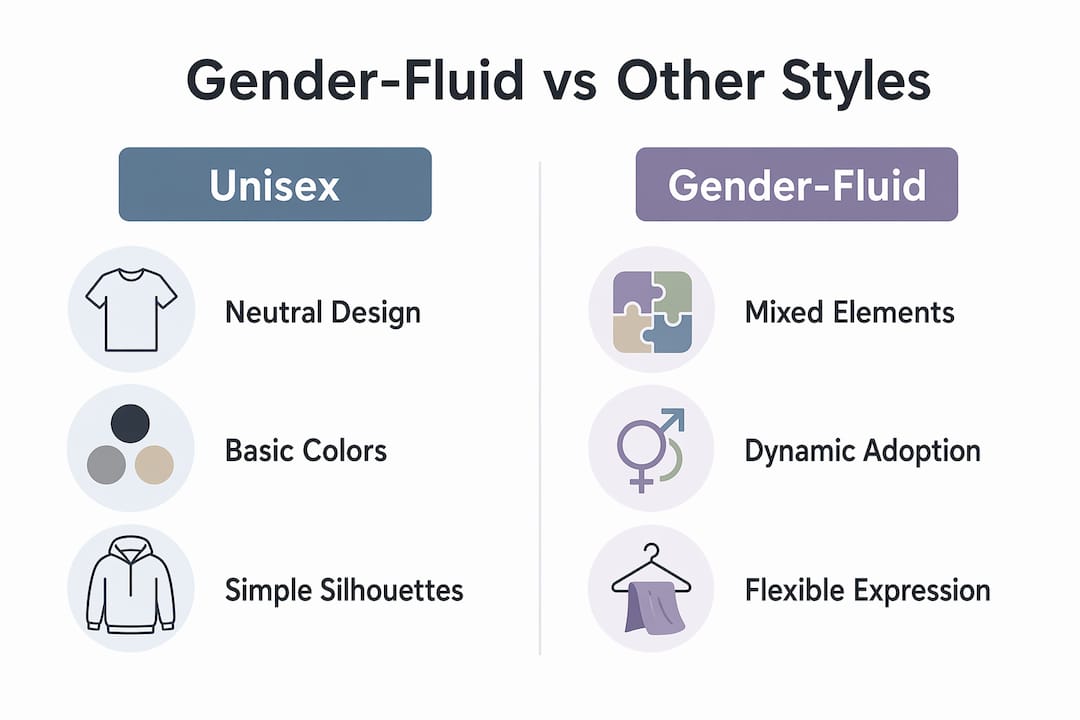
Androgynous fashion takes the opposite approach: it combines masculine and feminine signals simultaneously within a single look. A person wearing a tailored suit jacket with a lace blouse and bold makeup is presenting androgyny. Both gender codes are present at the same time, creating deliberate visual tension.
Gender-bending is often temporary or theatrical. It involves adopting the opposite gender’s codes for a specific occasion, performance, or statement. Columbia Business School’s 2026 analysis distinguishes gender-bending as a moment rather than an ongoing practice, which separates it clearly from gender-fluid expression.
Gender-fluid apparel is the category defined by evolution and adoption over time. It does not require simultaneous gender signals or a theatrical intent. It simply reflects how clothing moves across gender boundaries through real, sustained use.
| Style category | Core characteristic | Example |
|---|---|---|
| Unisex | Neutral from design stage | Plain white crew-neck tee in a boxy fit |
| Androgynous | Simultaneous masculine and feminine signals | Suit blazer worn with a floral slip dress |
| Gender-bending | Temporary cross-gender adoption | Men wearing dresses for a runway or editorial |
| Gender-fluid | Evolving cross-gender adoption over time | Structured trench coat worn across all genders |
What are the typical features and garment styles in gender-fluid apparel?
Gender-fluid pieces share a recognizable set of design characteristics that make them easy to identify once you know what to look for. Stylist Soumya Nandy, cited in Telegraph India’s 2026 fashion coverage, points to skirts styled for men and structured jackets for women as clear illustrations of gender-fluid fashion in practice. These are not costume choices. They are wardrobe staples being reclaimed across gender lines.
The most common features include:
- Oversized tailoring with clean, structured shoulders that read as authoritative without being gendered
- Fluid drapes and soft silhouettes that move away from body-contouring cuts traditionally associated with women’s wear
- Neutral and muted palettes including stone, slate, off-white, and black that carry no inherent gender signal
- Statement jewelry and accessories used to shift the gender read of an otherwise neutral outfit
- Anti-fit construction where garments sit away from the body rather than following its contours
Fabric choice matters as much as silhouette. Heavyweight cotton, linen, and brushed fleece all read as relaxed and ungendered in a way that stretch jersey or satin typically does not. This is part of why basics-focused brands naturally produce pieces that work well in gender-fluid wardrobes.
Effective gender-fluid styling manages multiple gender-coded markers simultaneously at the silhouette, fabric, and accessory levels. Getting one of those three right is styling. Getting all three right is a coherent gender-fluid look.
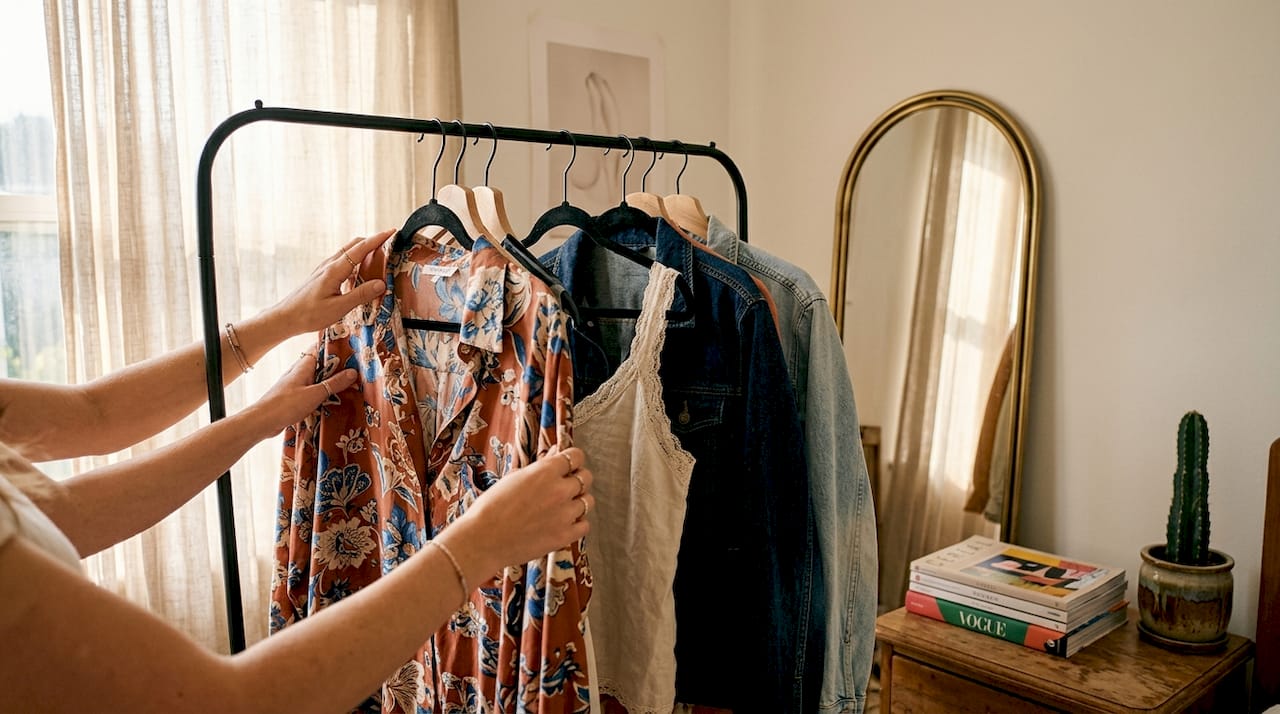
Pro Tip: Start with one anchor piece that carries a clear gender signal you want to subvert, then build the rest of the outfit in neutral territory. A wide-leg trouser with a fitted ribbed tank and chunky silver jewelry is a complete gender-fluid look built from three simple decisions.
What cultural and social dynamics influence gender-fluid apparel adoption?
The cultural story behind gender-fluid fashion is more complicated than most brand campaigns suggest. Research from Harvard and Columbia reveals a consistent directional pattern: masculine-coded styles flow more freely across gender lines than feminine-coded ones do. Women and nonbinary consumers adopt masculine-coded gender-fluid styles far more readily than men adopt feminine-coded ones. This is not a design problem. It reflects deeper social status dynamics.
Masculine-coded clothing carries higher social status in most professional and public contexts. Adopting it reads as aspirational or powerful regardless of who wears it. Feminine-coded clothing, by contrast, still carries social risk for men in most environments. This asymmetry means that much of what gets marketed as gender-fluid fashion is, in practice, masculine-coded clothing made available to a broader audience.
“Gender-fluid apparel as marketed can reproduce male-centered power dynamics by elevating masculine-coded styles more widely than feminine ones, challenging assumptions of inclusivity.” — Harvard Business School research insight
This does not make gender-fluid fashion less valuable. It does mean that shoppers and brands alike benefit from examining which direction the fluidity actually flows. A brand that only offers oversized hoodies and wide-leg trousers as its “gender-fluid” line is not offering the same thing as a brand that genuinely designs for movement in both directions.
The consumers driving adoption most actively are women and nonbinary individuals, particularly in urban professional settings where 2026 fashion trends show a clear shift toward comfort-first dressing without sacrificing polish. Social media has accelerated this shift significantly, with platforms like Instagram and TikTok normalizing cross-gender styling at a speed that traditional fashion retail cannot match. The result is a market where consumer behavior is consistently ahead of brand positioning.
How to wear and style gender-fluid apparel effectively
Building a gender-fluid wardrobe does not require replacing everything you own. The most practical approach starts with versatile base pieces and adds or removes gender signals through styling choices. Here is a step-by-step framework that works for both casual and professional settings:
- Start with a neutral foundation. Choose a base piece with no strong gender signal: a relaxed cotton tee, a wide-leg trouser, or a clean crew-neck sweatshirt. This gives you a blank canvas to work from.
- Add one gender-coded element intentionally. A structured blazer, a midi skirt, or a pair of chunky boots each carries a gender signal. Choose one and let it anchor the look.
- Use accessories to shift the read. A pearl necklace, a leather belt, or a structured bag can move an outfit toward or away from a gender code without changing the clothes themselves.
- Adjust fit deliberately. Oversized fits read as more masculine-coded; closer fits read as more feminine-coded. Playing with proportion is one of the fastest ways to shift a look’s gender expression.
- Test the look in context. A gender-fluid office outfit works differently than a weekend look. Stylist Soumya Nandy recommends anti-fit tailoring and clean silhouettes for professional settings where subtlety matters.
For a deeper look at how gender-neutral clothing fits into this framework, Smokedtimes has a full breakdown of gender-neutral basics that pairs well with this guide.
Pro Tip: The most wearable gender-fluid outfits follow a simple ratio: two neutral pieces to one gender-coded piece. This keeps the look intentional without feeling like a costume.
Key takeaways
Gender-fluid apparel is defined by sustained cross-gender adoption over time, not by marketing labels, making behavioral evidence the most reliable test of whether a garment truly belongs in this category.
| Point | Details |
|---|---|
| Core definition | Gender-fluid apparel blurs masculine and feminine categories through real cross-gender adoption, not just design intent. |
| Key distinction | Unisex avoids gender signals from the start; gender-fluid evolves through how garments are worn over time. |
| Styling foundation | Start with neutral base pieces and add or remove gender signals through fit, fabric, and accessories. |
| Cultural reality | Masculine-coded styles cross gender lines more freely than feminine-coded ones, reflecting social status dynamics. |
| Practical entry point | Anti-fit tailoring, neutral palettes, and statement accessories are the most accessible tools for gender-fluid dressing. |
Why gender-fluid fashion is worth taking seriously
I have spent years watching fashion cycles claim to break rules while quietly reinforcing them. Gender-fluid apparel is different, but not for the reasons most brand campaigns suggest. The research from Harvard and Columbia is genuinely clarifying here: this is not a trend driven by designers deciding to be bold. It is a behavioral shift driven by real people wearing clothes in ways that feel true to them, regardless of what the label says.
What I find most useful about the behavioral definition is that it puts the power back with the wearer. You do not need a brand to tell you something is gender-fluid. You need to look at how it is actually worn, how it fits your body, and whether it lets you express something real. That is a much more honest starting point than a marketing campaign.
The challenge I see most often is people treating gender-fluid dressing as an all-or-nothing commitment. It is not. You can wear one gender-fluid piece in an otherwise conventional outfit and that counts. You can explore color trends in apparel and find that a single palette shift changes how a look reads entirely. Start small, pay attention to what feels right, and let the wardrobe evolve from there. The goal is not to perform fluidity. It is to dress in a way that actually fits who you are.
— Denis
Explore gender-fluid essentials at Smokedtimes
Smokedtimes builds around exactly the kind of pieces that form the foundation of a gender-fluid wardrobe: heavyweight cotton tees, relaxed hoodies, clean trousers, and minimal basics in neutral palettes with no loud branding. Every piece is designed for repeat wear and versatile styling, which means they work as anchor pieces for any gender expression. The Essentials collection is the best starting point if you want pieces that genuinely cross gender lines without forcing a trend identity. For a single standout piece, the Retro Cotton T-Shirt in organic Pima cotton is a wardrobe staple that works for everyone.
FAQ
What is the simplest definition of gender-fluid apparel?
Gender-fluid apparel is clothing that mixes masculine and feminine design elements, allowing people to dress beyond fixed gender categories. It is defined by cross-gender adoption over time rather than by a brand label or marketing claim.
How is gender-fluid clothing different from gender-neutral clothing?
Gender-neutral clothing avoids gender signals from the design stage, aiming for neutrality from the start. Gender-fluid clothing, by contrast, may carry gender signals but becomes fluid through how it is adopted and worn across different genders over time.
Who wears gender-fluid apparel most commonly?
Women and nonbinary individuals are the most active adopters of gender-fluid styles, particularly masculine-coded pieces. Harvard Business School research shows men face greater social risk adopting feminine-coded styles, which creates an asymmetry in how fluidity moves across gender lines.
Can I build a gender-fluid wardrobe on a budget?
Yes. The most practical strategy is to start with versatile, gender-ambiguous base pieces you already own and shift their gender read through accessories, fit adjustments, and layering. You do not need a new wardrobe to dress in a gender-fluid way.
Is gender-fluid fashion the same as androgynous fashion?
No. Androgynous fashion combines masculine and feminine signals simultaneously in a single look. Gender-fluid fashion is defined by how clothing evolves across gender boundaries through sustained adoption over time, which is a behavioral distinction rather than a visual one.