


Athleisure wear explained: style, comfort, versatility
Athleisure is one of the most misunderstood categories in fashion. Most people assume it means throwing on gym clothes and calling it a day. But the reality is far more interesting. Athleisure has grown into a full-blown style movement, one that blends athletic function with everyday wearability in a way that resonates with millions of people worldwide. The global athleisure market was valued at roughly USD 431 billion in 2024 and is projected to nearly double by 2032. This guide breaks down what athleisure actually is, where it came from, how it differs from activewear, and how to build a wardrobe around it.
Table of Contents
- What is athleisure wear?
- Origins and evolution: Athleisure’s journey
- Athleisure vs. activewear: Key differences and what to wear
- Minimalism and timelessness in athleisure style
- Cultural impact and future trends
- Upgrade your athleisure wardrobe
- Frequently asked questions
Key Takeaways
| Point | Details |
|---|---|
| Athleisure defined | Athleisure is stylish, comfortable clothing designed for everyday life, not just workouts. |
| Minimalist impact | Minimalist and timeless basics make athleisure popular among those prioritizing lasting style. |
| Comfort wins | Consumers increasingly choose athleisure for its all-day comfort and versatility. |
| Global growth | Athleisure is a booming market, expected to double in size by 2032. |
| Choosing wisely | Understanding athleisure versus activewear helps you select the right pieces for your lifestyle. |
What is athleisure wear?
Athleisure wear sits at the intersection of athletic clothing and casual everyday fashion. It is not designed primarily for the gym, and it is not purely streetwear either. The defining quality is versatility: pieces that look intentional whether you are running errands, meeting a friend for coffee, or working from home.
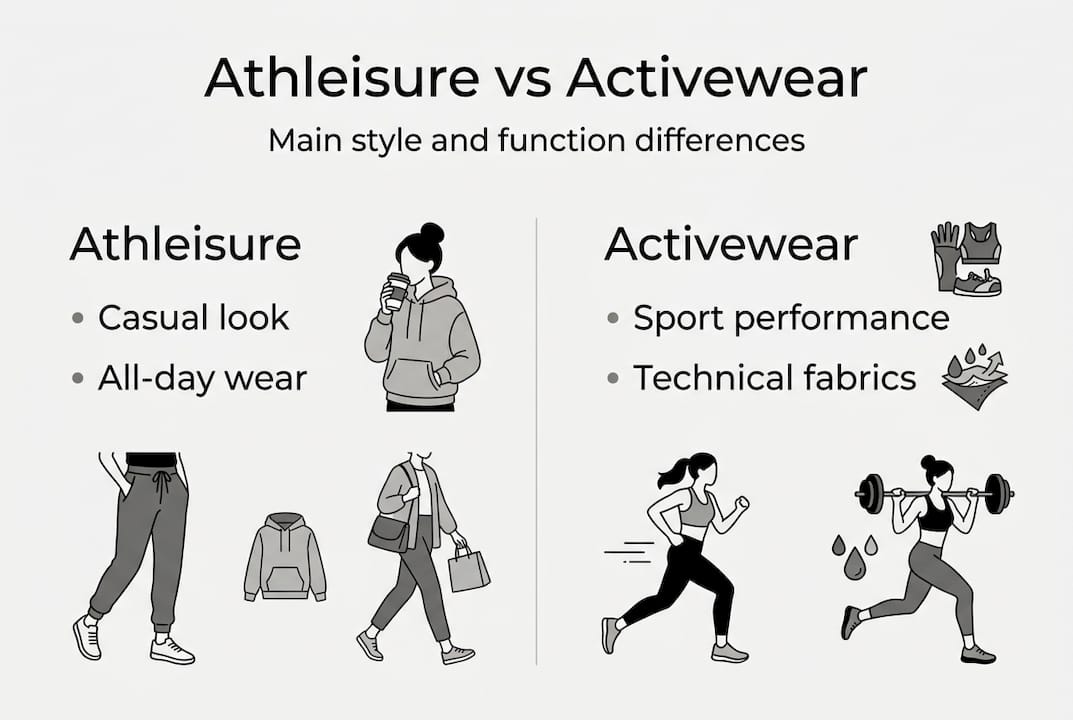
The key distinction is purpose. Athleisure prioritizes fashion and all-day comfort for lifestyle use, while activewear is engineered for performance. That means athleisure fabrics tend to be softer, cuts tend to be more relaxed, and silhouettes lean toward clean and minimal rather than body-mapped and technical.
Here is a quick comparison to make the difference concrete:
| Feature | Athleisure | Activewear |
|---|---|---|
| Primary purpose | Everyday lifestyle wear | High-performance workouts |
| Fabric focus | Soft, breathable, comfortable | Moisture-wicking, compression |
| Silhouette | Relaxed, clean, minimal | Body-mapped, technical |
| Branding | Minimal or none | Often bold logos |
| Occasion | Casual, social, work-from-home | Gym, sport, training |
The athleisure qualities that make it so appealing come down to a few core traits:
- Comfort-first construction that does not sacrifice appearance
- Neutral, versatile color palettes that mix and match easily
- Minimal branding that keeps the look clean and timeless
- Durable fabrics that hold up through repeated wear
- Flexible styling that works across multiple settings
Think of it as clothing that respects your time. You do not need to change outfits three times a day.
Origins and evolution: Athleisure’s journey
Athleisure did not appear overnight. The term emerged in the late 1970s and gained real traction through the 1980s and 1990s, driven by designers like Norma Kamali who brought athletic silhouettes into mainstream fashion. Brands like Lululemon pushed the category further in the early 2000s by making yoga-inspired clothing socially acceptable outside the studio.
The real explosion came post-2010. Wellness culture went mainstream, social media made personal style more visible, and remote work blurred the line between home clothes and going-out clothes. The pandemic accelerated all of this dramatically. Suddenly, comfort was not a compromise. It was the point.
Here is a timeline of key moments:
| Era | Key development |
|---|---|
| Late 1970s | Term coined, athletic silhouettes enter fashion |
| 1980s to 1990s | Designers like Norma Kamali elevate athletic wear |
| Early 2000s | Lululemon popularizes lifestyle athletic clothing |
| 2010s | Wellness culture and social media fuel growth |
| 2020 to present | Pandemic normalizes comfort-first dressing globally |
The numbers reflect this shift. The market is growing at a compound annual growth rate of roughly 9 to 10 percent, a pace that signals this is not a passing trend. Understanding lifestyle apparel trends helps explain why so many people are rethinking what a functional wardrobe actually looks like. And if you follow casual style trends, you will notice athleisure showing up everywhere from street photography to editorial spreads.
Stat to know: The global athleisure market is projected to reach USD 866 billion by 2032, growing at roughly 9 to 10 percent annually.
Athleisure vs. activewear: Key differences and what to wear
This is where a lot of people get tripped up. Athleisure and activewear look similar on a hanger, but they serve very different purposes once you put them on.
Activewear is built for movement. It uses compression fabrics, reinforced seams, and moisture management systems designed to support your body during intense physical activity. Athleisure, by contrast, is built for life. Softer fabrics, looser fits, and cleaner aesthetics make it ideal for everything except the most demanding workouts.
Here is where the distinction really matters:
| Situation | Best choice | Why |
|---|---|---|
| Running or HIIT training | Activewear | Compression and seam support needed |
| Coffee, errands, casual work | Athleisure | Comfort and style without overdressing |
| Travel or long commutes | Athleisure | Relaxed fit, easy movement |
| Yoga or light stretching | Either | Depends on intensity and preference |
| Social settings | Athleisure | Cleaner look, minimal branding |
The importance of comfort in everyday dressing is something more people are taking seriously, and athleisure delivers that without making you look like you just rolled out of bed.
One important caveat: athleisure may underperform in high-intensity sports because softer fabrics lack the compression and seam reinforcement that prevent chafing and instability. Wear the right tool for the job.
“Athleisure is not a shortcut. It is a considered choice to prioritize comfort without abandoning style.”
Pro Tip: Build your athleisure wardrobe around neutral basics first. A well-fitted heavyweight cotton tee, a clean pair of joggers, and a minimal hoodie cover 80 percent of your casual occasions without any effort. Add color or texture once the foundation is solid.
The rise of global apparel trends shows that this preference for functional, comfortable clothing is not limited to one region. It is a worldwide shift in how people think about getting dressed.
Minimalism and timelessness in athleisure style
Once you understand the technical side, the aesthetic side becomes just as important. The most enduring athleisure looks share one quality: restraint. Clean lines, neutral tones, and minimal branding create outfits that age well and work across seasons.
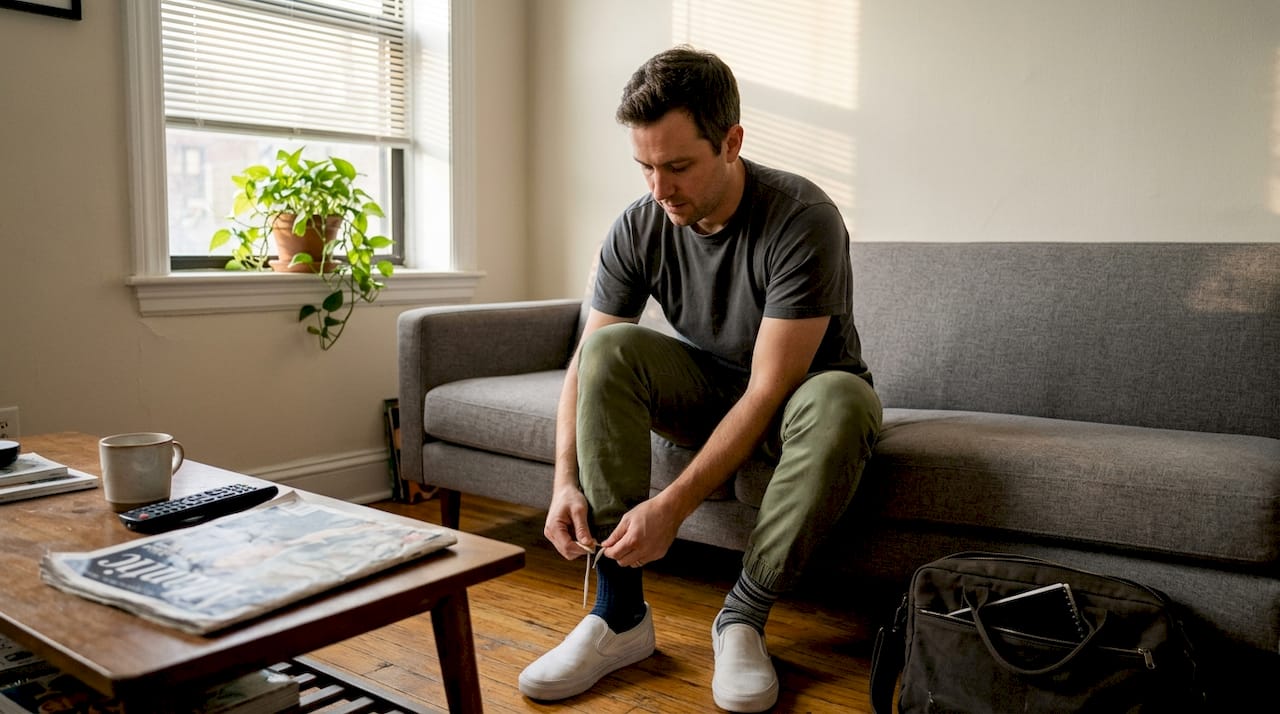
This is a direct contrast to fast fashion, which chases trends that expire in months. A well-made gray hoodie or a plain black jogger does not go out of style. It just gets better with wear.
The color trends in athleisure consistently favor earth tones, off-whites, charcoals, and muted greens. These palettes are easy to layer, easy to mix, and easy to wear without overthinking.
Here is what a minimalist athleisure wardrobe actually looks like in practice:
- Heavyweight cotton tees in white, black, and gray as the foundation
- Relaxed joggers in neutral tones that pair with almost anything
- A clean, minimal hoodie with no visible logos or graphics
- Slip-on sneakers in a single neutral color
- A simple cap or beanie for cold weather without adding visual noise
Interestingly, modern athleisure evolution has produced a refinement called “athleticore,” which critiques pure athleisure as overly casual and adds more structure and intentionality while keeping the comfort. It suits minimalist preferences perfectly because it rewards deliberate choices over impulse buys.
Pro Tip: When shopping for athleisure basics, prioritize fabric weight and construction over price. A heavier cotton tee will drape better, last longer, and look more intentional than a thin, cheap alternative. Check out comfortable winter wear options if you want to extend this approach into colder months.
Cultural impact and future trends
Athleisure is not just a clothing category. It reflects something bigger about how people want to live. The shift toward comfort-first dressing signals a broader cultural move away from rigid dress codes and toward authenticity and flexibility.
Here are the major cultural forces shaping athleisure right now:
- Wellness culture has made health-conscious dressing a form of identity expression, not just practicality.
- Remote and hybrid work permanently changed what “appropriate” clothing means for millions of people.
- Social media accelerated the spread of athleisure aesthetics globally, making minimalist basics aspirational rather than default.
- Sustainability awareness is pushing consumers toward fewer, better pieces rather than constant trend cycling.
- Gender-neutral design is expanding athleisure’s reach, with clean basics appealing across traditional style categories.
The social media role in apparel cannot be overstated. Platforms like Instagram and TikTok have turned everyday outfits into style statements, and athleisure’s clean, photogenic aesthetic fits that environment perfectly.
“Some see athleisure as a wellness signal, a way of performing health and intentionality. Others see it as a genuine cultural shift toward authenticity and flexibility in how we dress.” Even critics have weighed in: actress Chloë Sevigny famously critiqued Lululemon’s ubiquity as creating a kind of uniform, which ironically proves how mainstream the category has become.
The streetwear culture insights that have shaped urban fashion over the past decade overlap heavily with athleisure, especially in the shared emphasis on comfort, quality, and understated cool. And for those following fashion trends closely, the trajectory is clear: athleisure is not slowing down.
Upgrade your athleisure wardrobe
Now that you have a clear picture of what athleisure is and why it works, the next step is building a wardrobe that actually reflects those values. Quality basics are the foundation, and that means choosing pieces made from durable fabrics with clean construction and minimal branding.
At Smoked Times, we build exactly that kind of clothing. Our organic cotton t-shirts are made from premium Pima cotton, offering the weight, softness, and clean silhouette that athleisure demands. Every piece is designed to be worn repeatedly, styled multiple ways, and built to last beyond a single season. If you have already tried our basics and want to share your experience, we would love for you to share your athleisure review and help others make confident wardrobe choices. Good clothing should speak for itself, and we think ours does.
Frequently asked questions
How is athleisure different from activewear?
Athleisure is designed for everyday comfort and casual style, while activewear focuses on high-performance workouts with technical fabrics and compression features. The two serve different purposes even when they look similar.
What are classic examples of athleisure pieces?
Classic athleisure includes joggers, plain heavyweight tees, minimal hoodies, leggings, and slip-on sneakers. These are pieces that blend comfort and understated style without looking like gym gear.
Why do minimalist and timeless styles dominate athleisure?
Minimalist designs offer versatility and longevity that fast fashion cannot match. The athleticore refinement of athleisure adds structure and intent, making clean basics even more appealing to those who want their wardrobe to last.
How big is the athleisure market globally?
The global market was valued at USD 431.76 billion in 2024 and is projected to reach USD 866.64 billion by 2032, driven by health awareness and a lasting preference for comfort-first clothing.
Will athleisure continue to be popular?
Yes. With a projected CAGR of 9 to 10 percent through 2032, athleisure is backed by expanding wellness culture, remote work habits, and a global shift toward comfort-driven dressing that shows no signs of reversing.