


How Branding Shapes Identity and Trends in Streetwear
TL;DR:
- In streetwear culture, branding serves as a visual badge of belonging, signaling identity, status, values, and taste.
- Effective brands build community through consistent cues like drops, collaborations, and cultural rituals, fostering loyalty and longevity.
- Today, authenticity and values such as sustainability are crucial, transforming branding into ongoing conversations rather than static logos.
Walk into any skate shop, flip through any lookbook, or scroll a streetwear forum, and one truth becomes obvious fast: the logos and marks on your clothes aren’t decoration. They’re declarations. In streetwear, branding functions as a visual badge of belonging, signaling who you are, where you come from, and what values you hold. This guide breaks down exactly how branding shapes identity, drives trends, and creates the kind of cultural gravity that turns casual apparel into a genuine lifestyle statement.
Table of Contents
- Why branding matters in streetwear culture
- Unpacking the elements: What really makes a brand stand out?
- How streetwear brands drive trends and why scarcity works
- The rise of values-based branding: Sustainability and social currency
- What most guides miss: Branding is a living dialogue, not a logo
- Explore streetwear culture with Smoked Times
- Frequently asked questions
Key Takeaways
| Point | Details |
|---|---|
| Branding signals identity | In streetwear, branding is about signaling group values, not just showing off a logo. |
| Consumer perceptions matter | What resonates with the community is often different from what brands think works. |
| Scarcity boosts trends | Limited drops and exclusivity fuel involvement and belonging in streetwear culture. |
| Values shape legitimacy | Sustainability and social values now play a key role in brand credibility, especially for Gen Z. |
| Branding is co-created | Ongoing dialogue between brands and their fans drives what streetwear stands for. |
Why branding matters in streetwear culture
Branding in streetwear operates at a level most fashion categories never reach. It’s not about slapping a name on a T-shirt. It’s about building a visual language that an entire community can speak.
“Branding functions as a shortcut for identity and group belonging, turning garments into ‘visual badges’ that signal shared values and cultural reference points.”
Think about how quickly you can clock someone’s affiliations by what they’re wearing. A particular graphic, colorway, or even the cut of a hoodie tells you more about a person than a bio ever could. That speed of recognition is exactly what makes branding so powerful in this space. It removes the need for explanation and replaces it with immediate, instinctive connection.
Understanding the importance of streetwear style means recognizing that garments carry social weight far beyond their fabric. Brands in this culture don’t just sell hoodies. They sell membership. The community around a brand is often more valuable than any single product.
Here’s what branding actually communicates in streetwear:
- Belonging: Wearing a brand others in your scene recognize signals you’re part of the conversation.
- Status: Certain brands carry prestige, either from rarity, history, or cultural co-signs from musicians and athletes.
- Values: Brands aligned with skateboarding, hip-hop, or activism attract communities who share those roots.
- Taste: Your brand choices communicate cultural literacy. Knowing the right brands, at the right moment, says you’re paying attention.
Pro Tip: If you’re building brand identity in this space, don’t start with the logo. Start with the values and rituals of your intended community. The visual elements should grow from that soil, not the other way around.
The brands that sustain longevity in streetwear, think decades not seasons, are those that cultivate lifestyles. They show up at the cultural moments that matter, sponsor the right skaters or artists, and maintain consistency in how they speak, not just how they look. That consistency is what turns a label into a landmark.
Unpacking the elements: What really makes a brand stand out?
Now that we know how branding builds community, it’s worth digging into the actual mechanics. What makes one brand unmistakable while another fades into background noise?
The answer is more layered than most people expect. Brand elements influence recognition through a mix of logos, colors, taglines, and what you might call “recognized feel,” but there’s a notable gap between what marketers believe their strongest cues are and what consumers actually respond to. This mismatch is where many brands lose ground without ever realizing it.
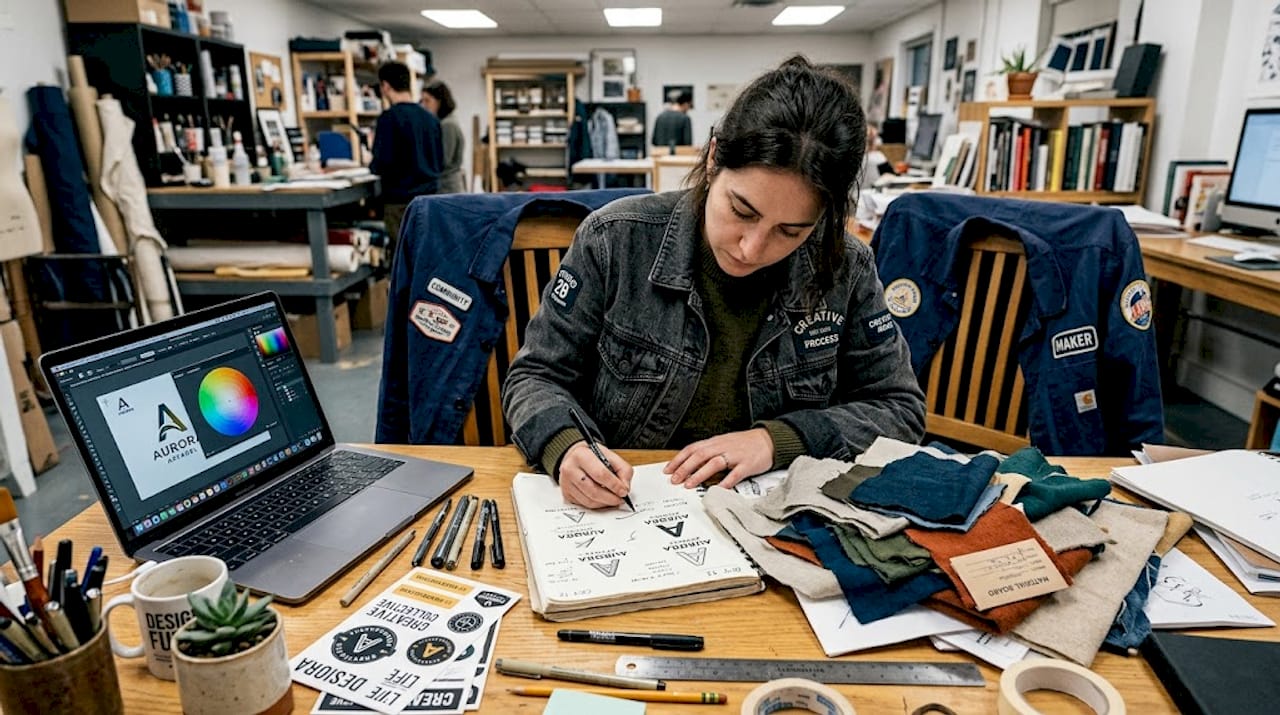
Here’s a comparison of how marketers versus consumers typically evaluate brand elements:
| Brand element | Marketer priority | Consumer perception |
|---|---|---|
| Logo | Very high | Moderate to high |
| Color palette | Moderate | Very high (often underestimated) |
| Fabric texture and weight | Low | High among loyal buyers |
| Tone of voice (social, copy) | Moderate | Increasingly important for Gen Z |
| Packaging and unboxing | Low | Surprisingly impactful for gifting |
| Community associations | Moderate | Critical for authenticity |
The table reveals something worth sitting with: consumers often anchor to color and community associations more than brand logos, yet most brands over-invest in logo design while underinvesting in the feel of their product and the tone of their communication.
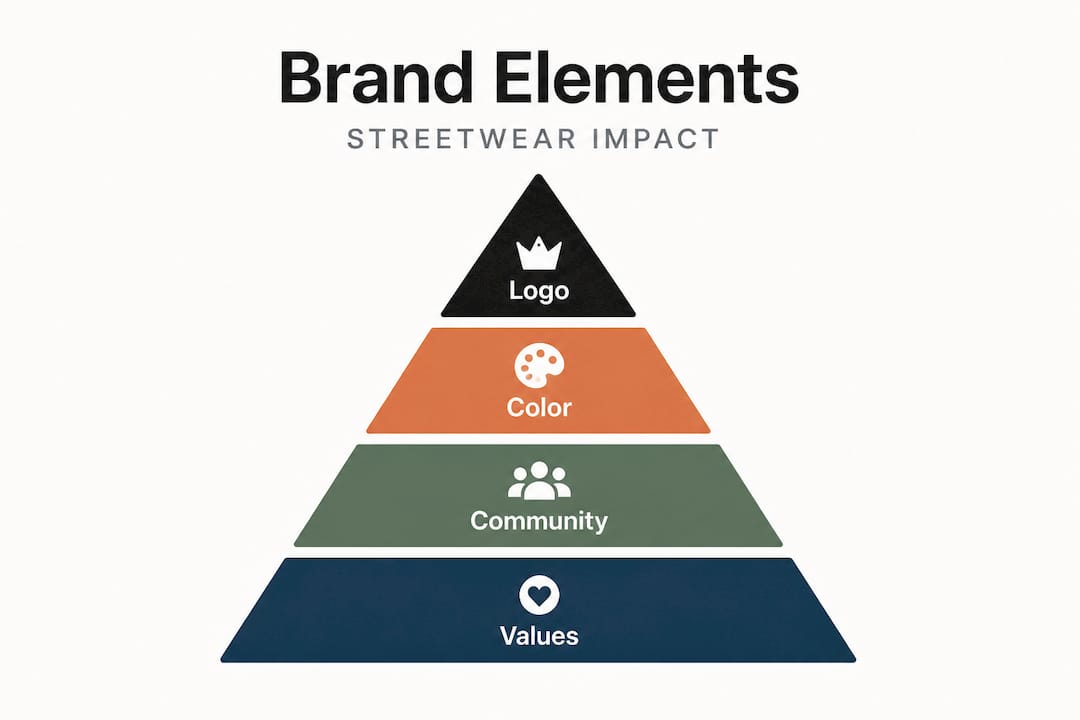
Understanding how color trends impact brand recognition is genuinely useful here. Colorways can become signatures as powerful as any wordmark. Think about how certain shades are instantly tied to specific brands in your mind without seeing a single letter.
Here are the key elements worth auditing when evaluating what makes a streetwear brand stand out:
- Logo and graphic language: Is it distinct, scalable, and culturally fluent?
- Color story: Do your signature colors show up consistently and memorably across all touchpoints?
- Fabric and construction: Does the product feel like the brand? Heavyweight, durable fabrics communicate permanence and quality.
- Tone of voice: How the brand speaks on social media, in drops, and in community spaces. Is it authentic or manufactured?
- Packaging and presentation: First physical touch with a product shapes perception before the garment is even tried on.
- Community rituals: Does the brand show up at the events, spaces, and conversations its audience cares about?
Pro Tip: Survey your actual customers, not just followers, about what they associate most strongly with your brand. You may discover that your strongest cue isn’t what you’ve been protecting most carefully.
The brands that have staying power typically nail at least three of these elements consistently. Supreme built a ritual around the Thursday drop. A Bathing Ape made its camo instantly recognizable without a single word. These aren’t accidents. They’re the result of understanding which cues resonate most with a specific community and doubling down on them.
How streetwear brands drive trends and why scarcity works
Having clarified what brand elements matter, their impact becomes clearest in how streetwear brands actually set and spread trends. And no mechanism is more important here than the drop model.
Streetwear branding operates through selling a lifestyle, building community, and using scarcity and drops. These aren’t just marketing tactics. They’re cultural mechanics that transform product releases into events with social stakes.
Two-thirds of brands operating in the streetwear space cite the drop model as business-critical, not just for sales but for community cohesion and brand heat.
Consider the psychology at play. When a release is limited, buying it becomes more than a transaction. It becomes proof of dedication. You camped out, you refreshed the page, you knew the date. That knowledge and effort become part of your identity within the community. The product is the artifact. The experience is the real purchase.
Here’s how leading streetwear brands typically structure their branding tactics:
| Tactic | Purpose | Community impact |
|---|---|---|
| Limited drops | Create scarcity and urgency | Reinforces exclusivity and loyalty |
| Collaborations | Expand cultural reach | Introduces brand to new communities |
| Community events | Build in-person connection | Deepens emotional brand attachment |
| Influencer co-signs | Signal cultural validity | Accelerates trend adoption |
| Storytelling content | Communicate brand values | Attracts values-aligned consumers |
Understanding the impact of exclusivity and drops clarifies why brands treat these releases as more than inventory management. Scarcity isn’t just about limiting supply. It’s about creating identity events, moments where wearing or owning something marks you as part of a specific cultural moment in time.
Why does lifestyle branding consistently outperform one-off product releases? A few reasons stand out:
- A lifestyle brand creates ongoing reasons to engage, not just one-time reasons to buy.
- It builds emotional attachment that survives individual product disappointments.
- It attracts a community of advocates who actively recruit others into the brand’s orbit.
- It makes collaboration feel organic rather than transactional, because the brand has established cultural context.
- It creates long-term revenue through repeat buyers who identify with the brand beyond trend cycles.
Exploring streetwear style and culture at a deeper level shows how the most durable brands in this space are not chasing trends. They’re creating the conditions in which trends emerge naturally from their community’s activity.
The rise of values-based branding: Sustainability and social currency
With the mechanics covered, it’s clear the streetwear story is increasingly driven by something beyond visuals and exclusivity. For the next generation of consumers, what a brand stands for matters as much as how it looks.
Among Gen Z consumers, sustainability branding operates as social currency, directly affecting identity expression and perceived legitimacy in streetwear communities. A study involving 250 Gen Z participants found that sustainable branding practices sharply boost a brand’s perceived credibility and desirability within this demographic. That’s not a small shift. It’s a fundamental rewrite of what earns respect in the culture.
This matters for everyone trying to understand or participate in modern streetwear. Being eco-conscious is increasingly a marker of cultural intelligence, not just ethics. Wearing brands that take sustainability seriously signals awareness. It says you’re paying attention to where your clothes come from, not just how they look.
Here’s how values-based branding is changing the legitimacy calculus in streetwear:
- Transparency builds trust: Brands that openly share sourcing, manufacturing practices, and environmental commitments earn credibility that purely visual brands can’t buy.
- Ethical positioning becomes a cue: For Gen Z, a brand’s stance on labor, sustainability, and community investment functions like a cultural cue, similar to how logo recognition worked for older generations.
- Authenticity is non-negotiable: Greenwashing, saying you care without acting like it, is one of the fastest ways to lose legitimacy with a community that is deeply connected and highly informed.
- Durability signals values: Products built to last, rather than designed for seasonal replacement, communicate respect for both the consumer and the environment.
- Community investment matters: Brands that support local scenes, artists, and causes generate goodwill that translates directly into social currency.
Watching how social media shapes fashion trends in 2026 makes one thing obvious. Values-based narratives spread fast when they’re genuine. A brand doing meaningful sustainability work gets amplified organically. A brand performing it gets exposed just as quickly.
The street doesn’t forget. And in a culture built on authenticity, getting caught playing pretend is worse than not showing up at all.
What most guides miss: Branding is a living dialogue, not a logo
Most branding analysis treats brand identity as something a company creates and then deploys. You build the mark, establish the tone, launch it, and defend it. That model might hold in traditional retail. In streetwear, it misses the point almost entirely.
Branding in this culture is not a monologue. It’s a conversation, and the community is always talking back.
Think about how many iconic streetwear moments were co-created. A particular style of customizing a jacket becomes a signature before the brand ever acknowledges it. A colorway released in a small regional drop becomes globally coveted because a small group of enthusiasts made it mean something. The brand didn’t plan that. The community wrote that chapter.
What brand identity research confirms is that consumer recognition often diverges from marketer intuition, meaning the cues your community values most may not be the ones you’re actively managing. This is genuinely important. If you’re a brand, your community is constantly telling you what your strongest assets are through what they photograph, discuss, and seek out. The brands that listen and adapt are the ones that endure.
The intersection of branding and culture makes it clear that the brands with the longest cultural legs are those that make their communities feel like co-authors, not just consumers. They drop something, watch what the community does with it, and let that response shape the next move.
Above all, true streetwear brands build loyalty by inviting their community to help define the brand.
This is the insight most branding guides overlook. The hard work isn’t launching a strong identity. It’s staying humble enough to let your community evolve it. What worked brilliantly two years ago may feel stale today. Not because you failed, but because culture moved and the community carried the brand with it.
The brands that resist this, the ones that protect their identity so tightly they refuse to grow, often find themselves celebrated as archives rather than lived-in forces. Respect, yes. Relevance, much harder to hold.
Explore streetwear culture with Smoked Times
If this guide has sparked your curiosity about how branding, identity, and culture intersect in the clothes we wear every day, there’s more to explore and more ways to get involved.
At Smoked Times, we build apparel around the principles this guide describes: durability, authenticity, and minimal branding that lets the quality speak for itself. We’re also genuinely interested in what you think. Whether you’ve got thoughts on a recent drop, a style moment worth documenting, or a perspective on where streetwear culture is heading, we want to hear it. Share your streetwear review and become part of the conversation we’re building. Your voice helps shape what comes next.
Frequently asked questions
What defines effective branding in streetwear?
Effective streetwear branding combines visual cues, cultural references, and community resonance to build group identity. Branding functions as a shortcut for belonging, turning garments into signals of shared values rather than just apparel.
Why do streetwear brands use limited edition drops?
Limited drops turn purchases into identity events, creating urgency and reinforcing authenticity. Drops function as cultural events that deepen community engagement far beyond a standard retail transaction.
How does sustainability impact brand legitimacy in streetwear?
Among Gen Z consumers, sustainable branding boosts perceived legitimacy and desirability significantly, making eco-ethics a genuine form of social currency within the culture.
Do brand logos or values matter more?
Both matter, but the balance is shifting. Sustainability operates as social currency for Gen Z alongside visual recognition, meaning values increasingly determine which brands earn lasting respect in the community.
Recommended
- How pop culture shapes modern streetwear trends – Smoked Times
- What Is Streetwear Style and Why It Matters – Smoked Times
- Color Trends in Apparel – Impact on Streetwear Style – Smoked Times
- Role of Fashion in Youth Culture—Impact on Identity – Smoked Times
- Custom Logo Stamps: Why They Matter for your Brand Identity – Stamp Design 4U