


How exclusivity shapes fashion choices and consumer loyalty
TL;DR:
- Exclusivity in fashion relies on scarcity, rarity, and access control to create perceived value.
- Psychological drivers like FOMO, NFU, and social identity influence consumers to seek limited-edition items.
- Evolving trends favor authentic, ethical, and quiet exclusivity over artificial hype and manufactured scarcity.
When 71% of fashion consumers say they prefer limited editions over widely available styles, it tells you something important: mass appeal isn’t always the goal. Exclusivity has become one of the most powerful forces in how we choose, buy, and wear clothes. It’s not just a luxury brand trick. It operates in streetwear drops, members-only sales, and capsule collections that sell out in minutes. Understanding why exclusivity pulls at you so strongly, and how brands use it deliberately, can change the way you shop and build a wardrobe that actually reflects who you are.
Table of Contents
- What does exclusivity mean in fashion?
- Psychology behind exclusivity: Why we crave limited editions
- Scarcity, rarity, and access: Mechanisms retailers use
- Evolving trends: From mass scarcity to ethical and quiet exclusivity
- Our take: Why real exclusivity means more than limited supply
- Discover timeless style with authentic exclusivity
- Frequently asked questions
Key Takeaways
| Point | Details |
|---|---|
| What exclusivity means | Exclusivity in fashion is about rarity, controlled access, and fostering a sense of belonging, not just limited numbers. |
| Psychology drives desire | FOMO and need for uniqueness make exclusive drops and limited editions especially appealing to shoppers. |
| Brand tactics matter | Brands use scarcity, rarity, and access control to build excitement, but overuse can erode trust if perceived as manipulative. |
| New exclusivity trends | Consumers, especially Gen Z, now seek ethical and quiet exclusivity built on authenticity, not just hype. |
| Choose wisely | Authentic style comes from personal connection, not just chasing rare products or limited releases. |
What does exclusivity mean in fashion?
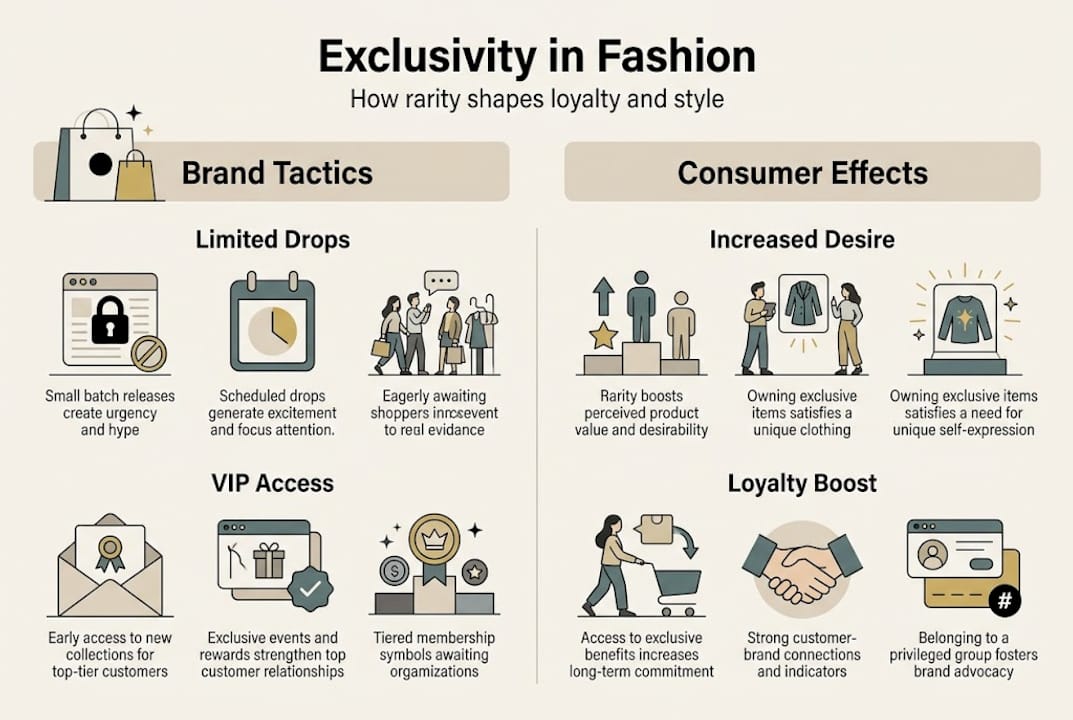
Exclusivity in fashion isn’t just about price tags. At its core, it means restricting access to a product, experience, or identity in a way that makes it feel more valuable. Think about capsule collections that drop without warning, invite-only sample sales, or sneakers released in quantities so small that most fans never get a pair. These aren’t accidents. They’re calculated moves.
Exclusivity in fashion operates through three distinct mechanisms, each with a different psychological effect:
- Scarcity: Limited quantity creates urgency. When something might run out, you feel pressure to act fast.
- Rarity: Some items are genuinely hard to produce or find. Hand-stitched pieces, heritage fabrics, or regional-only releases carry a different kind of weight.
- Access control: Membership programs, waitlists, and invite-only drops create a sense of belonging for those who get in and longing for those who don’t.
“Scarcity triggers short-term loyalty; rarity brings admiration; access control fosters deep loyalty.”
These three levers work differently on your emotions. Scarcity makes you act now. Rarity makes you respect the product. Access control makes you feel like you belong to something real.
The psychological drivers behind all three come down to a few core needs. The need for uniqueness (NFU) is your desire to stand apart from the crowd through what you own and wear. Fear of missing out (FOMO) is the anxiety that others will have something you don’t. Status signaling is the way clothing communicates your place in a social group. And social identity ties your self-image to the brands and communities you associate with. Each of these forces is real, measurable, and constantly being activated by the fashion industry.
Psychology behind exclusivity: Why we crave limited editions
Here’s where it gets interesting. You don’t just want a limited-edition piece because it looks good. You want it because of what owning it says about you, and what not owning it might mean.
FOMO is one of the most studied forces in consumer behavior. When a brand announces a 48-hour drop or a “while supplies last” release, it doesn’t just create urgency. It creates anxiety. You start imagining other people wearing the item, posting about it, being part of a moment you missed. That feeling is uncomfortable enough to push you toward a purchase you might not have made otherwise.
The four main psychological forces behind exclusivity-driven buying are:
- Need for uniqueness (NFU): The desire to own things others don’t, to express an identity that feels individual.
- FOMO: The emotional discomfort of potentially being left out of a cultural moment.
- Social identity: The way your wardrobe signals which groups you belong to or aspire to join.
- Status signaling: Using visible, recognized items to communicate success, taste, or cultural awareness.
The numbers back this up clearly. NFU predicts luxury purchase intention with a beta coefficient of 0.664 (p<0.01), meaning it’s one of the strongest single predictors of whether someone will buy an exclusive fashion item. And 57% of shoppers report that limited releases directly influence their buying decisions.
Consider sneaker culture. When a major brand drops a collaboration in limited numbers, lines form outside stores before dawn. Resale prices triple overnight. The shoe itself may be technically similar to other models, but the story around it, the scarcity, the cultural moment, transforms it into something people will pay almost anything to own.
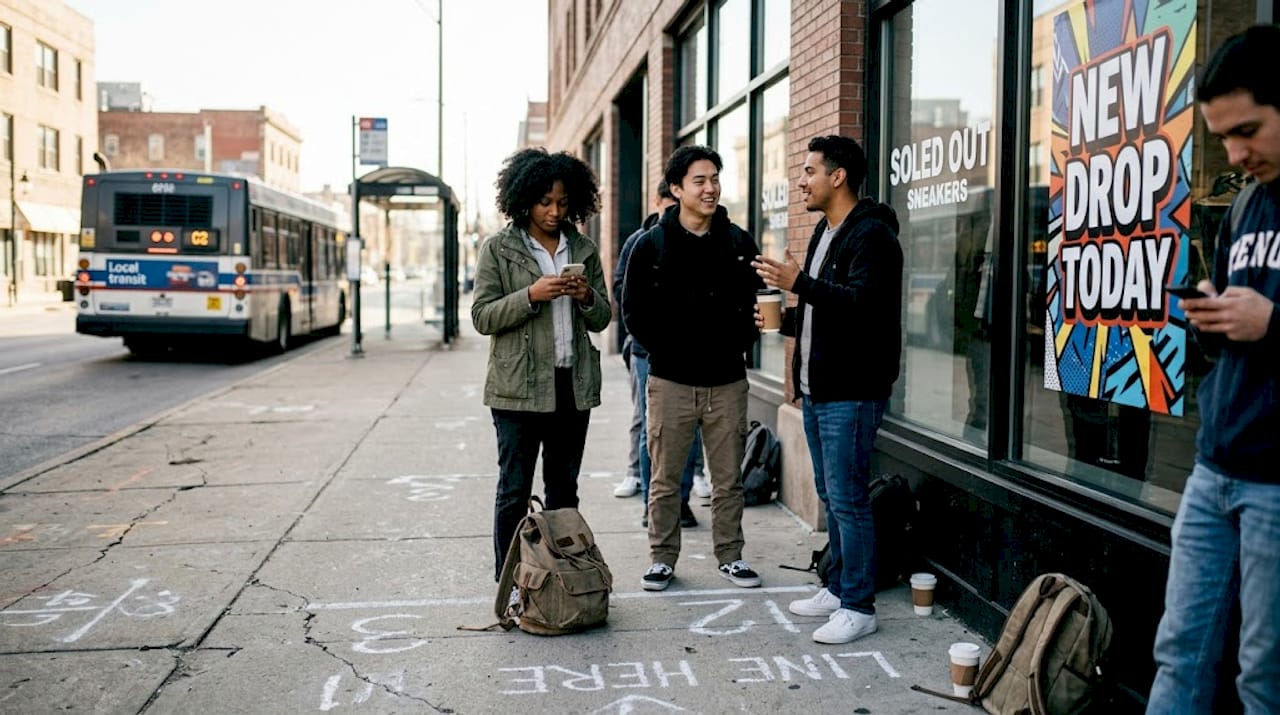
Pro Tip: Before you buy into a hyped drop, ask yourself honestly: do I love this piece on its own merits, or am I reacting to the fear that I’ll miss out? That one question can save you a lot of money and closet space.
Scarcity, rarity, and access: Mechanisms retailers use
Now that you understand the psychology, let’s look at how retailers actually engineer these feelings. The tactics are more deliberate than most shoppers realize.
| Mechanism | What it means | How brands use it | Loyalty type |
|---|---|---|---|
| Scarcity | Limited quantity available | Timed drops, low-stock alerts | Short-term urgency |
| Rarity | Genuinely hard to produce | Heritage materials, handcrafted runs | Long-term admiration |
| Access control | Restricted to certain buyers | Memberships, waitlists, invite-only | Deep, sustained loyalty |
Common tactics you’ll recognize include:
- Limited production runs that sell out quickly and are never restocked
- Members-only early access that rewards loyal customers with first pick
- Digital barriers like password-protected pages or app-exclusive drops
- Personalization that makes a mass-produced item feel one-of-a-kind
One of the more subtle moves is what’s sometimes called the “digital veil.” Brands create the appearance of exclusivity online by restricting access through algorithms, email lists, or social media follower counts, even when the actual supply isn’t that limited. Scarcity triggers urgency, but overusing it can backfire when customers start to feel manipulated rather than chosen.
This connects directly to how pop culture and streetwear influence what feels exclusive at any given moment, and how digital marketing for exclusivity has made these tactics more targeted and personal than ever before.
Pro Tip: If a brand runs the same “limited drop” every few weeks without ever actually selling out, that’s manufactured scarcity. Real rarity is when a brand genuinely cannot or will not produce more of something, and that’s worth paying attention to.
Evolving trends: From mass scarcity to ethical and quiet exclusivity
Something is shifting. Younger consumers, especially Gen Z, are growing tired of hype-driven scarcity. They’ve seen too many artificial drops, too many brands crying “limited” when they’re not. The response has been a move toward something quieter and more meaningful.
| Age group | Primary preference | What drives them |
|---|---|---|
| Boomers (57+) | Rarity and craftsmanship | Heritage, quality, prestige |
| Gen X (44-59) | Access exclusivity | Status, loyalty rewards |
| Millennials (28-43) | Scarcity and drops | FOMO, cultural moments |
| Gen Z (under 28) | Ethical exclusivity | Values, authenticity, sustainability |
What does ethical or quiet exclusivity actually look like in practice?
- Quiet luxury: Understated, high-quality pieces with minimal visible branding that signal taste rather than wealth
- Ethical limited production: Brands that genuinely make fewer items because of sustainable sourcing or fair labor practices
- Community-based access: Exclusivity tied to shared values or experiences rather than money or speed
- Transparency: Brands that explain why something is limited rather than just creating urgency
“Gen Z increasingly prizes authenticity and ethics over hype.”
72% of Gen Z shoppers value ethical exclusivity, and scarcity tactics are losing their grip on younger buyers who can spot a marketing trick from a mile away. This doesn’t mean exclusivity is dying. It means the definition is evolving.
For you, this is actually good news. It means you can align your style with your values. Choosing pieces that are genuinely limited because of how they’re made, or that belong to a community you actually care about, is a smarter and more satisfying form of exclusivity. Exploring slow fashion and quiet luxury is one way to start making that shift.
Our take: Why real exclusivity means more than limited supply
Here’s the uncomfortable truth most fashion coverage won’t say directly: over-manufacturing scarcity is eroding consumer trust faster than brands realize. When every other week brings a “final chance” alert or a countdown timer, the urgency stops feeling real. And once the urgency is gone, so is the loyalty.
Real exclusivity has never been about numbers. It’s about emotional connection. A piece that tells your story, fits into your actual life, and reflects something genuine about who you are is more exclusive than any limited-edition drop. The most loyal fashion customers we see aren’t chasing hype. They’re building wardrobes around pieces that feel personally meaningful, whether that’s tied to fashion and youth identity or simply a commitment to quality over quantity.
Relationships, not artificial limits, drive long-term fashion loyalty. Ask yourself not just “is this rare?” but “does this piece actually speak to me?” That question leads to better purchases and a wardrobe that holds up over time.
Discover timeless style with authentic exclusivity
If this article has you rethinking what exclusivity really means in your wardrobe, you’re already ahead of most shoppers. At Smoked Times, we don’t chase artificial scarcity or engineer hype drops. We focus on making pieces that earn their place in your rotation through quality, comfort, and honest design.
Our classic heavyweight cotton t-shirt is the kind of piece that gets more valuable the longer you own it, not because it’s rare, but because it’s genuinely good. We’d love to hear how you style yours. Submit your style review and become part of a community built around real taste, not manufactured urgency.
Frequently asked questions
What is the main purpose of exclusivity in fashion?
Exclusivity creates desire and loyalty by making products feel special, rare, and personalized through scarcity, rarity, and access control. It transforms a product into a symbol of identity.
How does psychological exclusivity influence what I buy?
NFU and FOMO drive purchase intention by making limited releases feel more attractive, meaningful, and socially significant to fashion-conscious shoppers.
Is scarcity always a good strategy for brands?
Not always. Over-manufactured scarcity risks negative consumer perception and can feel manipulative when buyers recognize the tactic is artificial rather than genuine.
What is ethical or quiet exclusivity?
Ethical or quiet exclusivity is when brands focus on subtle quality, transparent production limits, and shared values rather than loud hype or artificial scarcity, a shift especially valued by Gen Z shoppers.
Recommended
- Role of Fashion in Youth Culture—Impact on Identity – Smoked Times
- How collaborations transform fashion and shape timeless style – Smoked Times
- Role of Fashion in Self-Expression Today – Smoked Times
- What is fashion e-commerce? A guide for classic shoppers – Smoked Times
- Fashion Individuality Explained: Making Style Personal – Prima Dons & Donnas