


What is fashion e-commerce? A guide for classic shoppers
You probably think fashion e-commerce is just clicking “buy now” on a website. But it’s actually a sophisticated ecosystem of supply chains, AI algorithms, and inventory systems working behind every purchase you make. Understanding how this system operates helps you find durable, classic basics that last years instead of falling for fast fashion traps. This guide breaks down what fashion e-commerce really means and how it impacts your ability to build a timeless, comfortable wardrobe without logos or fleeting trends.
Table of Contents
- Key takeaways
- Understanding the basics of fashion e-commerce
- Key mechanics powering fashion e-commerce success
- Nuances and innovations shaping durable fashion e-commerce
- How understanding fashion e-commerce helps you shop smarter
- Discover quality basics at Smoked Times
- Frequently asked questions
Key Takeaways
| Point | Details |
|---|---|
| Durable basics emphasis | Understanding the ecommerce ecosystem helps you select long lasting wardrobe staples rather than chasing trends. |
| Tech driven logistics | Agile supply chains and vertical integration help brands deliver quality pieces quickly while maintaining control over production. |
| AI driven forecasting | AI driven demand forecasting reduces waste and helps stock what customers want before they search. |
| Three dimensional sampling | Digital sampling speeds product development while cutting material waste. |
| Sustainability priority rise | Shoppers look for transparent sourcing and durable materials when choosing timeless pieces. |
Understanding the basics of fashion e-commerce
Fashion e-commerce involves online buying and selling of clothing, accessories, footwear, cosmetics, and related products through digital platforms. This includes both business-to-consumer (B2C) models where you shop directly from brands and business-to-business (B2B) transactions between manufacturers and retailers. The distinction matters because it shapes how products reach you and at what price point.
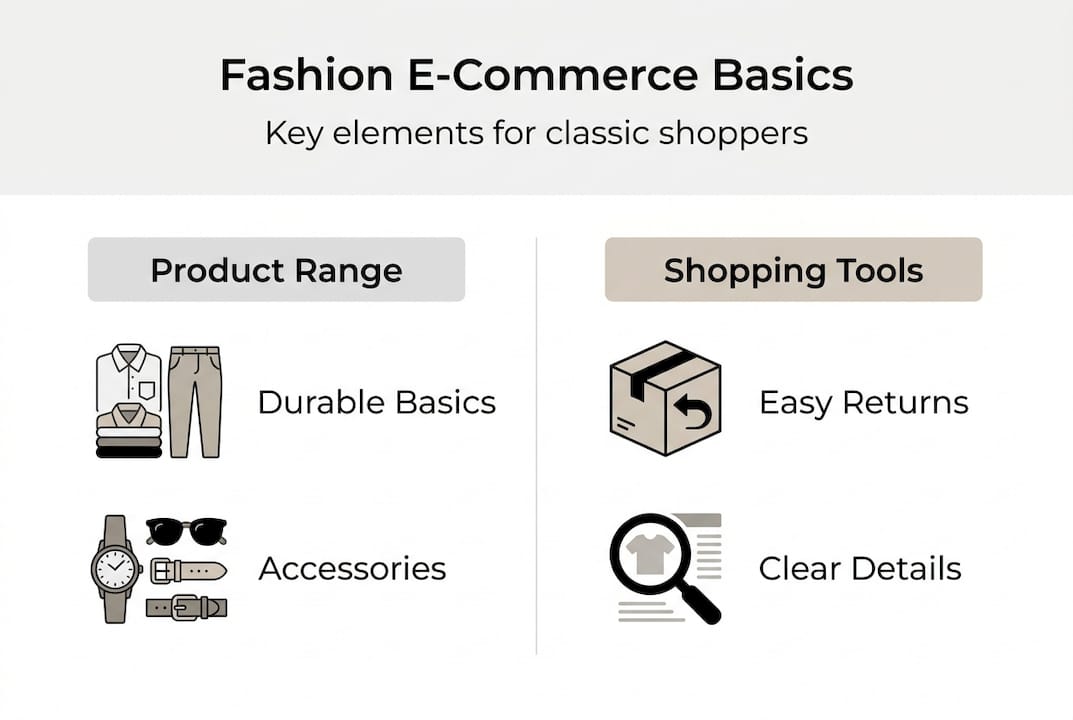
The product range extends far beyond simple T-shirts or jeans. You’ll find everything from heavyweight cotton basics to cold-weather accessories, all managed through digital storefronts that connect global suppliers with local shoppers. This ecosystem affects your access to high-quality, durable pieces because it determines which products get produced, how they’re priced, and whether they’re available when you need them.
Traditional retail required physical stores, limited inventory space, and regional availability. Digital fashion commerce removes these barriers. You can access brands from anywhere, compare quality indicators like fabric weight and construction details, and read reviews from other shoppers seeking the same classic, comfortable style you want. This shift means smaller brands focusing on durability over trends can compete directly with fast fashion giants.
Understanding this ecosystem helps you identify reliable sources for wardrobe staples. Look for retailers who:
- Provide detailed product specifications including fabric composition and weight
- Offer transparent information about manufacturing and sourcing
- Maintain consistent inventory of classic styles rather than constantly rotating trends
- Support their products with clear return policies and customer service
- Use technology to improve availability without compromising quality
The global impact of ecommerce apparel continues reshaping how you discover and purchase clothing. Brands can now reach international customers through multi-currency shopping and localized shipping, making quality basics accessible regardless of your location. This accessibility matters when you’re building a wardrobe around timeless pieces that need to perform well across seasons and years of wear.

Key mechanics powering fashion e-commerce success
Agile supply chains with vertical integration enable brands to respond quickly to demand while maintaining quality control. Vertical integration means a company controls multiple stages of production, from fabric sourcing to final delivery. This approach reduces delays and ensures consistency in the heavyweight cotton or durable materials you expect from quality basics.
AI-driven demand forecasting has transformed how retailers stock inventory. Instead of guessing which sizes or colors to order, algorithms analyze purchasing patterns, seasonal trends, and regional preferences to predict what you’ll want before you search for it. This technology reduces waste while improving your chances of finding exactly what you need in stock.
Three-dimensional virtual sampling accelerates product development without physical prototypes. Designers can test fit, drape, and construction digitally before manufacturing begins. For you, this means faster access to new styles and improvements while maintaining the quality standards that make basics worth buying. The technology also reduces material waste during the design phase, supporting sustainability goals.
Omnichannel retail concepts blur the line between online and physical shopping. Buy-online-pickup-in-store (BOPIS) options let you order from home and collect items locally, combining digital convenience with immediate gratification. Some brands offer virtual try-on tools or augmented reality features that help you visualize fit and style before purchasing.
These mechanics directly impact your shopping experience for durable clothing:
- Faster restocking of popular sizes and colors in classic styles
- Better matching between product availability and actual demand
- Reduced likelihood of discontinued items you’ve come to rely on
- More accurate product descriptions and fit information
- Improved coordination between online inventory and physical locations
Pro Tip: Prioritize brands that openly discuss their supply chain approach and technology investments. These retailers typically offer better product availability and more reliable quality because they’ve invested in the infrastructure that supports consistent performance.
Nearshoring brings manufacturing closer to end markets, reducing shipping times and environmental impact. A brand serving North American customers might produce in Mexico or Central America instead of Asia, cutting delivery times from weeks to days. This proximity enables better quality control and faster response to issues, directly benefiting you when you need reliable basics quickly.
| Mechanic | Traditional Approach | Modern E-Commerce Approach | Benefit to Shoppers |
|---|---|---|---|
| Supply Chain | Long, complex, opaque | Agile, vertical, transparent | Better quality control and availability |
| Inventory | Seasonal bulk orders | AI-driven continuous replenishment | Fewer stockouts of essential items |
| Product Development | Physical sampling, slow | 3D virtual sampling, rapid | Faster improvements and innovations |
| Distribution | Centralized warehouses | Nearshoring and regional hubs | Quicker delivery and easier returns |
The evolution of digital marketing in fashion connects these mechanics to how you discover new brands. Sophisticated targeting helps quality-focused retailers reach shoppers specifically seeking durable, classic pieces rather than fast fashion. This precision means less noise and more relevant options when you’re building a timeless wardrobe.
Nuances and innovations shaping durable fashion e-commerce
Probabilistic inventory optimization and supplier diversification enhance stock resilience by accounting for uncertainty in demand and supply. Instead of assuming perfect forecasts, these models prepare for variability, ensuring popular basics remain available even when unexpected demand spikes occur. Supplier diversification prevents single points of failure, so a problem with one manufacturer doesn’t leave you without options.
Digital control towers provide real-time visibility across the entire supply chain. Retailers can track shipments, monitor inventory levels, and identify bottlenecks before they impact availability. For shoppers seeking reliable access to wardrobe essentials, this transparency means fewer surprises and better communication about restocking timelines.
Sustainability has shifted from marketing buzzword to operational priority. Fashion industry returns pose profitability hurdles while generating significant waste, pushing brands to improve fit accuracy and product descriptions. Better information reduces returns, benefiting both environmental goals and your shopping experience by ensuring you receive items that match expectations.
The rise of resale platforms and AI personalization creates new ways to shop sustainably. Resale extends the life of quality pieces, supporting the durability mindset that values long-lasting basics over disposable trends. AI personalization helps you discover items matching your specific preferences for comfort, fit, and style without endless browsing.
These innovations matter when you’re seeking sustainable fashion practices that align with a classic, durable wardrobe approach:
- Improved inventory models mean better availability of timeless styles
- Supplier diversification ensures consistent quality across production runs
- Sustainability focus drives investment in durable materials and construction
- Resale options extend value and reduce waste
- AI tools help you find exactly what you need faster
Pro Tip: Retailers emphasizing these innovations typically offer superior customer experiences because they’ve addressed the root causes of common e-commerce frustrations like stockouts, poor fit, and excessive returns.
The sustainable clothing practices movement influences production decisions throughout fashion e-commerce. Brands investing in organic cotton, recycled materials, or low-impact dyes signal commitment to longevity over disposability. These choices often correlate with better construction quality because sustainability-minded companies recognize that durability is the ultimate eco-friendly feature.
| Aspect | Traditional Inventory | Innovative Approach | Impact on Classic Basics |
|---|---|---|---|
| Demand Forecasting | Historical averages | Probabilistic AI models | Better stock of core items |
| Supplier Strategy | Single source, cost-focused | Diversified, quality-focused | More consistent product quality |
| Sustainability | Afterthought | Core operational principle | Emphasis on durable, long-lasting pieces |
| Returns Management | Reactive | Proactive prevention | Better product descriptions and fit info |
| Personalization | Generic recommendations | AI-driven individual matching | Easier discovery of preferred styles |
Returns remain a significant challenge despite innovations. High return rates hurt profitability and create environmental waste through shipping and processing. Forward-thinking brands combat this by investing in accurate sizing guides, detailed material descriptions, and customer reviews that help you make informed decisions before purchasing. This prevention-focused approach benefits everyone by reducing friction and waste.
How understanding fashion e-commerce helps you shop smarter
Applying these insights transforms how you build a wardrobe around comfortable, durable basics without logos. Follow this systematic approach:
- Evaluate brand transparency by checking whether they disclose manufacturing locations, fabric sources, and supply chain practices
- Assess product specifications including fabric weight, fiber composition, and construction details like seam types or reinforcement
- Read customer reviews focusing on durability, fit accuracy, and how items hold up after multiple washes
- Compare return policies, prioritizing brands that emphasize prevention through detailed information over easy returns that mask poor quality
- Look for technology investments like AI sizing tools or virtual try-on features that reduce guesswork
- Verify sustainability claims by examining specific practices rather than vague marketing language
Identifying quality fabrics and classic cuts requires attention to specific indicators. Heavyweight cotton (typically 6 ounces or more per square yard) provides durability and comfort that lightweight alternatives can’t match. Look for reinforced stitching at stress points, quality finishing on hems and seams, and construction details that support longevity.
Leverage e-commerce tools strategically. Customer reviews offer real-world insights into fit, durability, and comfort that product descriptions can’t capture. AI-powered size recommendations based on your measurements and past purchases improve accuracy. Real-time stock information helps you plan purchases around availability rather than hoping items will be restocked.
Consider these factors when evaluating sustainable and ethical production:
- Certifications from recognized organizations validating environmental or labor claims
- Transparency about factory locations and working conditions
- Investment in durable materials that reduce replacement frequency
- Clear communication about product lifespan and care instructions
- Commitment to minimal packaging and efficient shipping practices
Avoid these common pitfalls when shopping online for casual winter apparel or any wardrobe basics:
- Retailers constantly rotating inventory without maintaining core styles
- Vague product descriptions lacking specific fabric weights or construction details
- Aggressive marketing of trends over timeless, versatile pieces
- Poor quality materials dressed up with marketing language
- Return policies that make exchanges difficult or expensive
- Lack of customer reviews or suspiciously perfect ratings
Pro Tip: Build relationships with brands that consistently deliver quality basics rather than constantly searching for new sources. Familiarity with a brand’s sizing, fabric quality, and construction standards streamlines future purchases and reduces the risk of disappointment.
Smart shopping means recognizing that the lowest price rarely delivers the best value. A $15 T-shirt that pills after three washes costs more over time than a $40 heavyweight cotton basic that performs well for years. Factor in replacement frequency, comfort, and satisfaction when comparing options. Quality basics become more affordable per wear than cheap alternatives that need constant replacement.
Discover quality basics at Smoked Times
Building a wardrobe around durable, comfortable classics without logos requires finding retailers who prioritize substance over hype. Smoked Times focuses exclusively on heavyweight cotton essentials, cold-weather accessories, and timeless pieces designed for years of regular wear. Every item emphasizes quality construction, comfortable fabrics, and versatile styling that works across seasons and situations.
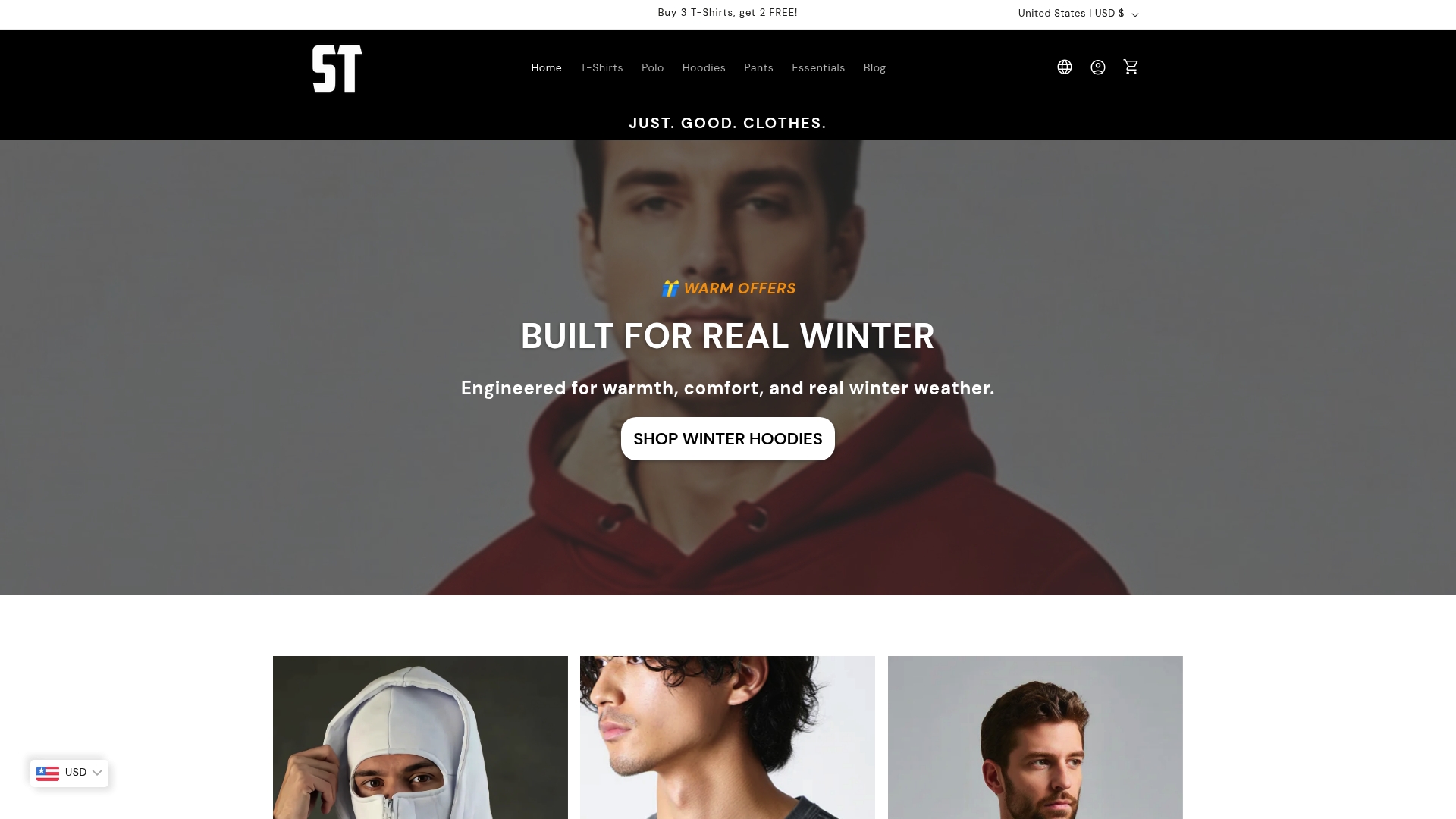
The curated collections eliminate decision fatigue by focusing on proven basics rather than chasing trends. You’ll find heavyweight T-shirts, polos, hoodies, and pants built around the durability principles discussed throughout this guide. Multi-country, multi-currency shopping makes these quality essentials accessible regardless of your location, while bundle offers provide value without compromising on the materials and construction that matter most.
Shop with confidence knowing you’re investing in pieces designed to anchor a classic, comfortable wardrobe. The transparent approach to product specifications, fabric sourcing, and construction details gives you the information needed to make informed decisions. Explore the collections and experience the difference that quality-focused fashion e-commerce makes in building a wardrobe you’ll actually want to wear year after year.
Frequently asked questions
What exactly does fashion e-commerce mean?
Fashion e-commerce refers to buying and selling apparel, footwear, accessories, and related products through digital platforms and online stores. It encompasses the entire ecosystem including supply chains, inventory systems, payment processing, and delivery logistics that connect brands with shoppers. This system enables you to access quality basics from anywhere while brands leverage technology to improve availability and service.
How does technology improve fashion e-commerce for shoppers?
AI-driven demand forecasting, 3D virtual sampling, and omnichannel integration help retailers stock the right products at the right time while reducing waste. These technologies ensure better availability of classic styles you rely on, more accurate product information, and faster delivery times. Digital control towers provide real-time visibility that improves communication about restocking and shipping, making your shopping experience more predictable and reliable.
Why does sustainability matter in fashion e-commerce?
Sustainable practices in fashion e-commerce emphasize durable materials, ethical production, and reduced waste through better inventory management and lower return rates. For shoppers seeking classic basics, sustainability aligns perfectly with durability because long-lasting pieces reduce environmental impact while providing better value. Brands investing in sustainability typically offer higher quality construction and materials that support years of comfortable wear.
How can I tell if an online store follows e-commerce best practices?
Look for transparent supply chain information, detailed product specifications including fabric weights and construction details, genuine customer reviews, and clear return policies. Quality retailers invest in technology that improves your experience, provide accurate sizing information, and maintain consistent inventory of core styles rather than constantly chasing trends. Their communication should be clear, responsive, and focused on helping you make informed decisions.
What advantages does understanding e-commerce mechanics give me?
Knowing how fashion e-commerce works helps you identify retailers prioritizing quality and durability over fast fashion trends. You can evaluate brands based on their supply chain transparency, technology investments, and sustainability practices rather than just marketing claims. This knowledge enables smarter purchasing decisions that build a timeless wardrobe of comfortable, durable basics that genuinely meet your needs for years of regular wear.