


Why apparel fit matters: Comfort, durability, and style
TL;DR:
- Poor fit is the leading cause of clothing returns, affecting 61% of online apparel consumers and causing waste.
- Fit is an experience involving how garments conform to movement and body proportions, not just size labels.
- Prioritizing proper fit on basics enhances comfort, durability, confidence, and reduces the need for alterations or replacements.
Poor fit is the leading cause of returns, cited by 61% of consumers who send clothing back after buying online. That number alone should make every shopper pause. The problem isn’t usually that people are buying the wrong style or color. They’re buying the wrong fit, often because they assumed their size was the same thing. It isn’t. Fit is about how a garment interacts with your body in motion, at rest, and through real daily life. Get it right and your clothes feel like a second skin. Get it wrong and every wear becomes a reminder that something is off. This article unpacks the principles of fit, why it drives comfort and durability, and how to use that knowledge to build a wardrobe that lasts.
Table of Contents
- What “fit” really means in apparel
- How fit affects comfort, mobility, and confidence
- Fit as a key to durability and fewer returns
- Refining fit: Measurement, ease, and solving common issues
- Why minimalist wardrobes demand better fit: Our experience
- Upgrade your wardrobe: Experience fit-focused classics
- Frequently asked questions
Key Takeaways
| Point | Details |
|---|---|
| Fit is not the same as size | Great fit involves shape, ease, and design tailored to you—not just picking the right number on a label. |
| Fit drives comfort and mobility | Properly-fitted garments support movement, reduce discomfort, and build everyday confidence. |
| Better fit means less waste | Clothes that fit well are returned less often, used longer, and stay out of closets and landfills. |
| Focus on fit for core pieces | Your basics see the most wear, so get the fit right for T-shirts, shirts, and jeans first. |
| Fit and fabric go hand-in-hand | Choose materials and cuts that work together for lasting comfort and timeless style. |
What “fit” really means in apparel
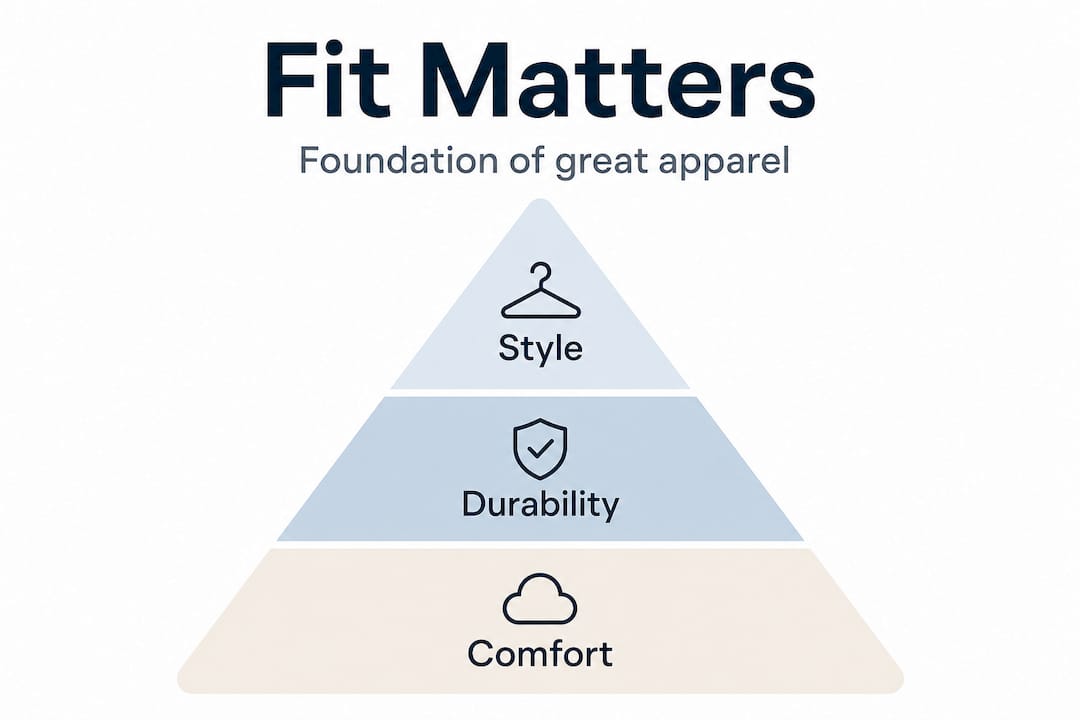
Size is a number on a tag. Fit is an experience. That distinction sounds simple, but it changes everything about how you shop.
Garment fit is the conformance to the body, balancing ease for style and movement. In practical terms, this means a well-fitted garment doesn’t just match your measurements. It accounts for how you move, sit, reach, and carry yourself throughout the day.
One of the most misunderstood concepts in fit is ease. Ease is the extra room intentionally built into a pattern beyond your actual body measurements. Fit design uses body measurements plus wearing and design ease to determine pattern shape. Wearing ease allows you to breathe and move without restriction. Design ease goes further, shaping the aesthetic silhouette of the garment, whether that’s a close cut or a relaxed, oversized drape.
Here’s a quick breakdown of the most common fit profiles you’ll encounter:
| Fit profile | Ease level | Best for |
|---|---|---|
| Tailored | Minimal | Structured, polished looks |
| Regular | Moderate | Everyday versatility |
| Relaxed | Generous | Comfort-first, casual wear |
| Oversized | Maximum | Fashion-forward or layering |
“A garment that feels comfortable at rest but restricts motion during normal activity isn’t truly well-fitted. Fit must work across the full range of real-world movement.”
Common misconceptions around sizing and fit include:
- A size label guarantees comfort. It doesn’t. A medium in one brand may be cut entirely differently from a medium in another.
- Bigger always means more comfortable. Going up a size often trades one fit problem for another, like excess fabric bunching at the shoulders or waist.
- Fit is only about body shape. It’s also about posture, proportions, and the specific activities you wear the garment for.
Understanding why comfort matters in fashion starts here, with recognizing that fit is the foundation every other apparel decision builds on. Without it, even premium fabrics and clean, minimal designs underdeliver.
How fit affects comfort, mobility, and confidence
With a clear definition of fit, it’s crucial to recognize how getting it right, or wrong, has a real impact on how you feel and move in your clothing.
Poor fit creates physical and psychological discomfort in ways people often normalize. They live with a waistband that digs in, a collar that rubs, or sleeves that ride up, assuming this is just how clothes feel. It isn’t. These are fit problems with real solutions.
Physical discomfort from poor fit shows up in recognizable patterns:
- Restriction in the shoulders, chest, or hips limits your range of motion during everyday tasks like reaching overhead or sitting for long periods.
- Chafing occurs when excess fabric rubs against skin repeatedly, most common at the inner thigh, underarm, or collar.
- Sagging or dragging creates visual clutter and physical awkwardness, with fabric pulling where it shouldn’t and bunching where it shouldn’t.
- Drag lines are tension creases that form when a garment is too tight in one direction, pulling the fabric off-grain and distorting the silhouette.
- Gapping at buttons or plackets signals that the garment’s proportions don’t align with your body’s specific shape.
Beyond the physical, fit also plays a real role in confidence. When clothing moves with you instead of against you, you think about it less. That mental freedom adds up across a day.
Comfort depends on fabric mechanics like stretch, friction, and tension working together with fit. This is why two garments in the same “size” can feel entirely different. A cotton shirt with no stretch needs more wearing ease than one with elastane. A heavyweight fleece behaves differently under tension than a lightweight jersey. Knowing how to select comfortable fabrics means understanding how material properties amplify or limit the fit you started with.
Pro Tip: When trying on any new piece, do a quick movement check. Raise both arms above your head, then sit down. If the shirt untucks, the back pulls, or the shoulders bind, the fit needs adjustment, regardless of what the tag says.
For minimalist and vintage-inspired wardrobes, comfort through fit isn’t a luxury preference. It’s a design principle. The goal with lifestyle apparel built for comfort is clothing that genuinely disappears into your day because it fits well enough that you forget you’re wearing it.
Fit as a key to durability and fewer returns
Comfort is only part of the picture. Let’s look at how fit determines the lifespan of your clothes and why it’s the biggest driver behind returns.
61% of consumers cite poor fit as the top reason for apparel returns, and fit-related issues account for up to 70% of all returns in fashion e-commerce. That’s a massive proportion of waste, cost, and frustration. For shoppers who want a lean, well-curated wardrobe, returns represent the opposite of efficiency.
But fit doesn’t just affect whether you keep a garment. It affects how long that garment lasts.
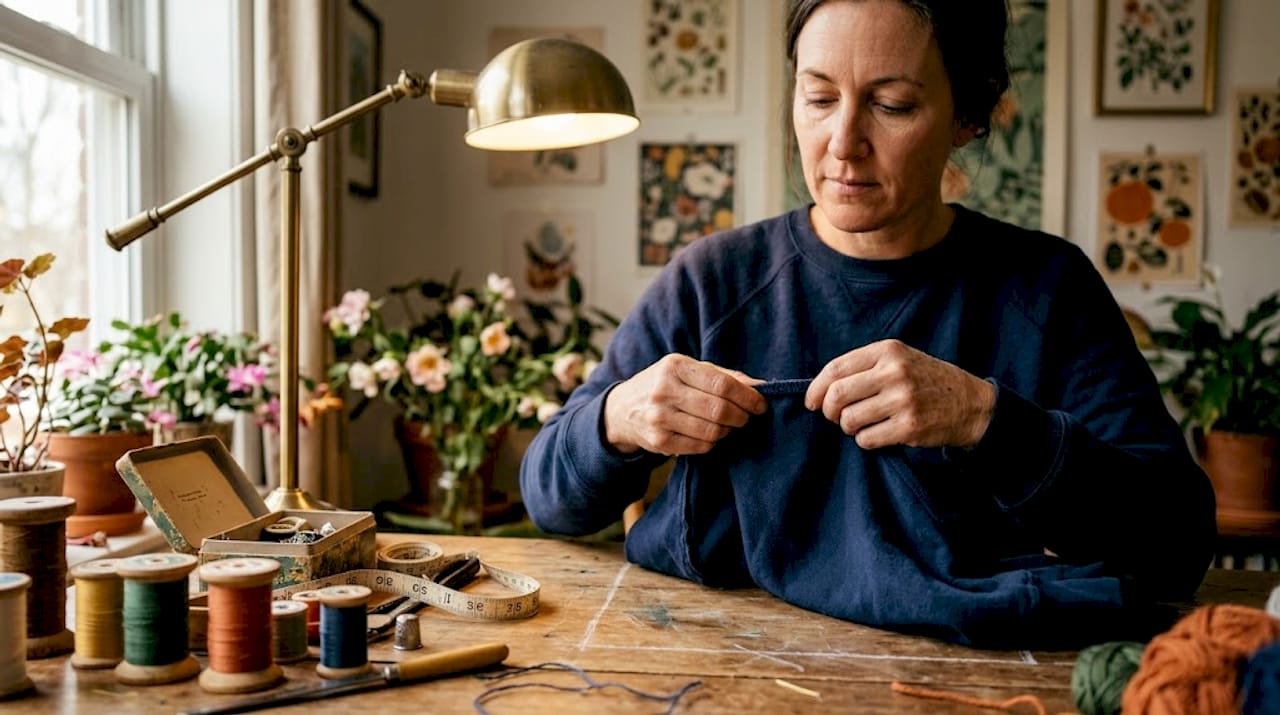
Fit affects durability; overly tight or loose fit stresses fabrics and seams, leading to faster wear. When a garment is too tight, every movement puts strain on the seams and the weave of the fabric itself. Over time, that stress causes thread breakage, seam splitting, and fabric thinning in high-tension zones like the underarm, crotch, or collar. Too loose creates its own problems: excess fabric catches, snags, and wears unevenly because it folds and rubs against itself with each wash and wear.
Here’s a comparison of how fit affects garment lifespan:
| Fit quality | Stress on seams | Fabric wear | Lifespan |
|---|---|---|---|
| Well-fitted | Low and even | Gradual and uniform | Long |
| Too tight | High at stress points | Rapid at seams | Short |
| Too loose | Variable, prone to snags | Uneven, from friction | Moderate to short |
The best practices for choosing fit to extend garment life include:
- Match fit profile to use case. A relaxed-fit tee worn for physical activity should have enough ease to move without pulling seams. A slim-fit shirt worn at rest needs less.
- Watch the shoulder seam. It should sit exactly at the edge of your shoulder. If it droops or pulls inward, everything downstream, sleeve shape, chest room, back width, is already compromised.
- Check underarm freedom. Raise one arm straight out to the side. You should feel minimal pull on the opposite side of the shirt. Significant tension means the shirt is too narrow in the body.
- Prioritize a consistent waist and hip allowance. For pants and bottoms, a consistent fit through the seat and thigh matters more for longevity than the exact waist size, since waistbands can be adjusted more easily than structural panels.
Understanding how the broader e-commerce apparel landscape handles fit challenges helps put these statistics in context. Returns aren’t just a minor inconvenience. They represent a systemic problem rooted in the gap between what shoppers expect from a size and what fit actually delivers.
Refining fit: Measurement, ease, and solving common issues
Knowing the importance of fit, the next step is understanding how to measure, assess, and correct it, especially for building lasting, versatile wardrobes.
Tape-measure data is only the start; posture and movement, combined with ease choices, finish the fit. This is why buying “by the numbers” often still leads to disappointment. Your chest measurement tells a brand how wide to make the body panel. It doesn’t tell them how you hold your shoulders, how long your torso runs, or whether you carry more volume in the front or back. Those variables are where fit gets personal.
Pattern errors in ease or placement cause gapping, drag lines, and structural problems. These issues translate directly to the garments on your rack. Knowing what causes them helps you identify fixable problems versus fundamental mismatches.
Here’s a step-by-step process for evaluating fit at home:
- Take your measurements in motion. Measure your chest at full breath, your waist seated, and your hips at the widest point. These dynamic measurements are more useful than static ones.
- Compare to the brand’s size guide, not a generic size chart. Each brand grades their patterns differently, and the same label means different things across different lines.
- Put the garment on and do a movement test. Sit, stand, reach up, cross your arms. Note where you feel resistance, pulling, or excess slack.
- Check the key fit landmarks. Shoulder seam position, chest or waist room, sleeve length, and hem length are the four primary indicators of whether a garment fits your specific proportions.
- Identify whether issues are structural or adjustable. A too-long sleeve is an easy alteration. A low-set armhole or narrow back panel is a structural problem that’s much harder to correct after the fact.
Pro Tip: If you’re buying online, look for brands that publish their garment measurements, not just size ranges. Compare those measurements to garments you already own and love. That single habit eliminates most fit surprises before they happen.
Modern pattern evaluation uses digital prototypes and expert reviews for optimized fit. Some brands now use 3D virtual fitting tools to test how a pattern behaves across different body proportions before cutting a single yard of fabric. For shoppers, this translates into garments that are more consistently well-fitted out of the box.
When assessing pieces for a casual, everyday wardrobe, common fit issues to watch for include excess fabric pooling at the lower back of a T-shirt (usually from a too-long back hem or forward-tilted posture), tightness across the upper chest on otherwise roomy shirts (from narrow yoke width), and pants that fit the waist but pull across the seat (a sign of insufficient seat allowance in the pattern).
Why minimalist wardrobes demand better fit: Our experience
Having covered the practical how-tos, let’s dig into what years of prioritizing fit have taught us about building a better, longer-lasting wardrobe.
Here’s the thing about a minimalist wardrobe that most people learn the hard way: having fewer pieces amplifies every detail. When you own thirty T-shirts, a slightly awkward-fitting one gets skipped over without much thought. When you own six, that same shirt becomes a source of daily friction.
We’ve seen this play out repeatedly in how people approach wardrobe building. The shoppers who end up most satisfied with their clothing aren’t the ones who spend the most, or even the ones who research the most. They’re the ones who prioritize fit on their basics first, because basics are what you reach for most often.
Small fit details that seem minor on a display model carry real consequences in daily wear. Sleeve length, for example, affects not just appearance but also how freely your forearm rotates when typing, driving, or carrying. A slightly too-short sleeve creeps up constantly, pulling the shoulder seam out of position. A slightly too-long one catches on everything.
Rise in pants is another overlooked detail. Get the rise wrong and the garment is uncomfortable in almost every seated or moving position, regardless of how well the waist and leg fit. These aren’t abstract problems. They’re the reason a pair of pants gets worn twice and then pushed to the back of a drawer.
Our honest lesson from years of thinking about this: relying on size alone is a shortcut that costs you more in the long run through returns, alterations, or simply wasted purchases. Refining fit for repeated wear is where the real value lives. A piece that genuinely fits becomes something you reach for automatically, season after season, which is exactly the behavior that supports a minimalist style built on versatile layering rather than constant replacement.
The payoff of getting fit right on your basics isn’t glamorous. It’s just consistency. The right T-shirt worn three times a week, washed often, and still looking clean and intact after two years because it never had the stress points that cause premature wear.
Upgrade your wardrobe: Experience fit-focused classics
If you’re inspired to prioritize fit in your own closet, consider starting with wardrobe heroes crafted for comfort and longevity.
At Smoked Times, every piece in the lineup is designed with everyday fit at the center. That means structured ease for real movement, minimal branding that keeps the focus on clean silhouette, and fabrics chosen for how they wear and wash over time, not just how they look in a photo.
Our retro organic cotton T-shirt is built for exactly the kind of repeat wear that a minimalist wardrobe demands. Organic Pima cotton gives it a surface feel that improves with washing, and the cut is balanced to work tucked, untucked, or layered without pulling or bunching. If you’re looking for more structure and weight, our classic heavyweight tee delivers the kind of body and durability that holds its shape through consistent wear. Both pieces are a strong starting point for a wardrobe built on fit, not just size.
Frequently asked questions
How does “ease” affect fit and comfort in clothing?
Ease in patterns allows for comfort and silhouette by adding space beyond your actual measurements. Without enough ease, clothing may feel restrictive or create unwanted tension across the body.
Why do so many online apparel purchases not fit well?
Online sizing relies on labels and basic measurements, missing vital factors like posture, fabric stretch, and personal ease preferences. Fit and sizing-related issues drive up to 70% of apparel returns as a direct result.
Can a poorly fitted garment be altered to fit perfectly?
Some adjustments like taking in a seam or shortening a hem are straightforward, but pattern placement and ease errors can make full correction very difficult or impossible without rebuilding the garment’s structure.
Does fabric type play a role in fit comfort?
Yes. Comfort depends on fabric and garment mechanical properties like stretch and surface friction, which affect how a garment feels and moves even in the same size and pattern.
Why is great fit more important for minimalist wardrobes?
With fewer pieces worn more often, any discomfort or poor fit gets amplified across every wear. Versatile, well-fitted basics are essential because each garment carries more weight in a lean, curated closet.