


How climate shapes your apparel choices for comfort
TL;DR:
- Clothing comfort depends on insulation, humidity, wind, activity, and climate conditions working together.
- Understanding these factors helps build adaptable wardrobes that maintain comfort in any weather scenario.
The jacket that kept you warm during your morning commute becomes a liability the moment you start moving fast or step into a heated building. Most men treat “dressing for the weather” like a simple checkbox: cold outside, grab a coat. But clothing thermal resistance models show that true comfort depends on insulation, humidity, wind, and activity all working together. Get any one of those wrong and you spend the day either sweating or shivering. This guide cuts through the guesswork and gives you a practical framework for making smarter clothing decisions in any weather.
Table of Contents
- Why climate matters: More than just temperature
- The science of thermal comfort: How it shapes apparel choices
- Layering techniques for comfort and adaptability
- Material choices and climate: Sustainability, comfort, and skin contact
- Climate-driven trends: The rise of sustainable and adaptive fashion
- Why ‘dressing for the weather’ is only half the story
- Build your climate-ready wardrobe with Smoked Times
- Frequently asked questions
Key Takeaways
| Point | Details |
|---|---|
| Climate sets apparel comfort | The climate determines how much insulation and layering you need for comfort and durability. |
| Layering is essential | A three-layer approach lets you flexibly adapt to changing temperatures and weather. |
| Material matters for comfort | Choosing the right fabric for your climate and activity helps keep you dry and comfortable all day. |
| Sustainability influences choices | Climate change and extreme weather drive more consumers to pick eco-friendly apparel options. |
| Activity changes apparel needs | The same clothes can feel very different depending on whether you’re walking, standing, or inside versus outside. |
Why climate matters: More than just temperature
Most people think about temperature first and stop there. But temperature is only one piece of the puzzle. Humidity affects how well sweat evaporates from your skin. Wind strips away the warm air your body generates. Altitude and direct sun exposure shift the equation further. And your activity level may be the single most overlooked variable of all.
Think about a typical winter Saturday. You walk briskly to the coffee shop, sit for an hour, then help a friend move boxes. Three different thermal states, all within a few hours. The insulation that felt great during the walk will make you overheat during the move. That shift is not a minor inconvenience. It affects your focus, your energy, and the long-term wear on your clothes.
Research-grade methods now help quantify exactly how well a clothing system performs. Clothing insulation and thermal comfort can be measured using thermal manikins and resistance modeling, which confirms that “climate-appropriate” choices are not just personal preferences. They are measurable outcomes. Building a climate adaptive wardrobe starts with understanding these outcomes, not just grabbing whatever feels warm enough at the door.
Here is a quick look at how different environmental factors interact with clothing comfort:
| Climate factor | Effect on comfort | Key apparel response |
|---|---|---|
| Low temperature | Increases heat loss from skin | Add insulating mid layers |
| High humidity | Slows evaporation, increases clamminess | Choose moisture-wicking base fabrics |
| Strong wind | Removes warm air from clothing surface | Add a windproof outer layer |
| Sun exposure | Raises skin temp rapidly | Opt for breathable, lighter fabrics |
| High activity | Raises body heat output significantly | Reduce insulation, prioritize ventilation |
“Clothing choices are not simply a matter of fashion preference. They are measurable comfort outcomes shaped by the interaction between climate conditions and the physical properties of the garments worn.”
Key takeaways to keep in mind:
- Wind chill can make 40°F feel like 28°F on exposed skin
- Humidity above 70% significantly reduces the cooling effect of sweat
- Walking generates roughly three times more body heat than standing still
- Even a lightweight base layer can cut wind chill dramatically compared to bare skin
The science of thermal comfort: How it shapes apparel choices
Thermal comfort is not just a feeling. It is a measurable state. Scientists define it as the condition of mind that expresses satisfaction with the thermal environment. Getting there requires balancing heat production from your body with heat loss through your clothing and surroundings.
The main unit researchers use is thermal resistance, abbreviated r_cl. Think of r_cl like the R-value of insulation in your home walls. A higher r_cl means more insulation between your skin and the outside world. A lightweight cotton tee might have a very low r_cl. A thick fleece mid-layer adds significant resistance. Stacking them together creates a system you can tune to the conditions.
Climate conditions shape clothing preferences directly through these thermal comfort mechanisms, which is why identical outfits can feel completely different depending on whether you are walking or standing still in the same weather.
Here is a practical comparison of insulation needs by activity and temperature:
| Activity level | Comfort temp at low insulation | Comfort temp at high insulation |
|---|---|---|
| Resting / standing | 65°F and above | 30°F to 50°F |
| Light walking | 50°F to 65°F | 20°F to 40°F |
| Brisk walking or labor | 35°F to 55°F | Below 20°F only |
| Intense outdoor activity | Below 40°F recommended | Rarely needed |
Pro Tip: If you run warm or tend to sweat quickly on the move, drop one insulation layer from whatever you think you need. You will hit your comfort zone faster and avoid the clammy overheating that ruins most outdoor plans.
A simple approach for building a layered system around r_cl principles:
- Identify your baseline activity. Are you mostly stationary, lightly active, or heavily exerting yourself outdoors?
- Match your base layer to that activity. Higher activity means you want lower r_cl at the skin to let heat and moisture escape.
- Add a mid layer you can remove. A zip fleece or hoodie you can tie around your waist covers the shift between sitting and moving.
- Treat your outer layer as weather armor, not warmth. It blocks wind and rain but should breathe enough to let excess heat out.
- Revisit the system seasonally. What works in October in the Pacific Northwest fails completely in February in Chicago.
Learning the three-layer system explained in detail gives you a repeatable framework that adapts to nearly any climate scenario you face.
Layering techniques for comfort and adaptability
Understanding the science is one thing. Putting it into practice on a daily basis is where most men fall short. Layering sounds simple until you actually try to do it well. The difference between a functional layered outfit and just wearing a bunch of clothes is intentionality.
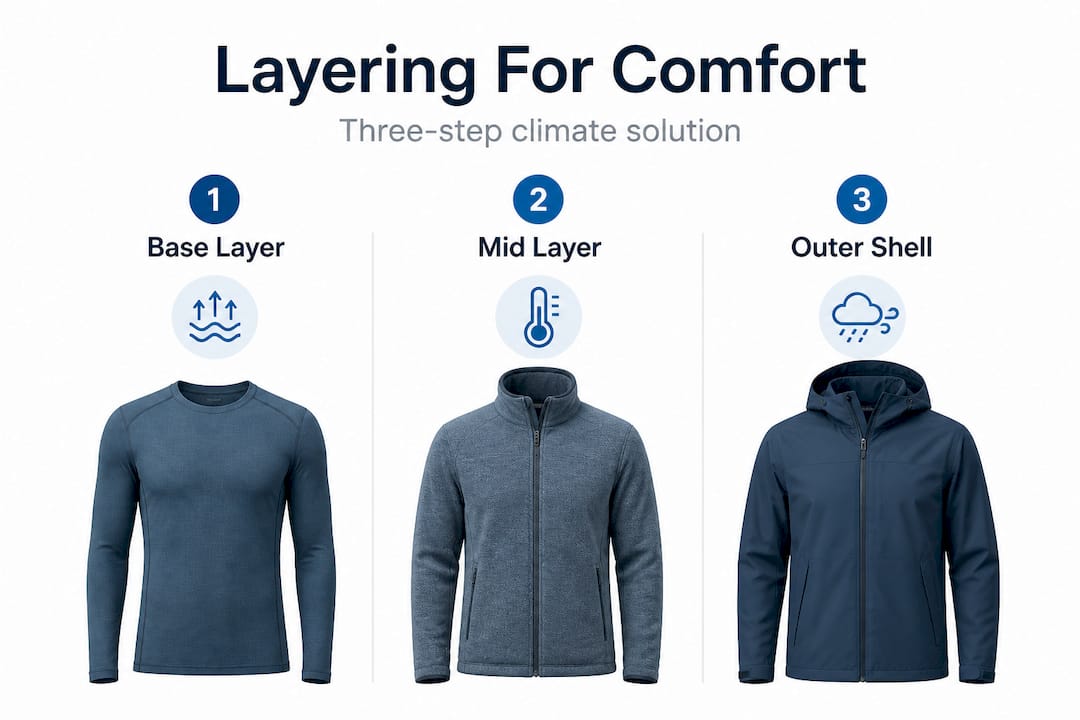
The layering in fashion approach follows three distinct functional zones. Each zone has a specific job. When each piece does its job well, the system works regardless of what the weather throws at you.
Here is how the zones break down in practice:
- Base layer: Moisture management. Your base layer sits directly on skin. Its job is to pull sweat away from your body and let it evaporate. Cotton works fine for low-activity, cooler days. For higher activity or wetter climates, a moisture-wicking fabric reduces the clammy feeling that comes when sweat lingers.
- Mid layer: Insulation control. This is where your warmth lives. A heavyweight hoodie, fleece, or quilted layer traps body heat and provides the bulk of your r_cl value. Choosing a mid layer you can easily remove is the key move here.
- Outer layer: Environmental barrier. Your outer shell blocks wind, rain, and snow without trapping all the heat your base and mid layers generate. A breathable outer layer vents excess moisture upward and keeps precipitation from soaking through.
According to outdoor layering basics, a repeatable layering methodology is the most practical way to achieve consistent comfort and durability across varying weather conditions. It also extends garment life because no single piece takes the full brunt of all conditions every time you wear it.
Pro Tip: Build your mid layer around one or two versatile heavyweights you can rotate. A quality hoodie worn three times a week over different base layers looks intentional, not repetitive, and it takes on wear evenly across all your pieces.
Once you understand how to layer winter clothing effectively, you stop guessing and start wearing outfits that actually work from morning through evening, regardless of how the weather shifts.
Material choices and climate: Sustainability, comfort, and skin contact
Layering structure matters, but the actual fibers you choose amplify or undermine every benefit that structure provides. Material selection is where comfort gets personal, and where your climate values can align with your environmental ones.
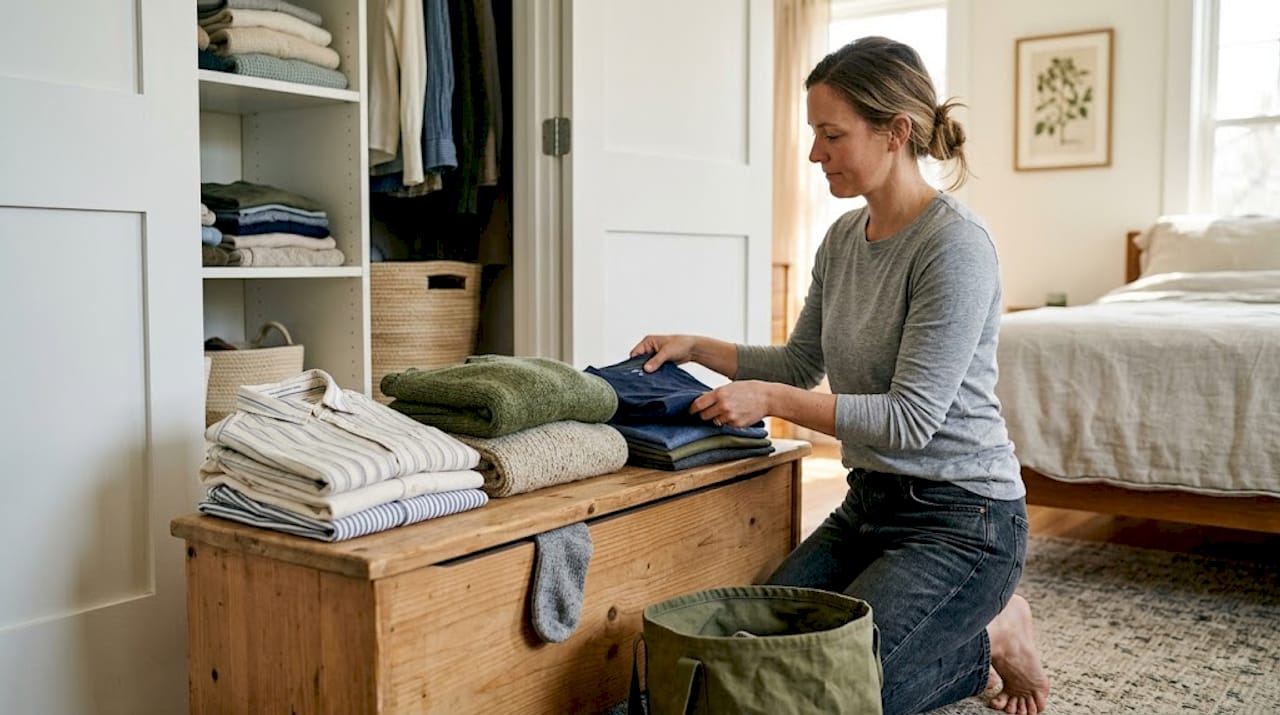
Cotton is the most familiar option. It breathes well in dry heat, feels great against skin, and holds up to repeated washing without significant degradation. The trade-off is that it absorbs moisture and holds it, which makes it a poor performer in wet or highly humid climates during physical activity. For casual everyday wear in temperate climates, heavyweight cotton remains one of the most reliable and comfortable choices available.
Wool, particularly merino, offers remarkable temperature regulation. It insulates when wet, resists odor buildup, and provides natural breathability. The downside is cost and care requirements. Synthetic fabrics like polyester and nylon offer excellent moisture management and durability at a lower price point, though they tend to retain odors faster than natural fibers.
Material and product design choices tied to climate exposure, including visibility of a garment on the body and direct skin contact, can influence purchase intentions for sustainable options. In other words, when a fabric touches your skin or is clearly visible, you think harder about what it is made of and where it came from.
Key considerations when selecting climate-appropriate materials:
- Skin contact matters. Base layers and underlayers should prioritize softness and breathability over everything else.
- Durability scales with use frequency. A garment you reach for three times a week needs tighter weaves and stronger seams than a special-occasion piece.
- Sustainable fibers are climate-relevant. Organic cotton and recycled synthetics reduce the environmental footprint of manufacturing, which aligns with the values of men who are increasingly aware of the climate pressures driving their purchasing decisions.
- Fiber weight affects climate performance. A 6-oz cotton tee handles summer humidity. A 10-oz version is built for cooler climates and longer wear life.
Exploring sustainable fabric examples helps you match fiber choice to both your climate needs and your broader values as a consumer.
Climate-driven trends: The rise of sustainable and adaptive fashion
Something has shifted in how men think about buying clothes. It is not just about looking good anymore. Climate awareness, whether from lived experience of extreme weather or from broader environmental concern, is directly influencing what ends up in shopping carts.
Research shows that extreme weather events can shift consumer purchasing behavior toward greener options. When a heat wave makes national news or a winter storm shuts down your city, people become more environmentally conscious about their choices in the days and weeks that follow. That heightened awareness pushes purchasing decisions toward durable, sustainable, and multipurpose apparel.
“Climate events do more than change what we wear physically. They reshape the values and priorities we bring to every purchase decision, including apparel.”
This trend shows up in several practical ways for everyday shoppers:
- Demand for versatile pieces is rising. Men want clothing that works across multiple settings and weather scenarios, not single-use seasonal items they wear twice and forget.
- Durability has become a sustainability argument. Buying one well-made hoodie that lasts five years beats buying three cheaper ones that pill and fade after six months.
- Minimal branding appeals to long-term thinkers. Clean, understated designs age better than logo-heavy pieces tied to a specific trend cycle.
- Multipurpose styling is gaining momentum. The same heavyweight tee that works under a jacket in November should hold up as a standalone shirt in May.
Exploring versatile fashion layering gives you a practical framework for building a wardrobe that meets both comfort demands and sustainability goals simultaneously.
Why ‘dressing for the weather’ is only half the story
Here is a perspective that does not get enough attention: most men underestimate how much their activity level overrides the outdoor temperature when it comes to getting dressed.
The common assumption is that cold weather equals more clothing. Full stop. But clothing insulation needs shift meaningfully based on whether you are walking or standing, even in identical weather. Two men standing outside in 35°F weather need roughly similar insulation. The moment one of them starts hauling bags up three flights of stairs, his thermal load triples. The jacket that keeps him comfortable while standing will have him soaked in sweat by the second trip.
The fix is not finding a single “perfect” piece. It is building habits around adaptability. That means choosing layers you can actually remove and carry. It means picking materials that tolerate a range of conditions rather than excelling at exactly one. It means why layer clothing becomes a mindset, not just a styling technique.
There is also the psychology angle. Research on climate-driven choices shows that environmental anxiety and climate concern can influence purchasing decisions independent of pure comfort needs. Some men buy sustainable or adaptive apparel because it reflects their values, not just because it keeps them warm. That is not irrational. It is an evolved understanding of what clothing represents.
The most durable wardrobe is not built around chasing the latest technical fabrics or stocking every possible weather scenario. It is built around a small set of well-chosen, genuinely versatile pieces that you reach for over and over because they work. That is the real intersection of climate, comfort, and smart apparel thinking.
Build your climate-ready wardrobe with Smoked Times
If you have made it this far, you already think more carefully about clothing and climate than most. The next step is making sure your wardrobe actually reflects that thinking.
At Smoked Times, every piece is built around the principles this article covers: durable fabrics, versatile styling, and the kind of repeat-wear comfort that holds up across seasons and activities. Whether you are filling out your layering system or replacing worn basics with something that actually lasts, our casual layering trends guide for 2026 is a great place to see how it all comes together. And if you have already found pieces you love, share your experience through our apparel reviews page. Real-world feedback from real weather conditions is exactly the kind of insight we build around.
Frequently asked questions
How does climate actually affect my day-to-day clothing comfort?
Climate determines how much insulation and layering you need to stay comfortable, and that need shifts constantly as weather and your activity level change throughout the day. Research confirms that thermal comfort outcomes are measurable, not just subjective feelings.
What is the layering system, and why is it important in different climates?
Layering combines a moisture-managing base, an insulating mid-layer, and a weather-resistant outer shell to create a system you can adjust as conditions change. According to outdoor layering methodology, this approach is the most reliable way to achieve comfort and durability across varying weather.
Are sustainable fabrics always the best option for hot or cold weather?
Sustainable fabrics often deliver strong comfort and breathability, but the best choice depends on your specific climate, activity intensity, and how the garment contacts your skin. Product design factors like skin contact and visibility also shape how material choices connect to purchase intent.
How do extreme weather conditions impact men’s apparel buying habits?
Extreme weather events tend to push consumers toward more durable and sustainable clothing choices, driven by both practical comfort needs and heightened environmental awareness in the aftermath of those events.
Why is choosing clothing for both climate and activity important?
Your activity level directly changes how much heat your body generates, so clothing that works perfectly while you stand still may cause overheating during physical effort. Insulation needs differ significantly between walking and standing, making activity just as important as temperature when choosing what to wear.