


Best outdoor clothing essentials for winter comfort
Picking the right winter outdoor clothing feels overwhelming when you’re balancing warmth, style, and budget. You want gear that keeps you comfortable during hikes or casual outings without looking bulky or dated. This guide breaks down the essential layers, materials, and accessories to help you choose winter clothing that performs well in cold weather while fitting your personal style and activity level.
Table of Contents
- Selection Criteria For Outdoor Winter Clothing
- Base Layers: Moisture Management And Thermal Regulation
- Mid Layers: Insulation Choices And Performance
- Outer Layers: Waterproof And Breathable Protection
- Essential Winter Accessories
- Style And Functionality Considerations
- Price And Availability Considerations
- Explore Stylish And Functional Winter Apparel At Smoked Times
Key takeaways
| Point | Details |
|---|---|
| Layering system is essential | Base, mid, and outer layers work together to regulate temperature and protect from elements. |
| Insulation type matters | Down offers superior warmth-to-weight but fails when wet; synthetics maintain warmth in damp conditions. |
| Accessories boost warmth | Insulated hats, gloves, and neck gaiters can add 10-15% more heat retention to your layering system. |
| Balance function and style | 68% of consumers prioritize style integrated with practical features for versatile year-round use. |
| Smart shopping saves money | Synthetic jackets cost 20-30% less than down while bundle deals increase value significantly. |
Selection criteria for outdoor winter clothing
Before diving into specific items, you need clear criteria to evaluate winter clothing options. Understanding these factors ensures you invest in pieces that truly meet your needs rather than falling for marketing hype or impulse purchases.
Insulation warmth rating is critical for determining whether a jacket handles your local winter temperatures. Look for fill power ratings in down products or gram weight specifications in synthetic insulation. Higher numbers typically mean better warmth retention.
Waterproof and windproof features protect you from snow, rain, and biting winds that strip away body heat. Check for sealed seams and DWR (durable water repellent) coatings on outer layers. These technologies keep moisture out while maintaining comfort during active pursuits.
Breathability prevents the dreaded sweat-chill cycle that leaves you cold and clammy. Fabrics that allow moisture vapor to escape while blocking external wetness create the ideal microclimate next to your skin. This becomes crucial during high-output activities like snowshoeing or winter trail running.
Fit and mobility directly impact your outdoor performance. Restrictive clothing limits your range of motion and can create cold spots where fabric pulls tight. Look for articulated designs and stretch panels in high-movement areas. A smart winter clothing checklist helps ensure you cover all fit considerations.
Price and durability determine long-term value. Cheaper options might save money upfront but require replacement after one season. Quality construction with reinforced stress points and abrasion-resistant fabrics pays off over multiple winters. Understanding the role of layering helps you prioritize spending on pieces that work across multiple conditions.
Pro Tip: Test mobility by raising your arms overhead and doing squats in the fitting room. Your clothing should move with you without riding up or creating gaps that let cold air in.
Base layers: moisture management and thermal regulation
Base layers form the foundation of your winter clothing system by managing moisture and regulating temperature against your skin. This first layer makes or breaks your comfort during extended outdoor time.
Merino wool offers superior thermal regulation and natural odor resistance compared to synthetic alternatives. The fiber’s structure wicks moisture away from skin while providing insulation even when damp. Merino also feels softer against skin than traditional wool, reducing itchiness that keeps some people from wearing natural fibers.
Synthetic base layers like polyester or nylon blends dry faster than natural materials and typically cost less. They excel during high-intensity activities where you generate significant sweat. Modern synthetics incorporate antimicrobial treatments to fight odor buildup during multi-day trips.
Weight categories range from lightweight to expedition weight. Lightweight works for aerobic activities or mild cold. Midweight suits moderate activity in freezing temperatures. Heavyweight or expedition weight handles extreme cold with lower activity levels. Match your base layer weight to your planned exertion level and weather forecast.
Fit should be snug without restricting movement. Loose base layers create air pockets that reduce thermal efficiency. Look for flatlock seams that prevent chafing during repetitive motions. Consider winter clothing essentials that work across multiple activity types for better value.
Pro Tip: Pack an extra base layer for multi-day trips. Swapping into dry fabric at camp dramatically improves overnight warmth and sleep quality.
Sustainability matters to many shoppers choosing eco-friendly base layers made from recycled materials or ethically sourced wool. These options reduce environmental impact while delivering comparable performance to conventional products.
Mid layers: insulation choices and performance
Mid layers provide the bulk of your insulation by trapping warm air close to your body. Choosing the right insulation type depends on your typical weather conditions and activity patterns.
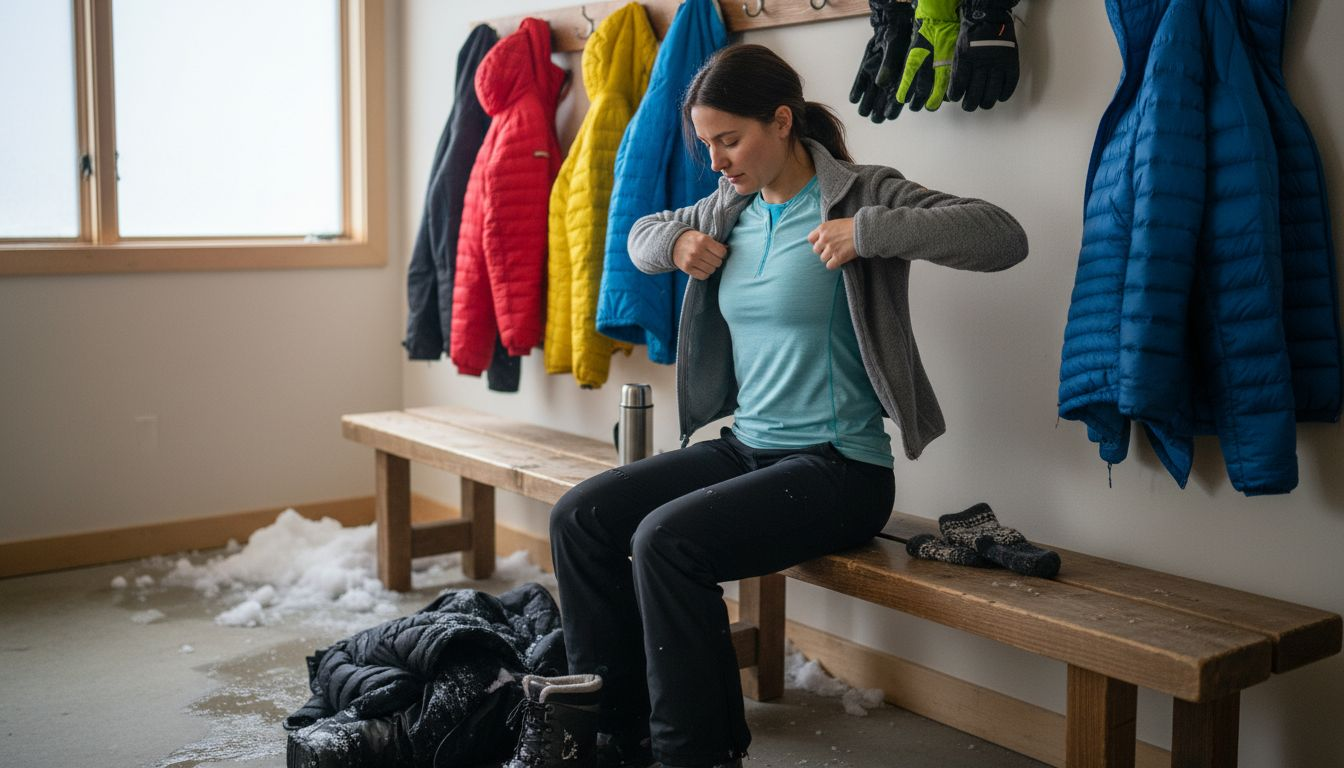
Down insulation has the highest warmth-to-weight ratio available, making it ideal for cold, dry environments. Fill power ratings from 550 to 900+ indicate loft quality and warmth efficiency. Higher fill power means more warmth from less weight. However, down loses all insulating ability when wet and takes forever to dry.
Synthetic insulation retains warmth when wet and costs 20-30% less than comparable down products. Modern synthetics like PrimaLoft and Thermoball mimic down’s loft while maintaining performance in damp conditions. They dry quickly and compress reasonably well for packing. The tradeoff comes in slightly more weight and bulk compared to equivalent down warmth.
Fleece provides breathability and quick drying properties that work brilliantly for active pursuits. Fleece weights range from 100 to 300+ grams per square meter. Lighter weights suit aerobic activities while heavier fleece handles static cold. Fleece lacks windproofing, so pair it with a shell layer in breezy conditions.
| Insulation Type | Warmth-to-Weight | Wet Performance | Price Range | Best Use Case |
|---|---|---|---|---|
| Down | Excellent | Poor | $$$ | Cold, dry climates |
| Synthetic | Good | Excellent | $$ | Wet, variable weather |
| Fleece | Moderate | Good | $ | Active pursuits |
Layering multiple mid layers creates versatility for changing conditions. A light fleece under a synthetic puffy lets you adjust warmth without carrying separate jackets for different temperatures. This approach following the 3-layer system for warmth maximizes adaptability.
Consider casual layering trends that combine technical performance with everyday style. Many mid layers now feature sleek designs that transition from trail to town without looking overly technical.
Outer layers: waterproof and breathable protection
Outer shells form your final defense against wind, rain, and snow while allowing internal moisture to escape. This delicate balance between protection and breathability separates quality shells from cheap rain jackets.
Waterproof breathable membranes like Gore-Tex use microscopic pores that block liquid water while allowing water vapor to pass through. This technology keeps you dry from external precipitation and internal perspiration. Alternative membranes like eVent, Polartec NeoShell, and proprietary brand technologies offer similar performance at various price points.
Windproof fabrics prevent convective heat loss that occurs when moving air strips warmth from your insulation layers. Even light winds dramatically increase heat loss. A quality shell blocks wind completely while maintaining breathability for comfort during active use.
Seam sealing determines true waterproof performance. Fully taped seams prevent water intrusion at stitch holes. Critical seam taping covers high-exposure areas while reducing weight and improving breathability. Check construction quality before buying.
Adjustable features enhance weather protection and fit. Hood adjustments let you maintain peripheral vision while staying covered. Cuff closures with hook-and-loop or elastic prevent snow from entering sleeves. Hem drawcords seal the bottom edge against updrafts. Pit zips provide quick ventilation when you’re working hard.
Pro Tip: Apply DWR treatments annually to maintain water beading on outer shells. When fabric starts wetting out, breathability drops dramatically even with intact membranes.
Hardshells offer maximum protection with stiff, durable fabrics suited for harsh conditions. Softshells prioritize breathability and stretch for active pursuits in moderate weather. Choose based on your typical exposure level and activity intensity. Stock your outer layers essentials to handle your local climate patterns.
Essential winter accessories
Accessories complete your layering system by protecting extremities where heat loss concentrates. These small items deliver outsized impact on overall comfort during cold weather activities.
Insulated hats prevent 10-15% of total body heat loss that occurs through your head. Look for designs that cover your ears without interfering with hearing. Merino wool or fleece-lined options balance warmth with breathability. Lightweight beanies layer under hoods for extreme cold.
Gloves or mittens protect hands while maintaining dexterity for gear handling. Mittens provide more warmth by keeping fingers together. Gloves offer better grip and control for technical tasks. Liner gloves under shells create a flexible system for varying conditions. Waterproof options become essential in wet snow.
Neck gaiters seal the gap between your jacket collar and hat. This often-overlooked area lets surprising amounts of cold air reach your core. Merino or fleece gaiters add minimal bulk while dramatically improving comfort. Some designs pull up to cover your face during bitter winds.
Warm socks made from wool or synthetic blends prevent cold feet that ruin outdoor experiences. Avoid cotton which loses all insulating value when damp. Look for cushioning in high-impact areas and smooth toe seams to prevent blisters. Sock height should work with your boot style to eliminate gaps.
Proper fit ensures accessories stay in place without restricting circulation. Too-tight gloves or socks cause cold fingers and toes by limiting blood flow. Test accessories during activity to confirm they don’t slip or bind. Understanding winter accessories importance helps you prioritize purchases for maximum impact.
Style and functionality considerations
Modern winter clothing successfully merges technical performance with aesthetic appeal. You no longer need to choose between looking good and staying warm during outdoor pursuits.
68% of consumers value style integrated with function in outdoor clothing purchases. This drives brands to create pieces that perform on the trail while fitting into everyday wardrobes. Technical fabrics now come in fashion-forward cuts and colors that work for casual wear.
Versatile designs encourage frequent use beyond extreme weather conditions. A sleek insulated jacket that looks good over jeans sees more wear than a bulky parka reserved for blizzards. This practical approach maximizes value from your clothing investment while ensuring you’re prepared when weather turns harsh.
Color choices range from bold statement pieces to neutral classics that coordinate easily. Darker colors hide dirt during extended trips while bright colors improve visibility in low light or emergencies. Consider your typical activities and personal style preferences when selecting colors.
Fit preferences vary between athletic, regular, and relaxed cuts. Athletic fits suit active pursuits with minimal excess fabric. Regular fits work for most people across various activities. Relaxed fits accommodate additional layers underneath or simply provide comfortable casual wear. Try different brands to find cuts that match your body type.
Brand reputation influences perceived quality and buyer confidence. Established outdoor brands command premium prices based on proven performance and warranty support. Newer direct-to-consumer brands often deliver comparable quality at lower prices by eliminating retail markup. Research reviews and return policies before committing to unfamiliar brands.
Learn more about balancing style and function in your winter wardrobe planning. Smart choices create flexible options that work across multiple scenarios.
Price and availability considerations
Understanding pricing structures and promotional opportunities helps you maximize value when building your winter clothing collection. Strategic shopping can significantly reduce total investment while maintaining quality.
Synthetic insulated jackets cost 20-30% less than comparable down products on average. This price difference adds up quickly when outfitting your entire layering system. Consider whether down’s weight advantage justifies the premium for your specific needs.
Bundle deals increase purchase volume by 25% by offering savings on coordinated clothing sets. Retailers package complementary items at reduced total prices compared to individual purchases. These promotions work well when you need multiple pieces and the bundled items match your requirements.
| Price Factor | Impact on Total Cost | Strategic Approach |
|---|---|---|
| Insulation type | 20-30% difference | Choose based on climate needs |
| Bundle deals | 15-25% savings | Buy complete systems during sales |
| Brand premium | 30-50% markup | Compare specs vs reputation |
| End-of-season sales | 40-60% discount | Stock up for next year |
Price-to-performance ratios help identify the sweet spot between budget and quality. Entry-level products work fine for occasional use. Mid-range options deliver solid performance for regular outdoor activities. Premium gear makes sense for frequent use in demanding conditions or when weight becomes critical.
Availability of promotions influences timing and brand selection. Major sales occur at season transitions when retailers clear inventory. Sign up for email lists from preferred brands to catch flash sales and exclusive offers. Browse bundle deals for winter apparel to find current promotional opportunities.
Pro Tip: Buy next winter’s clothing during spring clearance sales. Storing gear for several months pays off with 40-60% savings on identical products.
Warranty coverage adds value by protecting against defects and premature wear. Lifetime warranties from established brands provide peace of mind for expensive purchases. Compare warranty terms when prices seem similar between competing products.
Explore stylish and functional winter apparel at Smoked Times
Now that you understand the essentials for winter outdoor comfort, finding the right pieces becomes straightforward. Smoked Times offers carefully curated winter apparel that combines warmth, style, and everyday functionality for outdoor enthusiasts and casual wearers alike.
Our collections feature versatile hoodies, pullovers, and layering pieces designed to keep you comfortable whether you’re hitting the trails or running weekend errands. Each item balances technical performance with contemporary style so you never compromise on appearance for function. Explore our winter fashion checklist to identify must-have pieces for your wardrobe.
Take advantage of exclusive bundle deals that let you build complete winter outfits while saving significantly compared to individual purchases. Our apparel bundle deals showcase current promotions across our most popular winter collections. Whether you need base layers, mid-layer insulation, or casual outer pieces, bundled options deliver better value for complete seasonal wardrobes.
Visit Smoked Times today to build your perfect winter look with apparel that performs in cold weather while maintaining the style you want for everyday wear.
Frequently asked questions
What are the three essential layers for winter outdoor activities?
The base layer manages moisture against your skin, the mid layer provides insulation to trap warmth, and the outer shell protects from wind and precipitation while allowing breathability. This system lets you adjust warmth by adding or removing layers as conditions and activity levels change.
Should I choose down or synthetic insulation for winter jackets?
Choose down insulation for cold, dry climates where its superior warmth-to-weight ratio and compressibility shine. Select synthetic insulation for wet or variable conditions since it maintains warmth when damp and dries quickly. Consider your typical weather patterns and whether you’ll encounter rain or wet snow regularly.
How do I prevent overheating while staying warm during active winter pursuits?
Start slightly cool and let your body heat warm you during activity rather than bundling up before exertion. Use ventilation features like pit zips to dump heat without removing layers. Choose breathable fabrics in your base and mid layers to allow moisture vapor escape, and adjust layers proactively before you start sweating heavily.
What makes a good winter base layer for outdoor activities?
Quality base layers use merino wool or synthetic fabrics that wick moisture away from skin while providing thermal regulation. Look for snug fits without restriction, flatlock seams to prevent chafing, and weight appropriate to your activity level and temperature range. Avoid cotton completely as it loses all insulating value when wet.
How can I maintain winter clothing to extend its lifespan?
Wash technical fabrics according to care labels using appropriate detergents that preserve DWR coatings and membrane function. Store clean, dry clothing in cool locations away from direct sunlight. Reapply DWR treatments annually to outer shells when water stops beading on the surface. Repair small tears or damaged seams promptly to prevent enlargement.
Are expensive winter jackets worth the investment for casual use?
Expensive jackets make sense for frequent outdoor use in harsh conditions where performance and durability matter most. For occasional winter wear or mild climates, mid-range options often deliver adequate warmth and protection at better value. Assess how often you’ll wear the jacket and in what conditions before committing to premium pricing.
Recommended
- 7 Essentials for a Smart Winter Fashion Checklist – Smoked Times
- What Defines Comfortable Clothing? 3-Layer System Boosts Warmth – Smoked Times
- Casual Outfit Guide 2026: Build Your Perfect Winter Look – Smoked Times
- 7 Must-Have Items on Your Fashion Essentials Checklist – Smoked Times
- Piloten-Hoodie Layering 2026: 32°C Mikroklima-Komfort