


Smart Shopping Tips for 2026: Build a Better Wardrobe
TL;DR:
- Smart shopping in 2026 emphasizes wardrobe audits, price tracking, and seasonal timing to buy quality pieces at lower costs. Combining offers, planning within a 90-day system, and understanding return policies help shoppers minimize regrets and maximize savings. A hybrid of online and in-store shopping tailored to individual needs enables smarter, more deliberate wardrobe building.
Fashion in 2026 gives you more choices than ever, and that abundance is exactly what makes shopping hard. The right shopping tips for 2026 are not about spending less on everything. They are about spending right, on the right things, at the right time. This article cuts through the noise with a practical, ranked approach to smarter clothing purchases, covering everything from wardrobe audits and price tracking to trend-informed timing and offer stacking. If you want a wardrobe that works harder without your wallet working overtime, read on.
Key takeaways
| Point | Details |
|---|---|
| Audit before you buy | Check what you already own before spending, categorizing items by wear frequency to spot real gaps. |
| Time seasonal purchases | Off-season buying can cut clothing costs by up to 50% on coats, swimwear, and denim. |
| Stack your savings | Combining cashback, promo codes, and credit card rewards beats relying on headline sale prices alone. |
| Return policy matters | Checking return terms before buying protects you from costly mistakes on impulse or high-risk purchases. |
| Plan around a 90-day system | Structured shopping with price alerts and saved searches leads to lower regret and better style coherence. |
1. The best shopping strategies for 2026 start with a wardrobe audit
Before you open a single tab or walk into a store, look at what you already own. This single step separates deliberate shoppers from reactive ones.

Sort your clothes into two categories: things you wear regularly and things you rarely touch. The rarely-touched pile tells you everything. It reveals what you bought impulsively, what does not fit your actual lifestyle, and what you already have too much of. Wardrobe audits help you spot real gaps rather than imagined ones.
A useful test borrowed from conscious fashion thinking: before buying anything new, name three specific outfits you already own that the new piece would improve. If you cannot name three, the item probably does not belong in your cart. Forcing that specificity with a short wait period measurably lowers purchase regret.
Pro Tip: Set a 24 to 48 hour window between “I want this” and “I’m buying this.” That gap alone eliminates a surprising number of purchases you would have regretted.
2. Track prices and factor in real costs
The advertised price is rarely the real price. Shipping, handling, and return shipping on a misfit item can add $15 to $30 to what looked like a deal. Experts recommend tracking prices and factoring in shipping before committing to any purchase.
Tools like CamelCamelCamel and Keepa were built for electronics but the core skill translates directly to fashion retail. Many clothing brands artificially inflate prices before sales to make percentage discounts look larger than they are. You can confirm whether a sale is genuine by reviewing price history on comparable items or checking price tracking habits through dedicated guides.
The real price is what you actually pay, door to door, including what you might spend to send something back.
3. Use seasonal discount calendars to time your buys
Retail follows predictable markdown cycles every year. The best time to buy a winter coat is not October, when everyone needs one. It is January or February, when retailers clear inventory at up to 50% off. Swimwear hits its deepest discounts in late July and August.
Here is a quick reference for major clothing categories and their best buying windows:
| Category | Best buying window | Typical savings |
|---|---|---|
| Winter coats and outerwear | January to February | 40 to 50% |
| Swimwear and summer clothing | Late July to August | 30 to 50% |
| Denim and jeans | End-of-season transitions | 25 to 40% |
| Activewear | January (New Year sales) | 20 to 35% |
| Formal and occasion wear | Post-holiday, late January | 30 to 50% |
The discipline required here is real. Buying a coat in February for next winter feels counterintuitive. But that friction is exactly what saves you money, because most shoppers never make that mental shift.
4. Stay on trend without rotating your entire wardrobe
One of the smartest trending shopping ideas for 2026 is knowing which trends to actually buy and which to observe from a distance. The 2026 runway color trends center on cobalt blue, mint green, and burnt orange paired with tailored neutrals. These are wearable, versatile shades that photograph well and layer easily.
The smarter approach is to select one or two directional shades and ground them in neutrals you already own. Fashion color experts consistently recommend this to reduce wardrobe churn while keeping your outfits current.
- Buy trend pieces in accessories or simple basics first, not statement investment pieces
- Choose colors that work with at least three items you already own
- Avoid fast-fashion trend items that require specific silhouettes to work; they date faster
This keeps your wardrobe fresh without the cost of a full seasonal overhaul.
5. Stack offers instead of chasing single discounts
Most shoppers leave money on the table by using one discount at a time. The best deal in 2026 combines price history tracking, promo stacking, and shipping cost awareness simultaneously.
Here is how stacking works in practice:
- Identify an item you have confirmed you need after your wardrobe audit
- Set a price alert using a browser extension or retailer app
- Wait for a sale event like a holiday weekend or end-of-season clearance
- Apply a promo code on top of the sale price
- Pay with a credit card that earns cashback or travel points
- Check whether your cashback portal has an additional percentage for that retailer
Each layer is modest on its own. Combined, they can cut 25 to 40% more off what you would have paid during a basic sale.
Pro Tip: Audit your retail subscriptions quarterly. Many shoppers are paying for loyalty programs or delivery memberships they no longer use, which offsets any savings they earn from stacking.
6. Build a 90-day shopping system
Reactive shopping is the enemy of wardrobe coherence. A 90-day planning system replaces impulse with intention. The shopping consideration cycle is actively lengthening in 2026, and shoppers who prepare with saved searches and price alerts consistently outperform those who browse and buy on the same visit.
The system works like this. At the start of each quarter, list the three to five clothing items your wardrobe genuinely needs. Set price alerts for each one. Save searches on resale platforms if you are open to secondhand options. Then wait. You do not browse outside that list during the quarter.
By the time you buy, you have confirmed the need, watched the price, and chosen the right moment. The result is fewer items, better items, and almost zero regret.
7. Know your return policy before you buy
Return policies are not fine print. They are risk management for shoppers. Before you click buy, check three things: the return window, whether return shipping is free or paid, and whether the item is final sale.
A generous 30-day free return policy makes a $90 shirt a low-risk decision. A seven-day return window with $12 return shipping on a $45 top makes it a much higher-stakes gamble.
High-rotation wardrobe staples, the kinds of pieces you wear weekly, are worth prioritizing from retailers with strong return policies. If the fit is slightly off, you want the option to exchange without penalty.
8. Use cart abandonment tactics carefully
Leaving items in your cart and walking away sometimes triggers a discount code from the retailer within 24 to 48 hours. This tactic works often enough to be worth knowing, but timing these tactics carefully matters more than people realize.
For seasonal or limited-stock items, waiting too long can mean your size sells out. For basics and core pieces with consistent inventory, the cart abandonment window is worth trying. The key is knowing which category your item falls into before you start waiting.
AI shopping tools now automate parts of this process, but they require discipline. Cart timing tactics supported by AI are popular precisely because supply-demand pricing can cut the other way if you wait too long on high-demand items.
9. Online vs. in-store: choosing the right channel
Both channels have genuine advantages in 2026. The choice depends on what you are buying and what you value.
- Online shopping gives you access to full inventory, price comparison across retailers, and the ability to use stacked offers without time pressure
- In-store shopping lets you assess fit, fabric weight, and construction quality directly, which dramatically reduces return rates on items like denim, outerwear, and knitwear
- Online is stronger for basics, replenishment buys, and items from brands you know well
- In-store is worth the trip for anything where tactile quality or precise fit drives the decision
The smartest approach is hybrid. Research and compare online, then visit the store to confirm fit on higher-investment pieces, and return online to buy if the price is better there.
Which strategy fits your shopper profile?
Not every tactic works equally well for every type of shopper. Here is a honest comparison across three common profiles.
| Shopper type | Best strategies | Watch out for |
|---|---|---|
| Deal hunter | Offer stacking, cart abandonment, price alerts | Alert fatigue, buying items you do not need just because they are cheap |
| Time-conscious buyer | Seasonal calendar, 90-day system, saved searches | Missing short-window flash sales on limited inventory |
| Trend-focused buyer | Color trend awareness, wardrobe audit, one to two directional buys per season | Over-rotating the wardrobe, spending on fast-trend items that date quickly |
The most effective shoppers blend elements from all three profiles. They track prices like deal hunters, plan like time-conscious buyers, and edit like trend-focused ones.
My honest take on shopping smarter in 2026
I have followed fashion retail for a long time, and the single change that made the biggest difference in how I shop was price tracking. Not because it always saves money, though it does. But because watching a price over several weeks changes how you feel about a purchase. By the time the price drops and you buy, you have had time to confirm you actually want the item. The impulse has either grown stronger or faded out. Either outcome is useful information.
What I have found is that most regret purchases share a common trait: they were not needed, just wanted in the moment. The shopping consideration cycle getting longer in 2026 is not a trend to fight. It is a feature. Lean into it.
I also think most shoppers underestimate the power of linking new purchases to what they already own. Before I buy anything now, I picture it in my closet next to three specific items. If I cannot do that naturally, I put it back. That mental exercise has saved me more money than any discount code.
— Denis
Build your 2026 wardrobe with Smokedtimes
If these tips pointed you toward buying fewer, better pieces, Smokedtimes was built with exactly that mindset. The brand’s core philosophy is simple: well-made basics you reach for week after week, not trend pieces that feel dated by next season.
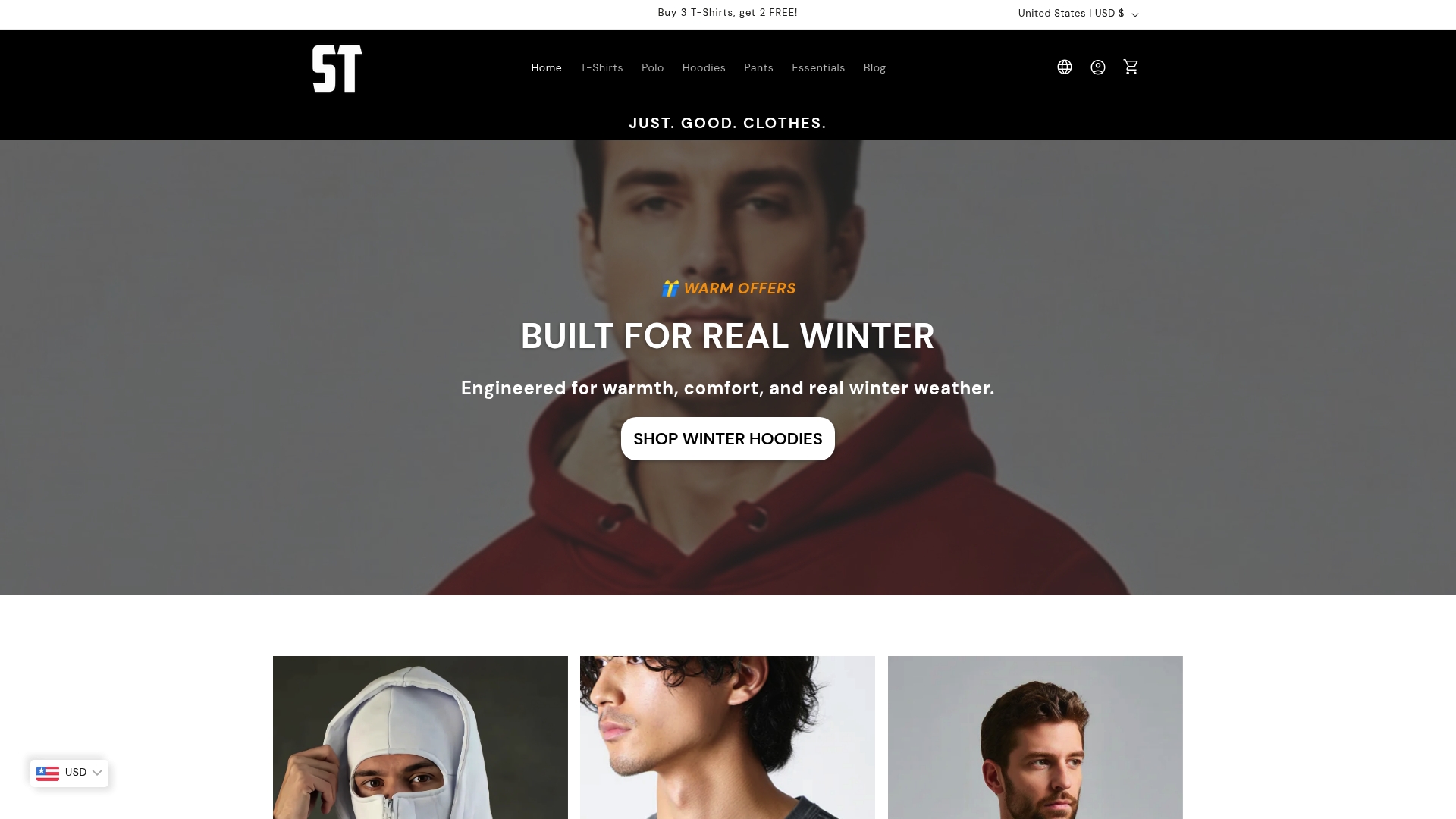
Start with the Essentials collection, which covers the heavyweight cotton tees, hoodies, and polos that form a reliable casual wardrobe. If you are building out for colder months, the Multifunctional Fleece Scarf is a practical, versatile accessory that layers cleanly with almost everything. And if you want to put the stacking strategy to work immediately, the Secret Offer 1+1 promotion is one of the better bundle deals running right now for wardrobe-building on a budget.
FAQ
What are the best shopping tips for 2026?
The most effective approach combines a wardrobe audit, price tracking tools, and seasonal timing to buy the right items at their lowest price points. Stacking cashback, promo codes, and sale pricing together consistently outperforms relying on any single discount.
How do I avoid fake markdowns when shopping in 2026?
Use price history tools to check what an item actually sold for over the past 90 days before trusting a “sale” price. Retailers often raise prices before promotional events, so a discount off an inflated price is not always a genuine saving.
When is the best time to buy clothes in 2026?
Winter coats are cheapest in January and February, swimwear hits deepest discounts in late July and August, and end-of-season transitions offer the strongest markdowns on denim and everyday basics.
Is online or in-store shopping better for fashion in 2026?
Online shopping works best for basics and replenishment buys from brands you know, while in-store is worth the trip for higher-investment items where fit and fabric quality drive the decision. A hybrid approach gives you the advantages of both.
How does the 90-day shopping system work?
At the start of each quarter, list the specific clothing items your wardrobe needs, set price alerts for each, and only browse within that list. This structured method replaces impulse buying with intention, leading to lower regret and better wardrobe coherence.