


The Role of Style Versatility in a Timeless Wardrobe
TL;DR:
- Fewer, carefully chosen versatile pieces outperform large wardrobes by offering better style, savings, and mental clarity. Building a wardrobe aligned with your actual lifestyle fosters confidence, reduces decision fatigue, and minimizes environmental impact. Maintaining internal consistency and avoiding common pitfalls ensures your clothing reflects who you are and adapts seamlessly to life’s changes.
Most people believe a bigger closet means better style. More options, more outfits, more self-expression. The reality works out differently. The role of style versatility in building a wardrobe that actually serves you is far more powerful than sheer volume ever will be. Fewer, smarter pieces that work across multiple contexts save you time every morning, lower your cost per wear dramatically, and reduce the mental load that comes with staring at a closet full of clothes you never quite know what to do with. This is where wardrobe flexibility stops being a trend and starts being a strategy.
Table of Contents
- Key Takeaways
- The role of style versatility, defined
- Why versatility pays off financially and practically
- Common mistakes that kill real versatility
- How to build and maintain a versatile wardrobe
- Style versatility and personal identity
- My honest take on style versatility
- Build your versatile wardrobe with Smokedtimes
- FAQ
Key Takeaways
| Point | Details |
|---|---|
| Versatility beats volume | Fewer well-chosen pieces outperform large, disorganized wardrobes in both daily use and confidence. |
| Financial gains are real | Shifting to durable, multipurpose clothing reduces five-year wardrobe costs by up to 27%. |
| Psychology matters | Reducing wardrobe complexity lowers cortisol, preserves mental energy, and reduces decision fatigue. |
| Lifestyle alignment is critical | Versatility only works when your pieces reflect the actual life you live, not a fantasy version of it. |
| Mini-capsules beat one-size-fits-all | Organizing clothes into lifestyle-specific clusters creates more usable, coherent wardrobe systems. |
The role of style versatility, defined
Style versatility means your clothing works across occasions, moods, and contexts without requiring a separate wardrobe for each. A heavyweight cotton T-shirt that looks sharp under a blazer, reads as casual on its own, and layers cleanly under a hoodie for a weekend in the cold is versatile. A sequined top that only works for one type of occasion is not, regardless of how much you paid for it.
The importance of style flexibility goes beyond aesthetics. Research shows that excessive clothing clutter correlates directly with elevated cortisol levels and stress. When your wardrobe is full but incoherent, your brain cannot rest. Every morning becomes a small problem-solving session rather than a confident ritual.
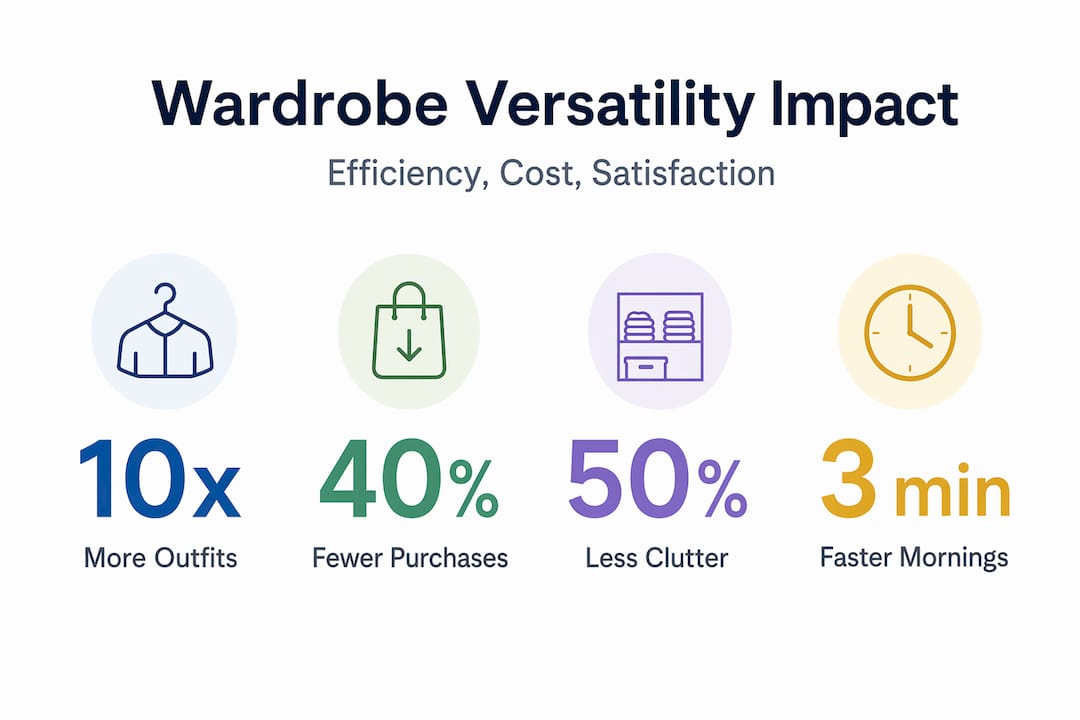
Style adaptability in fashion is also a confidence issue. A small curated wardrobe consistently produces more daily confidence than a large, disorganized one. When you know every piece you own works with the others, getting dressed stops feeling like a gamble.
Here is what defines a truly versatile piece:
- It works in at least two distinct contexts (work, weekend, travel, dinner)
- It pairs with three or more other items already in your wardrobe
- It holds its look and structure after repeated wear and washing
- It reflects how you actually live, not how you wish you lived
Pro Tip: Before buying anything new, ask yourself: “Can I wear this five different ways with what I already own?” If you cannot picture three concrete combinations on the spot, the piece is probably not versatile enough for your wardrobe.
Why versatility pays off financially and practically
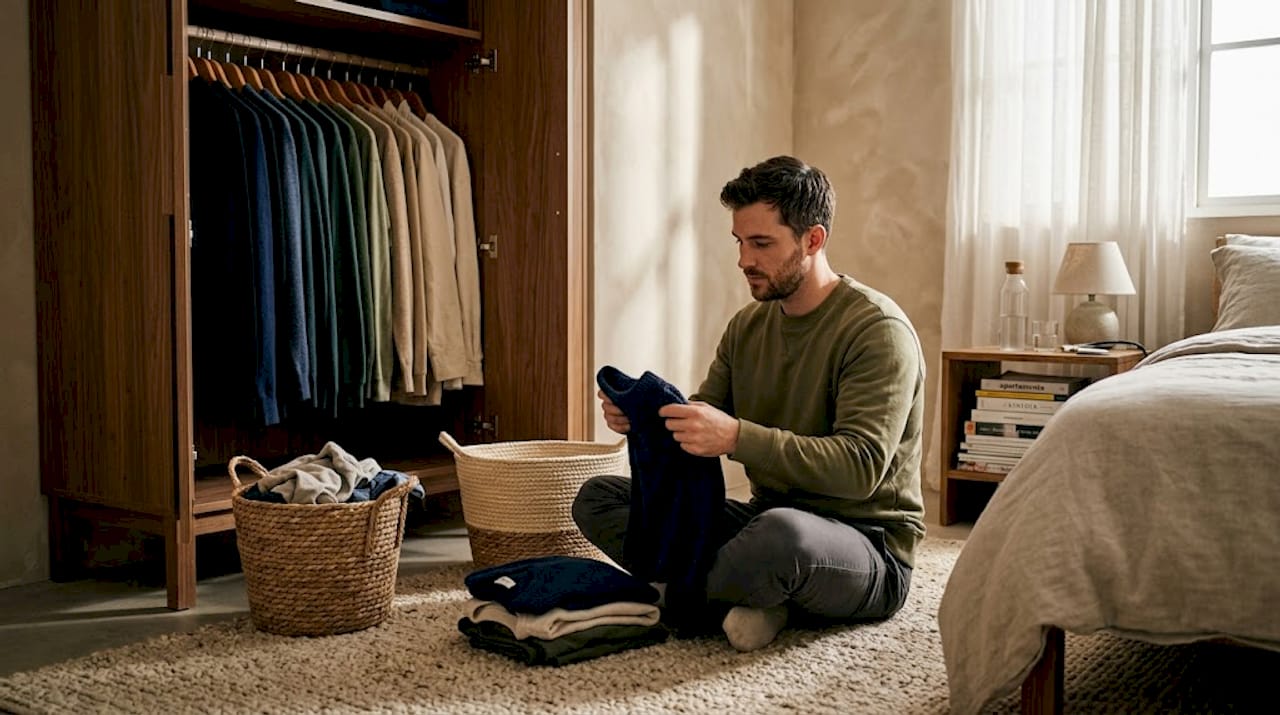
The financial argument for versatile fashion is stronger than most people realize. Shifting 40% of annual purchases to durable brands reduces five-year wardrobe costs by 18 to 27%. Durable pieces last an average of 4.5 years compared to just 1.5 years for fast fashion items. That is three times the lifespan from a single investment.
Most wardrobes are also far less efficient than their owners think. Garments are typically worn fewer than ten times before being discarded. That is a staggering return on investment problem, and it is almost entirely caused by buying pieces that do not integrate with anything else you own.
| Wardrobe type | Average piece lifespan | Cost per wear (estimated) | Outfit combinations |
|---|---|---|---|
| Fast fashion, trend-driven | 1.5 years | High (rarely worn) | Limited, siloed |
| Versatile, durable basics | 4.5 years | Low (worn repeatedly) | Multiplied across contexts |
Beyond the finances, the time savings compound quietly. When your wardrobe works as a system, mornings get faster. Storage becomes simpler. Laundry is easier to manage. There is also an environmental dimension worth acknowledging. Building a versatile wardrobe directly reduces your participation in fast fashion cycles, which means less textile waste and fewer low-quality garments ending up in landfills.
The benefits of versatile fashion are not abstract. They show up in your bank account, your morning routine, and the amount of space your clothes occupy in your home.
Common mistakes that kill real versatility
Understanding how to achieve style versatility also means understanding how to avoid the traps that undermine it. Most people approach versatility with good intentions but make a handful of predictable errors.
The most common mistake is forcing pieces into roles they were never designed for. A sharp structured blazer looks extraordinary in a business setting. Trying to make it function as weekend wear or gym-adjacent casual usually produces awkward results. Forcing formal pieces to cover all occasions lowers versatility effectiveness and satisfaction. The piece stops feeling like a great addition and starts feeling like a problem.
A related mistake is ignoring lifestyle alignment. Your wardrobe should reflect the actual distribution of your days, not a wishful version of them. If 80% of your week involves casual settings and you have built a wardrobe weighted toward formal wear, nothing works the way it should.
Watch out for these specific pitfalls:
- Buying “aspirational” pieces for a life you do not currently live
- Treating versatility as an excuse for extreme minimalism without enough pieces to actually dress yourself well
- Selecting neutral colors without considering whether the silhouettes actually complement each other
- Ignoring fabric quality and defaulting to trend-driven purchases that lose shape after a season
Pro Tip: Think of your wardrobe as a team, not a collection of individuals. Every piece should make the others better. If a garment only works alone, it is taking up space that a more cooperative piece could fill.
The paradox of choice is also real here. More options create more anxiety, not more satisfaction. A thoughtfully curated wardrobe of 40 pieces you love and wear regularly beats 150 pieces you sort through with low enthusiasm every morning.
How to build and maintain a versatile wardrobe
The practical side of how to achieve style versatility starts with an honest audit. Pull everything out, and ask one question about each piece: “When did I last wear this, and in what context?” Anything worn fewer than three times in the past year deserves scrutiny.
From there, build around lifestyle clusters rather than one master capsule. Mini-capsules tailored to life roles are far more practical than forcing a single wardrobe to cover every occasion. A working professional might maintain a casual weekend cluster, a smart casual work cluster, and a cold-weather outdoor cluster. Each serves a specific function without overlapping awkwardly.
Follow this sequence when building your system:
- Audit your current wardrobe by lifestyle category, noting gaps and redundancies
- Identify your three to four most lived-in contexts (work, weekends, social outings, travel)
- Define a color palette of three to four core neutrals plus one or two accent tones that work across all clusters
- Select anchor pieces in that palette that carry each cluster (one great hoodie, two versatile pants, reliable layering basics)
- Test combinations before committing, photographing your favorite outfit pairings on your phone
That last step is more useful than it sounds. Photographing favorite outfit combinations reduces morning friction by giving you a ready-made visual reference. You stop reinventing the wheel every day and start reaching for proven combinations.
For new purchases, apply the 30-day waiting rule. Most impulse purchases fade in appeal within a month. Waiting filters out noise and keeps your wardrobe coherent. If you still want the piece after 30 days and can picture at least five uses for it in your current wardrobe, it earns its place.
A good resource for understanding the practical clothing principles that underpin all of this will help anchor your thinking before you start editing.
Style versatility and personal identity
Here is something the practical conversation often misses. Style adaptability in fashion is not just about efficiency. It is about building a wardrobe that actually expresses who you are across the full range of your life.
“A wardrobe built on versatility does not limit your self-expression. It clarifies it. When every piece reflects your actual values and lifestyle, getting dressed becomes an act of intention rather than improvisation.”
When your wardrobe has internal consistency, your personal style becomes readable. Not to other people, though that matters too. Primarily to yourself. Adopting a consistent style creates space for higher-value mental activity by removing low-stakes daily decisions from your cognitive plate.
Your wardrobe will also evolve as your life does. Career changes, relocations, new hobbies, shifting social contexts all demand that your clothing adapt. A wardrobe built on the importance of style flexibility handles those shifts gracefully. You add or subtract from a coherent system rather than starting from scratch with every life change. That is sustainability in the truest sense of the word.
My honest take on style versatility
I’ve seen a lot of wardrobe advice that sounds good in theory and fails in practice. The capsule wardrobe movement, for instance, gave people a framework but also gave them anxiety about hitting an exact number of pieces. I’ve found that the number is almost never the point.
What actually works is this: build a wardrobe that reflects the life you are living right now, not the one you plan to live someday. I’ve watched people hold onto formal wear for years because they think they “should” dress that way more often. Those pieces sit untouched, drive guilt, and crowd out things that would actually get worn.
The liberating shift happens when you accept that versatility is not about doing more with less. It is about doing exactly the right things with exactly the right pieces. When I started thinking about clothing in terms of minimalist fashion principles, my wardrobe shrank, my confidence grew, and I genuinely stopped thinking about clothes as a problem to solve every morning.
The best wardrobe you can own is one you never have to think about. That is the real payoff.
— Denis
Build your versatile wardrobe with Smokedtimes
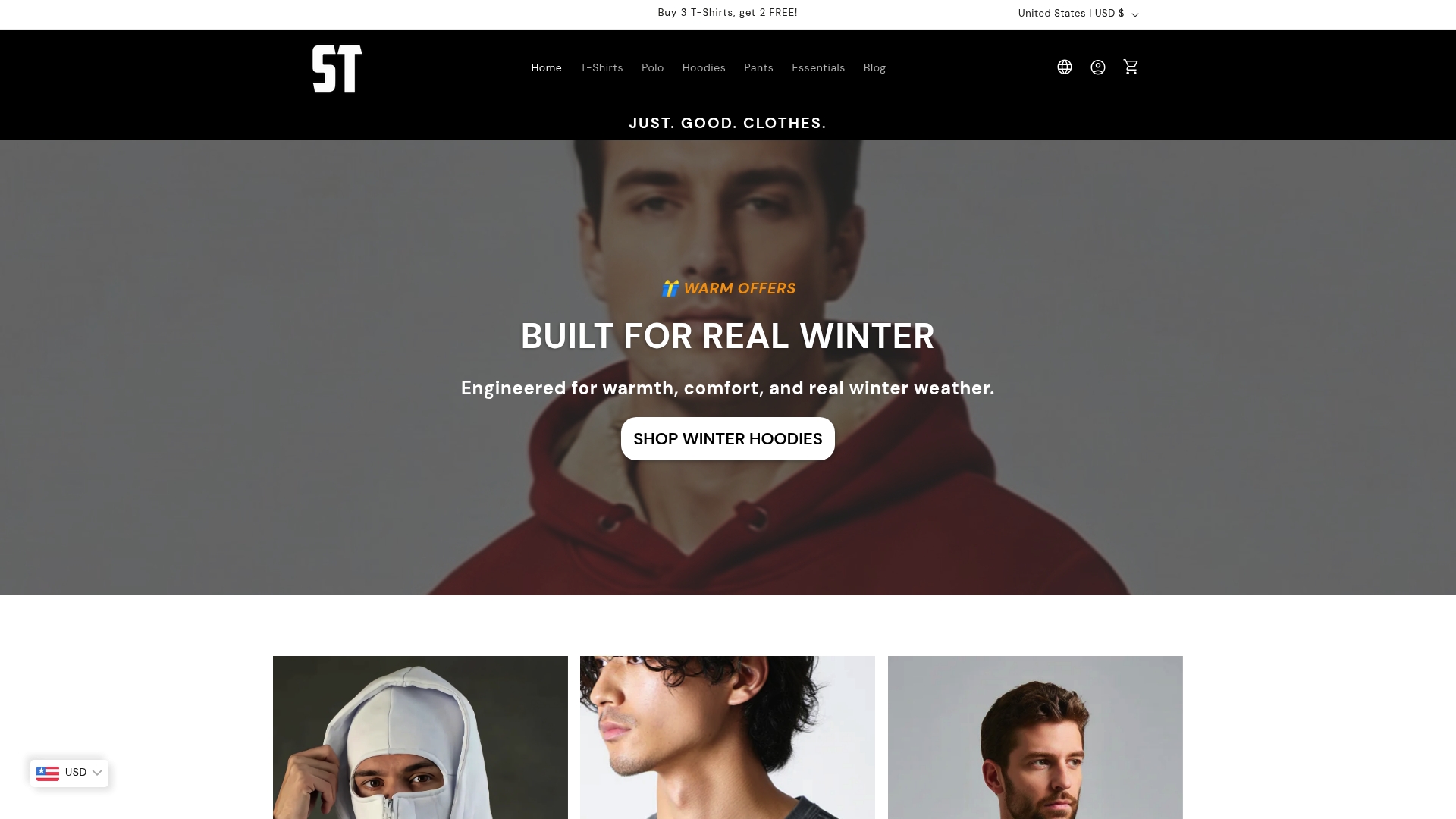
If this article has you thinking about what a more intentional wardrobe actually looks like in practice, Smokedtimes is a strong place to start. The brand is built around exactly the kind of pieces that make versatility real: heavyweight cotton T-shirts, clean polos, quality hoodies, and well-made pants with no loud branding to limit how or where you wear them. Every piece is designed for repeat wear, durable fabrics, and easy layering across seasons and contexts. Browse the full collection to find your anchor pieces, or read the guide on building a capsule wardrobe for a season-by-season approach to getting this right.
FAQ
What does style versatility actually mean?
Style versatility means your clothing works across multiple occasions and contexts without requiring separate wardrobes for each scenario. A versatile piece pairs with at least three other items you already own and holds up to repeated wear.
Why does style flexibility matter for everyday dressing?
Style flexibility reduces decision fatigue and morning stress by giving you a coherent system rather than a collection of unrelated pieces. Research links wardrobe complexity and stress directly, showing that simpler wardrobes lower cortisol levels.
How many pieces do you actually need for a versatile wardrobe?
There is no magic number. The goal is lifestyle alignment, not a specific count. Most people find that three to four mini-capsules covering their main life contexts gives them everything they need without excess.
Does versatile dressing limit personal style expression?
No. A versatile wardrobe clarifies your style rather than limiting it. When every piece reflects your values and actual lifestyle, the consistency creates confidence rather than monotony.
What is the fastest way to make an existing wardrobe more versatile?
Start by auditing what you own by lifestyle context, photograph your best current combinations for daily reference, and apply a 30-day waiting rule before any new purchases to prevent incoherent additions.