


What is sustainable clothing: a guide to eco-friendly basics
Many shoppers believe sustainable clothing means sacrificing style or comfort for environmental responsibility, but that’s a myth. True sustainable fashion combines durability, timeless design, and eco-friendly materials to create wardrobe staples you’ll wear for years. This guide clarifies what sustainable clothing really means, explores the materials that define it, and shows you how to identify quality basics that align with your values while delivering the comfort and longevity you deserve.
Table of Contents
- What Is Sustainable Clothing? Understanding Core Concepts
- Key Materials And Fabrics That Define Sustainable Clothing
- Benefits Of Choosing Sustainable Clothing Basics
- How To Identify Sustainable Clothing When Shopping
- Explore Smoked Times Sustainable Wardrobe Essentials
Key takeaways
| Point | Details |
|---|---|
| Sustainable clothing minimizes environmental harm | It focuses on durable materials, ethical production, and reduced waste throughout the garment lifecycle. |
| Natural and recycled fabrics lead the way | Organic cotton, Pima cotton, hemp, linen, and recycled fibers offer comfort while reducing pollution and resource use. |
| Durability saves money and reduces waste | Quality sustainable basics last longer, requiring fewer replacements and lowering your overall fashion footprint. |
| Look for transparency and certifications | Brand policies, material disclosures, and third-party certifications help you identify genuinely sustainable options. |
| Simple care extends garment life | Washing less frequently, using cold water, and repairing items support sustainability and preserve fabric quality. |
What is sustainable clothing? Understanding core concepts
Sustainable clothing is made to minimize environmental impact through material choice, production processes, and durability. Unlike fast fashion, which prioritizes trends and cheap production, sustainable basics emphasize longevity and comfort. These garments use natural or recycled fibers, ethical labor practices, and manufacturing methods that reduce water consumption, chemical pollution, and carbon emissions. The goal is creating pieces you’ll wear repeatedly rather than discarding after a season.
Sustainable fashion also centers on timeless style. A well-made organic cotton t-shirt or heavyweight hoodie fits seamlessly into your wardrobe year after year, eliminating the need to chase fleeting trends. This approach values quality over quantity, encouraging you to build a smaller collection of versatile essentials that serve multiple purposes. Comfort plays a huge role too, as natural fibers like cotton and linen breathe better than synthetics, keeping you comfortable in various climates.
You’ll often hear terms like sustainable, ethical, and eco-friendly used interchangeably, but they have distinct meanings. Sustainable refers to environmental impact, focusing on resource conservation and pollution reduction. Ethical emphasizes fair labor practices, safe working conditions, and living wages for garment workers. Eco-friendly is a broader term covering both environmental and social responsibility. Many brands combine all three, but understanding these distinctions helps you make informed choices.
Why does this matter? The fashion industry ranks among the world’s largest polluters, contributing to water contamination, textile waste, and greenhouse gas emissions. Choosing sustainable clothing reduces your personal contribution to these problems while supporting companies that prioritize environmental stewardship. Plus, durable garments mean less waste in landfills and fewer resources spent on constant replacements.
Pro Tip: When evaluating sustainable clothing, check if the brand provides specific details about their materials, production locations, and environmental initiatives rather than vague marketing claims.
Common misconceptions include believing sustainable clothing is always expensive, uncomfortable, or limited in style. In reality, many sustainable basics cost comparable to mid-range conventional options when you factor in their extended lifespan. Natural fibers often feel softer and more breathable than synthetics, and sustainable brands now offer diverse styles beyond the stereotypical earthy aesthetic. Another myth is that all organic or natural materials automatically equal sustainability, but production methods and labor practices matter just as much as fiber choice.
Key materials and fabrics that define sustainable clothing
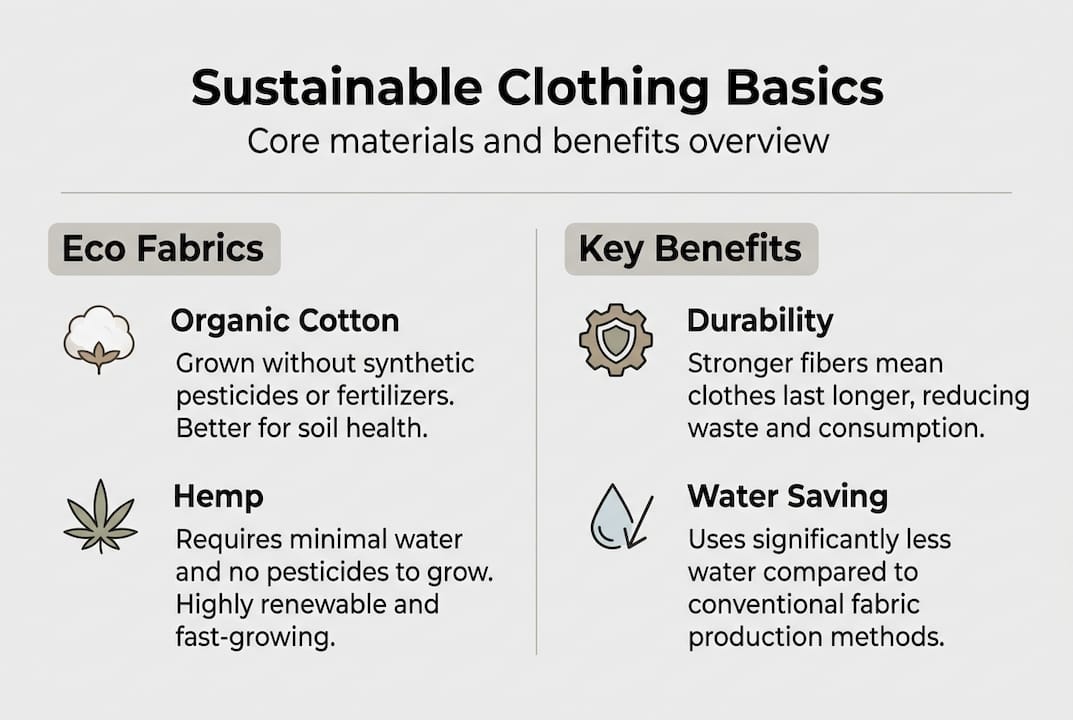
The fabric you choose determines both environmental impact and garment performance. Organic cotton and Pima cotton are prized for softness and sustainability in fashion basics, grown without synthetic pesticides or fertilizers that contaminate soil and water. Organic cotton uses significantly less water than conventional cotton and supports healthier ecosystems. Pima cotton, known for its extra-long staples, creates exceptionally soft, durable fabric that resists pilling and maintains shape through countless washes.
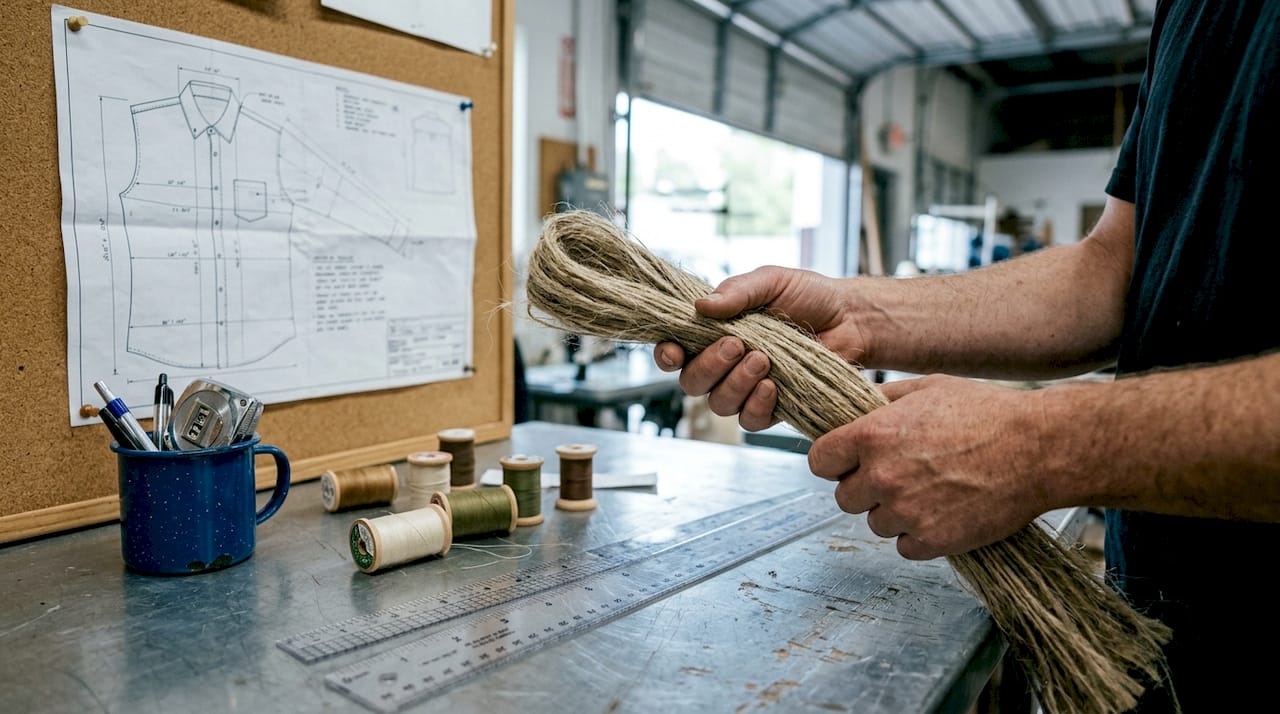
Hemp stands out as one of the most sustainable fibers available. It grows quickly with minimal water, requires no pesticides, and actually improves soil health. Hemp fabric starts stiff but softens beautifully with wear, becoming more comfortable over time. Linen, made from flax plants, shares similar benefits with a naturally breathable, moisture-wicking quality perfect for warm weather. Both hemp and linen are incredibly strong, outlasting cotton in durability tests.
Recycled fibers transform post-consumer waste into new textiles, diverting materials from landfills. Recycled polyester, made from plastic bottles, reduces petroleum use and offers performance benefits like moisture management. Recycled cotton repurposes textile scraps and old garments, though it typically blends with virgin fibers for strength. These materials close the loop in fashion production, turning waste into valuable resources.
| Fabric Type | Environmental Impact | Durability | Comfort Level | | — | — | — | | Organic Cotton | Low water use, no pesticides, biodegradable | High with proper care | Soft, breathable, versatile | | Pima Cotton | Reduced pesticide use, long-lasting fibers | Very high, resists wear | Exceptionally soft, smooth | | Hemp | Minimal water, improves soil, no pesticides | Extremely high, strengthens with age | Stiff initially, softens beautifully | | Linen | Low water, biodegradable, regenerative crop | High, natural strength | Cool, breathable, textured | | Recycled Polyester | Diverts plastic waste, reduces petroleum use | High, retains performance | Moisture-wicking, lightweight | | Recycled Cotton | Reduces textile waste, conserves resources | Moderate, often blended | Soft, familiar feel |
Fabric choice directly influences how long your garments last. Natural fibers like organic cotton maintain integrity through repeated washing when cared for properly, while synthetic blends may pill or lose shape faster. Heavyweight fabrics, typically 180 GSM or higher, provide extra durability and a substantial feel that signals quality. Lighter weights work well for layering or warm climates but may wear through sooner with frequent use.
Pro Tip: Match fabric to your lifestyle and climate. If you live in a humid area, prioritize breathable natural fibers like organic cotton or linen. In colder regions, consider heavier weights or blends that offer warmth without bulk.
Understanding fabric properties helps you select pieces that align with your comfort preferences and environmental values. A soft Pima cotton tee feels different from a textured hemp shirt, and both serve distinct purposes in your wardrobe. The key is choosing materials that you’ll actually wear regularly, as the most sustainable garment is the one you use most.
Benefits of choosing sustainable clothing basics
The environmental advantages of sustainable fashion extend far beyond individual garments. Reduced pollution ranks among the most significant benefits, as sustainable production methods limit chemical runoff, dye waste, and microplastic shedding. Conventional textile manufacturing releases toxic substances into waterways, harming aquatic ecosystems and contaminating drinking water. Sustainable brands use low-impact dyes, closed-loop water systems, and natural fibers that biodegrade rather than persisting as pollution.
Water conservation matters immensely in fashion. Conventional cotton farming consumes enormous quantities of water, contributing to drought and ecosystem degradation in growing regions. Organic and regenerative farming practices use significantly less water while maintaining soil health. Choosing clothing made from these materials reduces your indirect water footprint, supporting more sustainable agriculture.
Durability translates directly to cost savings. A quality sustainable basic might cost more upfront, but lasting five to ten years instead of one or two means lower per-wear costs. You replace items less frequently, reducing both spending and shopping time. This longevity also decreases waste, as fewer garments end up in landfills where synthetic materials take decades or centuries to decompose.
Comfort from natural, breathable fabrics enhances daily life in ways synthetic materials can’t match. Cotton, linen, and hemp regulate temperature naturally, wicking moisture away from skin and allowing air circulation. You stay cooler in summer and more comfortable during activity. These fibers also tend to cause fewer skin irritations or allergic reactions compared to synthetic alternatives, making them ideal for sensitive skin.
Timeless style ensures your wardrobe remains relevant regardless of shifting trends. Classic cuts and neutral colors work across seasons and occasions, maximizing versatility. A well-fitted organic cotton tee pairs equally well with jeans, shorts, or layered under a jacket. This adaptability means building a smaller wardrobe that serves more purposes, reducing the urge to constantly acquire new pieces.
Sustainable fashion reduces waste, pollution, and supports ethical labor practices, creating positive ripple effects throughout supply chains and communities. Every purchase becomes a vote for better industry standards.
Consumer empowerment comes from knowing your clothing choices align with your values. Supporting brands that prioritize fair wages, safe working conditions, and environmental responsibility creates market demand for better practices. As more consumers choose sustainable options, the fashion industry shifts toward accountability and transparency. You become part of a movement driving systemic change rather than passively accepting harmful norms.
How to identify sustainable clothing when shopping
Material transparency serves as your first clue when identifying sustainable apparel. Legitimate sustainable brands clearly state fabric content, often providing percentages and sourcing details. Look for specific claims like “100% organic cotton” or “recycled polyester from post-consumer bottles” rather than vague terms like “eco-friendly materials.” Certifications add credibility, with labels such as GOTS (Global Organic Textile Standard), OEKO-TEX, Fair Trade, or Bluesign indicating third-party verification of environmental and social standards.
Brand policies reveal commitment beyond marketing. Check company websites for detailed information about manufacturing processes, supply chain transparency, and sustainability initiatives. Brands serious about environmental responsibility typically share factory locations, labor practices, and specific goals like carbon neutrality or waste reduction targets. If a company provides minimal information or relies solely on buzzwords, that’s a red flag.
Prioritizing timeless, durable styles over fast fashion trends protects both your wallet and the environment. Classic silhouettes, neutral colors, and quality construction indicate garments designed for longevity rather than quick disposal. Examine stitching, seams, and fabric weight. Heavyweight materials, reinforced seams, and tight stitching suggest durability. Avoid items with excessive embellishments, trendy details, or flimsy construction that signal short-term use.
- Read fabric labels carefully and research unfamiliar materials to understand their environmental impact and care requirements.
- Check for certifications from recognized organizations that verify organic content, fair labor, or low-impact production methods.
- Research brand values and transparency by visiting their website and reading about their sustainability commitments and supply chain practices.
- Examine garment construction by inspecting seams, stitching quality, and fabric weight to assess durability and longevity potential.
- Consider versatility by choosing pieces that work across multiple outfits and seasons, maximizing wear and reducing the need for frequent purchases.
Pro Tip: Care for your garments properly to extend their life. Wash in cold water, air dry when possible, and repair small issues like loose buttons or minor tears rather than discarding items.
Online shopping requires extra diligence since you can’t physically examine items. Read customer reviews focusing on durability, fit consistency, and fabric quality. Look for detailed product descriptions including fabric weight (measured in GSM), care instructions, and sizing information. Brands confident in their quality often provide generous return policies, allowing you to assess garments at home.
Avoid greenwashing by questioning vague environmental claims. Terms like “natural,” “green,” or “conscious” mean little without supporting evidence. True sustainable brands back claims with specific data, certifications, or transparent reporting. If marketing feels more focused on appearing eco-friendly than providing substance, the company likely prioritizes image over genuine environmental responsibility.
Embracing sustainable clothing practices extends beyond initial purchase decisions. Building a sustainable wardrobe involves thoughtful curation, proper care, and mindful consumption. Start by assessing what you already own, identifying gaps, and purchasing only what you truly need. Quality over quantity remains the guiding principle, ensuring each piece earns its place through regular wear and lasting value.
Explore Smoked Times sustainable wardrobe essentials
Smoked Times offers a carefully curated selection of sustainable basics designed for comfort, durability, and timeless style. Our organic cotton t-shirts combine softness with environmental responsibility, using premium Pima and organic cotton for exceptional feel and longevity. Each piece emphasizes heavyweight construction and minimal branding, creating versatile staples that work across your entire wardrobe.
Our retro oversized hoodie delivers cozy warmth without sacrificing quality or sustainability. Built for repeat wear through changing seasons, these essentials reflect our commitment to durable, well-made clothing that reduces waste while maximizing comfort. Explore our collection and read customer reviews to discover how others have built sustainable wardrobes around dependable basics that truly last.
FAQ
What is the difference between sustainable and ethical clothing?
Sustainable clothing focuses on minimizing environmental impact through material choices, production methods, and durability that reduce pollution and resource consumption. Ethical clothing emphasizes fair labor practices, safe working conditions, and living wages for garment workers throughout the supply chain. Many responsible brands combine both approaches, addressing environmental and social responsibility simultaneously to create truly conscientious fashion. When shopping, look for transparency in both areas to support comprehensive positive impact.
How can I make my clothing last longer to support sustainability?
Follow care instructions precisely, wash items less frequently in cold water, and air dry whenever possible to preserve fabric integrity and reduce energy consumption. Repair minor damage like loose buttons, small holes, or worn seams rather than discarding garments, extending their useful life significantly. These sustainable clothing practices reduce waste, lower your environmental footprint, and save money by maximizing the value of each piece you own.
What are the most environmentally friendly fabrics for everyday basics?
Organic cotton, Pima cotton, hemp, linen, and recycled fibers rank among the top eco-friendly fabrics for everyday wear, offering excellent softness, breathability, and durability with minimal environmental impact. These materials use less water, avoid harmful pesticides, or repurpose existing waste, reducing pollution and resource depletion. Natural fibers also biodegrade at end of life, unlike synthetic alternatives that persist as microplastic pollution for decades.
Are sustainable clothing options more expensive than conventional fashion?
Sustainable basics often carry higher upfront costs due to quality materials and ethical production, but their extended lifespan creates better long-term value than cheap fast fashion alternatives. A durable organic cotton tee lasting five years costs less per wear than replacing cheaper versions annually, while also reducing environmental impact. Consider total cost of ownership rather than initial price, factoring in durability, versatility, and reduced replacement frequency when evaluating true affordability.