


What is fashion resale? Guide to a sustainable wardrobe
TL;DR:
- The global secondhand fashion market is projected to reach $360 billion by 2030, reflecting a major industry shift.
- Resale mechanisms include peer-to-peer, consignment, brand resale, and trade-in models, all enhanced by technology.
- While resale promotes sustainability, overbuying and fast fashion-influenced items can undermine its environmental benefits.
The global secondhand fashion market is valued at over $210 billion in 2025 and is on track to hit $360 billion by 2030. That kind of growth doesn’t happen by accident. It signals a real shift in how people think about getting dressed, building a wardrobe, and spending money on clothes. Fashion resale is no longer a niche hobby for bargain hunters or vintage collectors. It has become a serious, tech-driven market that touches every style category and price point. In this guide, we’ll break down what fashion resale actually means, how the key models work, why it matters for sustainability, and how to use it without falling into the traps most shoppers miss.
Table of Contents
- Defining fashion resale: More than just thrift shopping
- How the fashion resale market works: Models and mechanisms
- Sustainability and style: Why resale appeals to eco-conscious shoppers
- Drawbacks and debates: Overconsumption, quality, and impact rebound
- Our take: The smartest way to use fashion resale for a sustainable wardrobe
- Ready to embrace fashion resale?
- Frequently asked questions
Key Takeaways
| Point | Details |
|---|---|
| Fashion resale is booming | The resale market is growing three times faster than primary fashion retail and is transforming how people shop sustainably. |
| Multiple resale models | From peer-to-peer apps to brand-managed programs, resale platforms offer a range of ways to access and circulate quality clothing. |
| Sustainability requires intention | Resale supports eco-conscious wardrobes only when combined with mindful buying and a focus on quality over quantity. |
| Watch for overconsumption | The convenience of resale can lead to buying more than needed, so set wardrobe goals to avoid rebound effects. |
Defining fashion resale: More than just thrift shopping
Fashion resale refers to the buying and selling of pre-owned clothing, shoes, and accessories. But that simple definition doesn’t capture how much the space has changed. What started as church rummage sales and Goodwill bins has become a multi-billion dollar industry shaped by smartphones, social media, and fashion resale’s online evolution.
Three terms come up constantly in this space, and they’re worth knowing. Consignment means a seller hands items to a platform or store, which handles the sale and takes a cut. Peer-to-peer (P2P) means individuals sell directly to other individuals through a marketplace app. Trade-in means a brand or retailer accepts your old items in exchange for store credit.
It also helps to separate resale from related terms. Thrift usually refers to charity-run or donation-based stores like Goodwill or Salvation Army. Vintage specifically means items at least 20 years old. Fashion resale is the broader category that covers all pre-owned clothing sold through any channel, including newer pieces and high-end labels.
Here’s a quick comparison of the main resale models available today:
| Model | Examples | Who handles listings | Authentication |
|---|---|---|---|
| Peer-to-peer | Depop, Vinted, eBay | Seller | Varies by platform |
| Consignment | The RealReal, ThredUp | Platform | Usually included |
| Brand resale | Patagonia Worn Wear, Levi’s SecondHand | Brand | Brand-controlled |
| Trade-in retail | Zara Pre-Owned, H&M Take Back | Retailer | Basic grading |
Key business models across the industry now include all four of these categories, and each serves a different type of buyer and seller. Tech is accelerating all of them. AI-powered pricing tools, automated condition grading, and real-time authentication are making resale faster and more reliable than ever.
Pro Tip: Before listing or buying on any platform, read its full policy on returns, seller fees, and how disputes are handled. Fees can range from 5% to 40% depending on the platform and item category.
How the fashion resale market works: Models and mechanisms
Knowing what resale is and knowing how it works are two different things. Let’s walk through the actual mechanics so you can navigate any platform with confidence.
Here’s how a typical resale transaction unfolds:
- Seller lists the item with photos, measurements, condition notes, and a price.
- Buyer browses and purchases, either at the listed price or through an offer.
- Payment is held by the platform until the transaction is confirmed.
- Seller ships the item within a set window, often 3 to 5 business days.
- Buyer receives and inspects the item, then confirms or disputes the condition.
- Funds are released to the seller after the buyer’s confirmation period closes.
This process changes depending on the model. On a peer-to-peer platform like Depop, the seller manages everything from photography to shipping. On a consignment platform like The RealReal, you mail in your items and the platform handles the rest, taking a larger cut in exchange for that service. Brand-owned resale programs sit somewhere in between, offering convenience but limiting what you can sell to that brand’s own products.
Here’s how the three main models compare on the details that matter most:
| Feature | Peer-to-peer | Consignment | Brand resale |
|---|---|---|---|
| Seller effort | High | Low | Low |
| Platform fee | 5 to 15% | 20 to 40% | Varies |
| Authentication | Buyer risk | Platform-managed | Brand-managed |
| Item range | Broad | Mid to luxury | Brand-specific |
Authentication is where luxury resale gets serious. For mass-market items, condition grading (like “good,” “excellent,” or “like new”) is usually enough. For luxury, platforms use trained inspectors and AI tools to verify that a bag or sneaker is genuine before it ever reaches the buyer. This layer of trust is what has allowed high-end resale to grow so quickly.
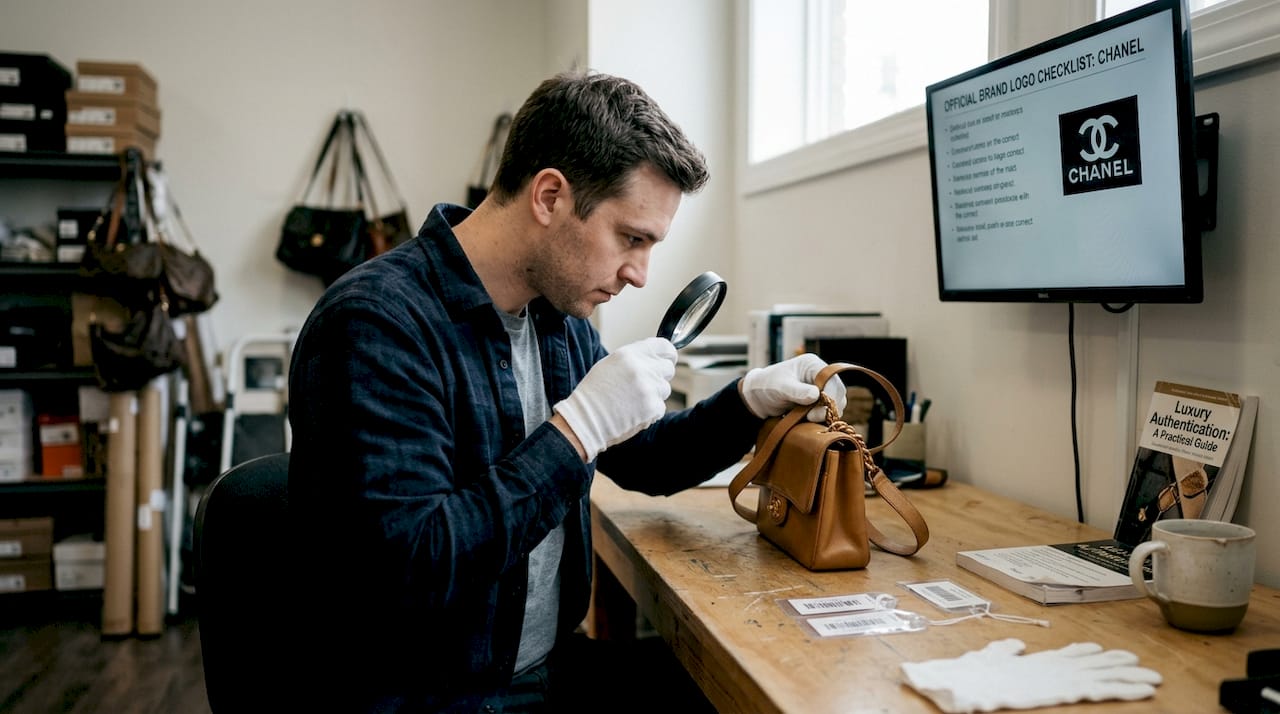
Understanding these fashion retail mechanisms helps you choose the right platform for your goals, whether you’re clearing out your closet or hunting for a specific piece.
Sustainability and style: Why resale appeals to eco-conscious shoppers
Fashion is one of the most resource-intensive industries on the planet. Resale offers a practical way to push back against that. When you buy a pre-owned jacket instead of a new one, you extend that garment’s useful life and reduce the demand for new production. That’s not a small thing.
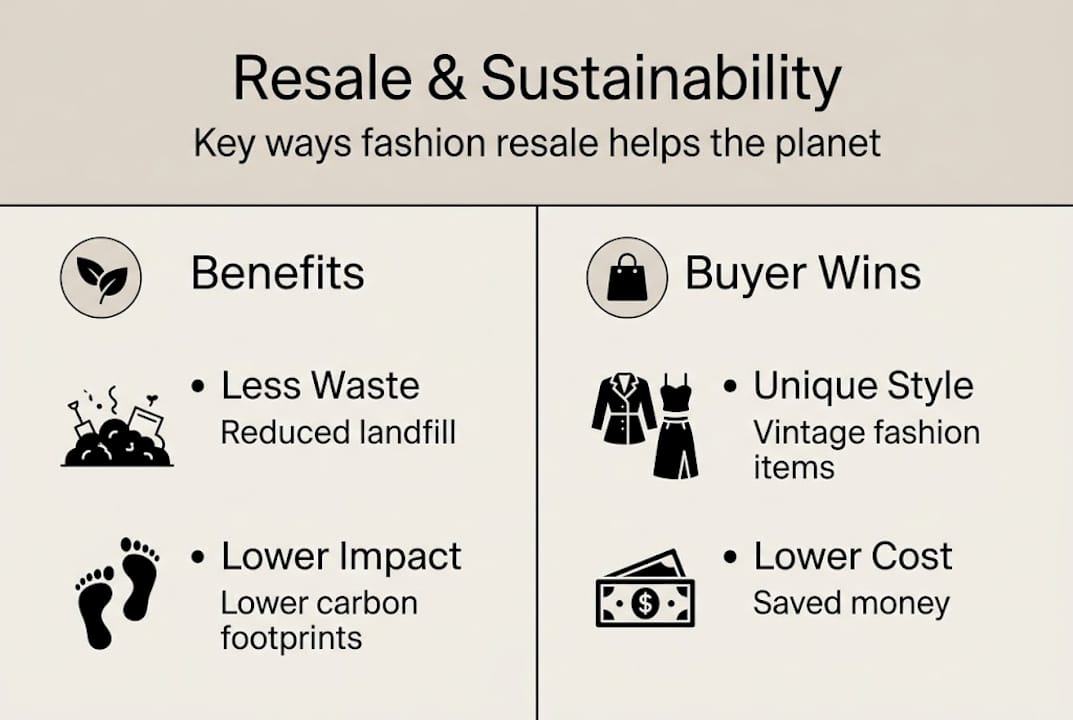
Research shows that 28% of wardrobes worldwide are already made up of secondhand items, and affordability and sustainability are the top two reasons shoppers give for buying resale. That’s a significant cultural shift.
Here are the core benefits that keep eco-conscious shoppers coming back to resale:
- Lower environmental footprint: No new raw materials, no new manufacturing energy, no new transport from factory to store.
- Affordability: You can often find the same quality at 50 to 80% below retail price.
- Access to unique pieces: Resale is where you find the interesting stuff. One-of-a-kind vintage, discontinued colorways, and limited-edition items that never show up in regular stores.
- Support for circular fashion: Buying and selling secondhand keeps clothing in circulation longer, which is exactly what sustainable fashion means in practice.
“Resale extends garment life, reduces waste, and reflects a growing consumer preference for affordability and sustainability as the primary drivers of secondhand shopping behavior.” — BCG, 2025
Style-wise, resale is also where wardrobes get interesting. Buying secondhand forces you to be intentional. You can’t just grab whatever’s on the front rack. You search, you compare, you wait. That process naturally pushes you toward quality and away from impulse buys. Pair that mindset with knowledge of eco-friendly fabric choices and you’ll build a wardrobe that’s genuinely personal, durable, and low-impact. For practical steps on embracing sustainable clothing every day, the habits you build around resale shopping are a great place to start.
Drawbacks and debates: Overconsumption, quality, and impact rebound
Fashion resale gets a lot of praise, and most of it is deserved. But there are real criticisms worth understanding before you go all-in.
The most uncomfortable finding in recent research is that buying secondhand doesn’t automatically replace buying new. High-engagement resale users tend to buy more total clothing, not less, and they discard items faster. The act of buying secondhand can create a sense of moral permission to keep shopping. Researchers call this the rebound effect or moral licensing, and it’s a documented pattern in sustainable consumption.
A separate study found that resale often adds to rather than replaces new purchases, particularly among younger shoppers who treat resale platforms like entertainment apps, browsing and buying constantly.
Here are the key pitfalls to watch for:
- Moral licensing: Buying ten secondhand items doesn’t cancel out the environmental cost of buying ten items.
- Fast fashion in resale: Platforms are now flooded with low-quality fast fashion pieces that wear out quickly and end up in landfills anyway.
- Global waste export: Unsold or donated clothing often gets shipped to lower-income countries, creating waste crises in places like Ghana and Chile.
- Quality inconsistency: Without standardized grading, condition descriptions vary widely and returns can be costly or unavailable.
The fast fashion and resale overlap is especially worth understanding. Not everything secondhand is worth buying. A cheap polyester top from a fast fashion brand doesn’t become a sustainable choice just because it passed through a resale platform.
A slow fashion approach is the real antidote here. Fewer purchases, better quality, longer wear.
Pro Tip: Before any resale purchase, ask yourself if you would buy this item new at full price. If the answer is no, the low price is probably driving the decision more than genuine need.
Our take: The smartest way to use fashion resale for a sustainable wardrobe
We’ve seen enough wardrobe overhauls to know that resale works brilliantly when it’s part of a strategy, and backfires when it becomes a habit. The thrill of finding something great for a fraction of the price is real. But that thrill can quietly turn into a closet full of things you never wear.
The most effective approach treats resale as a tool for upgrading specific gaps in your wardrobe, not as a shopping channel you browse for entertainment. Resale enables high-quality wardrobes when it’s paired with a genuine reduction in overall buying. That’s the part most resale advocates skip over.
Our honest view: set a list of what you actually need before you open any resale app. Stick to it. Buy fewer, better things. Resale is one of the best ways to access quality and character at a fair price, but only if you’re being honest about what you need. For more easy sustainability tips that go beyond shopping, small daily habits compound over time.
Ready to embrace fashion resale?
Fashion resale gives you real tools to build a wardrobe that’s more personal, more affordable, and more responsible. But like any tool, it works best when you use it with intention.
At Smoked Times, we’re building a space for people who care about what they wear and why. Our guides cover everything from sustainable fabrics to wardrobe-building strategies, and we’d love to hear from you too. If you’ve had a great resale find or a lesson learned the hard way, share your resale experience with our community. And if you’re ready to keep learning, discover more guides on building a wardrobe that actually lasts.
Frequently asked questions
What is the difference between thrift, vintage, and fashion resale?
Thrift usually refers to charity or donation-based stores, vintage means items at least 20 years old, while fashion resale covers all pre-owned clothing sold through any platform. All major resale models, including peer-to-peer, consignment, and brand programs, fall under the resale umbrella.
How can you guarantee authenticity when buying luxury items in the resale market?
Look for platforms with trained inspectors or AI-based tools, since AI authentication can reach 99.86% accuracy and is now essential for high-end resale. These systems significantly reduce the risk of counterfeits reaching buyers.
Does fashion resale actually reduce clothing waste?
Resale extends garment life and reduces demand for new production, but its real impact depends on whether it replaces new buying rather than adding to it. Buying patterns matter as much as the channel you shop through.
Are fashion resale items always more affordable?
Most resale items are priced well below retail, but coveted vintage pieces or in-demand luxury items can match or exceed new retail prices due to scarcity and collector demand. Always compare before assuming resale is the cheaper option.